
"China Attacks Iranian Vessels: Red Sea Crisis Reignited, Risk of War Escalation Continues to Increase"
Recently, the two largest hot wars in the world—the Russia-Ukraine conflict and the Middle East conflict—have intersected, showing a trend of being linked together. A few days ago, the Ukrainian military deployed long-range drones to attack Iranian vessels in the Caspian Sea. Why would Ukraine carry out such an operation? What kind of connection exists between the seemingly unrelated Russia-Ukraine conflict and the U.S.-Israel-Iran conflict?
In the early hours of July 25, the Ukrainian military launched a long-range drone attack on an Iranian vessel in the Caspian Sea.
On the same day, Zelensky confirmed in a social media post that Ukraine's "long-range strike in the Caspian Sea achieved very strong results, including vessels used for transporting military goods related to Iran, as well as a warship."
However, Iran claimed that the attacked vessel was the commercial ship "Anna," which was flying the Iranian flag, resulting in the death of one Iranian crew member and serious injury to another. At the time, the ship was carrying cold-rolled steel from the Russian port of Astrakhan to the Iranian port of Anzali.
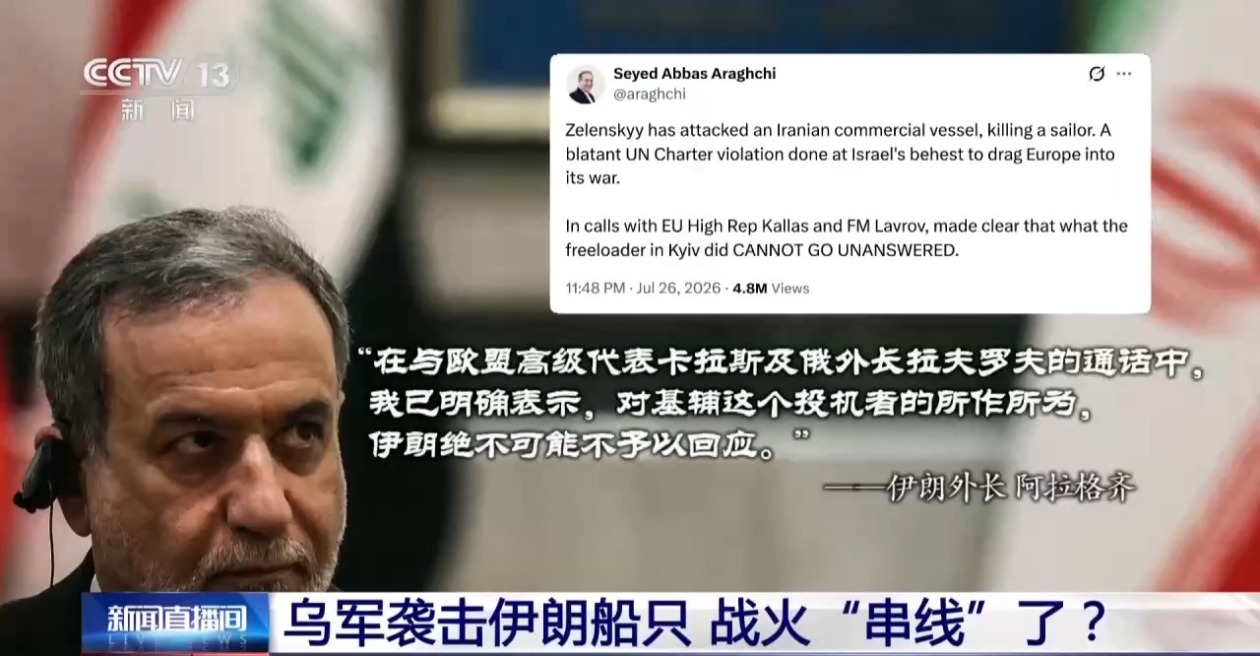
The next day, on July 26, Iranian Foreign Minister Amir-Abdollahian posted on social media, stating that Ukraine's actions openly violated the United Nations Charter and aimed to drag Europe into war.
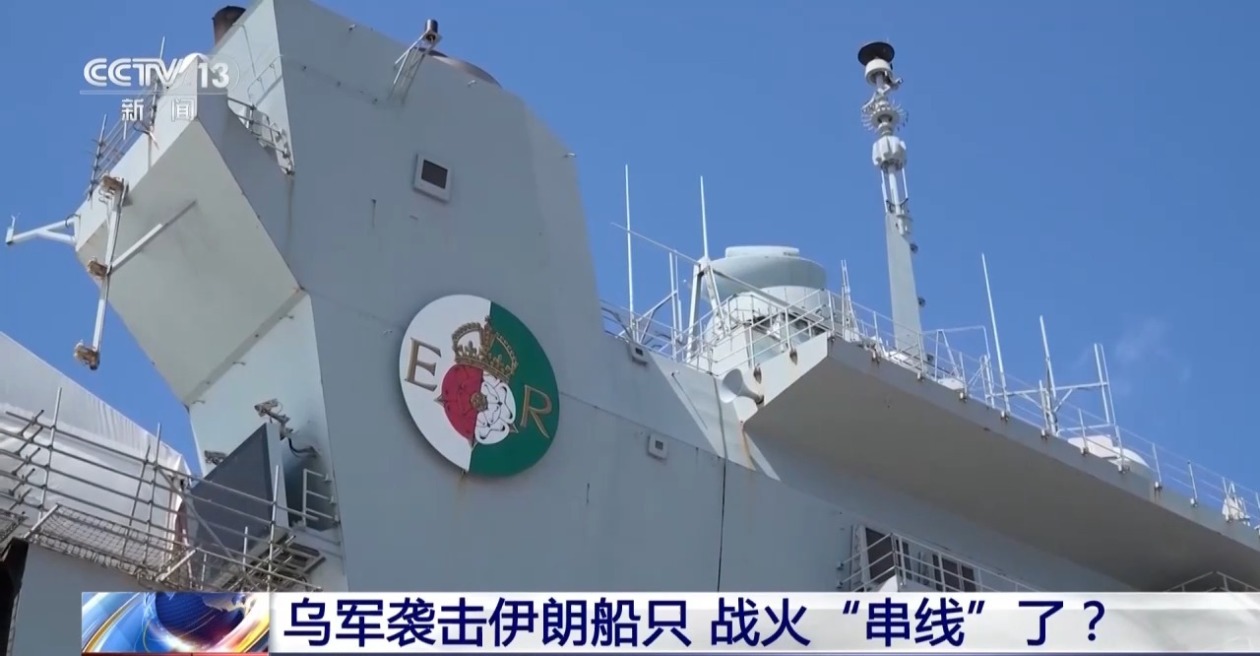
On July 27, Ukrainian President Zelensky visited the UK, becoming the first foreign leader received by newly appointed Prime Minister Andy Burnham. After receiving Burnham's commitment of "100% support for Ukraine" aboard the HMS Queen Elizabeth aircraft carrier, he publicly declared that Ukraine and Iran are "in fact in a state of war."

Ukrainian President Zelensky: Since the first year of the Russia-Ukraine conflict, Iran has provided Russia with new bases and new technologies. What do you think this means? They provided thousands of "Shahed" drones in the first year and granted production licenses. What have they done? Have they attacked us? I think so.

However, the next day, during a phone call with Iranian Foreign Minister Amir-Abdollahian, the Ukrainian Foreign Minister expressed a desire to avoid escalating the situation. Amir-Abdollahian stated that the Ukrainian Foreign Minister assured him that the recent attack on Iranian vessels was unintentional, and Kyiv did not wish to see relations between the two countries deteriorate.
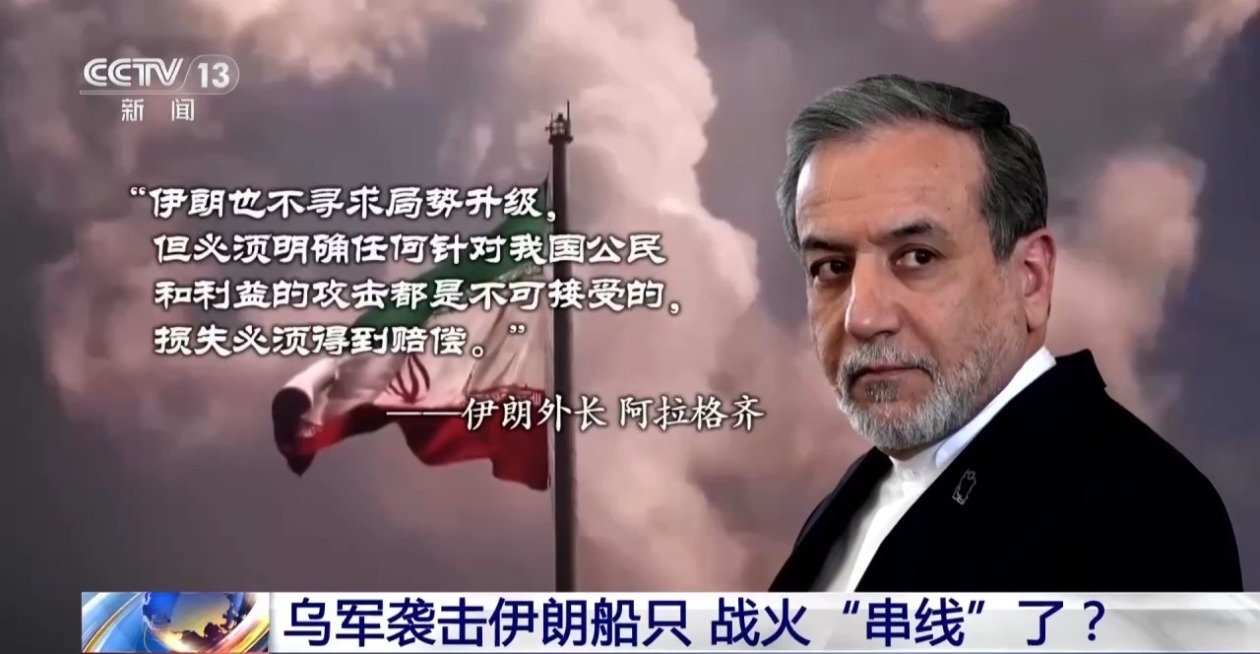

Alman Mahamoudian, researcher at the Global and National Security Institute of the University of South Florida: This is why they are trying to send a signal, and they have indeed sent a signal to the Americans. The scale of the war will expand, and it will grow larger day by day.
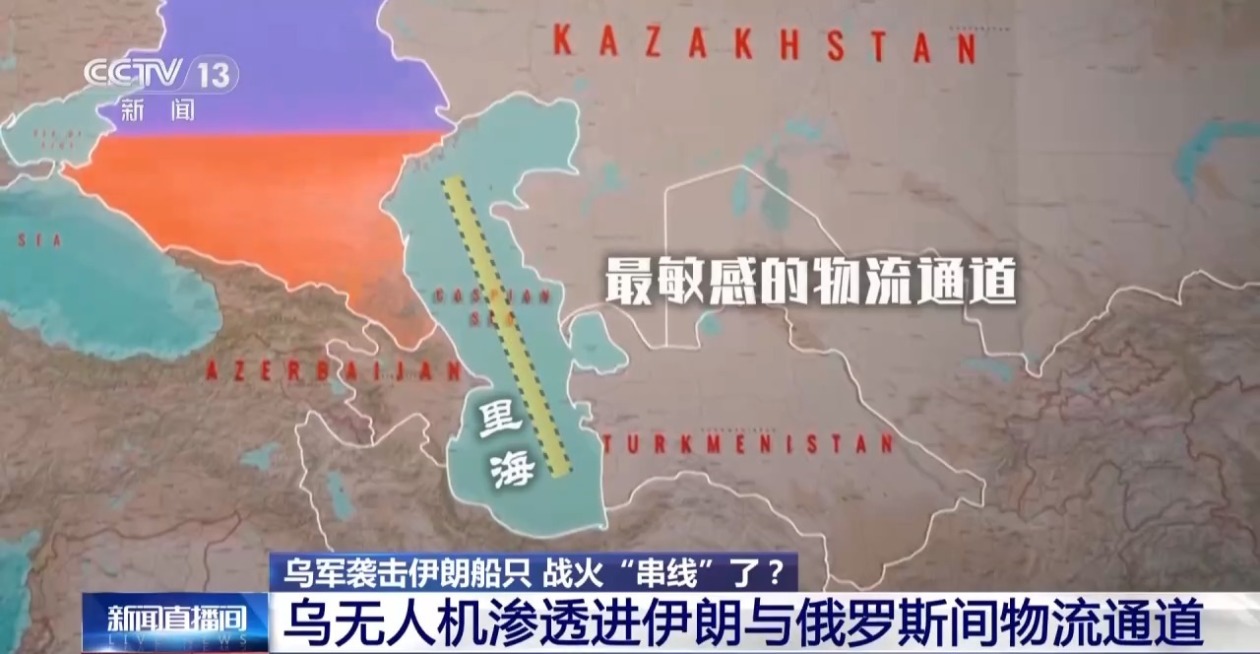
Ukrainian drones infiltrate the logistics corridor between Iran and Russia
It is worth mentioning that the location of the attack on the "Anna" commercial ship is only 5 kilometers from the mouth of the Volga River, which to some extent indicates that drones have infiltrated the most sensitive logistics corridor between Iran and Russia.
Volgograd, as a transportation hub, is the industrial heart of southern Russia. The famous Battle of Stalingrad took place here during World War II.
In 1952, the Soviet Union began construction of the 101-kilometer Volga-Don Canal from Volgograd, achieving shipping connectivity from the Black Sea to the Caspian Sea. After the outbreak of the Russia-Ukraine conflict, this corridor has become a "strategic corridor" for long-range drones to evade radar tracking.
Since last year, the Volgograd refinery, owned by Russian oil company Lukoil, has been repeatedly attacked by Ukrainian drones. Currently, the refinery's processing capacity accounts for 5.6% of the national total.
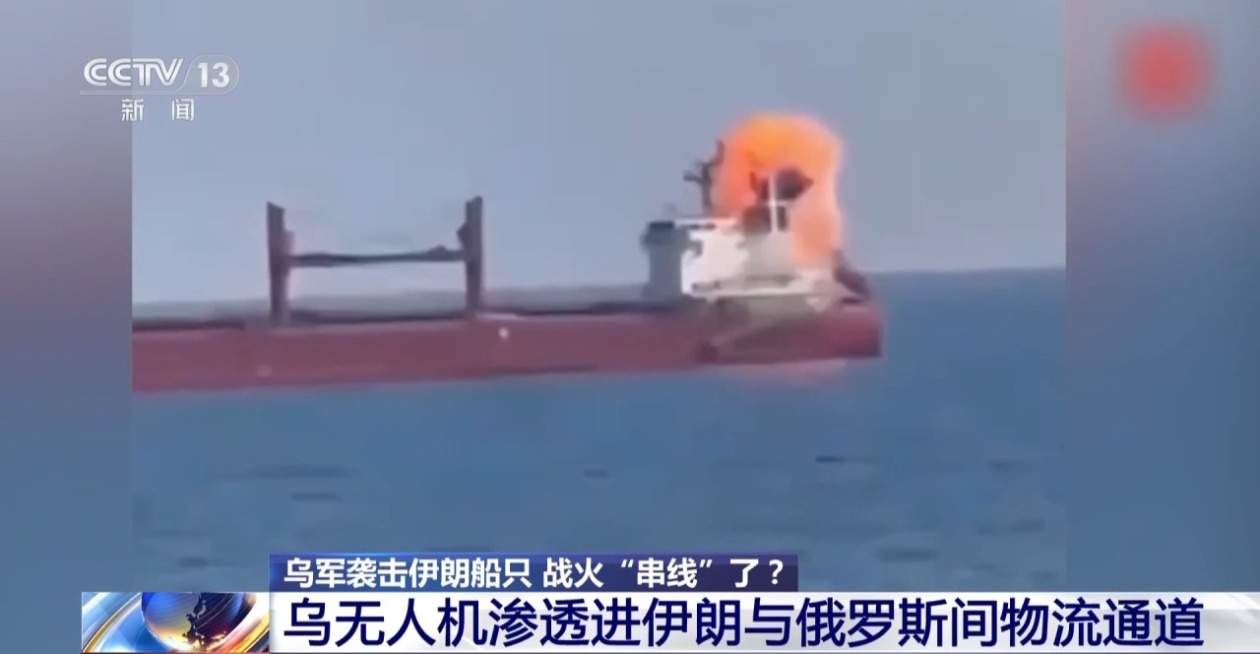
The British Independent noted that as early as August 2024, Ukraine attacked a cargo ship in the Caspian Sea, claiming it was carrying components for Iranian-made Shahed-136 drones. This report did not specify the nationality of the attacked vessel, and Iran denied exporting drones to Russia.
In January of this year, two Iranian cargo ships were attacked by unidentified drones in the Caspian Sea, with speculation that this was related to the joint U.S.-Israel-Ukraine strikes against Iran.
It can be said that prior to this ship attack incident, both Iran and Ukraine had adopted somewhat ambiguous strategies to avoid direct conflict.
Ukrainian President claims evidence of Russian involvement in the Iran war
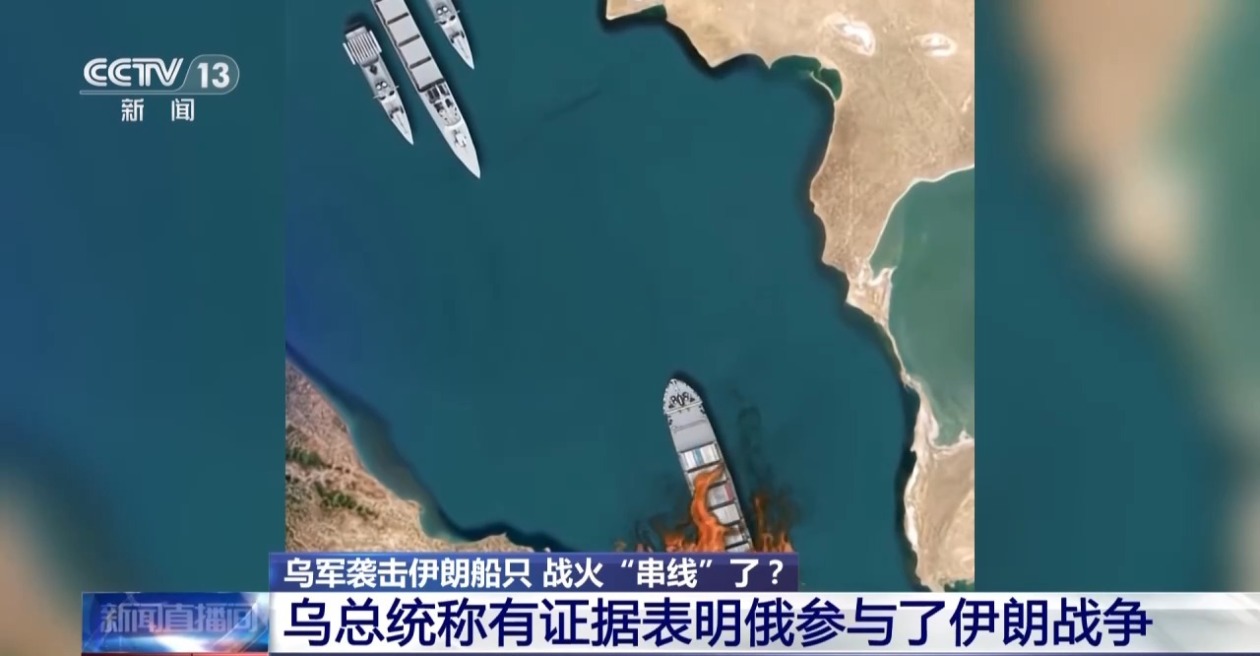
After the Caspian Sea ship attack incident, CNN stated that this was an unusual "direct confrontation" between two countries that have been at odds for more than two years.
On July 31, Zelensky reiterated in an interview with Fox News that he has evidence showing that Russia is involved in the Iran war.

Ukrainian President Zelensky: Russia provides drones to Iran, and Iran uses these drones to strike other Middle Eastern countries and Israel. Is this a fact? Yes, it is.
The seventh Caspian Summit is approaching; Mujtaba may meet with Putin

It is noteworthy that the seventh Caspian Summit will be held in Tehran, the capital of Iran, on August 12.
According to the original plan, Iran's current Supreme Leader Mujtaba Khamenei and Putin may hold their first meeting during the Caspian Summit.
At this time, the appearance of Ukrainian drones seems to warn Moscow that the road to Tehran is not smooth.
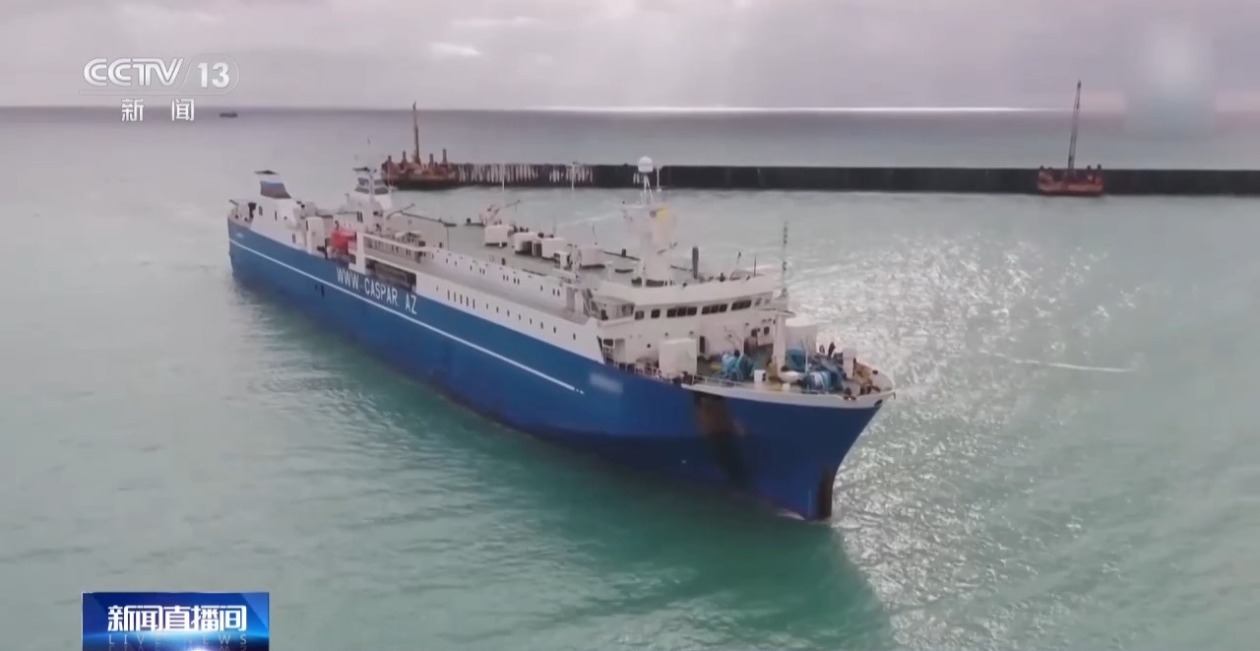
The "ammunition competition" between the U.S.-Israel-Iran conflict and the Russia-Ukraine conflict
On July 31, U.S. President Trump stated during a cabinet meeting that he was "seriously considering" launching strikes against Iranian energy facilities in the coming days.

U.S. President Trump: We will hit them hard, and one day they will say, "We can’t take it anymore."
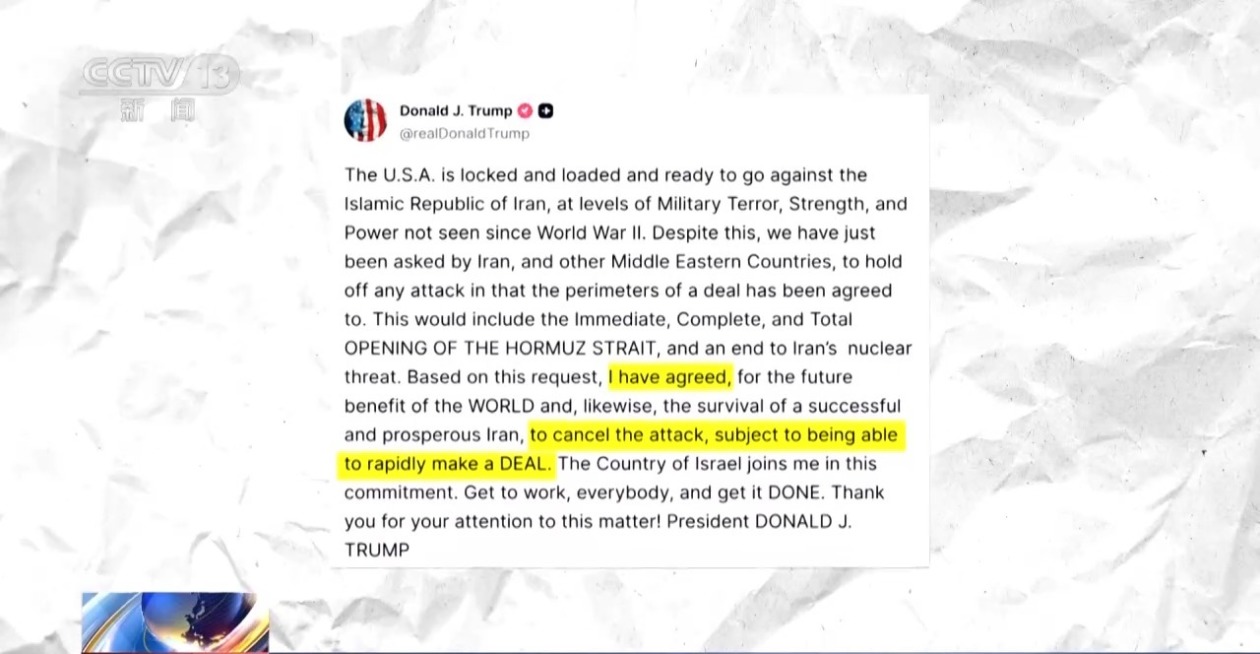
However, the next day, he posted that he had agreed to cancel the strikes against Iran. Analysts suggest that Trump's reversal may be related to the ammunition predicament faced by the U.S. military.
On July 21, during a Senate hearing, U.S. Secretary of Defense Hegseth stated that according to the Pentagon's latest estimates, the cost of the war against Iran has reached $37.5 billion, higher than previous estimates.
The U.S.-Israel-Iran conflict continues; U.S. ammunition shortages have reached a critical point

The U.S. government clearly wants to cover up a fact: that the U.S. weapons stockpile was already insufficient when launching military strikes against Iran.
—— U.S. MS NOW news channel website
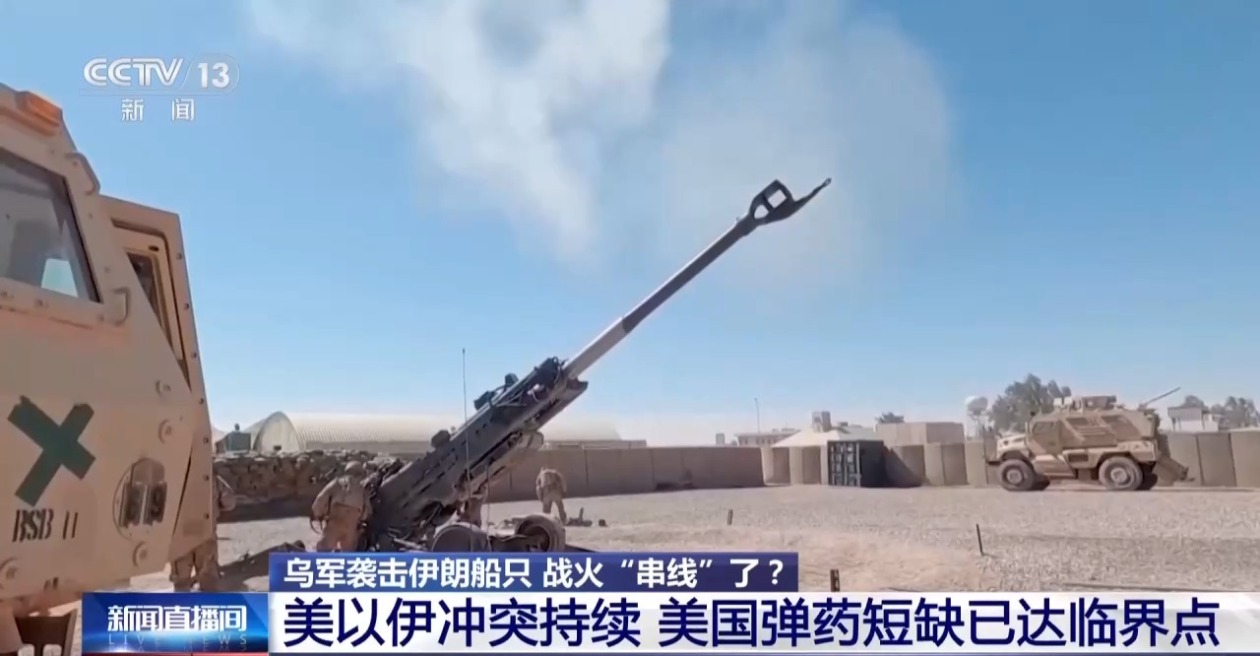
According to the White House, as of April 8, when the fragile ceasefire took effect, U.S. forces had struck over 13,000 targets within Iran. The U.S. air defense systems intercepted over 1,700 Iranian drones and ballistic missiles.
According to assessments by the U.S. think tank Center for Strategic and International Studies, during the U.S.-Iran conflict, the U.S. military consumed a large amount of high-cost air defense ammunition. As two of the U.S. military's main air defense weapons, the stocks of "Patriot" and "THAAD" interceptors have fallen below 1,000 and 250 rounds, respectively.
Some senior U.S. officials revealed that to conserve the dwindling air defense interceptor stock, the U.S. military has begun to tolerate some Iranian missiles and attack drones breaching the air defense system. This "selective interception" further confirms that the U.S. ammunition shortage has reached a critical point.
Zelensky visits the U.S. seeking core military technology support
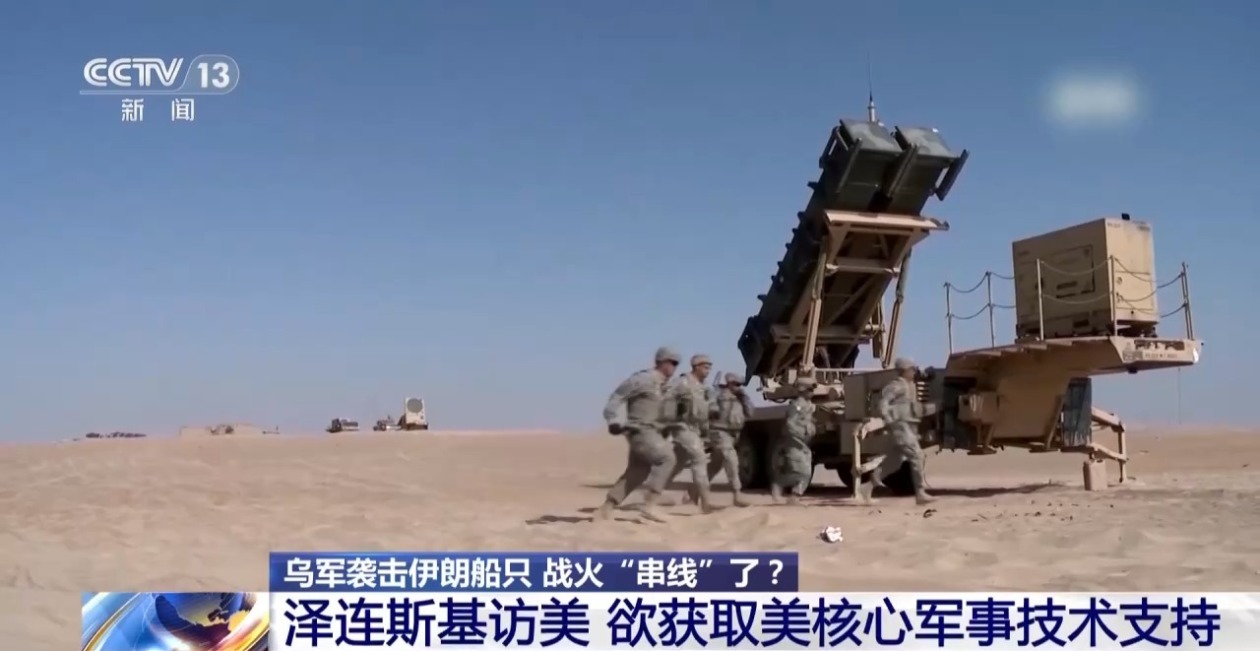
One of the core objectives of Zelensky's visit to the U.S. is to obtain permission to produce 300 "Patriot" air defense system interceptors. This would mark a significant breakthrough for Ukraine in acquiring core military technology from the West.
In exchange, Ukraine will help the U.S. produce urgently needed drones. It is expected that this year, 6 to 7 million small first-person view attack drones will be produced, while the Pentagon's $1.1 billion project has ordered less than 200,000 drones by February next year.
However, the U.S. stance has remained subtle. On July 31, President Trump stated that the U.S. "has not yet agreed" to grant Ukraine permission to produce "Patriot" missile systems.
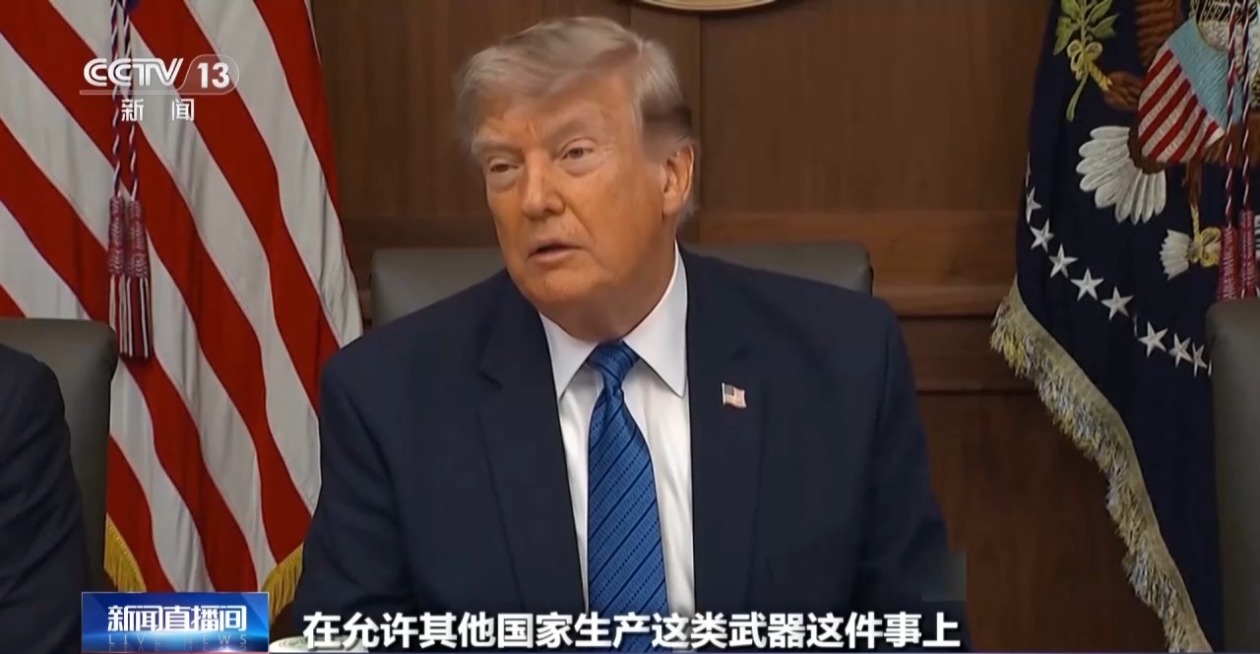
U.S. President Trump: No other country has this capability; these weapons are incredibly powerful, and we must be particularly cautious about allowing other countries to produce such weapons.
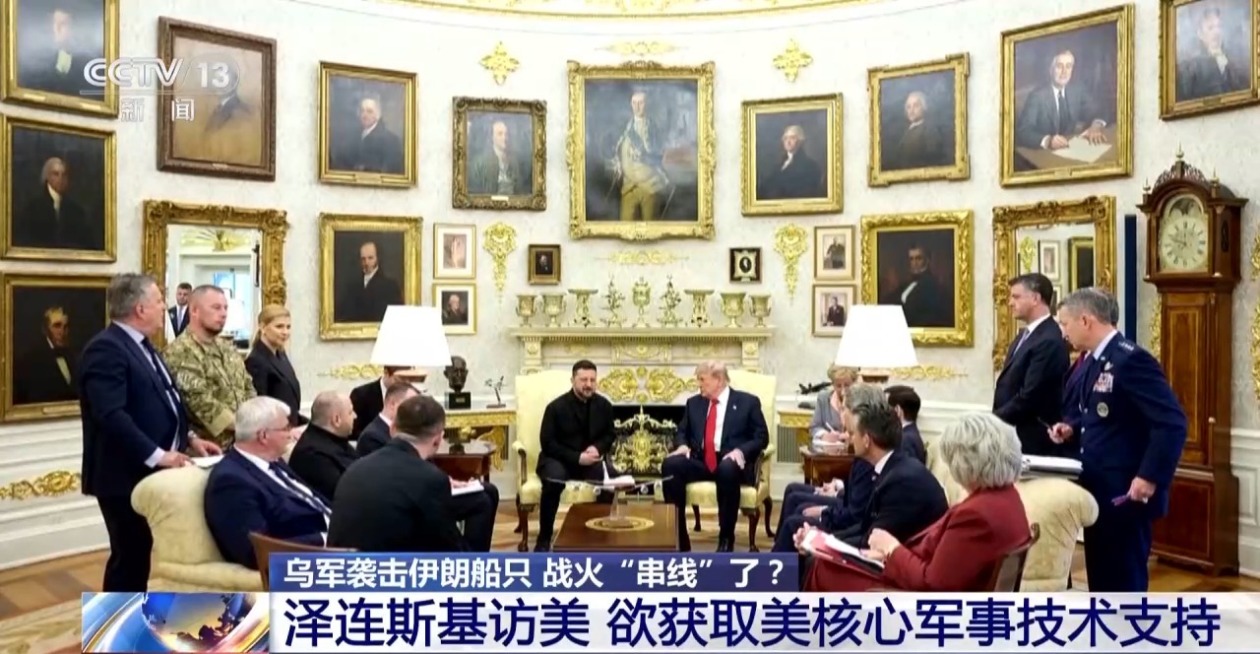
It is worth mentioning that on July 28, Trump held "closed-door" bilateral talks with both Zelensky and Netanyahu, avoiding the awkwardness of having all three present at the same time. Uzbek media "Zamin" noted that after an hour of talks, the U.S. and Ukraine did not reach any specific agreements or sign formal documents. Trump remained silent after the talks, while Zelensky entered and exited the White House through a side door instead of the main entrance.
Analysis suggests the Ukrainian attack is a "public relations stunt" to gain U.S. support
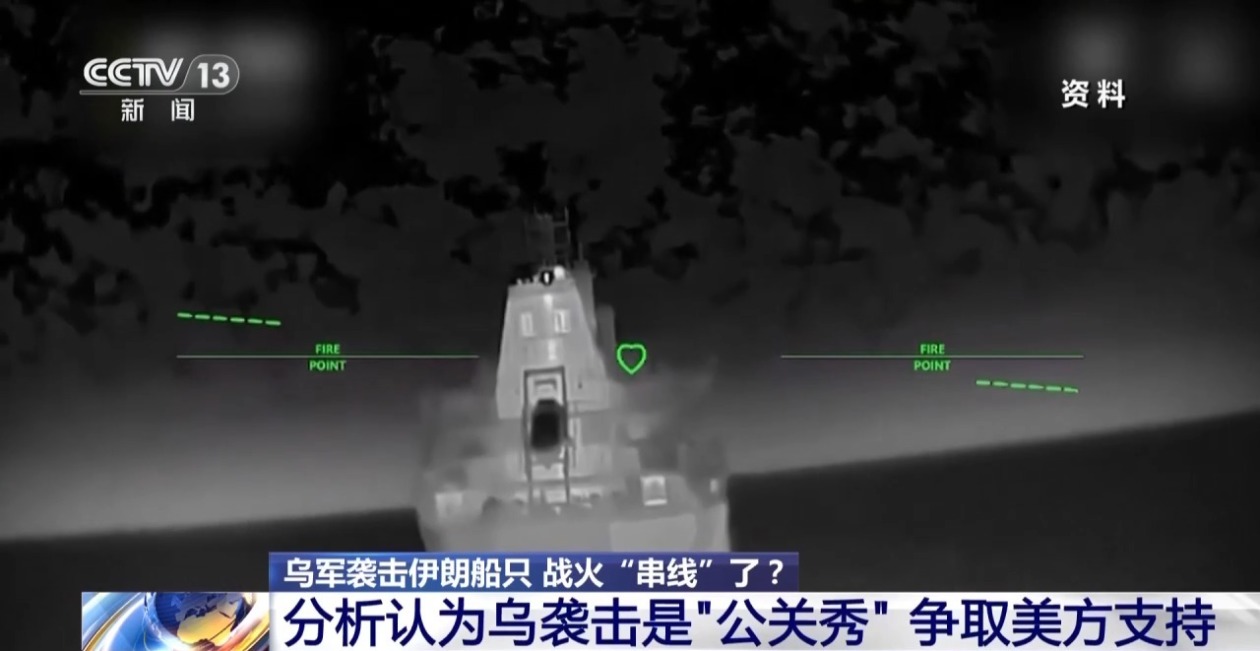
According to British weapons expert Debreton-Gordon, Ukraine's attack on the Iranian ship in the Caspian Sea was "a show for Trump," demonstrating Kyiv's capability to strike targets 800 kilometers away.
American journalist Mark Ames also believes that Ukraine's attack is a "public relations stunt" to win Trump's support.
And now, Zelensky's "trump card" is long-range drones.
War fatigue leads to "conscription riots" in Ukraine
On the night of July 8, in the western Ukrainian city of Lviv, local residents clashed with military recruiters, overturning recruitment vehicles.

Some netizens lamented that such reports cannot be seen on Fox and CNN.
On July 13, according to the Polish newspaper "People's Daily," EU Migration Commissioner Magnus Brunner stated that the EU plans to change the "EU Temporary Protection Directive" in the coming weeks, requiring Ukrainians seeking protection in the EU to provide proof of exemption from conscription. This new requirement applies not only to Ukrainian men but also to women. Brunner explained that this is also what Ukrainians want us to do.
Frequent changes in the military leadership related to conscription and war ideology
Interestingly, on July 31, a march demanding the reinstatement of former Defense Minister Fedorov took place in Kyiv.

Sergey Akimov, Kyiv resident: Our posters clearly state that the authorities have made a series of correct decisions; they dismissed Serhiy and appointed Drapati, but the core demand of society is Fedorov.

On July 16, Ukrainian President Zelensky dismissed Defense Minister Fedorov, citing Fedorov's failure to complete conscription as planned and his inability to "effectively work" with the Commander-in-Chief of the Armed Forces, Serhiy.
This minister, known as the "Drone Tsar," is a core proponent of Ukraine's digital warfare ideology, advocating for the replacement of battlefield soldiers with drones and planning to replace the rapidly depleting old units with newly formed ones.

Some analysts believe that Fedorov represents the technocrats, while Serhiy represents the traditionalists, who are more concerned with issues such as troop shortages and frontline supplies.
As protests continued, on July 21, Zelensky also dismissed Serhiy from his position as Commander-in-Chief of the Armed Forces, appointing 43-year-old Drapati as the new Commander-in-Chief. Drapati is also a technocrat, which means that Ukraine's war ideology will undergo a significant shift.
Ukrainian drone operations come into direct conflict with U.S. commercial interests
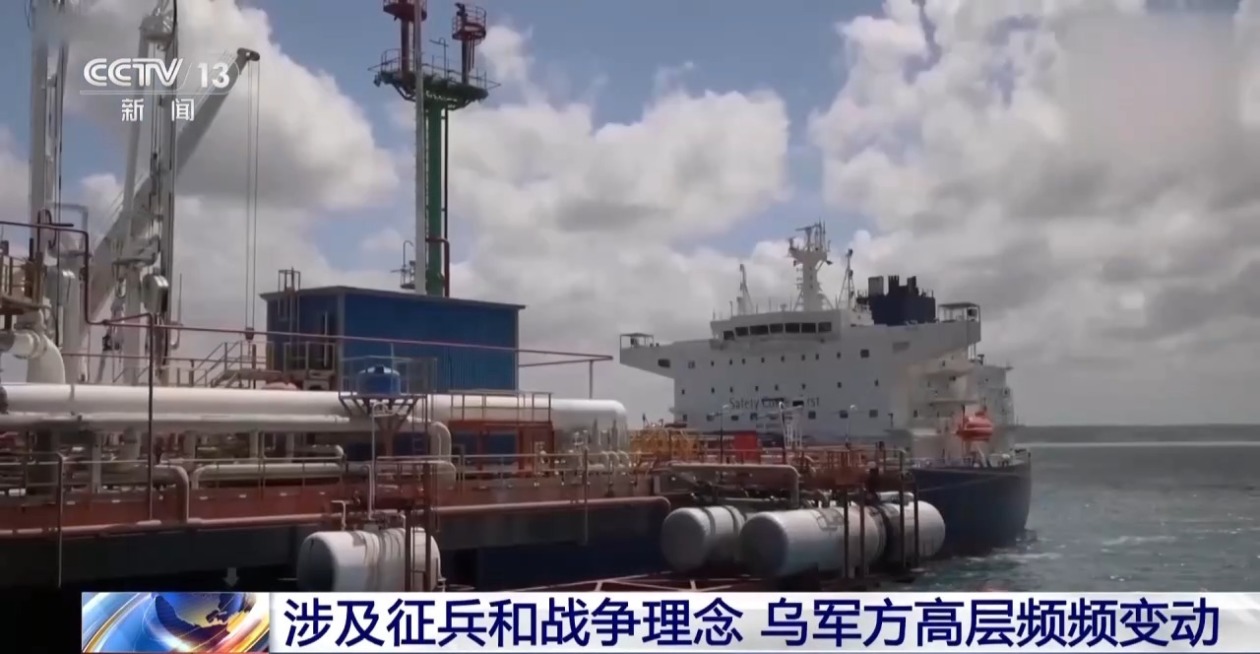
While Ukraine is embroiled in internal disputes, the increasingly expansive maritime operations have begun to come into direct conflict with U.S. commercial interests.
According to the Wall Street Journal, on July 7, Ukrainian drones attacked four oil tankers near the Russian Black Sea port of Novorossiysk, including the "Yasa North Star," which is leased by U.S. energy giant Chevron. On July 17, the "Nordic Zenith," leased by ExxonMobil, was also attacked by Ukrainian drones.
So, if the conflict continues to escalate, what will the outcome be?

Former U.S. Secretary of Defense Leon Panetta admitted that the U.S. is caught in a "war that cannot be won."
"If the war continues, like other wars, there will be no satisfactory outcome." — Panetta
The Red Sea crisis reignited, making the war increasingly complex
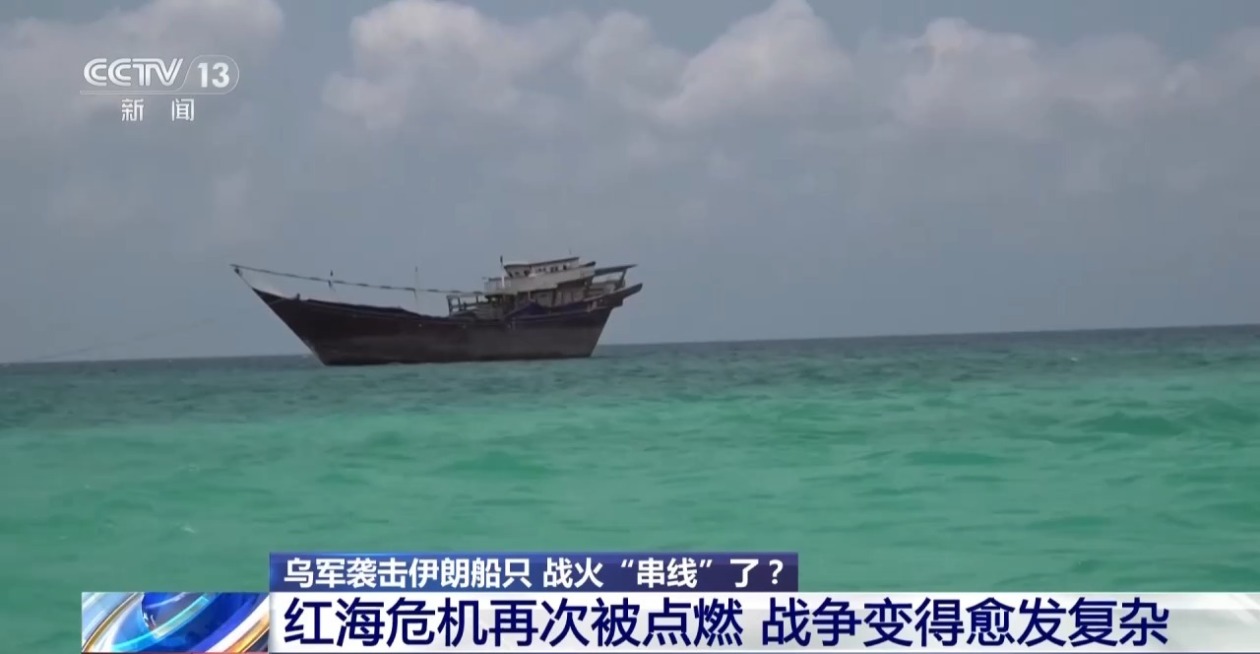
In the Middle East, after the Red Sea crisis was reignited, on July 30, Saudi Arabia announced the establishment of a multinational maritime defense alliance with 13 other countries to maintain freedom of navigation, international trade, and energy transport security in the Bab el-Mandeb Strait, the Red Sea, and the Gulf of Aden.
On July 29, Iran launched multiple ballistic missiles at the U.S. military base in Jordan. Although all missiles were intercepted, it still marked the opening of another front as conflicts in the Gulf region continue to erupt.

Alman Mahamoudian, researcher at the Global and National Security Institute of the University of South Florida: The nature of the current war, which erupted on February 28 between Iran, the U.S., and Israel, is fluid, contagious, and uncontrollable. As the events of the past few days and weeks have shown, this war will become increasingly complex, and the situation will repeatedly spiral out of control, beyond the control of the parties involved.
Ukrainian forces attacked an Iranian ship in the Caspian Sea on July 25, using long-range drones. The strike resulted in one Iranian crew member dead and another injured, with Ukraine claiming it targeted military cargo. President Zelensky confirmed the operation's success, while Iran condemned the attack as a violation of international law, escalating tensions between the two nations.
- Ukrainian forces attacked an Iranian ship in the Caspian Sea on July 25.
- The attack resulted in one Iranian crew member dead and another injured.
- Ukrainian President Zelensky confirmed the success of the operation against Iranian military cargo.
- Iran condemned the attack as a violation of the UN Charter.
- The incident escalates tensions between Ukraine and Iran.