
China’s 4-Aircraft Taiwan Patrol Shows the Median Line Is Gone
 Marcus Chen
China’s 4-Aircraft Taiwan Patrol Shows the Median Line Is Gone
Four PLA aircraft is not a surge. Three of them crossing the Taiwan Strait median line is the point. Taiwan’s Ministry of National Defense reported on May 24 that from 6 a.m. Saturday to 6 a.m. Sunday it detected four People’s Liberation Army aircraft and six PLA Navy ships around the island, with three aircraft crossing the median line and entering Taiwan’s southwestern and southeastern air defense identification zone.
That looks small beside the larger maritime movement Taiwan described a day earlier, when security officials said China had put more than 100 navy, coast guard, survey, and research vessels across waters running from the Yellow Sea to the South China Sea and the Western Pacific. It also looks small beside older Taiwan air-defense headlines built around 30, 40, or 70 sorties.
But sortie counting is becoming the wrong metric. Over the last three reporting windows, Taiwan logged 26 PLA aircraft around the island. Twenty-two crossed the median line or entered Taiwan’s ADIZ sectors. That is an 85 percent crossing rate, not a random training pattern. Beijing is not just showing mass. It is making the old centerline irrelevant by using small packages often enough that Taiwan has to treat the line as gone.
The Small Patrol Still Forces a Full Response
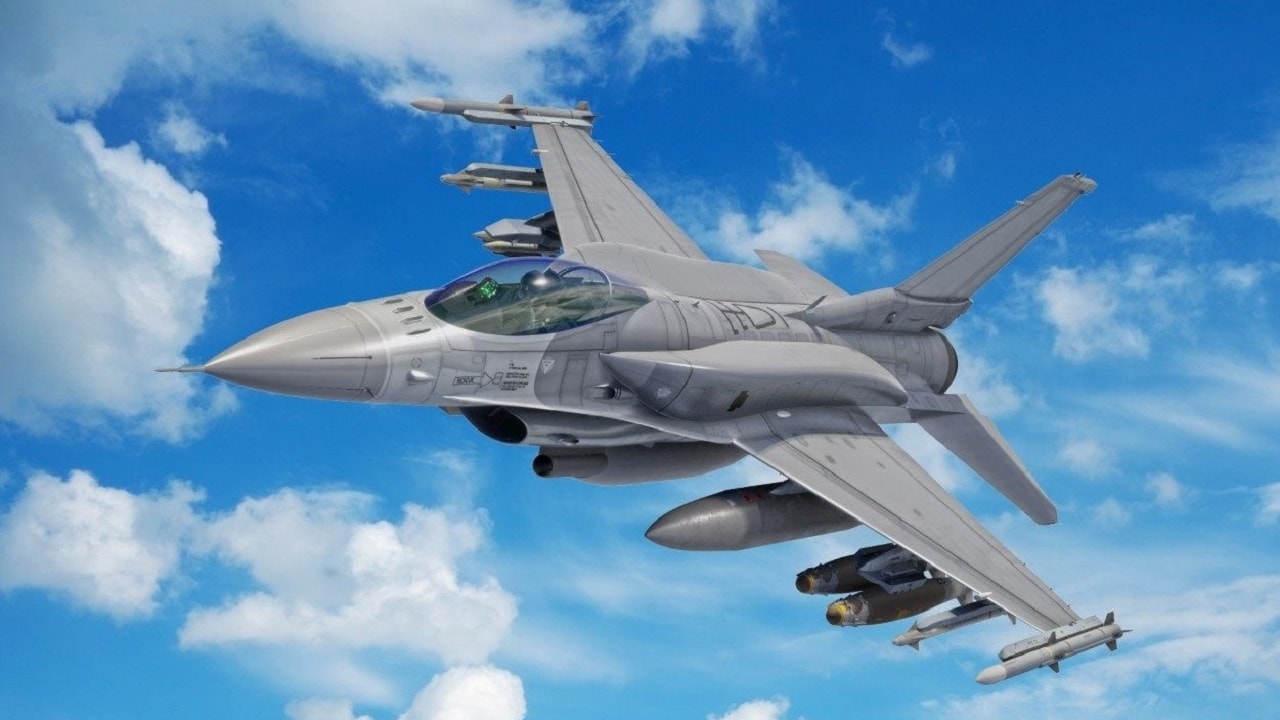
The MND’s daily language is routine, but the response it describes is not free. Taiwan said its forces monitored the May 24 activity and employed combat air patrol aircraft, navy ships, and coastal missile systems. That means aircraft cycles, watch-floor attention, radar time, missile battery readiness, and ship movement for a four-aircraft event.
Anyone who has stood watch on a destroyer knows this kind of pressure is not measured only by whether weapons are fired. It is measured by how many consoles stay manned, how often the commanding officer is woken, how many aircraft are put into a higher readiness state, and how much maintenance is pushed into tomorrow. China can send a few aircraft and ships. Taiwan has to decide whether this is routine noise, a prelude, or part of a wider maritime picture.
That asymmetry is useful to Beijing. A J-10, J-16, KJ-500, or drone package does not need to be large to force Taiwan’s air force to sort tracks, classify intent, and preserve reaction time. The same logic applies at sea. Six PLAN ships may not be a blockade. Six ships around Taiwan while more than 100 Chinese vessels are scattered across regional waters is a different planning problem.
Three Days Show the Pattern Better Than One Day
The May 24 number matters because it followed two sharper days. On May 22, Taiwan reported six PLA aircraft and 10 PLAN ships; all six aircraft crossed the median line and entered Taiwan’s northern, southwestern, and eastern ADIZ sectors. On May 23, Taiwan reported 16 PLA aircraft and eight PLAN ships; 13 aircraft crossed the median line and entered northern, central, southwestern, and eastern sectors.
Put those reports together and the shape is clear. This is not simply “aircraft near Taiwan.” It is a pattern of repeated sector penetration with naval presence held in the background. The aircraft numbers move up and down. The political message does not. The median line is no longer a practical restraint on PLA planning.
For Taiwan, the tactical problem is coverage. The island’s fighter bases and missile units can handle four aircraft. They can handle 16. The hard part is sustaining readiness when China varies intensity and direction while keeping ships at sea. If Taiwan scrambles too aggressively, it burns airframe life and pilot hours. If it responds too lightly, it risks teaching Beijing that crossing patterns have become cost-free.
This is where the 100-vessel report matters. Taiwan’s security officials described Chinese navy, coast guard, survey, and research ships spread across several bodies of water. That does not mean those vessels are all in one operational formation. It does mean Chinese maritime activity is no longer confined to a narrow Taiwan Strait picture. Taiwan has to watch the strait, the Philippine Sea, the South China Sea, and routes toward Japan at the same time.
The Luzon Strait Is Now Part of the Taiwan Air Picture
The old Taiwan scenario often treated the island as a self-contained problem. That was always too neat. Northern Luzon is about 100 miles south of Taiwan. The Batanes island chain sits in the corridor a Chinese force would care about if it wanted to screen, interdict, or complicate U.S. and allied movement through the Luzon Strait.
That is why Exercise Balikatan 2026 matters to this week’s Taiwan reports even though the exercise ended earlier in May. USNI News reported that Balikatan brought together 17,000 troops, including 1,400 Japanese personnel, and that Adm. Samuel Paparo described it as a full multinational mission rehearsal for defense of the Philippines. The drills included high-end missile deployments, maritime strike, sea denial, and command-and-control integration across the northern Philippines.
From Beijing’s side of the chart, those are not separate stories. Taiwan air patrols, Chinese ships in the Western Pacific, U.S. Marines with anti-ship systems in Batanes, and Philippine ports shifted away from obvious South China Sea exposure all belong to the same geography. The first island chain is not a slogan. It is a set of runways, channels, ports, sensors, missile arcs, and political permissions.
That is why a four-aircraft day can still matter. A small patrol that crosses into southwestern and southeastern ADIZ sectors tests Taiwan’s reaction on both sides of the island’s southern approaches. It also keeps pressure near the arc that connects Taiwan to Luzon. Beijing does not need to announce a major drill every time it rehearses pieces of that geometry.
The U.S. Problem Is Endurance, Not Intent
Washington’s declaratory position still matters, but Marcus Chen’s rule is simple: count what can show up. A Taiwan contingency would not be decided by one press statement or one arms package. It would be shaped by how many submarines, bombers, tankers, destroyers, munitions, and forward repair options the United States and its partners could sustain west of Guam under pressure.
That is the uncomfortable part of China’s daily pressure campaign. It is cheap compared with the allied response architecture it forces into motion. Taiwan must keep fighters alert. Japan must watch its southwest approaches. The Philippines must think about Batanes, Luzon ports, and evacuation of nationals. The United States must decide how much of its scarce attention and inventory can remain in the Pacific while other theaters keep pulling ships, aircraft, and missiles away.
China’s May 24 patrol was not a rehearsal for invasion by itself. It was something more useful in peacetime: a calibration shot. Beijing can lower the sortie count while preserving the crossing behavior. It can mix naval and coast guard presence across a much wider map. It can make Taiwan and its partners pay attention every day without providing a single clean trigger for escalation.
The math is the warning. Over three days, 22 of 26 PLA aircraft crossed the median line or entered Taiwan’s ADIZ sectors. Add 24 reported PLAN ship detections across the same three reports and the picture is not quiet. It is controlled pressure. Taiwan can manage a four-aircraft day. The question is whether Taiwan, Japan, the Philippines, and the United States can absorb years of these days without letting readiness become the thing Beijing is wearing down.
Sources: Taiwan Ministry of National Defense reports for May 24, May 23, and May 22; The Straits Times; USNI News.
On May 24, four PLA aircraft and six naval ships were detected around Taiwan, with three aircraft crossing the median line into Taiwan's air defense identification zone. This follows a pattern of increased PLA activity, with 22 of 26 aircraft crossing the median line over three days. Taiwan's military responded by monitoring the situation and deploying combat air patrols and naval assets.
- Four PLA aircraft and six ships were detected around Taiwan.
- Three PLA aircraft crossed the median line into Taiwan's ADIZ.
- Taiwan's forces responded by monitoring and deploying combat air patrols and naval ships.
- Over three days, 22 of 26 PLA aircraft crossed the median line.
- Chinese maritime activity is no longer confined to the Taiwan Strait.