

Summary and Key Points: Three years ago, Britain read “glued bolts” and “nuclear submarine” in the same sentence. An inspection of HMS Vanguard, one of the Royal Navy’s four Trident submarines, found that Babcock repair crews had glued bolt heads back on after shearing them by overtightening. About seven of the boat’s 3,000 bolts were involved, securing insulation on cooling pipes, not the reactor, and the logbook recorded a procedural issue with no mention of glue. A former submarine commander called it a massive trust issue.
A Royal Navy Nuclear Missile Submarine Has a Glue Problem
No one ever wants to hear the words “glued bolts” and “nuclear submarine” in the same sentence, especially when it comes to an actual military in a time of spiraling global tensions.
Only 7 Bolts ‘Glued On’
Sadly, these phrases hit the headlines across Britain and the world three years ago, when an inspection of HMS Vanguard unveiled a slew of irregularities on the nuclear-armed craft.
Namely, one issue was that adhesive had been used to reattach the bolt heads. The Guardian said Babcock personnel made these repairs by shearing off the heads due to overtightening, rather than replacing them.
One naval source told The Independent that around seven of the 3,000 bolts were used this way, but stressed that none were linked to the submarine’s reactor control.
The bolts in question were reportedly used to secure insulation on the cooling pipes.
Still, this hardly stopped the press from exposing what seemed like a highly embarrassing oversight, and from having some commentators suggest that the powerful reactor might well have been cobbled together with glue.

Vanguard-Class Submarine Royal Navy
The Navy expressed fury over how the job had been undertaken and recorded, as the ship’s logbook noted it as a procedural issue with no reference to the broken hardware or the use of glue.
Story Prompted ‘Trust Issues’
Babcock claimed that the Navy was “disappointed” by the news of such shortcomings.
However, the engineering firm stressed that checks had identified the issue, while operations continued unaffected.
The MoD framed the issues as a flaw in dry-dock work that it had “promptly reported and fixed.”
Ex-submarine commander Ryan Ramsay was less diplomatic in his approach, blasting the revelation as the cause of “a massive trust issue.” He also said other such issues could be happening undetected.
Ben Wallace, then Conservative Party defense secretary, called the head of Babcock to ask what exactly had transpired.
For his part, Healey stressed Labor’s view, explaining: “When overhauls are behind schedule you risk safety and operations by cutting corners on repairs.”
HMS Vanguard Took 7 Years to Repair
HMS Vanguard is back at sea now, but this hardly means all of the issues surrounding it have vanished. The submarine is formidable but aging. New Dreadnoughts remain many years away from actually being delivered.
Since the height of the Cold War in 1969, the UK has kept up a continuous at-sea deterrent with these nuclear submarines.
As tensions soar with Russia, China and Iran, there is a very slim margin for error when it comes to all kinds of military maintenance, not least Britain’s nuclear deterrent.
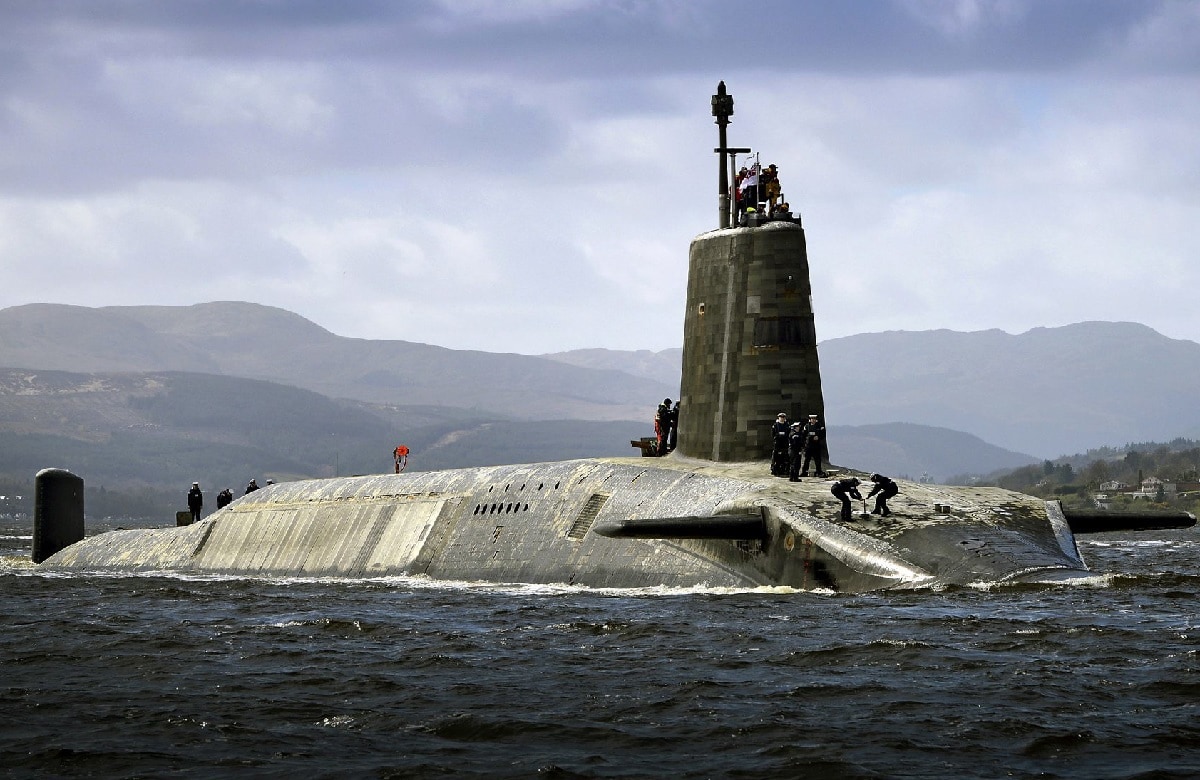
Vanguard-class. Image: Creative Class.
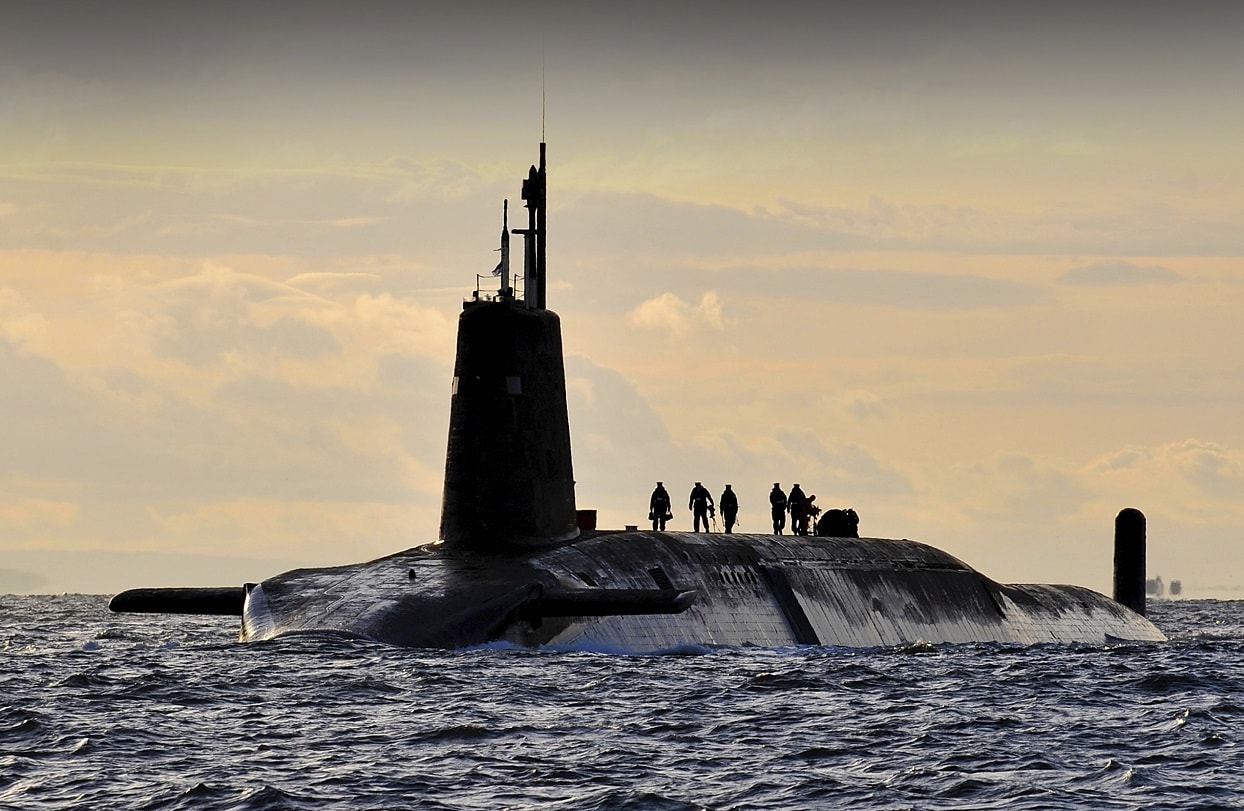
Nuclear submarine HMS Vanguard arrives back at HM Naval Base Clyde, Faslane, Scotland following a patrol.
Fixing these machines is pricey and lengthy, with recent repairs to HMS Vanguard taking a whopping seven years.
In March 2025, after being in dock since 2016, the sub subsequently underwent a 204-day patrol, one of the longest ever by this kind of British submarine.
Britain’s Budget Woes
John Healey resigned as the UK’s defense secretary back in June.
At the time, he published a letter to the Treasury complaining that the government was £13 billion adrift of what was required, and that it needed to “set a headmark date for 3% of GDP on defense in 2030.”
Healey now serves as chancellor under Labor’s new Prime Minister Andy Burnham, and is facing the same raft of issues his predecessor did.
In a September 7 speech, he referred to the record-high borrowing costs. Under Healey, the Treasury has already noted that the forthcoming October budget will not include any pledge on the 3 percent target.
Instead, this issue will instead be mulled over throughout next year’s spending review.
The strategy now seems geared towards keeping this figure on track to reach 2.7 percent by 2030, then 3.5 percent by 2035.
Healey is now also allegedly considering creating a British defense bank à la Canada.
This could allow London to attract contractors and offer the government cheaper financing.
Obviously, the story of the glued bolts is not as dramatic as the original headlines might have suggested, but it seems to demonstrate major declines in skills and oversight.
Healey has told ministers to ensure the deterrent is safe and within budget, but that does not mean he will get precisely what he wants.
About the Author: Georgia Gilholy
Georgia Gilholy is a journalist based in the United Kingdom who has been published in Newsweek, The Times of Israel, and the Spectator. Gilholy writes about international politics, culture, and education.