
Divine Eagle - 2026 China-Belarus Airborne Joint Training Moves to Hubei, Airborne Cooperation Enters China's Main Stage for the First Time
 Li Minghui
Shen Ying-2026 China-Belarus Airborne Joint Training Moves to Hubei, Airborne Cooperation Enters China's Home Turf for the First Time
[Beijing News] At the routine press conference of the Ministry of Defense on the afternoon of August 7, spokesperson Chen Xi read a message that lasted less than a minute: In mid to late August, the armed forces of China and Belarus will hold the "Shen Ying-2026" airborne joint training in Hubei, focusing on joint urban counter-terrorism operations, primarily practicing reconnaissance and counter-reconnaissance, seizing and defense, and clearing and holding, among other subjects. This is the fourth time the two sides have conducted this series of joint training.
The Belarusian Ministry of Defense subsequently provided a more precise timeframe: from August 11 to 24. This means that the joint training is currently underway. A noteworthy discrepancy is that the Chinese side only vaguely stated "mid to late August," while the Belarusian side proactively disclosed the start and end dates—indicating that Minsk has a stronger public willingness regarding this joint training than Beijing.
An Easily Overlooked Detail: The Venue Has Shifted from Brest to Hubei
Tracing the trajectory of the China-Belarus joint training is quite interesting. The two militaries first held joint training in July 2011, followed by the "Shen Ying" series of joint counter-terrorism training in 2012 and 2015, and in 2018, the "Xiong Ying Tu Ji-2018" special forces joint training. In July 2024, "Xiong Ying Tu Ji-2024" was held in the Brest region of Belarus, about 5 kilometers from the Polish border—this was the first China-Belarus joint training after Belarus officially joined the Shanghai Cooperation Organization, and Western media outlets like CNN and DW all used the headline "Miles from NATO's Border" at that time.
This time, the venue has moved to Hubei. Hubei is the garrison location of the Chinese Airborne Corps (formerly the 15th Airborne Army), where the core parachuting bases and training grounds of the airborne troops are concentrated around Xiaogan and Guangshui. Inviting the Belarusian airborne troops to practice in the "home ground" of the Chinese airborne troops is itself more informative than the exercise subjects: the mechanism of rotating hosts and equal exchanges has already taken shape.
Why Airborne Troops, Why Urban Counter-Terrorism
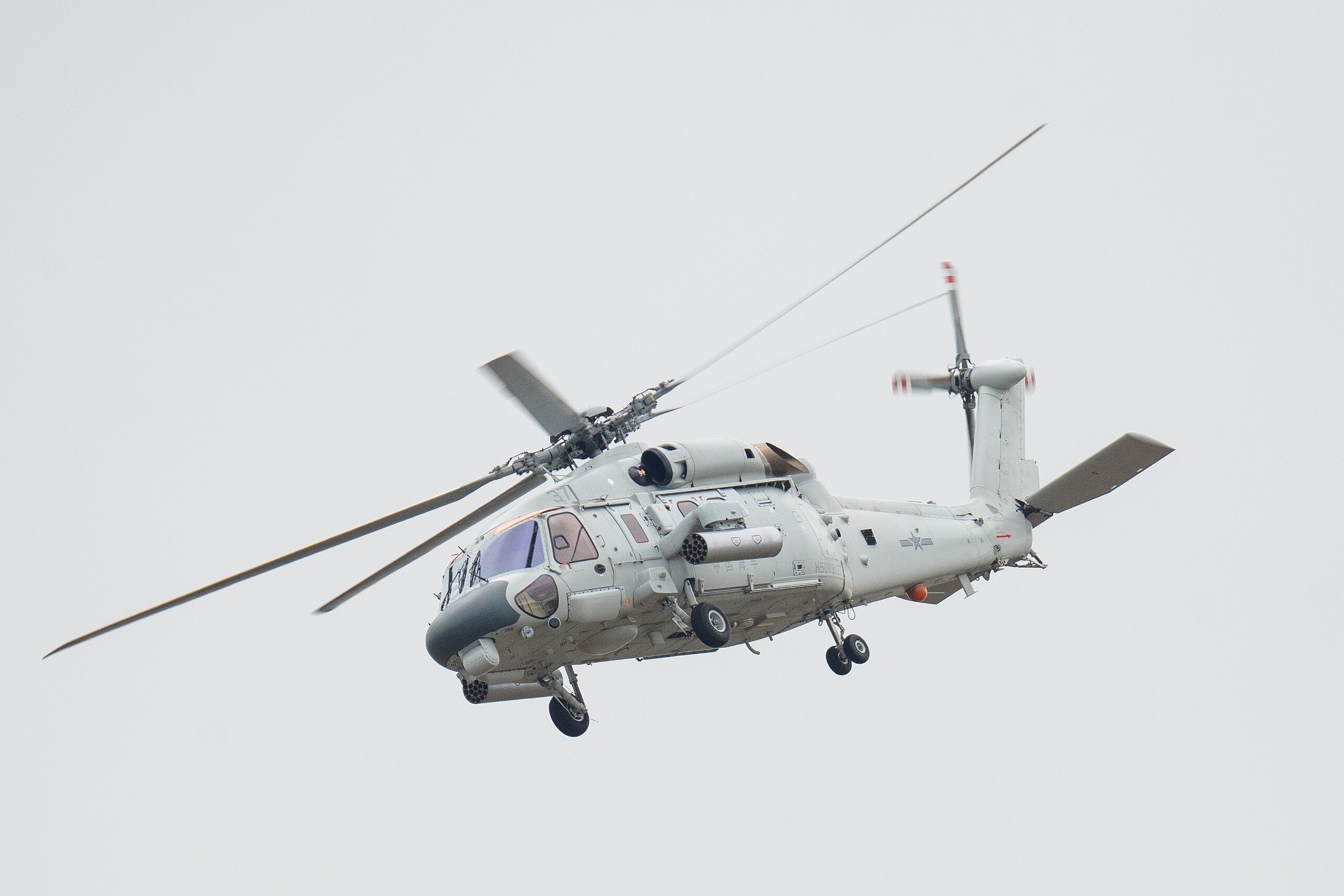
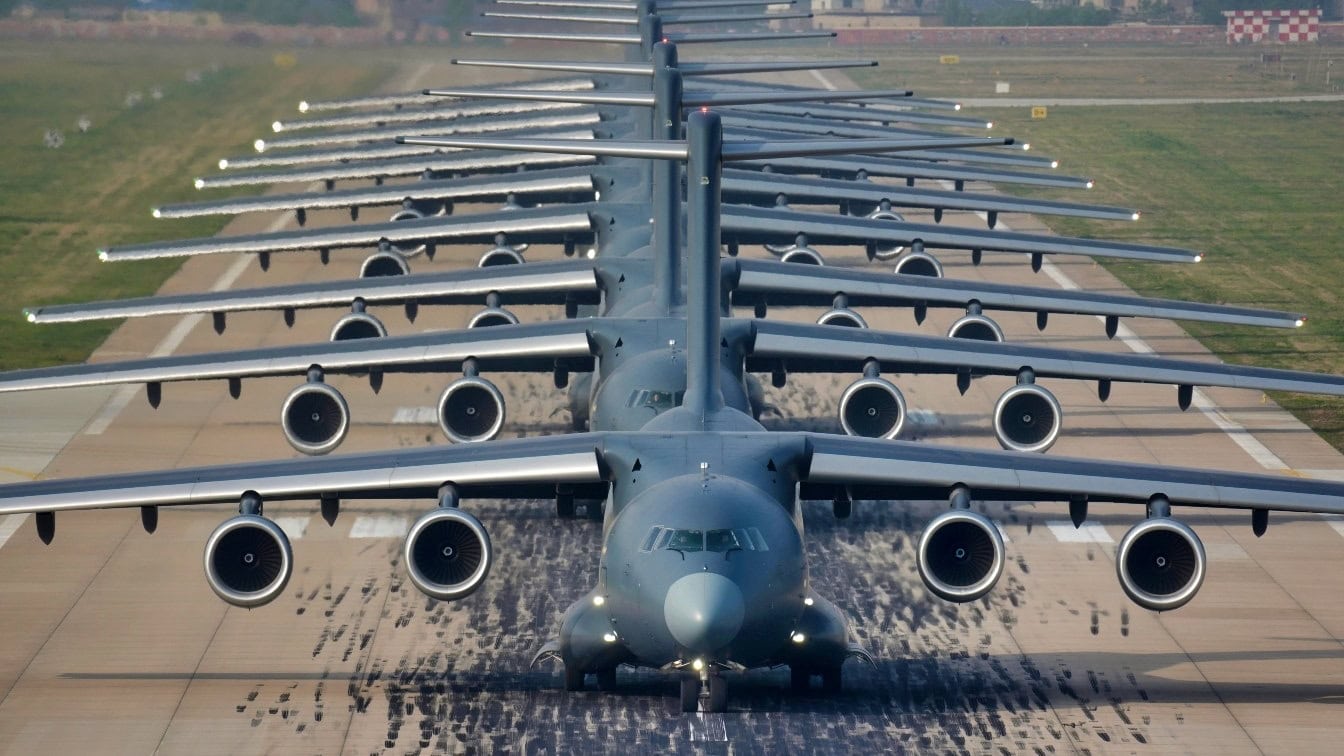
Airborne troops play a "strategic rapid response" role in both countries' military hierarchies, but the value is entirely different. The Belarusian 103rd Airborne Brigade is an old-school unit from the Soviet era, with a structure, equipment, and tactics heavily influenced by Soviet designs. The equipment iteration of the Chinese Airborne Corps in recent years has taken a different path:
- The Y-20 strategic transport aircraft fleet continues to expand, making long-range unit delivery possible.
- The Z-20K assault transport helicopter has been inducted, filling gaps in aerial assault capabilities.
- The Type 03 airborne armored vehicle and "Mountain Cat" all-terrain vehicle have resolved heavy equipment airdrop issues.
The choice of the joint training subject "Joint Urban Counter-Terrorism" is also quite clever: it aligns with the "counter-terrorism" cooperation framework recognized by both countries while avoiding the sensitive term "joint operations." In simple terms, urban offense and defense training has value for any modern military, but it does not lead outsiders to interpret it as the two countries rehearsing a joint campaign aimed at a specific direction.
A Point of Skepticism from the Author
It is necessary to pour a bucket of cold water on this: the military depth of such joint training has always been limited. The equipment systems of the Chinese and Belarusian militaries are different—Belarus uses Russian equipment, while China has its own research and development system, making communication, command, and data links difficult to integrate. "Mixed training" remains largely at the level of tactical action exchanges, and there is still a long way to go before true joint operations can be achieved. The scale of the 2024 Brest joint training was below battalion level, and this time the public information also did not disclose the participating troop strength, indicating that both sides are deliberately keeping a low profile. The official statement counts the "Shen Ying" series separately (this being the fourth time) from the "Xiong Ying Tu Ji" series, which also confirms that this is a low-intensity, predictable, step-by-step mechanized exchange rather than a new breakthrough.
The Real Signal Is Not in the Subjects
So what is the value of this joint training? The author believes that the signal significance outweighs the military significance. First, against the backdrop of the ongoing Russia-Ukraine war and heightened tensions on NATO's eastern flank, China is one of the few major countries that still maintains normalized military exchanges with Belarus, which itself serves as a political endorsement for Minsk; second, the rotating venue system has taken shape—2024 in Brest for NATO to see, 2026 in Hubei for itself; third, regarding security cooperation under the Shanghai Cooperation Organization framework, the China-Belarus airborne joint training is adding new content to the old topic of "SCO Counter-Terrorism."
Ministry of Defense spokesperson Chen Xi stated: "This joint training will help further enhance the actual combat capabilities of the participating troops and deepen practical cooperation between the two militaries."
A question worth pursuing is: The Y-20's long-range delivery capability is already in place; when will the Chinese airborne troops, like in the China-Russia joint training, deploy troops and equipment in an organized manner to Belarus? If that day comes, the term "counter-terrorism joint training" may no longer encompass the actual content.
Chinese and Belarusian airborne forces are conducting the 'God Eagle-2026' joint training exercise in Hubei from August 11 to 24, 2026. This marks the fourth iteration of such exercises, focusing on urban counter-terrorism operations. The shift of the training venue from Brest to Hubei indicates a developing mechanism for mutual hosting of military exercises between the two nations.
- The joint training exercise 'God Eagle-2026' is taking place in Hubei, China.
- The exercise is scheduled from August 11 to 24, 2026.
- This is the fourth joint training exercise between China and Belarus.
- The focus of the exercise includes urban counter-terrorism operations.
- The training location has shifted from Brest, Belarus to Hubei, China.