
Draft ceasefire between Iran and the United States keeps the opening of Hormuz contingent on lifting the blockade

Draft Ceasefire Between Iran and the United States Keeps the Opening of Hormuz Conditional on Lifting the Blockade
On October 21, while news of a "preliminary peace agreement" was circulating in some media, Tehran stated that indirect talks with Washington regarding a proposal for a ceasefire were still ongoing. This distinction is not merely linguistic: there is, as of the time of publication, no signed document or simultaneous announcement from either government confirming the establishment of a binding agreement or the reopening of the Strait of Hormuz to commercial navigation.
The Status of the Agreement is a Negotiable Draft, Not a Binding Agreement
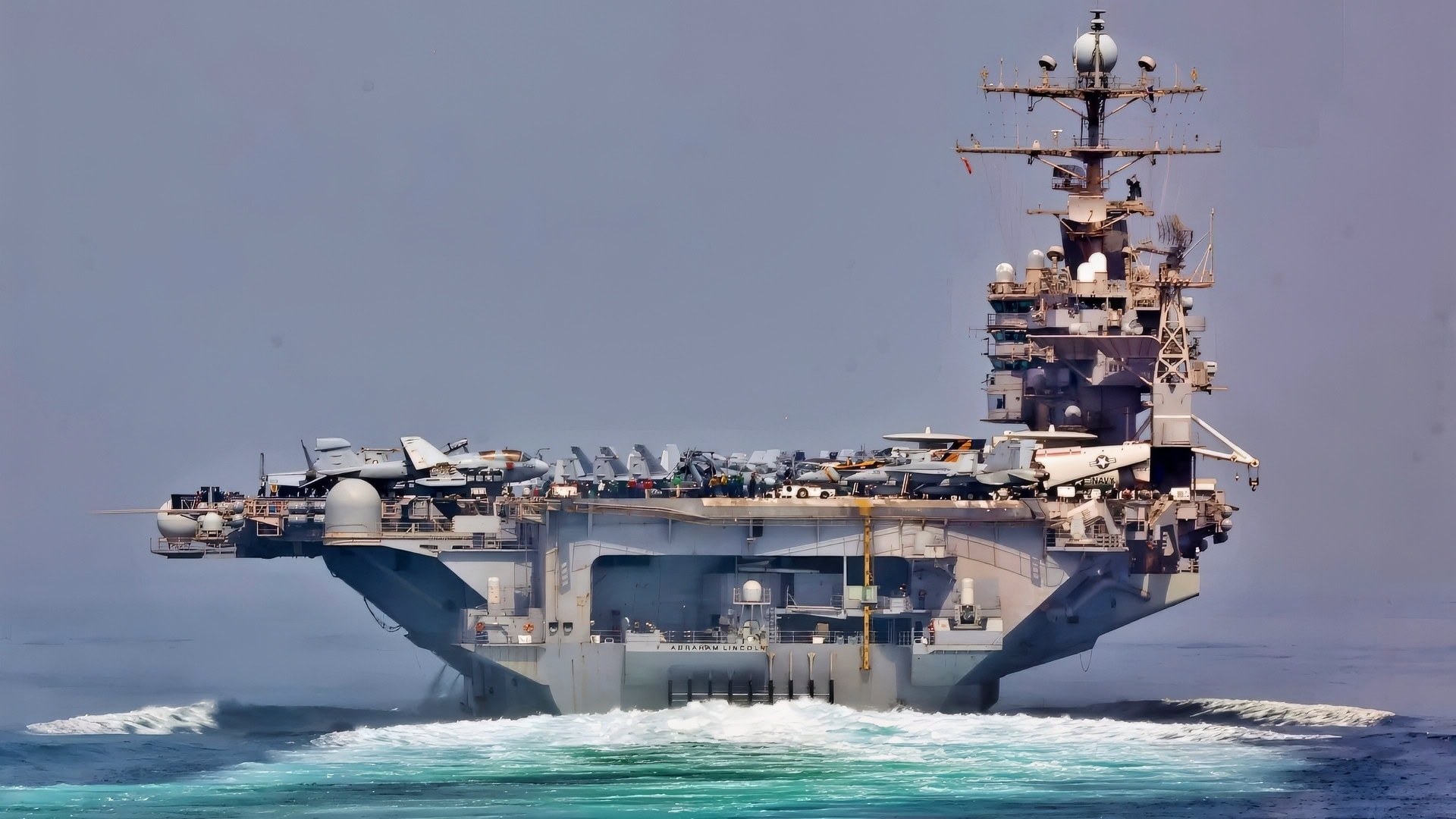
DW reported on October 21 a description of the "preliminary" agreement, and circulating reports discussed a draft that could end the maritime blockade and restore shipping through Hormuz. However, CBS News updated at 20:15 GMT conveyed a more cautious Iranian position: indirect negotiations on the ceasefire proposal are ongoing. IRNA reported earlier that day that the United States accepted the Iranian proposal for seven days but requested additional conditions.
Therefore, the more accurate description is a draft or framework under negotiation with potential preliminary understandings, not a "declared and signed agreement." Neither Tehran nor Washington has published a complete text, and no statement appeared on the White House or U.S. State Department pages on October 21 confirming the signing of a ceasefire or specifying a timeline for lifting the blockade. CENTCOM also did not publish a public operational order changing the status of the maritime ban.
Hormuz is the Executive Counterpart to a Secondary Clause
Tehran, according to Reuters on October 18 and reports on October 21, states that the opening of the strait is linked to Washington's acceptance of the proposal and the demonstration of peaceful intent by lifting the maritime blockade first. This explains its rigidity in the wording: Iran does not offer safe passage as a political gift; rather, it is presented as an executive effect of a verifiable American concession. Conversely, discussing the opening of the corridor does not mean that ships will move immediately. This requires clear navigational notice, measures to remove the threat of mines, announced rules of engagement, and adjustments by insurance companies to assess risks.
Practically, no political statement will return tankers to the corridor if their crews continue to receive security warnings or if the threat of mines and attacks remains. The UKMTO site issued a new warning on October 21, but its details were not available for independent verification due to access issues; thus, it should not be presented as evidence that navigation has returned to normal.
The Remaining Knot is the Blockade and Uranium
Coinciding with discussions about Hormuz, reports indicated that Iran rejected transferring enriched uranium to a third country. Al Jazeera's coverage on October 21 also focused on the return of the enriched uranium file to the core of the discussions. There is currently no published formula defining the fate of the stockpile or the role of the International Atomic Energy Agency or the scope of verification of nuclear facilities. Therefore, any claim that "verification of facilities" has been agreed upon is pending confirmation, not a proven fact.
This point is the dividing line between a limited maritime truce and a broader settlement. Washington seeks verifiable guarantees; Tehran does not want the ceasefire to become a mechanism for extracting its nuclear assets or diminishing its sovereign decision-making. An agreement may facilitate the mitigation of immediate risks in Hormuz much more than resolving this issue, but the separation between them is politically and militarily fragile.
Sirik Explosions Do Not Confirm an Attack
In the evening, Anadolu, Arab News, and other outlets reported from Iranian state media that several explosions were heard near Sirik in southern Iran, close to the Hormuz area. So far, there has been no independent confirmation to determine whether they were caused by an attack, air defense activity, training, or an accident. Therefore, their nature remains pending confirmation. Including them in a narrative of "ceasefire violation" would be erroneous, as there is no binding ceasefire established.
What This Means for Markets and Shipping
Gulf markets recorded an impact from diplomatic stagnation on October 21, according to Reuters, while oil remained sensitive to any signals regarding Hormuz. However, the market does not need a new war to be concerned: the mere absence of a clear definition of the blockade, the lack of an inspection mechanism, and the absence of a timeline for opening the corridor are sufficient. Rising insurance costs and rerouting ships do not decrease simply because negotiators have approached a draft; they decrease when actual ships safely transit over days with reliable navigational information.
In my estimation, Tehran wanted to turn control over navigation risks into a bargaining chip, while Washington wanted to turn the lifting of the blockade into a reward after verification. This equation collides in the chronological arrangement: each party demands the other to take the first step. Therefore, the real signal to monitor is not the title of "preliminary peace," but a joint statement specifying who does what and when, followed by a visible change in maritime instructions and the behavior of shipping companies.
Israeli Margin Before Elections
The Financial Times reported that Benjamin Netanyahu had considered resuming strikes on Iran this month before being stopped by the U.S. president, while Ynet stated that dozens of Israeli aircraft trained near the Iranian border; the Israeli military denied, according to the Jerusalem Post, that there was a plan for a strike before the elections on October 27. These are conflicting narratives and have not been independently verified, so they should not be treated as facts. However, they remind us that any U.S.-Iranian draft will also be tested under the pressure of internal Israeli calculations.
Sources and Verification
- IRNA English, October 21, 2026: Statement on the seven-day proposal and additional U.S. conditions.
- CBS News, October 21, 2026, 20:15 GMT: Ongoing indirect talks regarding the ceasefire proposal.
- Reuters, October 18 and 21, 2026: Proposal to open Hormuz and the impact of diplomatic stagnation on markets.
- Al Jazeera, October 21, 2026: Return of enriched uranium as a point of contention.
- CENTCOM, the White House, and the U.S. State Department: Review of official pages on October 21; no public confirmation of a signed agreement or reopening of the strait.
- UKMTO: Warning issued on October 21; details pending confirmation due to lack of independent access to the site.
- Anadolu and Arab News, October 21, 2026: Reports of explosions near Sirik, with their nature pending confirmation.
Iran and the U.S. are engaged in ongoing indirect negotiations for a ceasefire proposal as of October 21, 2026. Iran has stated that reopening the Strait of Hormuz is contingent upon lifting the maritime blockade. No formal agreement has been reached, and reports of explosions near Sirik remain unverified. The discussions also involve issues related to enriched uranium and maritime security.
- Iran and the U.S. are engaged in indirect negotiations for a ceasefire proposal.
- No signed agreement or official announcement confirming the ceasefire has been made by either government.
- Iran insists that reopening the Strait of Hormuz is contingent upon lifting the maritime blockade.
- Reports of explosions near Sirik in Iran are unverified and do not confirm an attack.
- The situation remains fluid with ongoing discussions about enriched uranium and maritime security.