
EU releases 6.6 billion euros for Ukraine and demonstrates Europe's unity on costs in 2026
 Dr. Klaus Weber
EU releases 6.6 billion euros for Ukraine and shows Europe's unity on costs for 2026
A release after more than two years
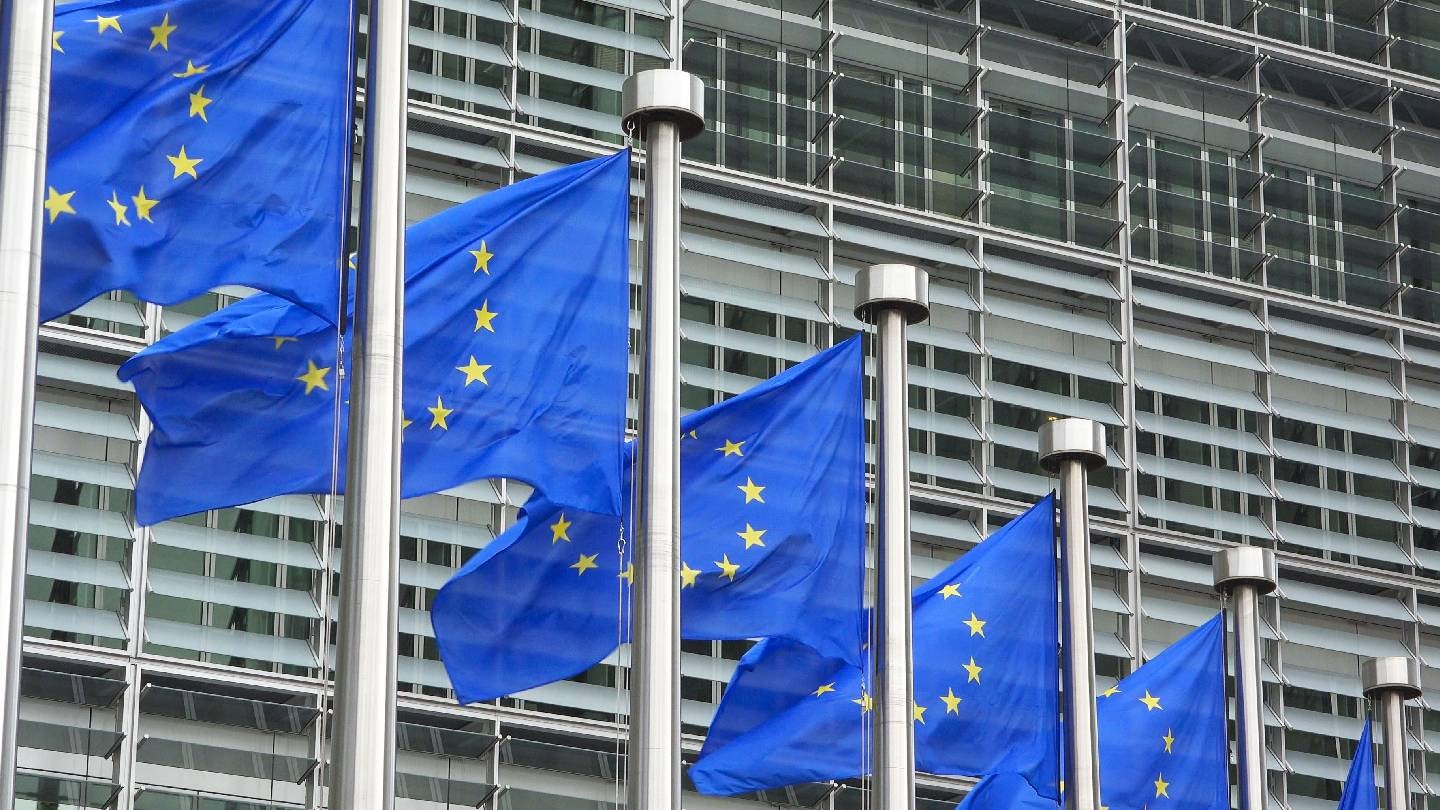
66 billion euros are not a footnote in European defense debates. On September 25, 2026, EU member states agreed to release funds from the European Peace Facility (EPF) that had been blocked for more than two years for military support to Ukraine. Reuters, Euractiv, and Euronews reported unanimously on the political agreement. The immediate reason is the lifting of the Hungarian blockade. However, the strategic point lies elsewhere: Europe has not proven that it can act quickly, but rather that it cannot effectively replace political unanimity even with instruments that have already been decided.
What the 6.6 billion euros actually mean
The EPF is not a classic EU budget and not a central arms procurement fund. It serves, among other things, to reimburse member states for military supplies and joint support measures. Therefore, the new package does not mean that Kyiv will receive weapons worth 6.6 billion euros on Monday. It initially creates the legal and financial basis to settle outstanding reimbursements and related support commitments.
This distinction is crucial. A reimbursement can relieve national budgets and politically facilitate new deliveries; however, it does not replace production capacity, air defense batteries, or ammunition deliveries. In the European debate, bookings are still too often treated as capabilities. This is the old mistake in a new guise.
Hungary's veto was not a technical problem
Budapest held up the release for over two years. That an agreement has now been reached shows how much the functionality of the common foreign and security policy depends on national government changes and tactical interests. The EU has money, procedures, and a common threat analysis. What it lacks is a robust decision-making rule for the case where a single member state blocks military support for an attacked partner.
The political message to Russia is nonetheless clear. The Union can overcome a blockade if the pressure is great enough. But therein lies the weakness: deterrence should not depend on whether the domestic political constellation in Budapest, Bratislava, or another capital is currently favorable. An alliance whose funding mechanism only restarts after 24 months sends no strategic determination, but rather institutional delay.
More money is not yet European defense capability
For Ukraine, the release is important because it stabilizes the European support framework and returns part of the financial burden to the member states. For Europe, however, it is only a strategic advance if the reimbursement becomes planable procurement. This requires more than the EPF: multi-year ammunition contracts, joint orders, transparent delivery schedules, and a political guarantee that national contributions will not be renegotiated with every change of government.
The transatlantic dimension must not be underestimated either. Europe's new funding instruments are often described as a step towards strategic autonomy. In practice, however, they still frequently purchase American or U.S.-dependent systems, while European factories can only deliver years later. The EPF can increase the European share of support; however, it does not resolve the dependency on Patriot and other critical capabilities nor the problem of fragmented European procurement.
The real lesson from the 6.6 billion package
The EU resolved a blockade on September 25. This deserves recognition, but not complacency. The process proves that European solidarity is politically possible. It does not prove that it has become institutionally reliable. As long as a single veto can freeze already promised military reimbursements for years, Europe's support for Ukraine remains a coalition of political opportunities.
Europe has released the bill, but has not yet created the ability to pay it permanently.
This is the sober finding for 2026: 6.6 billion euros can close a funding gap. However, they cannot finance political decision-making capability. More money remains necessary; without a reform of the decision-making and procurement logic, it will still only be money.
Sources
- Reuters, September 25, 2026, “EU agrees to release €6.6 billion linked to Ukraine military aid.”
- Euractiv, September 25, 2026, “EU countries agree to unblock €6.6bn in EPF funds for Ukraine.”
- Euronews, September 25, 2026, “EU countries agree to release long-stalled €6.6bn in Ukraine aid.”
The European Union released €6.6 billion for military support to Ukraine on September 25, 2026, after resolving a two-year blockade. This funding, part of the European Peace Facility, aims to stabilize support for Ukraine but does not directly supply weapons. The resolution highlights the EU's political unity despite previous obstacles, particularly Hungary's veto.
- The EU agreed to release €6.6 billion for military support to Ukraine after a two-year blockade.
- The funds are part of the European Peace Facility (EPF) and are not direct military supplies.
- The release of funds is seen as a political signal of unity among EU member states.
- Hungary's veto previously blocked the release of these funds for over two years.
- The report emphasizes the need for reforms in decision-making and procurement processes for effective military support.