
"Exercise Ends, But 'Typhoon' Doesn't Leave? Why Is Russia Pressuring Japan at This Time?"
The joint military exercise "Orient Shield 26" between Japan, the United States, and Australia, which has lasted for more than half a month, will conclude on September 24. At the closing stage of the exercise, the Russian Ministry of Foreign Affairs publicly urged Japan to remove the U.S. medium-range missile system from its territory. The timing of Russia's pressure at this concluding point has drawn attention.
The first phase of the "Orient Shield 26" joint military exercise was conducted from September 8 to 16, during which Japan, the U.S., and Australia carried out command post drills, ammunition transportation, and joint airborne operations. The second phase, from September 17 to 24, involved joint combat, live-fire exercises, air defense, logistics and medical support, as well as nuclear and biochemical protection training.
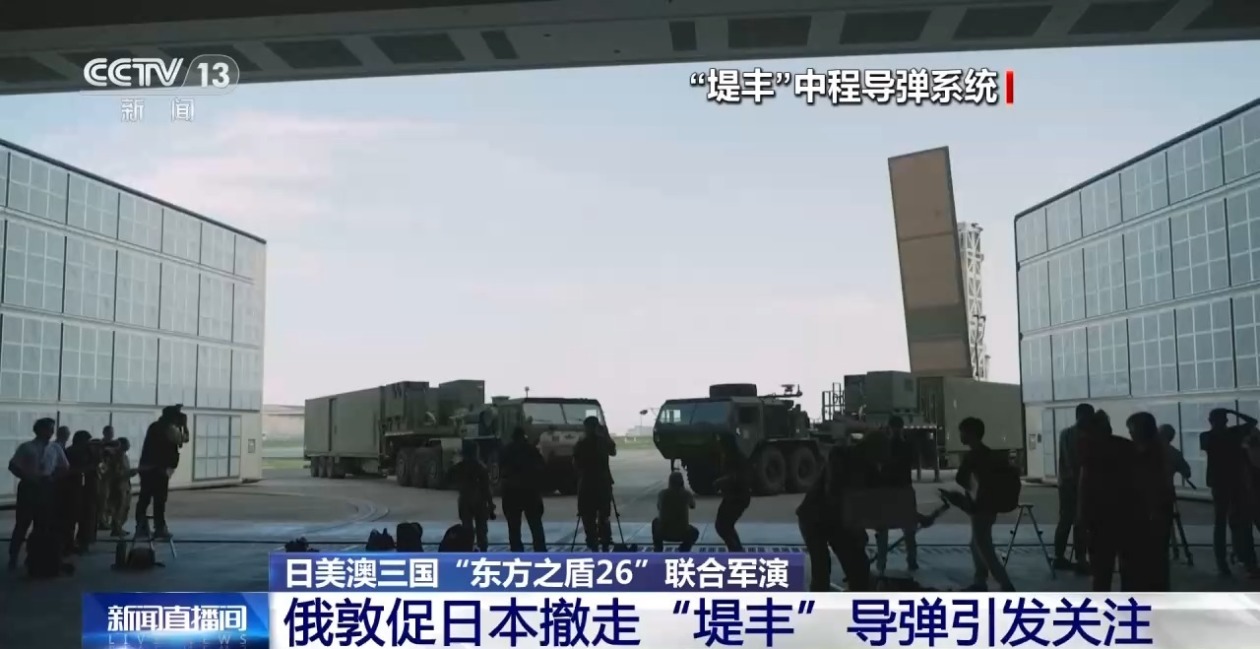
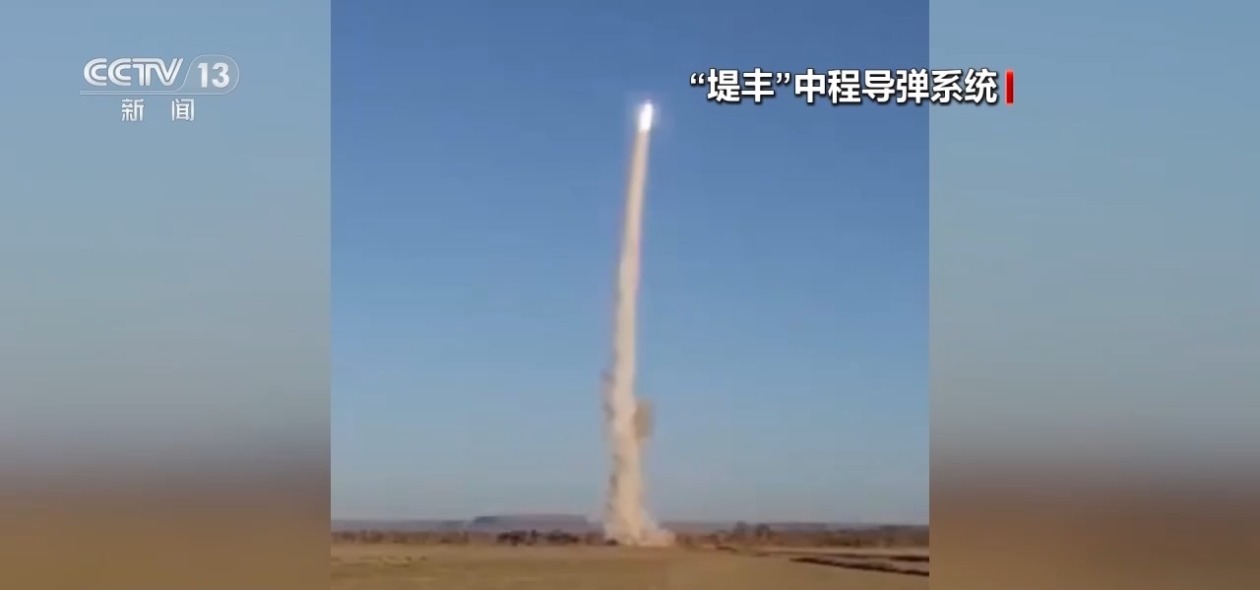
In the "Orient Shield 26" joint military exercise, the U.S. "Typhon" medium-range missile system participated for the first time. This system is capable of launching Tomahawk cruise missiles and had previously been stationed at Japan's Kanoya base under the guise of "temporary deployment." The Japanese side has made it clear that after the exercise concludes, the "Typhon" system will not be withdrawn from Japan but will be transferred to U.S. military bases in Japan for long-term retention.
Military commentator Du Wenlong: Russia's request for Japan to remove the "Typhon" system at this time is based on two reasons:
First, Japan has repeatedly failed to change its ways. The "Typhon" system has entered Japanese territory three times and is relatively close to Russia. If launched from land, it would significantly impact Russia's air and naval bases in the Far East. Japan has repeatedly claimed that it would withdraw after the exercise, so issuing a warning at this time aligns with the current timing requirements.
Second, it serves as a serious warning. If Japan continues to claim it will withdraw after the exercise but then retains its presence in other ways, Russia has reason to question this.
Therefore, the volume of this warning is noticeably higher than in the past, indicating that Russia is very vigilant about Japan's expansion of long-range strike capabilities.
Expert: Northeast Asia may face a medium-range missile arms race
Whether the "Typhon" system stays or goes, the Japanese side has responded with vague statements about "transferring to bases for retention," and has not provided a clear withdrawal timeline, raising concerns about the risks of permanent equipment presence.
Military commentator Du Wenlong: Through the temporary and permanent stationing of the "Typhon," Japan is forming combat capabilities that pose a continuous land threat to neighboring countries and regions. As a typical offensive weapon system, the "Typhon" will have a serious impact on the security situation in the entire region once it enters Northeast Asia. With advanced long-range rapid strike capabilities, if this capability grows quickly and becomes operational, the offensive and defensive situation in the entire region will be severely unbalanced, prompting other countries to develop similar weapon systems to counterbalance. If other countries deploy similar weapon systems, a medium-range missile race in Northeast Asia is about to begin.
Russia urged Japan to withdraw the U.S. Tienfeng missile system following the conclusion of the 'Orient Shield 26' joint military exercise on September 24, 2023. Japan confirmed that the Tienfeng system will remain in the country, raising concerns about regional security and a potential arms race in Northeast Asia. The Tienfeng system, capable of launching Tomahawk cruise missiles, has been a point of contention between Russia and Japan.
- The U.S. Tienfeng missile system participated in the 'Orient Shield 26' joint military exercise.
- Russia urged Japan to remove the Tienfeng missile system after the exercise.
- Japan stated that the Tienfeng system will remain in Japan after the exercise ends.
- The Tienfeng system can launch Tomahawk cruise missiles and poses a threat to Russia.
- There are concerns about a potential arms race in Northeast Asia due to Japan's military capabilities.