
FIA 2026 – The new government’s DIP into the UK defence budget
The long-awaited Defence Investment Plan (DIP) published at the end of June this year was supposed to implement the recommendations of the UK Government’s 2025 Strategic Defence Review’s vision for UK defence, but three weeks later all that changed. The UK had a new Prime Minister and a new Defence Minister, whose predecessor, John Healey, had resigned over what he saw as the lack of funding for a sustainable DIP. Healy is now the holder of the UK’s purse as the Chancellor of the Exchequer who will oversee Britain’s defence budget
 click on image to enlarge
This was seen by many heads of Britain’s defence industries as a positive step, and they were also impressed by the opening address by the new defence minister, Les Streeting, on the second day of the Farnborough Airshow.He said it was his job “to maximise our deterrence, and ensure that should deterrence fail, we have the capability to fight and to win. That means investment.”
He said that President Trump had called on Europe to carry a greater share of the burden for its own defence, and he was right to do so. “That’s why we’ve committed £ 298 billion over the next four years, including an additional £ 15 billion on top of last year’s Spending Review settlement. At the recent NATO summit, all members reaffirmed our commitment to 3.5% by 2035. I am acutely conscious of the impact these numbers have on your investment decisions, and I am committed to providing you with clarity and confidence. For now, I’m pleased to say that in the 10 days after the publication of the DIP, we agreed more than £ 11.8 billion worth of contracts. Defence is up and flying again’.
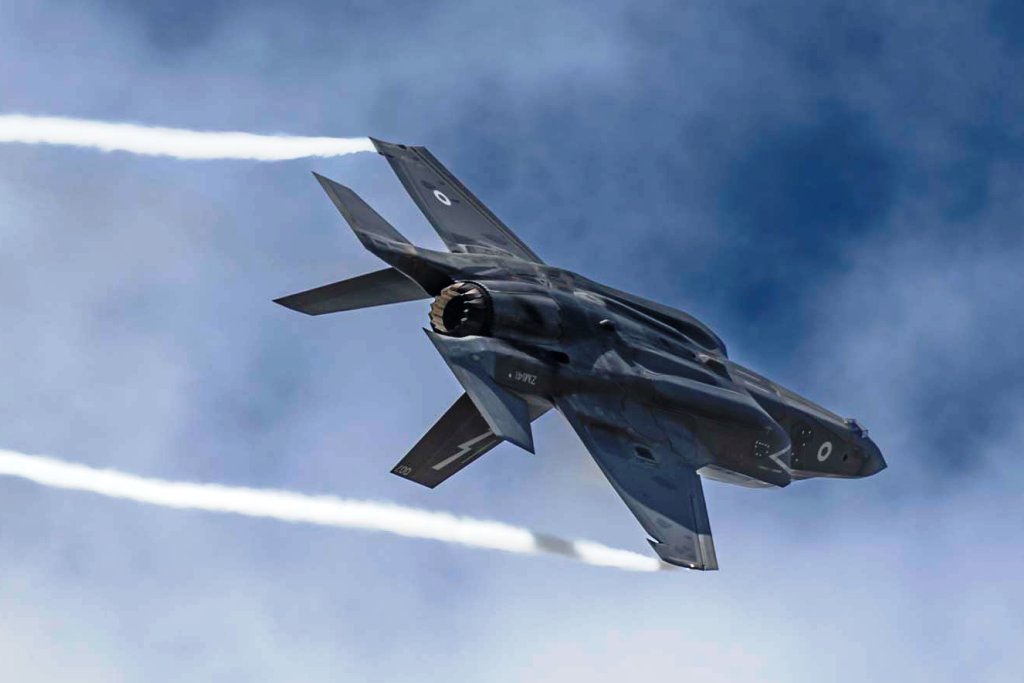
This included the announcement of the UK’s new Collaborative Combat Air (CCA) programme, StormFighter and the integration with crewed platforms like the Typhoon, which will make the Royal Air Force (RAF) Europe’s first sixth-generation air force.
 click on image to enlarge
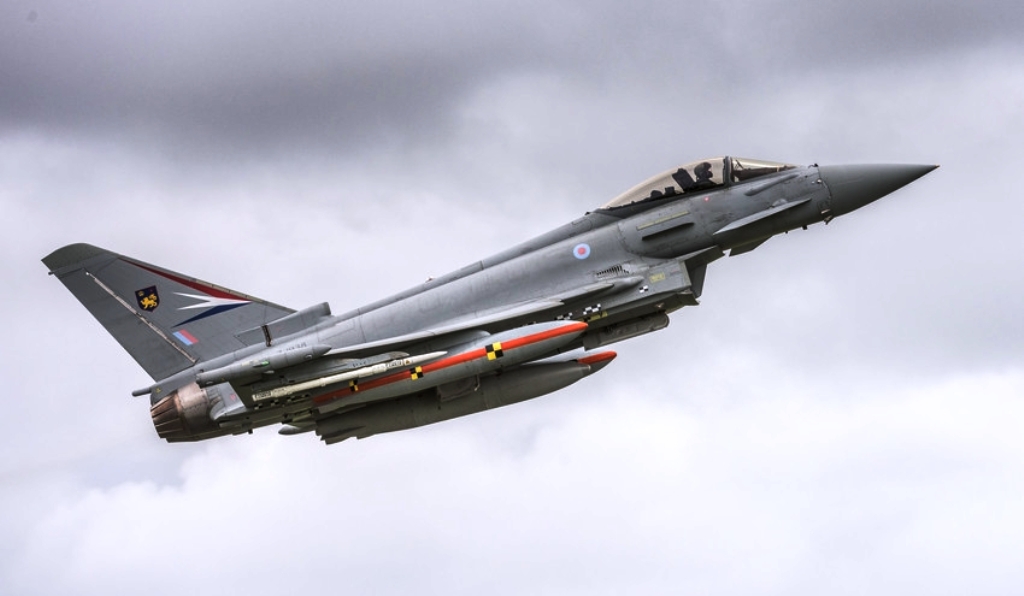
The RAF and the aerospace sector were big winners from the DIP being strengthened by a £ 31 billion pound investment into air and space over the next four years to upgrade and sustain the RAF Typhoon fleet well into the 2040s. It will also lay the ground for acquiring the first F-35As, which will be compatible with NATO’s nuclear mission, although the numbers and delivery dates have yet to be confirmed, and it will also propel the design and test phase of GCAP with a more than £ 8 billion investment over the next four years to progress the programme alongside allies Japan and Italy. Another £ 860 million is being set aside to the replace the RAF’s Hawk trainers but no timeline has been set for this. However, the early retirement of Shadow R1 ISR aircraft with no replacement in sight, will result in a serous capability gap in the future for the RAF.
 click on image to enlarge
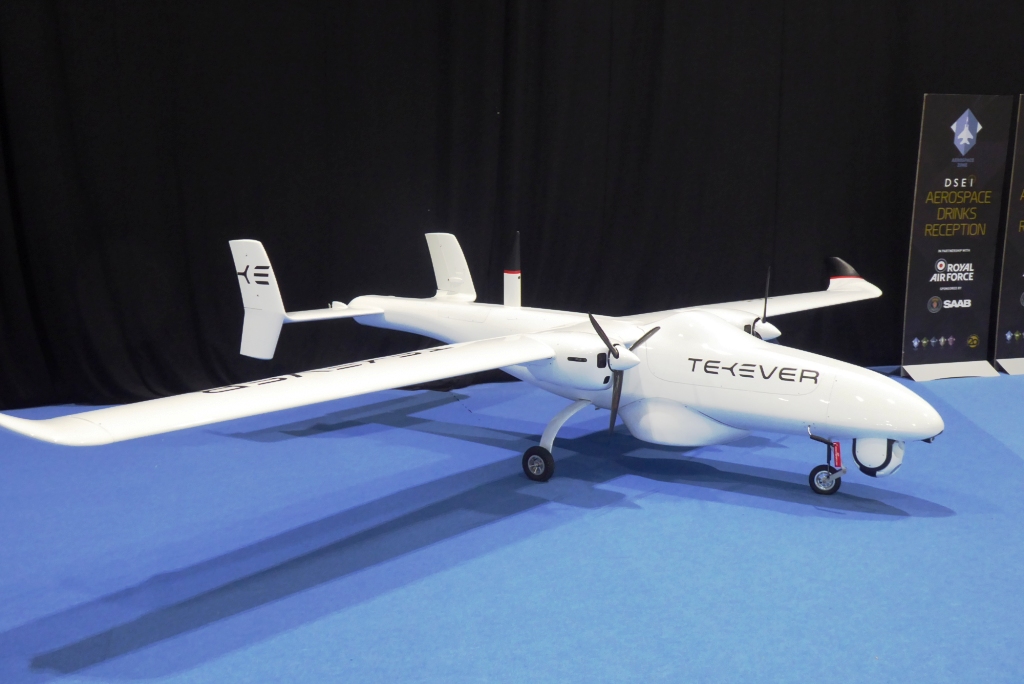
There will also be considerable investments for the British Army to “transform it into to a fifth-generation modernised force designed for NATO warfighting.” These include £ 370 million for Project Asgard to develop existing capabilities, such as armoured vehicles, with drones and other new technology, £ 220 million in Project Nyx to build advanced armed autonomous drones to operate alongside Apache attack helicopters, and over £ 500 million in the Light Mobility Vehicle (LMV) and Heavy Protected Mobility projects, to provide a successor to the Land Rover. Along with current programmes for the acquisition of Boxer armoured vehicles and upgrades of Challenger main battle tanks, a staggering amount £ 1.1 billion is being allocated to make the troubled Ajax armoured vehicle fit for purpose. Another of the Army’s not fit for purpose platforms is the Watchkeeper tactical UAV, which at last is being replaced by the Tekever AR5, a Portuguese fixed-wing UAV to be built in the UK.
 click on image to enlarge
Of the Army’s other aviation assets, there will be early retirement of Wildcat Battlefield Reconnaissance helicopters from 2027, with no replacement, and the oldest Chinook helicopters as they reach maintenance milestones. This will be offset by £ 680 million investment in the Leonardo AW149 New Medium Helicopter and planned future purchases of newer Chinooks.
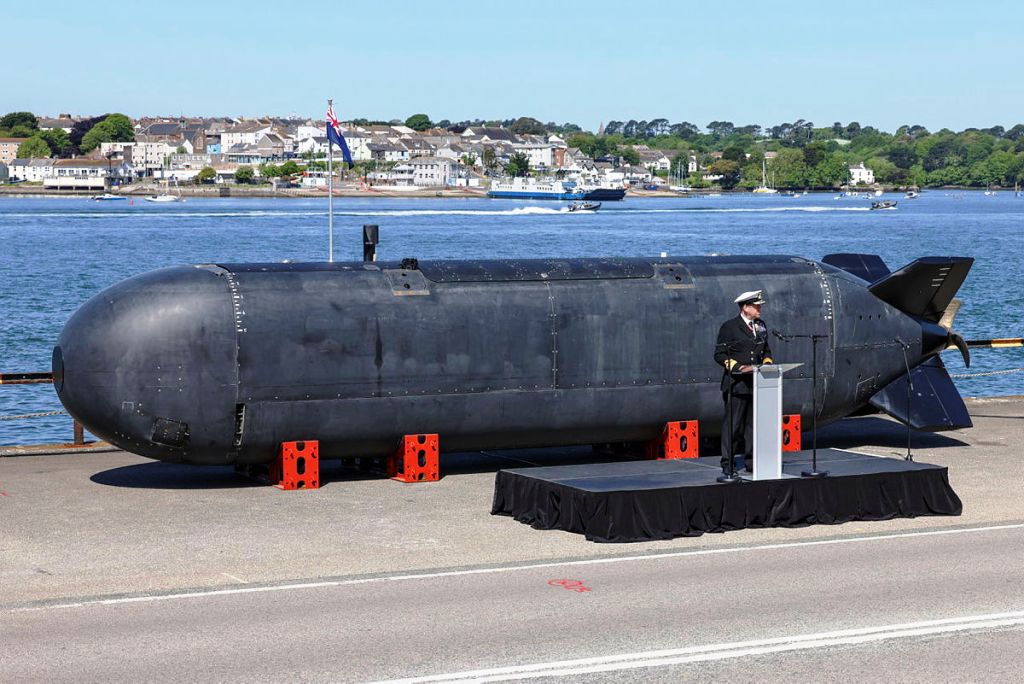
In the maritime domain, the major investment more than £ 63 billion over the next four years will be to strengthen the UK’s nuclear deterrent and to fund Royal Navy Dreadnought and SSN-AUKUS submarines.
 click on image to enlarge
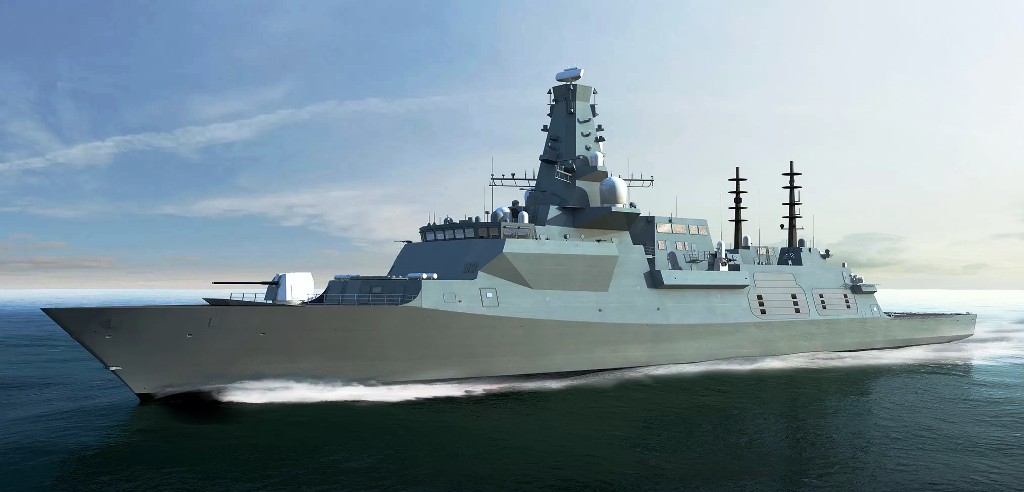
As well as completing the build and commissioning of the Royal Navy’s combined Type 26 fleet with Norway and Type 31 frigates, new amphibious ships will potentially be developed in collaboration with the Netherlands and at least six new Common Combat Vessels (CCV) will be built, which will be at the centre of the planned Hybrid Navy. At least £ 1.3 billion will be invested in a hybrid fleet, to be comprised of uncrewed missile platforms, underwater sense platforms, extra-large underwater vessels (XLUUV), and uncrewed radar platforms. The Hybrid Navy will be connected by the maritime ‘edge’ to the Digital Targeting Web. Almost £ 240m will be invested in the development of autonomous systems for a Hybrid Carrier Air Wing, and trials of jet-powered drones to operate alongside the F-35B force under Project Vanquish.
Some defence analysts, however, question how some of these platforms will be protected, especially the CCVs that will have to remain in uncontested waters, and how long it will take for the projected hybrid navy to become an effective fighting force.
 click on image to enlarge
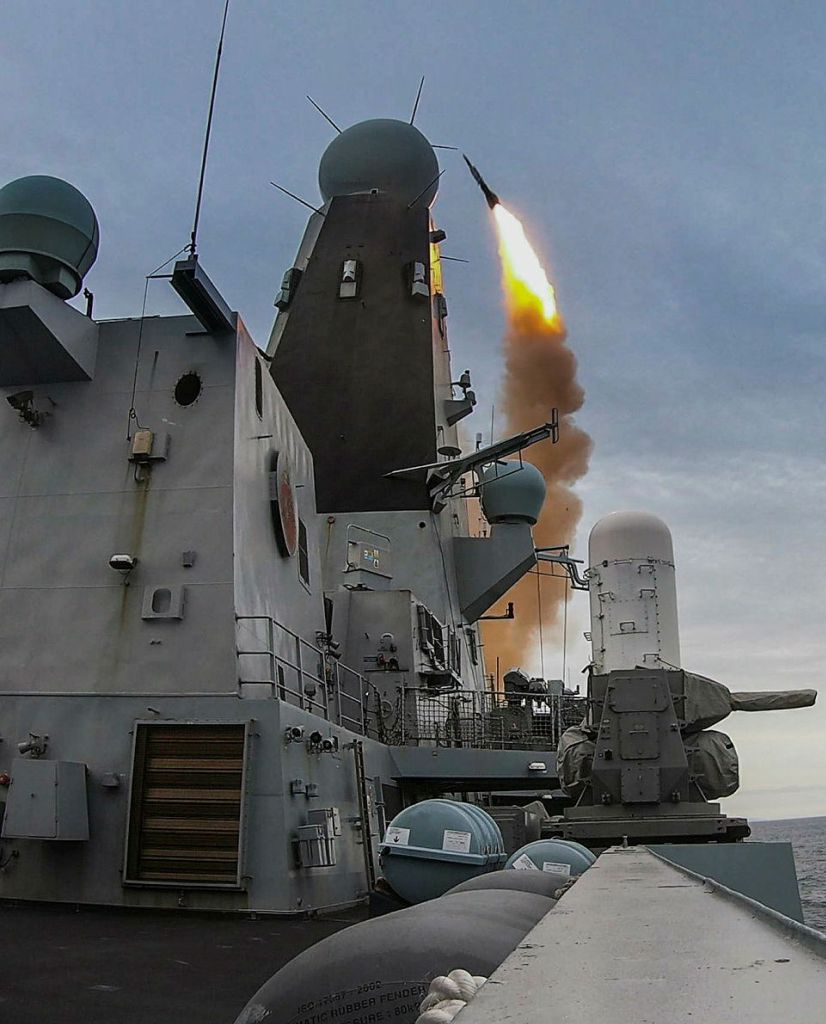
As for home defence, £ 790 million will be invested over the next four years for the much-needed protection of the UK homeland and overseas bases from air, drone and missile threats with new command and control (C2), radars and sensors. Investment will be made in Directed Energy Weapons, upgraded Sea Viper for Type 45 destroyers, expanded counter drone systems, and the build of a new Integrated Air, Space and Missile Defence Operations Centre. Here again, there is no direct funding for a comprehensive programme for defending the UK from ballistic missile attacks. However, the government is planning to invest £ 115 million to raise the UK’s defences against the threats from AI, including using AI to improve its own biosecurity and mitigate risks posed by autonomous AI agents.
Despite the new administration’s initial enthusiasm for increasing the cost of defending the UK, it has to bear in mind that it has to be paid for somehow. It also has to heed the warning from the government’s own National Infrastructure & Service Transformation Authority that in 2025, of 47 major defence investment spending projects, only three were rated “green”, meaning likely to be successfully delivered on time and of the right quality!
Photos courtesy BAE Systems, Crown Copyright, Eurofighter, FIA 2026 and D. Oliver
Content preview only. Full article available at source. View Full Article
The UK government announced a £298 billion defense budget over the next four years, including £15 billion in additional funding. This investment aims to enhance military capabilities across air, land, and maritime forces, with over £11.8 billion in contracts agreed shortly after the announcement. Key projects include the Collaborative Combat Air programme and significant upgrades to the Royal Air Force and British Army assets.
- The UK government committed £298 billion to defense over the next four years.
- An additional £15 billion was allocated on top of last year's budget.
- Over £11.8 billion worth of defense contracts were agreed shortly after the DIP announcement.
- Significant investments were made in air, land, and maritime capabilities, including the RAF's new Collaborative Combat Air programme.
- The government plans to invest £790 million for home defense against air, drone, and missile threats.