
Finland and Varjo test virtual counter-drone training for soldiers
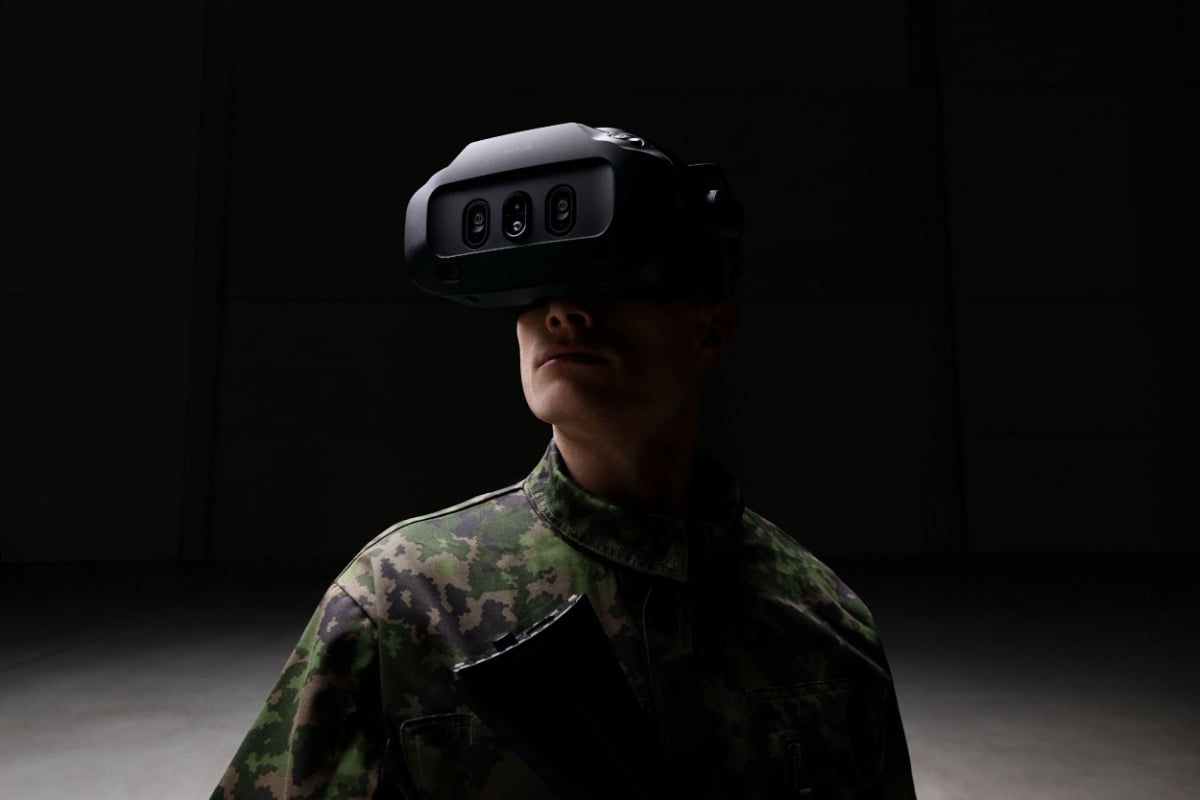
The Finnish Defence Forces have teamed up with Helsinki-based headset maker Varjo to test and develop mixed reality training that prepares soldiers to spot and counter small attack drones, the military’s Innovation Unit and the company announced on Oct. 29.
Varjo is working with a brigade-level unit of the Finnish Defence Forces on the pilot, using its XR-4 Series mixed reality headset. The partners did not name the unit, say how many headsets are involved or how long the pilot will run, or disclose any contract value. Preparations for the partnership began in February.
The project is aimed at the threat from first-person-view, or FPV, drones and loitering munitions, the small explosive-carrying drones and one-way attack weapons that both sides have used in huge numbers in Ukraine. The Finnish Defence Forces said soldiers need to understand what drones can do and how to operate under that threat, and that training has to be realistic, repeatable and readily available.
Mixed reality headsets use outward-facing cameras to show the wearer the real world around them, then add computer-generated objects into that view. In this case, that lets soldiers practice detecting and engaging virtual drones in a real training environment without flying actual drones. Varjo said the XR-4’s image is sharp enough to train against a five-inch FPV drone, a common size class named for its propellers, at realistic distances, which matters because such drones are hard to see until they are close.
“The drone threat is one of the critical challenges of the modern battlefield, and training must keep up with the changes,” said Timo Toikkanen, CEO of Varjo. “Partnership with the Defence Forces makes it possible to improve training and make it match operational needs. We are proud to see Finnish technology at the forefront of this work.”
“We at our end are also proud of our partnership with Varjo. Virtual technology offers a possibility to train and prepare for drone threats in a realistic and repeated manner without consuming real resources. This partnership brings together a real operational need and Finnish technology. This pilot gives us valuable insights into how virtual training can be put into even better use in the Finnish military training,” said Maj. Ville Kuparinen, Head of the FDF Innovation Unit.
Varjo’s headsets are already used across European militaries and defense companies, mostly for vehicle and flight simulators. In March, Varjo and Norwegian firm Fynd Reality began fielding 39 XR training systems in Ukraine for Leopard 2A4 tank crews and other armored vehicle training, paid for by Norway’s defense materiel agency. In June, Varjo said it had added a counter-drone simulator to the training gear it supplies to the Ukrainian Armed Forces. Rheinmetall also builds Varjo’s XR-4 into its deployable land training simulators.
Content preview only. Full article available at source. View Full Article
The Finnish Defence Forces are collaborating with Varjo to test mixed reality training aimed at preparing soldiers to counter small attack drones. This initiative, announced on October 29, utilizes the XR-4 Series mixed reality headset to create realistic training scenarios. The project began preparations in February and focuses on enhancing soldiers' understanding of drone threats in modern warfare.
- Finnish Defence Forces are collaborating with Varjo to develop mixed reality training for drone threats.
- The training aims to prepare soldiers to spot and counter small attack drones.
- The XR-4 Series mixed reality headset is being used in the pilot program.
- The project began preparations in February and was announced on October 29.
- The training is designed to be realistic and repeatable without using actual drones.