
Five Months of Strikes on Iran Just Emptied America's Precision Arsenal
 Alexandra Reeves
Five Months of Strikes on Iran Just Emptied America's Precision Arsenal
Here's a number that should keep European defence planners awake at night: the United States has used "virtually all" of its long-range precision strike missiles in just five months of war with Iran. Not most. Not a worrying percentage. Virtually all.
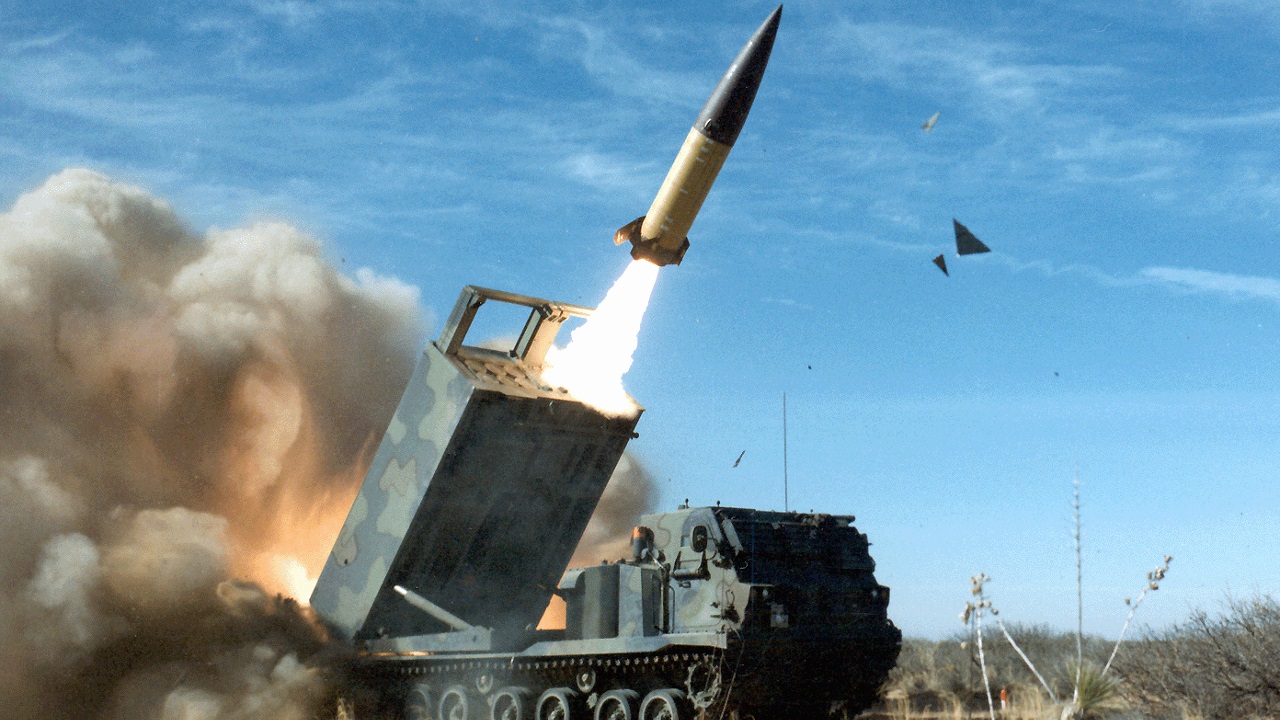
According to three sources familiar with internal U.S. military data who spoke to Reuters this week, the Army's stockpile of ATACMS and Precision Strike Missiles — the backbone of American land-based deep strike capability — has been almost entirely consumed since President Trump launched the Iran war jointly with Israel in February.
The numbers, which had not been previously reported, are worse than anyone outside the Pentagon knew.
What Got Spent
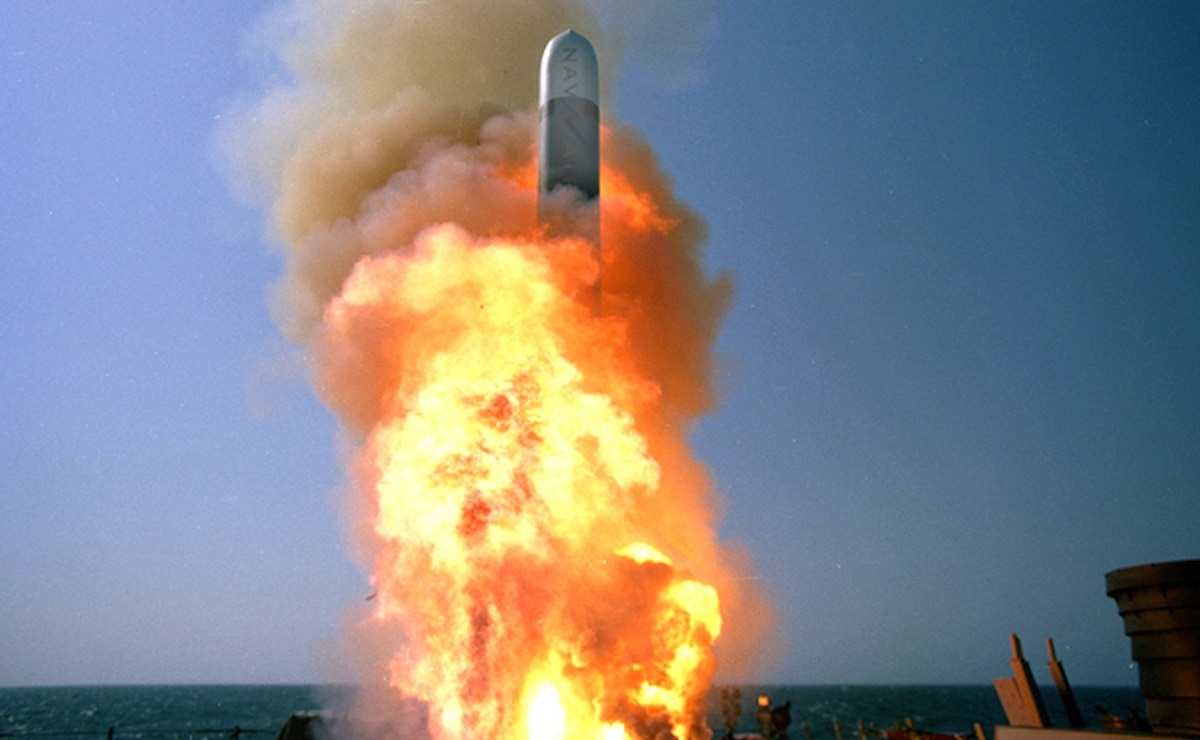
The inventory depletion goes well beyond land-based missiles. A CSIS report published last week estimated that roughly 65% of Patriot interceptors have been expended since February, and THAAD interceptor stockpiles are down by at least 38%. One source told Reuters the U.S. has also burned through slightly less than half of its global supply of Tomahawk cruise missiles — the Navy's go-to weapon for striking heavily defended targets without putting pilots at risk.
These aren't just abstract inventory figures. Each of these systems costs over a million dollars per round. Each one represents years of production lead time. And each one that detonates over Iran is one that cannot be fired anywhere else.
The drawdown reflects a deliberate operational choice. One source said the Trump administration opted to rely heavily on standoff weapons rather than risk piloted aircraft against Iranian air defences — a safer tactical choice that has produced a strategic vulnerability.
The Ukraine Connection Nobody Wants to Talk About
If you've been following the war in Ukraine, the timeline should make you deeply uncomfortable.
ATACMS are the same weapons that allowed Ukrainian forces to strike targets inside Russia — logistics hubs, ammunition depots, airfields — with devastating effect. Kyiv has been begging for more of them. Instead, the production lines that were supposed to supply both theatres just got their entire output redirected to the Middle East.
And it's not just ATACMS. Patriot interceptors are the only thing standing between Ukrainian cities and Russian ballistic missiles. Zelenskyy has been warning for weeks about Ukraine's dwindling interceptor supplies. This week alone, a Russian missile barrage on Kyiv killed at least 17 people, including a child, with air defences unable to stop many of the incoming rounds.
The uncomfortable math is simple: every Patriot interceptor fired defending against Iranian ballistic missiles is an interceptor that cannot protect Kharkiv or Odesa. And more than half of the U.S. stockpile is already gone.
Europe Is Watching Its Security Guarantee Evaporate
For NATO's European members, the stockpile figures confirm something they've suspected for months but been reluctant to say out loud: the American security guarantee has a finite magazine depth, and it's being drained in a war most Europeans had no say in.
This is the scenario that drove Macron's "strategic autonomy" speeches and the German Zeitenwende. But knowing the problem and fixing it are two different things. European defence production remains fragmented. Rheinmetall signed an MOU with Lockheed Martin last month to jointly produce ATACMS — but the company itself warned this week that ramping up output "will take time." Time Europe may not have.
Meanwhile, Russia is watching. Moscow has increased its own missile production dramatically. Zelenskyy warned this week that Russia is now producing more missiles than it was before the full-scale invasion. The Kremlin doesn't need to outproduce the combined West forever — it just needs to outlast American stockpile patience.
The China Problem
And then there's the scenario Pentagon planners have been losing sleep over since before the Iran war started: what happens if China decides to move on Taiwan while America's precision arsenal is empty?
ATACMS and PrSM missiles — the very weapons now depleted — were designed specifically with a Pacific conflict in mind. They're the land-based component of a strategy that assumes American forces will need to strike Chinese ships, airfields, and air defence systems from standoff ranges in the opening days of any Taiwan contingency.
CSIS wargames have repeatedly shown that U.S. munition stockpiles would be tested to the breaking point in a Taiwan scenario. That was before the Iran war consumed the cupboard.
Lockheed Martin, which manufactures ATACMS, PrSM, and THAID, did not respond to questions about supply levels. Neither did Raytheon, maker of Tomahawks and Patriot interceptors. The Pentagon's official statement was the kind of reassurance that reads more like a hedge: "America's military is the most powerful in the world and has everything it needs to execute at the time and place of the President's choosing."
Everything it needs to execute — sure. Everything it needs to deter, reassure allies, and sustain across multiple theatres simultaneously? The numbers suggest otherwise.
The Diplomatic Off-Ramp That Barely Exists
Iran, for its part, is exploiting the situation with diplomatic precision. Foreign Minister Abbas Araqchi has been working the phones with Gulf states, delivering a message that is both threat and invitation: pressure Washington to stop the strikes, or watch your oil fields, power plants, and water infrastructure burn.
The threat is credible. The 2019 Abqaiq attack proved that Gulf energy infrastructure is vulnerable, and Iran's missile and drone capabilities have only improved since then. Saudi Crown Prince Mohammed bin Salman has already spoken with Trump, urging him to delay further military action and pursue negotiations.
Trump announced on August 2 that he had agreed to cancel a planned major attack on Iran "subject to being able to rapidly make a deal." Military advisers had reportedly warned that another large offensive would push stockpiles past the point of no return.
Here's the thing: the President can say America has "far more munitions than anyone in the world," as he did this week. And technically, he's right — in aggregate. But wars aren't fought with aggregate numbers. They're fought with the specific weapons a specific theatre demands. And for the weapons that matter most — precision, long-range, survivable — the cupboard is closer to empty than anyone in Washington wants to admit.
What Comes Next
The Iran war has now lasted longer than America's precision strike inventory could sustain. It has diverted weapons from Ukraine, complicated deterrence against China, and handed Russia a strategic window it would be foolish not to exploit.
The real crisis isn't that the U.S. ran out of missiles — it's that it took only five months. That timeline should reset every assumption NATO planners have about alliance staying power in a high-intensity conflict. Because if the world's most powerful military can burn through its most important weapons in less than half a year, what exactly is the plan for a war that lasts two?
The United States has expended nearly all of its long-range precision strike missiles in military operations against Iran since February 2023, significantly impacting its military capabilities in other regions, particularly Ukraine. This depletion includes 65% of Patriot interceptors and 38% of THAAD interceptors. The situation has raised concerns among European defense planners regarding the sustainability of U.S. military support in multiple theaters. Iran is exploiting this vulnerability to strengthen its diplomatic position.
- The U.S. has used virtually all of its long-range precision strike missiles in five months of conflict with Iran.
- 65% of Patriot interceptors and 38% of THAAD interceptors have been expended since February.
- Less than half of the U.S. global supply of Tomahawk cruise missiles has been used.
- The depletion of munitions affects U.S. military support for Ukraine against Russian aggression.
- Iran is leveraging the situation diplomatically to pressure Gulf states.