

Why the F-22 Raptor Fighter Still Rules the Skies in 2026
More than two decades after entering service with the U.S. Air Force, the F-22 Raptor remains widely regarded as the most capable pure air-to-air fighter ever fielded.
The aircraft first achieved initial operational capability in December 2005, meaning it has not been in frontline service for over 20 years – and that’s an unusually long tenure for a cutting-edge combat aircraft in an era of rapid technological advancements.
Despite its age, the F-22 has not been surpassed in one crucial area: establishing and maintaining air superiority.
The reason the aircraft remains so effective to this day is in part the fact that it was technologically advanced for its time. Still, it is a combination of years of combat experience by American pilots and the way the aircraft was designed from the outset.
Built as a Dedicated Air Dominance Platform
The F-22 was conceived during the final phase of the Cold War under the Advanced Tactical Fighter (ATF) program, which sought to counter upcoming Soviet fighters like the MiG-29 and Su-27 operating within dense surface-to-air missile networks.
Unlike later fifth-generation aircraft, the F-22 was designed for a single purpose: winning in air-to-air combat against the most capable peer adversaries. It was not burdened with carrier compatibility requirements that would have forced compromises, nor was it affected by export constraints or the need to perform routine strike missions for allied air forces.
This was an American aircraft designed for American forces, and its designers prioritized speed, altitude, maneuverability, and survivability without any trade-offs.
That design philosophy really matters. Modern multirole fighters must balance competing demands, including strike payloads, sensors, maintenance commonality, propulsion, avionics, and more. When an aircraft is designed for a single purpose, it is always more capable.
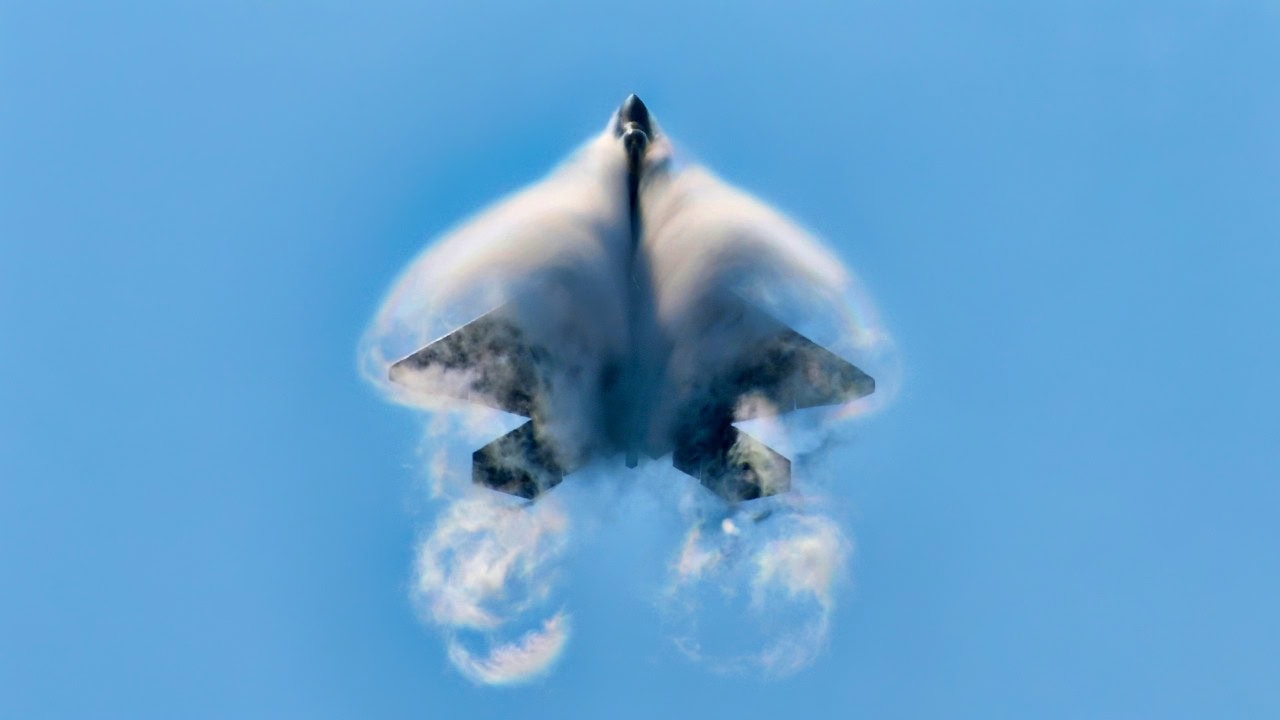
F-22 Raptor Fighter. Image Credit: Creative Commons.
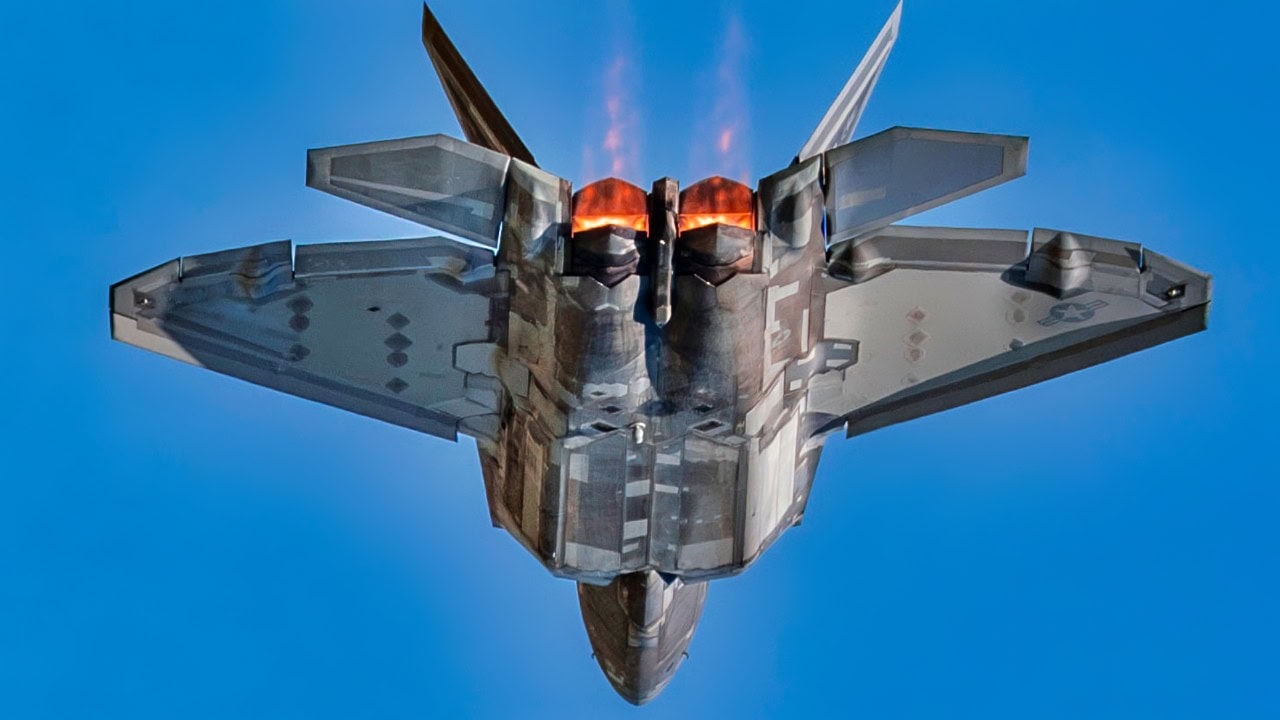
A U.S. Air Force F-22 Raptor performs an aerial demonstration during Altus airshow at Altus Air Force Base, Nevada, April 12, 2025. Aviation Nation is an airshow held at Nellis Air Force Base, showcasing the pride, precision and capabilities of the U.S. Air Force through aerial demonstrations and static displays. The F-22 Raptor performed there to highlight its unmatched agility and air dominance as part of the Air Force’s efforts to inspire, recruit and connect with the public. (U.S. Air Force photo by Staff Sgt. Lauren Cobin)
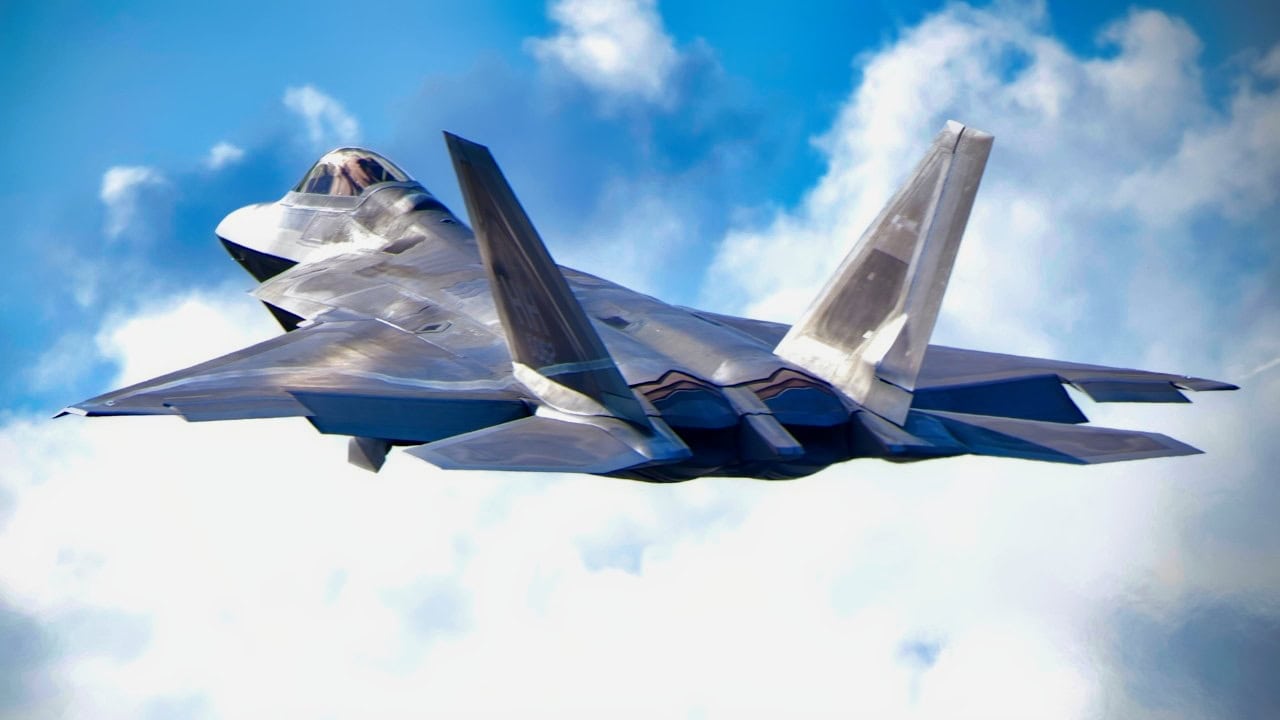
An F-22 Raptor aircraft takes off from Joint Base Pearl Harbor-Hickam, Hawaii, Aug. 8, 2024. The F-22 Raptor is a fifth-generation stealth fighter designed for air dominance, with capabilities in precision attack, advanced avionics, and unparalleled maneuverability. (U.S. Air National Guard photo by Tech. Sgt. Joseph Pagan) Screenshot
Unmatched Performance
The F-22’s continued relevance today comes from its performance envelope – the combination of speed, altitude, maneuverability, and stealth that defines how a fighter operates in combat.
One key feature that makes the F-22 so valuable is supercruise: the ability to sustain supersonic flight without using fuel-intensive afterburners.
The F-22 can cruise above Mach 1.5 while remaining relatively fuel-efficient and harder to detect, allowing it to enter or exit combat rapidly.
Equally important is its thrust-to-weight ratio and aerodynamic design, which allow high-energy maneuvering at altitude. During air combat, maintaining energy, speed, and altitude determines whether a pilot can engage fully or disengage safely.
Stealth is another factor, too – but is not a standalone benefit: the F-22’s low observable design is optimized specifically for air-to-air engagements, reducing detection range by enemy radar and thereby delaying adversary reactions.
Those attributes all work together, with stealth allowing the F-22 to approach undetected, speed and altitude giving it first-shot opportunities, and maneuverability preserving survivability if an engagement becomes visual.
Why Modern Rivals Have Not Yet Replaced It
Several aircraft platforms have been cited as potential F-22 successors or competitors, but each one reflects a different design philosophy – another factor behind the F-22’s continued relevance.
Lockheed Martin’s F-35, for example, is a highly capable fifth-generation platform optimized for multirole operations, including strike, intelligence collection, and coalition warfare. Its stealth and sensor fusion are exceptional (and unbeaten in terms of fifth-gen design), but it was not designed to replace the F-22 in high-end air dominance.
China’s J-20, meanwhile, has been described as a peer competitor – but open-source assessments suggest that the aircraft, while impressive, still struggles with ongoing limitations related to engine performance, pilot training, and combat systems integration.
Russia’s Su-57 program has also faced persistent production delays, limited fleet size, and unresolved questions about sensor capabilities and engine development.
Consider that American pilots are better trained and more experienced, and that the United States’ limited fleet of F-22s remains extraordinarily capable and clearly unmatched.
Why the F-22 Still Matters Today
The F-22 remains operationally relevant today because of its pilots, maturity, capabilities, and upgrades. The aircraft has received continuous upgrades to its avionics, sensors, electronic warfare systems, and weapons, enabling it to remain integrated with modern battle networks.
Although the fleet is small, with fewer than 200 aircraft, the Raptor continues to serve as the cornerstone of U.S. air dominance and serves alongside the far more numerous F-35, proving itself particularly in scenarios involving peer adversaries.

Shown is a graphical artist rendering of the Next Generation Air Dominance (NGAD) Platform. The rendering highlights the Air Force’s sixth generation fighter, the F-47. The NGAD Platform will bring lethal, next-generation technologies to ensure air superiority for the Joint Force in any conflict. (U.S. Air Force graphic)
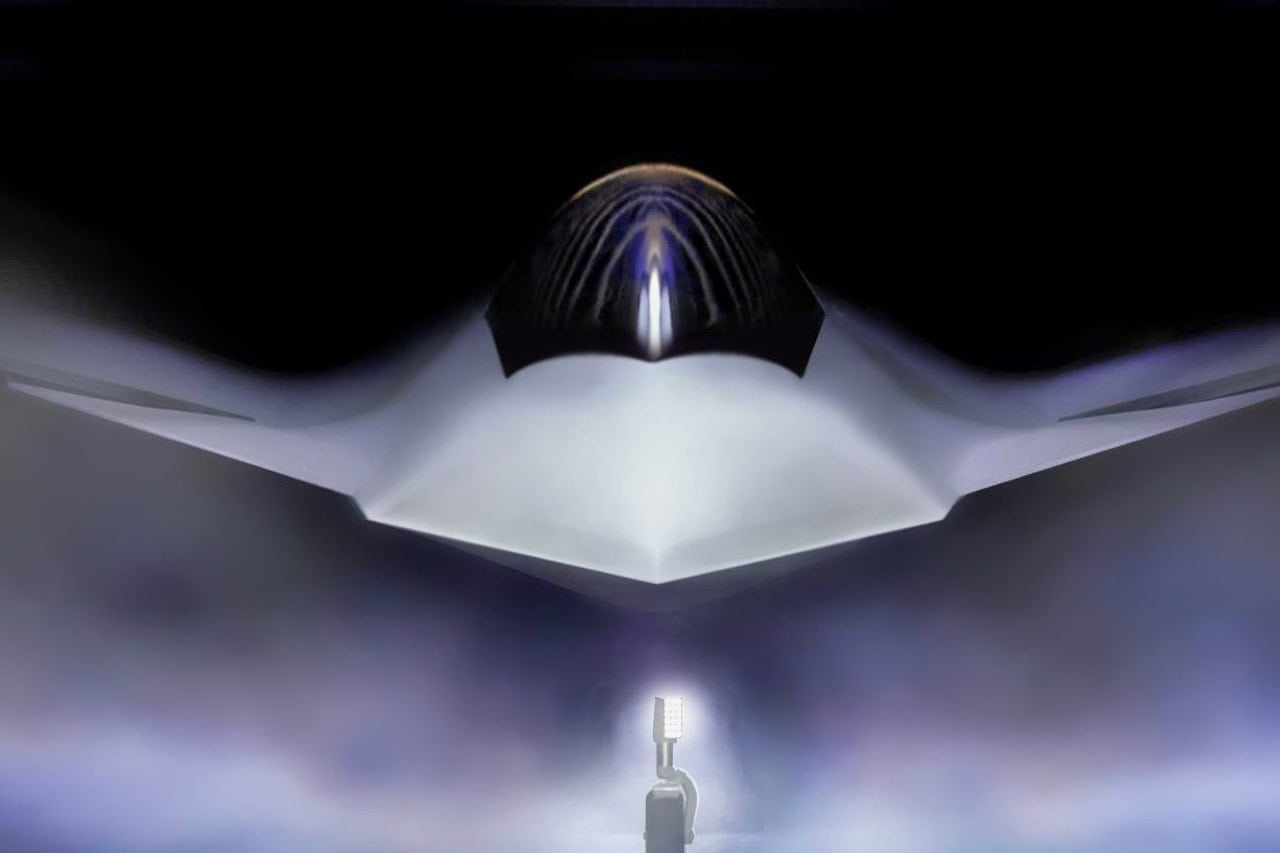
Shown is a graphical artist rendering of the Next Generation Air Dominance (NGAD) Platform. The rendering highlights the Air Force’s sixth generation fighter, the F-47. The NGAD Platform will bring lethal, next-generation technologies to ensure air superiority for the Joint Force in any conflict. (U.S. Air Force graphic)
Even as the U.S. pursues its Next Generation Air Dominance (NGAD) program, many of the concepts shaping that effort – from speed and survivability to data and situational awareness – are extensions of the lessons learned operating the F-22.
About the Author:
Jack Buckby is a British researcher and analyst specialising in defence and national security, based in New York. His work focuses on military capability, procurement, and strategic competition, producing and editing analysis for policy and defence audiences. He brings extensive editorial experience, with a career output spanning over 1,000 articles at 19FortyFive and National Security Journal, and has previously authored books and papers on extremism and deradicalisation.