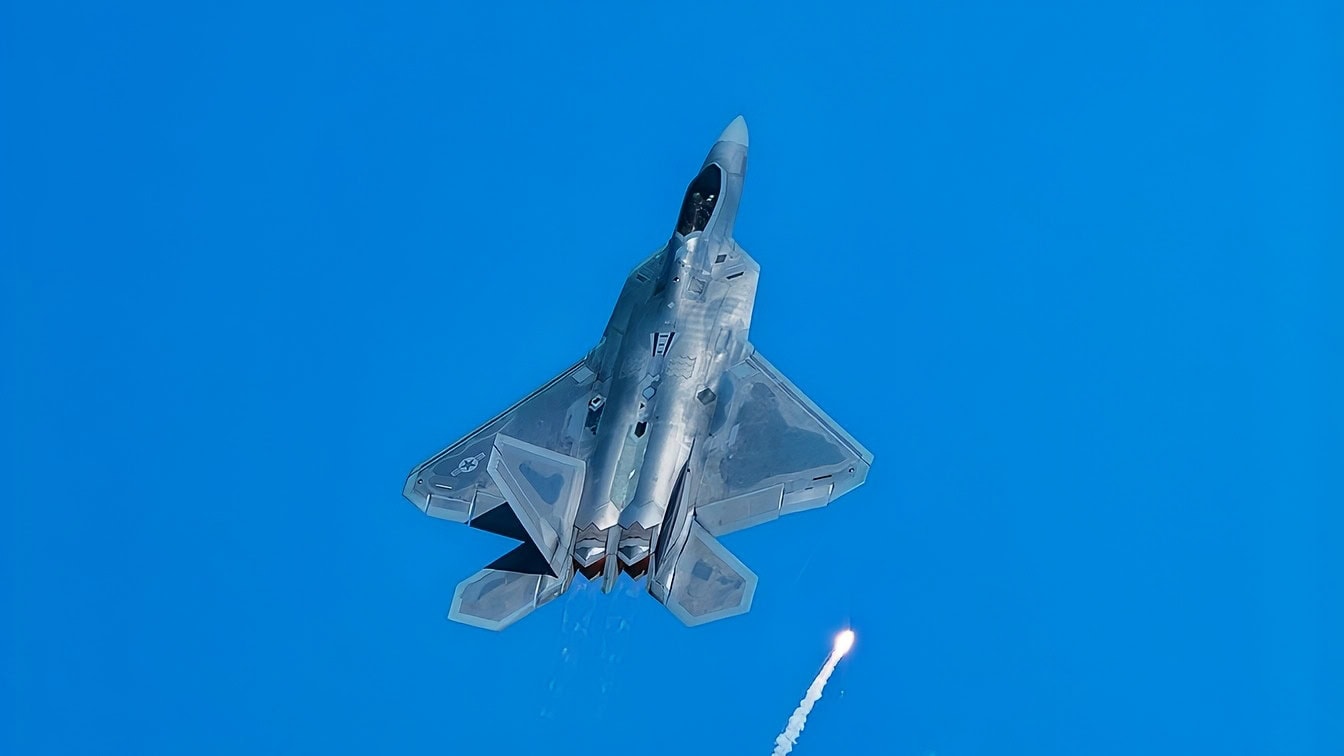
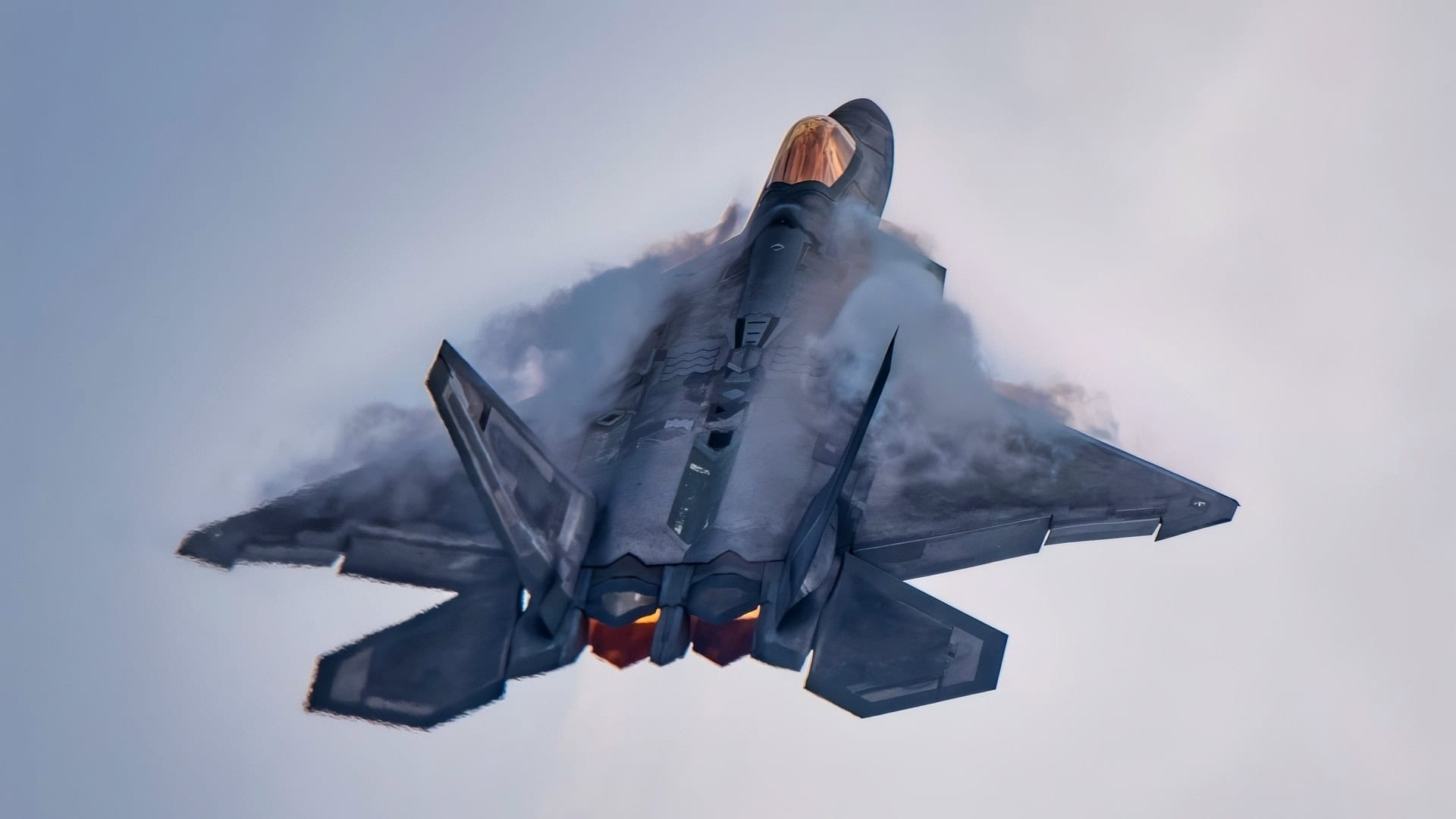
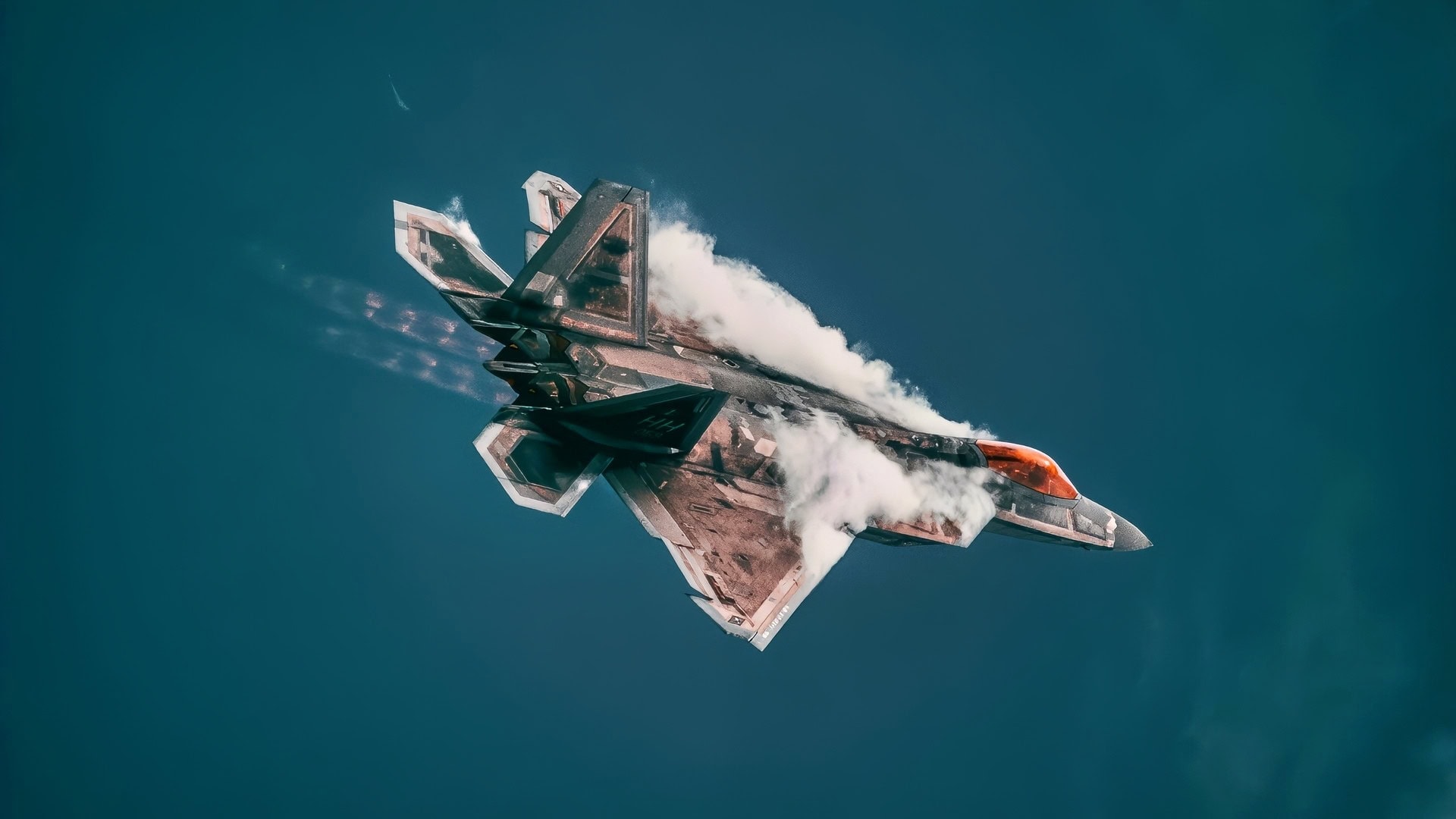
The F-22 was the world's first operational fifth-generation fighter and remains the reference point against which stealth air-superiority designs are measured. Its combination of very low observability, supercruise, thrust-vectoring agility and the AN/APG-77 AESA radar gave the United States a generational lead in air dominance when it entered service in 2005, and it continues to anchor U.S. air superiority planning in the Pacific.
The program's principal limitation is scale. Production was capped at 187 operational aircraft in 2009 and the line closed in 2011, while a statutory export ban kept the type out of allied inventories. With roughly 185 airframes remaining and only around 150 combat-coded, the fleet is small relative to the theater-wide demands it is expected to meet, and each airframe lost or committed carries outsized weight.
Rather than retiring the fleet as once planned, the Air Force is now investing billions in viability upgrades — infrared defensive sensors, improved stealth coatings, electronic warfare enhancements and stealthy external fuel tanks — to keep the F-22 credible against China's maturing J-20 fleet and to bridge the gap until the sixth-generation F-47 enters service. In that role the Raptor functions both as the current top-end air superiority asset and as a pathfinder for technologies destined for its successor.