

When the war between the U.S. and Iran started in February, oil prices quickly spiked once the Strait of Hormuz was closed, which helped bring about the unpopularity of the war.
Throughout the spring, average gas prices in the U.S. remained over $4 per gallon.
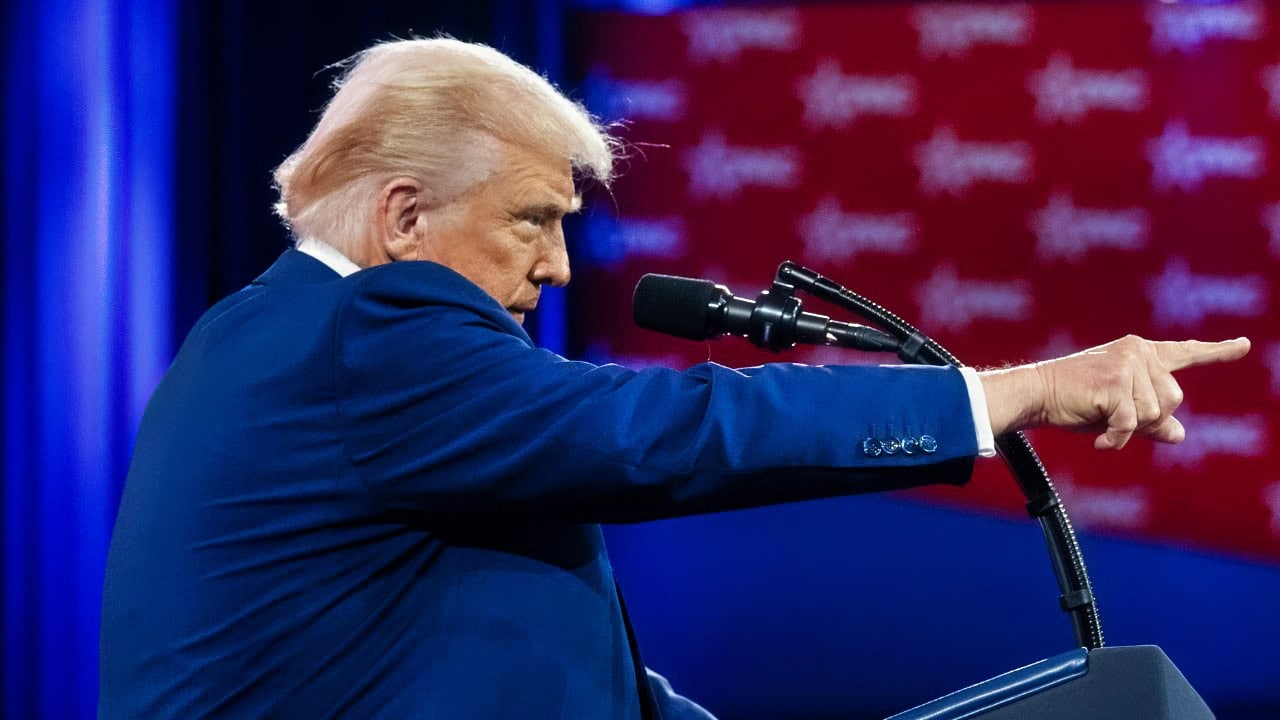
President Donald Trump speaks at the Conservative Political Action Conference at the Gaylord National Resort & Convention Center in Oxon Hill, Maryland, on Saturday, February 22, 2025. (Official White House Photo by Molly Riley.
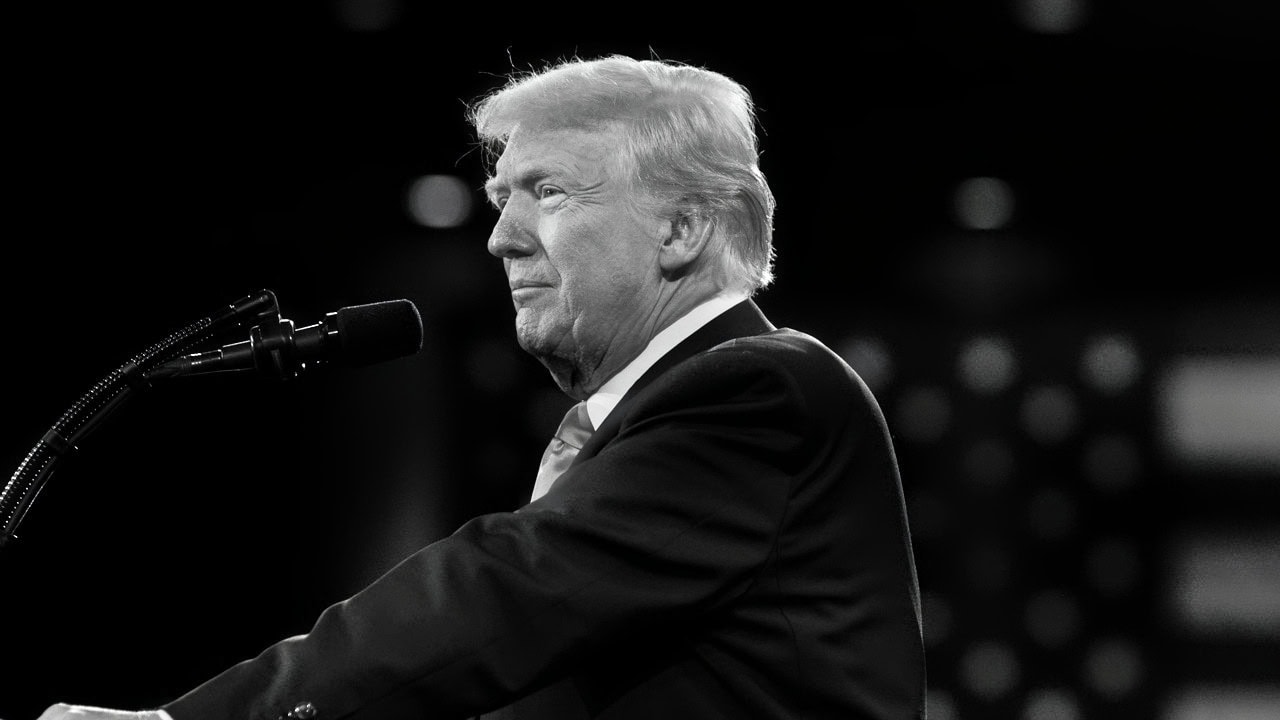
President Donald Trump speaks at the Conservative Political Action Conference at the Gaylord National Resort & Convention Center in Oxon Hill, Maryland, on Saturday, February 22, 2025. (Official White House Photo by Molly Riley
Prices had begun to drop in May, heading into June, when the sides reached a memorandum of understanding, but in recent days, with the sides once again shooting at each other, gas prices have begun to go up again.
GasBuddy reported Monday that the average gas price in the U.S. had risen by 10 cents in the past week, ending an eight-week streak of declining prices.
And Patrick De Haan, head of petroleum analysis at GasBuddy, wrote, “Iran is the reason why.”
“The turnaround comes as oil prices have surged following the collapse of the ceasefire between the U.S. and Iran and the start of new attacks, with oil jumping another 4% in Sunday evening trading, an ominous sign that could bring additional gas and diesel price increases in the week ahead,” De Haan wrote.
“While the pace of increases doesn’t yet appear likely to match what motorists experienced in March and April, fresh Ukrainian attacks on additional Russian refineries will only add to the pressure, keeping supplies of refined products tight even as the situation remains fluid.”
This was before President Donald Trump threatened to institute tolls on the Strait of Hormuz, although he has since backed off that claim.
The China Factor
Reuters’ Clyde Russell wrote a commentary this week on China’s role in global energy markets.
“China’s dramatic slashing of its crude oil imports has been credited with keeping prices from spiking during the Iran conflict,” Russell wrote.
“The new question is whether the world’s biggest oil importer can do the same for increasingly stressed refined products markets.”
China dropped its seaborne crude oil imports to their lowest level in a decade in June. That figure was 5.96 million barrels per day, down from the 10.66 million bpd in the months before the war in Iran began in February.
A separate Reuters story referred to that drop as the result of “weak domestic demand and export curbs on refined oil products to safeguard energy security amid the Iran war.”
“Refinery run rates were likely near a 10-year low, weighed down by weak domestic demand and refined oil product export restrictions.
But if refined product exports are eased, run rates could see a partial rebound,” Emma Li, analyst at Vortexa, told Reuters.
Russell took the focus back to the U.S. and Iran.
“A 60-day ceasefire between the United States and Iran that came into effect in June raised hopes that the narrow waterway through which about 20% of global crude and refined products moved prior to the conflict would reopen,” Russell wrote. “But the ceasefire ended last week with the United States and Iran striking each other, and Tehran also attacking ships moving through the strait without its clearance.”
The “Refined Products” question
Russell’s analysis also notes that global markets for refined products are tightening, especially after Russia banned diesel exports following damage to its refinery capacity.
“The loss of Russian cargoes exacerbates the refined product situation in Asia, where volumes are still struggling with lower shipments from the Middle East,” Russell wrote. “Asia’s imports of both light and middle distillates dropped to 5.19 million bpd in June, the lowest in Kpler records going back to 2017 and down 32% from the 6.85 million bpd average for the three months leading up to the Iran conflict.”
However, uncertainty about the Middle East remains.
“With renewed threats to crude and product shipments from the Middle East and depleted inventories across the world, it’s likely that refined product prices will continue to push higher, even if the crude futures market keeps pricing in a resolution to the Iran war,” the commentary added.
“A further point is that higher prices for refined fuels may encourage China to keep exporting to allow its refiners to capture strong margins.”
About the Author: Stephen Silver
Stephen Silver is an award-winning journalist, essayist, and film critic, and contributor to the Philadelphia Inquirer, the Jewish Telegraphic Agency, Broad Street Review, and Splice Today. Stephen, the co-founder of the Philadelphia Film Critics Circle, lives in suburban Philadelphia with his wife and two sons. For over a decade, Stephen has authored thousands of articles that focus on politics, national security, technology, and the economy. Follow him on X (formerly Twitter) at @StephenSilver, and subscribe to his Substack newsletter.