
Germany's Top General Says Russia Probes NATO Air Defenses Every Single Day
 Alexandra Reeves
Germany's Top General Says Russia Probes NATO Air Defenses Every Single Day
The most important thing said about NATO's air defenses this week wasn't said at a summit. It was said by Germany's top soldier, Gen. Carsten Breuer, in an interview with The Wall Street Journal published Tuesday.
"Hybrid attacks are taking place every day in NATO countries, especially along the alliance's eastern flank," Breuer told the Journal. "Russia is testing us and looking at how we respond."
That's the part worth stopping on. Testing isn't harassment. It's reconnaissance.
Drones Are Doing the Probing
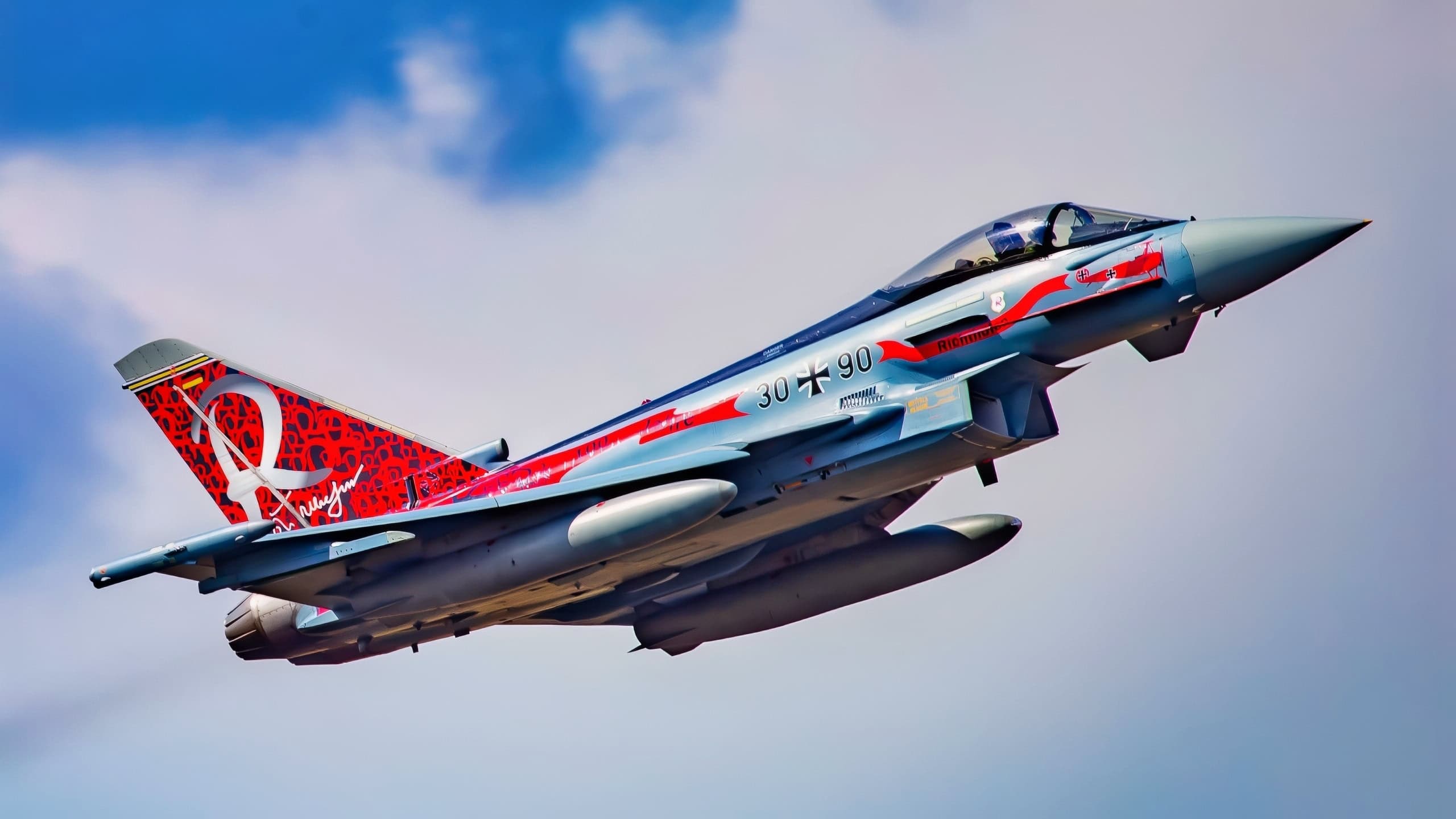
According to the Journal's report, Russian forces are systematically using drones to probe European air defenses and identify weaknesses Moscow could exploit in a future conflict. The drones test detection thresholds, scramble times and radar coverage — the unglamorous details that decide whether a strike package gets through.
The timing is not abstract. Last week, German police disarmed an explosives-laden drone found near a Ukrainian cargo plane at Leipzig Airport, a key hub for military supplies moving into Ukraine. US officials assessed the drone as belonging to a Russian intelligence service, the Journal reported. Interior Minister Alexander Dobrindt called it a "new level of danger." A probe with a bomb attached is not really a probe.
Breuer's "hybrid attacks" cover a wider menu than drones: sabotage, GPS jamming, severed cables, suspected arson at military-linked sites, the whole grey-zone catalogue that has kept Baltic and Polish security services busy all year. The drone over Leipzig was simply the loudest entry on the list.
There is a grim logic to the drone focus. A cruise missile crossing into Poland makes headlines and triggers consultations. A small drone that wanders over a border gets logged, shrugged at and forgotten — which is exactly why Moscow keeps sending them. The Kremlin learned in Ukraine that cheap unmanned platforms can map air defenses, test reaction times and saturate the picture for almost nothing. Now it is running the same playbook against the alliance's eastern flank, one nearly-innocent flight at a time.
The Numbers Say This Is a Campaign
The pattern long predates Leipzig. Frédéric Lemieux, a Georgetown researcher who tracks Russian airspace violations, counted 18 confirmed incursions against NATO members in 2025 — three times the six recorded in 2024 and more than half of everything logged since the invasion began. The geography widened too: three NATO countries affected in 2022, six by 2025, reaching as far west as France.
September 2025 was the tell. A swarm of 21 drones crossed into Poland, forcing the closure of Warsaw, Rzeszów and Lublin airports. Russian MiG-31s flew over Estonia for about 12 minutes with transponders off. For the first time since the war began, NATO members invoked Article 4 — twice. Late last month, a Russian cruise missile struck about 100 kilometers inside Polish territory. This week, Warsaw said a Russian ballistic missile had violated its airspace again, and Moldova's president condemned a Russian drone crash in her country.
Each incident alone is explainable. Together, they're a syllabus.
Berlin Is Finally Answering
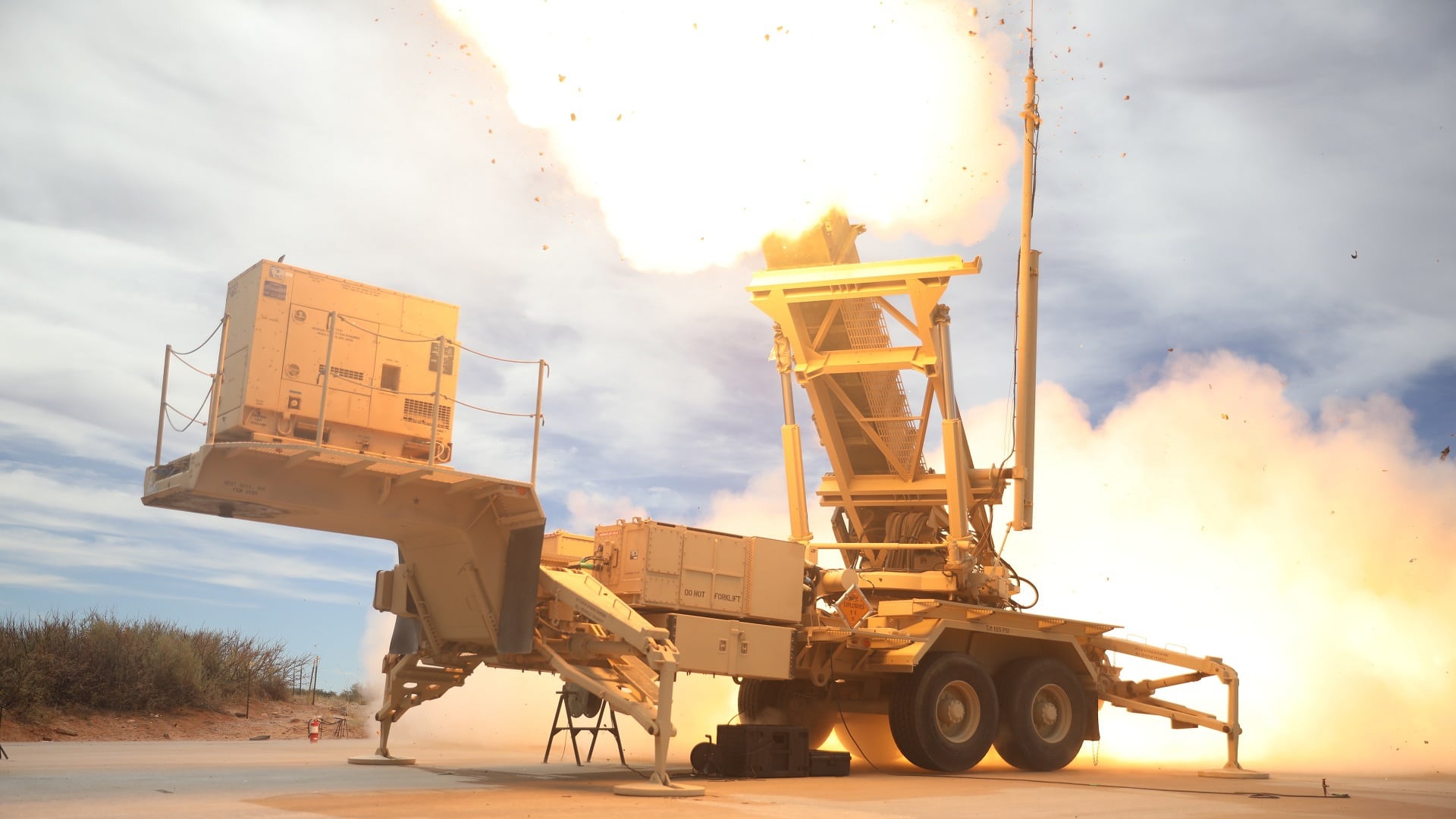
Breuer's warning lands as Germany is doing something it hasn't done since 1945: writing a national military strategy. "Russia is our first priority," he said. Defense Minister Boris Pistorius has pledged $34.6 billion by 2030 for satellites and other space-based intelligence, surveillance and reconnaissance. Berlin has signed a deal with the United States to produce Tomahawk missiles on European soil and a military cooperation agreement with Poland.
That's real money and real intent. It's also a late start, and Breuer knows it.
Why This Is Worse Than It Looks
The asymmetry is brutal. Russia can launch a drone that costs tens of thousands of dollars and force NATO to respond with fighters that cost tens of thousands of dollars an hour to fly — or, worse, expend interceptors worth millions against targets that cost pocket change. Every probe also returns intelligence: response times, radar gaps, which bases are awake at 3 a.m.
The same logic that drives Russia's nightly drone waves over Ukrainian cities is being pointed at NATO's borders. The hardware is cheap, the data is priceless, and the deniability is built in.
None of this means a Russian tank column is forming at the Suwałki Gap tomorrow. Breuer himself framed the campaign as testing rather than attack preparation in the immediate sense — probing "how we respond" so tactics can be refined for whatever comes next. But that distinction is cold comfort. The alliance's own intelligence community warned earlier this month that Moscow could attempt a limited strike on a NATO member within months, according to reporting by the Wall Street Journal and CNN, and every drone flight narrows the list of unknowns standing between the Kremlin and that decision.
That's the part allies keep refusing to say out loud. After the July missile strike, Polish Prime Minister Donald Tusk stressed there was "no evidence" Poland had been the intended target. Maybe so. But the pattern says the point isn't any single missile — it's the map Russia is drawing, one probe at a time.
The September Test
Breuer is the front-runner to become chairman of NATO's Military Committee in September, according to the Journal. If he gets the job, the alliance gets a military leader who has already said the quiet part in public: this is a campaign, not a series of accidents. It also means the man most likely to set NATO's military advice for the next three years is the one who has been loudest about the air-defense gap — and about Germany's responsibility to help fill it.
The uncomfortable question is whether the rest of NATO is ready to hear it. For four years, the alliance has treated each airspace violation as a border incident to be de-escalated and forgotten. Breuer is telling you what they really are — the cheap, deniable first phase of a conflict nobody in Brussels wants to name. Russia is already fighting this war. The only question left is when NATO stops pretending otherwise.
Russia is probing NATO air defenses daily using drones and hybrid attacks, with incidents reported in Leipzig and Poland. German officials highlight the increasing frequency of airspace violations, with 18 confirmed incursions in 2025. Germany is responding by developing a national military strategy focused on countering Russian threats, including significant investments in military capabilities. This ongoing situation reflects a broader campaign by Russia to test NATO's response mechanisms.
- Russia is using drones to probe NATO air defenses daily.
- A drone with explosives was found near a Ukrainian cargo plane in Leipzig.
- There were 18 confirmed incursions against NATO members in 2025.
- Germany is developing a national military strategy prioritizing Russia.
- Breuer warns that these probes are part of a larger campaign against NATO.