
Han Guang 42 Exercise Conducts First Drill on Anti-Maritime Blockade, Taiwan Military Faces PLA's Island Encirclement Tactics
 Li Minghui
Han Kuang 42 Exercise Conducts First Drill on Anti-Blockade Operations, Taiwan Military Faces PLA's Island Encirclement Tactics
[Taipei News] On the morning of August 5, the Taipei underground command post issued the exercise order, marking the start of the 10-day Han Kuang 42 exercise. The most noteworthy aspect of this exercise is not any specific live-fire scenario, but the scenario itself—this is the first time the Taiwan military has included "anti-blockade" as the core scenario for the entire exercise, replacing the previous focus on "anti-landing."
Scenario Change: From Anti-Landing to Anti-Blockade
According to officials from Taiwan's defense department, the exercise assumes that the PLA has completed its attack preparations and has begun crossing the sea, with the Taiwan military conducting force preservation, anti-landing, and joint anti-blockade operations. However, details disclosed by Reuters and the South China Morning Post are more straightforward—this exercise focuses for the first time on how to counter the PLA's actions to cut off Taiwan's supply lines from the western Pacific. In simple terms, the Taiwan military assesses that the most likely form of warfare is not a beach landing, but rather a maritime blockade.
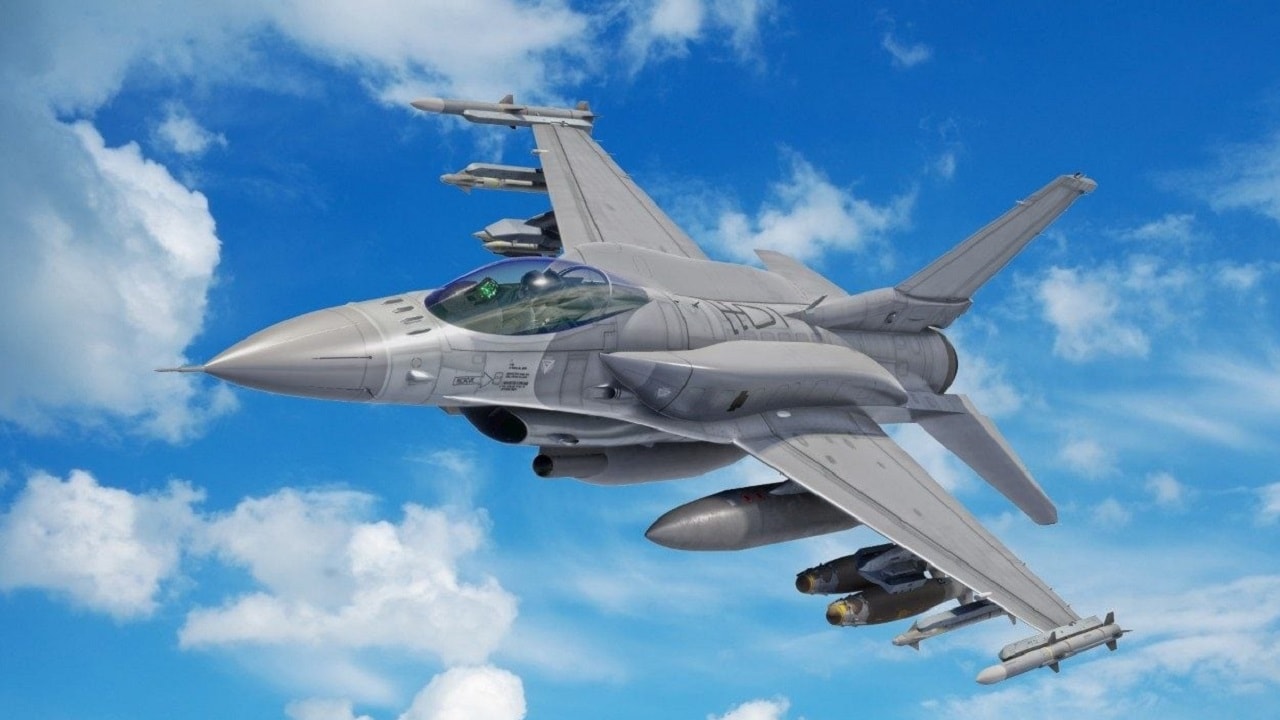
This assessment has its rationale. The PLA does not necessarily need to land troops to "lock Taiwan": by routinely deploying ships and aircraft in the eastern and southern air and sea areas of Taiwan, combined with mines and missile blockades, it could put Taiwan in an energy and food crisis within weeks. For the PLA, this approach is much less costly and politically risky than an amphibious landing. The Taiwan military's shift in training focus from beach landings to breaking blockades follows this logic.
Several Firsts: Internet Speed Reduction, Backbriefing, Relocation of Armories
- For the first time, the exercise artificially reduced mobile internet speeds to test civilian communication capabilities under bandwidth limitations—targeting scenarios where command communications are incapacitated.
- For the first time, a U.S. military-style "backbrief" mechanism was introduced, requiring junior officers to relay mission content to commanders to ensure synchronization of operational intent.
- For the first time, the exercise simulated the wartime relocation of large armories and mobilized civilian factories for production conversion.
These subjects together indicate that the Taiwan military is training not just the military, but the entire society's resilience to strikes. According to Taiwan defense officials, "this is no longer a laboratory exercise in a vacuum." The scale of mobilization also confirms this: total mobilization forces exceeded 20,000, integrating the "Tongxin No. 36" mobilization exercise, with two brigade-level units implementing full mobilization.
What the PLA is Doing
On the opening day of Han Kuang, Taiwan's defense department reported: as of 6 a.m. on August 5, 14 PLA military aircraft, 9 warships, and 7 civilian vessels were detected operating around the Taiwan Strait, with 6 aircraft crossing the median line of the strait and entering Taiwan's central, southwestern, and eastern ADIZ; the Taiwan military responded with alert aircraft, warships, and shore-based missile systems. On August 4, Taiwan also reported detecting 21 PLA military aircraft and 14 vessels—this was one of the larger recent incursions.
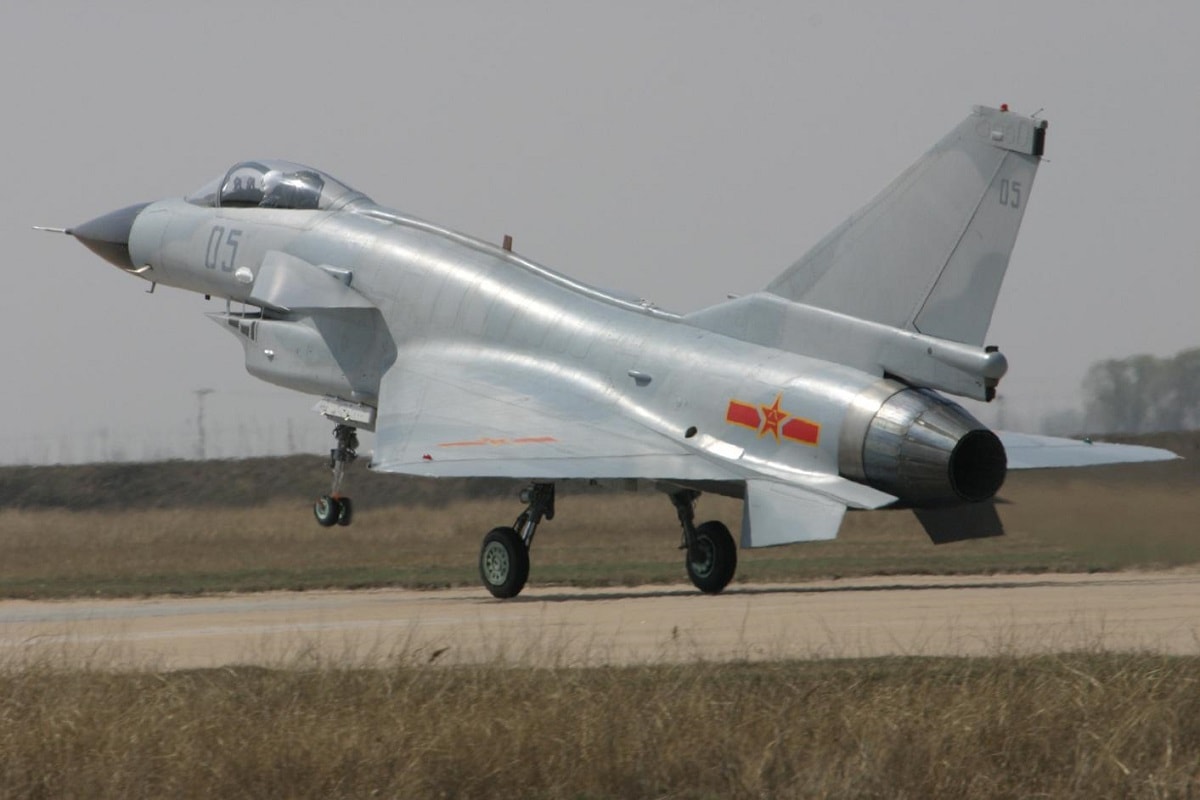
Interestingly, the PLA did not conduct its own large-scale exercise on the opening day of Han Kuang, but maintained routine levels of pressure. This resembles a "companion" presence—neither escalating the situation nor allowing the Taiwan military's exercise to dominate the stage. I assess that if the PLA organizes exercises around the Taiwan Strait in the coming week, the focus will likely be on the eastern waters of Taiwan, which is the main battlefield for the anti-blockade drills in Han Kuang.
A Question Without an Answer
By prioritizing anti-blockade as the top scenario in Han Kuang 42, it shows that the Taiwan military has a clear understanding of the PLA's tactic of "encircling without attacking." However, there is an unavoidable shortcoming in anti-blockade operations: how long Taiwan's energy and food stocks can last depends on whether supply fleets can break through the blockade, which in turn depends on whether U.S. and Japanese allies are willing to provide escort during wartime. These aspects can only be practiced at the level of "escorting convoys" in Han Kuang, while the real answers lie outside the exercise field—this may be the most unexercised and most needed question to answer in this exercise.
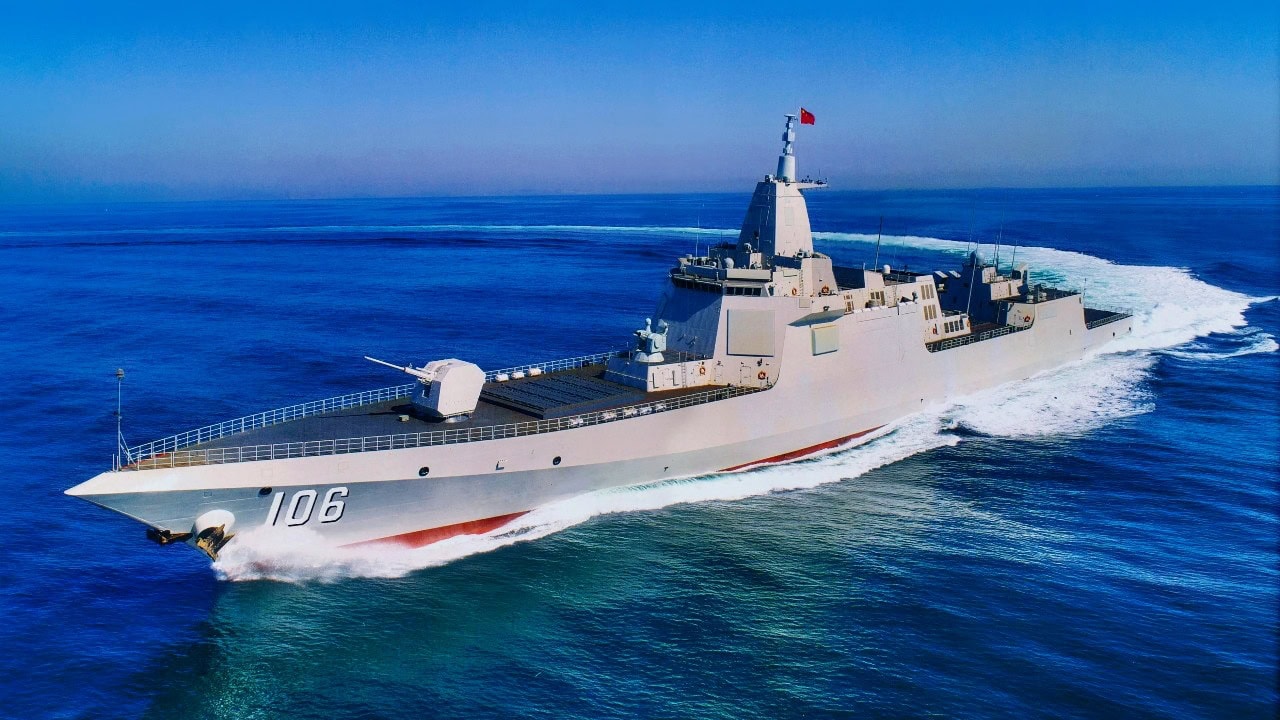
The Taiwanese military commenced the Han Kuang 42 exercise on August 5, 2023, focusing on anti-blockade operations against potential Chinese military actions. Over 20,000 personnel are involved, marking a shift from previous anti-landing scenarios. Concurrently, the Chinese military conducted activities near Taiwan, with 14 aircraft and 9 naval vessels reported in the vicinity.
- Taiwanese military initiated the Han Kuang 42 exercise on August 5, 2023.
- The exercise focuses on anti-blockade operations, replacing previous emphasis on anti-landing scenarios.
- Over 20,000 personnel are mobilized for the exercise, integrating civilian capabilities.
- Chinese military activities include 14 aircraft and 9 naval vessels near Taiwan on the same day.
- Taiwan's defense officials assess the likelihood of a blockade strategy from China rather than a direct landing.