
Hegseth memo limits U.S.-Canada defense ties, report says
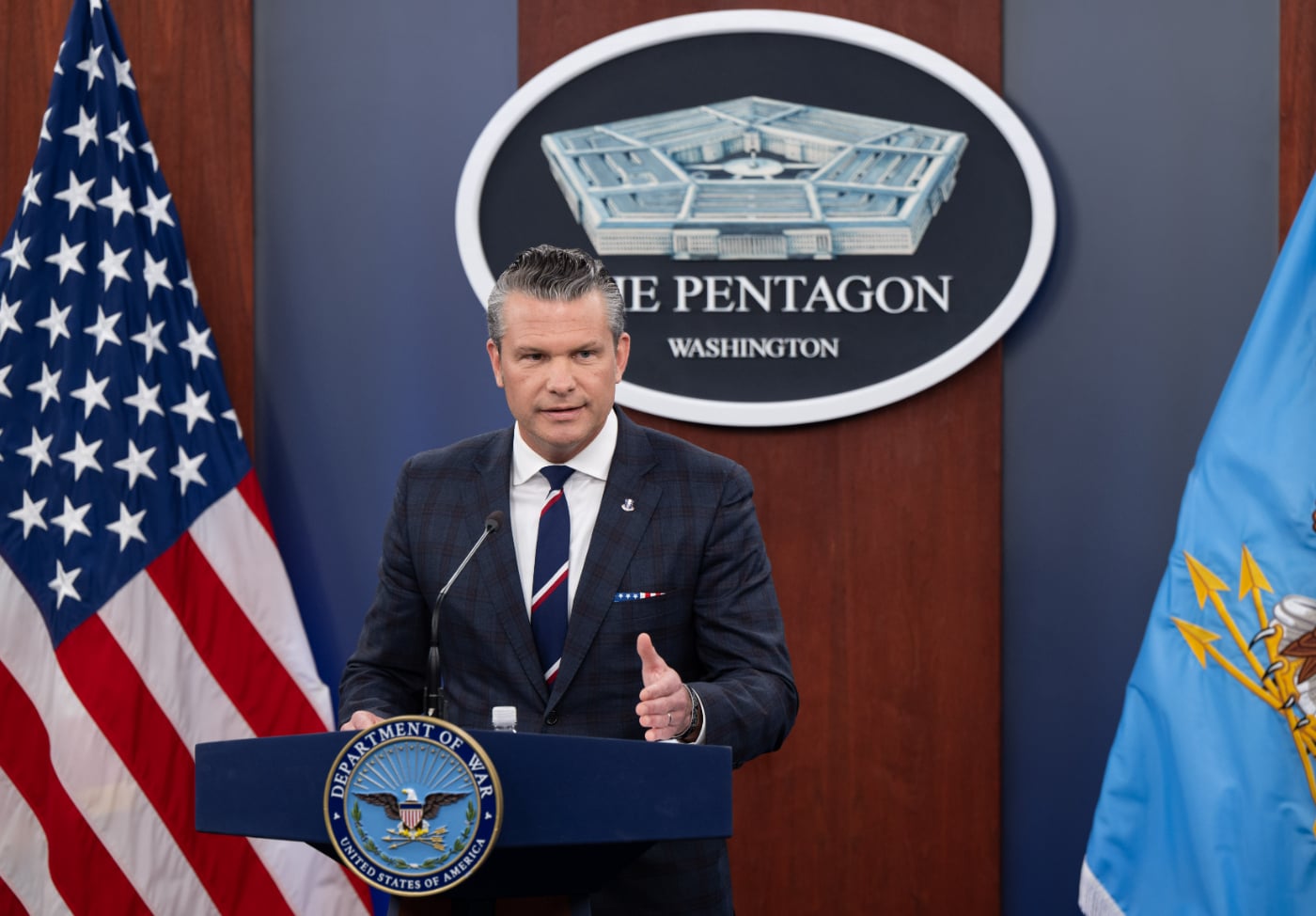
Secretary of War Pete Hegseth has ordered new limits on how the U.S. military works with Canada, in a classified memo circulated last week, officials familiar with the directive said, according to a report published Friday.
The memo has not been made public, and the newspaper that first reported it said it had not reviewed the document. What the new limits cover, and how far they will cut into day-to-day contact between the two militaries, is not yet clear. One U.S. official told the paper the move is sure to be seen in Ottawa as a “slap in the face.”
The U.S. Department of War did not deny the change. Chief spokesman Sean Parnell said the department is making sure its dealings with Canada “advance tangible U.S. defense objectives,” and is prioritizing cooperation that strengthens the defense of both countries’ homelands and the hemisphere while helping Canada meet its NATO commitments.
Some of the closest ties are off the table. Parnell said the directive will not affect intelligence sharing, work through NATO, or the North American Aerospace Defense Command, the joint U.S.-Canadian command that watches the skies over both countries from headquarters in Colorado.
The memo is the latest step in a year of friction. In May, the Pentagon paused the Permanent Joint Board on Defense, a U.S.-Canada forum dating to World War II. Elbridge Colby, the Pentagon’s top policy official, said at the time that Canada had failed to make credible progress on its defense commitments.
Washington has pressed Ottawa hardest on spending. When Defense Minister David McGuinty visited the Pentagon in September 2025, Hegseth urged Canada to deliver on its pledge to raise defense spending to 5% of gross domestic product by 2035. Canada said in March that it had reached NATO’s older goal of 2%.
The two countries also remain split over trade and President Donald Trump’s repeated talk of making Canada the 51st state. Prime Minister Mark Carney told Trump in the Oval Office in May 2025 that Canada was “not for sale.”
Weapons purchases are part of the picture. Ottawa has committed funding for 16 F-35 stealth fighters, and its first two CF-35As arrived for pilot training in Arizona last month. A government review of the full 88-jet order continues, and Carney has floated a mixed fleet that could include Sweden’s Gripen E.
Speaking at the White House on Friday, Trump called Carney “very nice” but said Canada had not agreed to a trade deal he liked. “For some reason they feel emboldened,” Trump said.
Content preview only. Full article available at source. View Full Article
Secretary of War Pete Hegseth ordered new limits on U.S.-Canada military cooperation in a classified memo circulated last week. The U.S. Department of War confirmed the directive, which aims to ensure that dealings with Canada advance U.S. defense objectives. This change follows ongoing tensions regarding Canada's defense spending commitments and military relations.
- Secretary of War Pete Hegseth issued a classified memo limiting U.S.-Canada military cooperation.
- The memo has not been made public, and its contents are unclear.
- The U.S. Department of War confirmed the directive but stated it will not affect intelligence sharing or NATO operations.
- The directive follows a year of friction between the two countries regarding defense commitments and spending.
- Canada has committed funding for 16 F-35 stealth fighters.