
High Change Costs and Long Delivery Times: White House Push for Adjustments to Aircraft Carrier Design Raises Questions
The White House has recently proposed adjustments to the aircraft carrier design. However, both U.S. media and the military have a negative view of this change.
Recent reports from the U.S. indicate that at the request of President Trump, the U.S. Navy is once again considering significant design adjustments to the "Ford" class aircraft carriers, moving the island to the middle of the ship. Previously, Trump had requested that the new carriers abandon the electromagnetic catapult system and revert to the older steam catapult.
The position of the island balances efficiency and safety; the cost of changes is high.
It is reported that the design of the "Ford" class aircraft carriers moved the island to the rear of the carrier for efficiency and safety reasons. This not only creates more parking space for aircraft near the catapults, reducing the time required for aircraft takeoff, but also lowers the possibility of turbulence during aircraft return and landing, thereby improving landing safety.
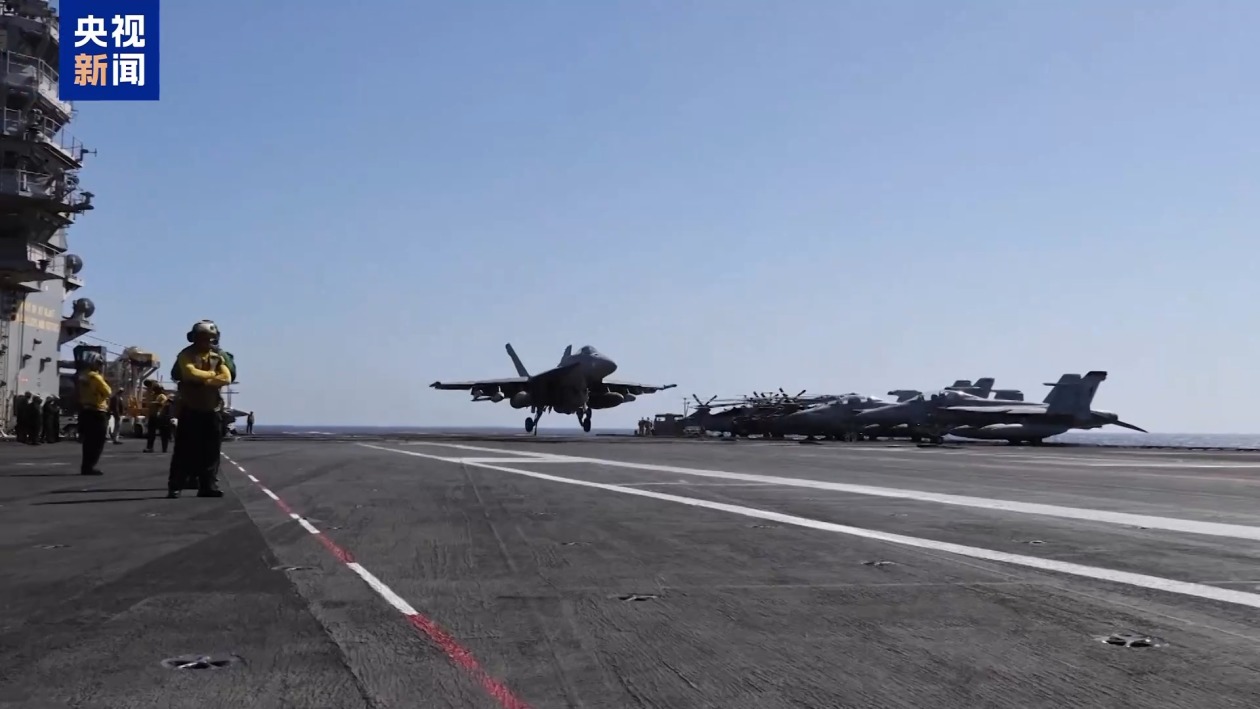
The well-known U.S. military media outlet "The War Zone" also pointed out that moving the island to the middle of the carrier is expected to increase redesign costs by billions of dollars and significantly extend the delivery timeline of the carriers.
For the "steam rising" spectacle, will U.S. carriers switch from "electric to steam"?
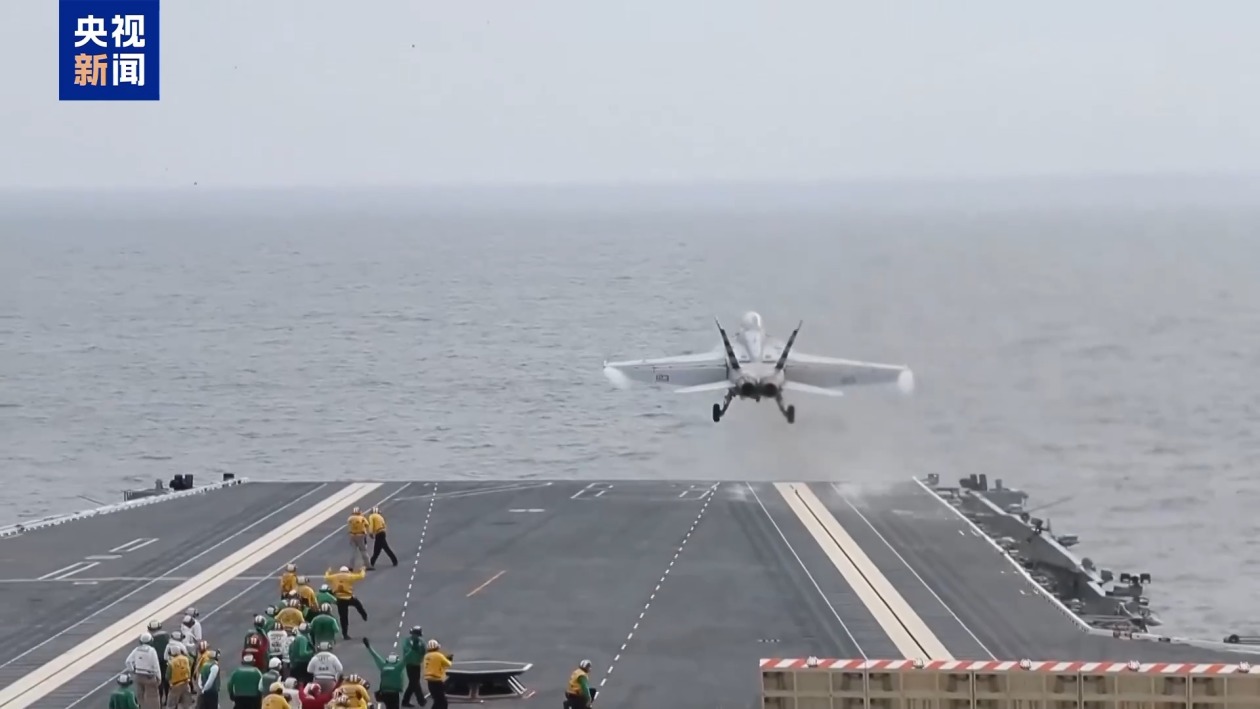
This is already the second major design change for aircraft carriers pushed by the Trump administration recently. On the 13th, Trump signed a national security memorandum ordering the Navy to abandon the electromagnetic catapult system when constructing the latest carriers, reverting to the steam catapult system that has been in use for over half a century, and giving the Pentagon and the U.S. Navy 60 days to submit a specific plan for removing the electromagnetic catapult system.
Whether to change the aircraft carrier design remains highly uncertain.
Upon the release of this news, there was an uproar in the U.S. The Washington Post stated that compared to steam power, the electromagnetic catapult has fewer moving parts, is more reliable, has lower operating costs, and can provide higher launch speeds. The valves, stabilizers, and piping required for the steam catapult system create a significant maintenance burden and higher labor costs. The Washington Post believes that this decision will have a profound impact on the readiness of U.S. aircraft carriers, national security, and technological advantages, and is a "wrong choice."

Senior Fellow at the Hudson Institute, Clark: Reverting to steam catapults is essentially like saying I want to convert a maglev train back to a steam locomotive. We wouldn't do this in the civilian sector, so why do it in the military sector?
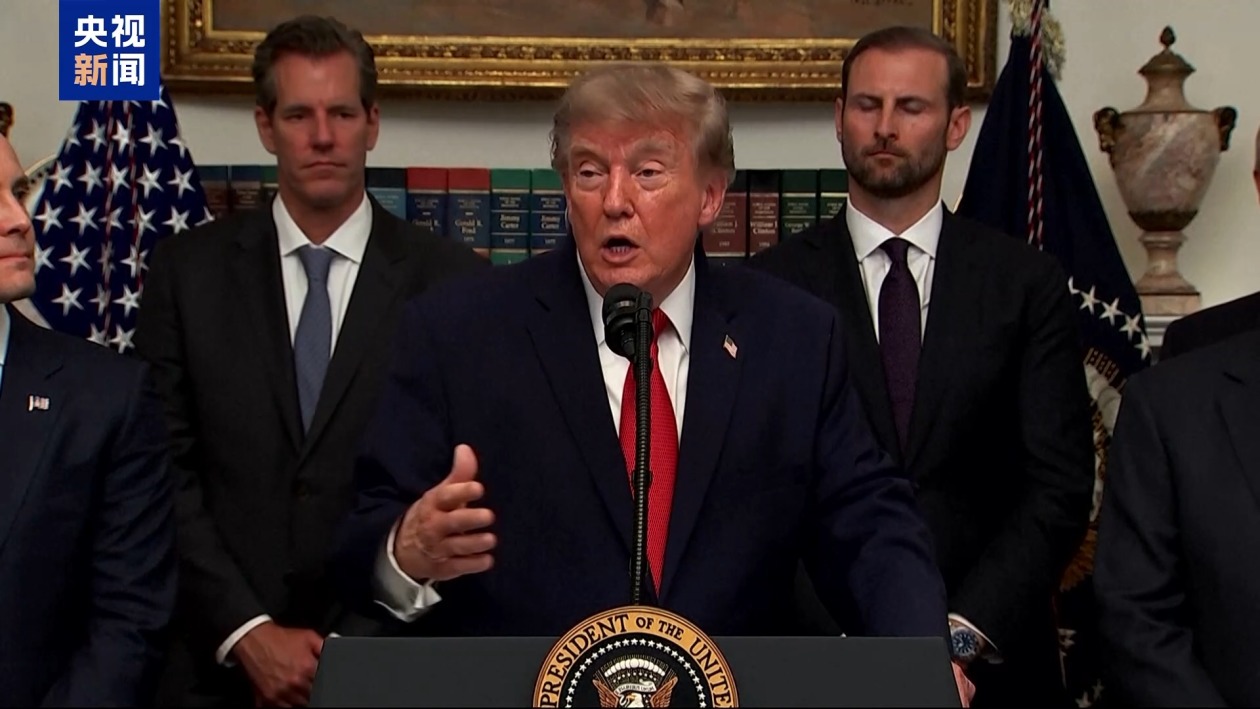
However, "The War Zone" pointed out that Trump's current term will end in January 2029, by which time the construction of other "Ford" class carriers is likely still in relatively early stages. Any new administration could restore the original design plan for the ship. Congress may also intervene sooner, including blocking any funding for changes to the "Ford" class carrier design.
The U.S. Navy is considering significant design changes to the Ford-class aircraft carrier, including moving the island to the center and reverting to steam catapults from electromagnetic ones. This decision, prompted by President Trump, has faced criticism for its potential cost and impact on military readiness. Experts warn that these changes could delay delivery times and undermine technological advantages.
- The U.S. Navy is considering moving the island of the Ford-class carrier to the center of the ship.
- Trump has ordered the Navy to revert to steam catapults from electromagnetic ones.
- The design changes could cost billions and delay delivery times.
- There is significant opposition to these changes from military experts and media.
- The decision could have profound implications for U.S. military readiness and technological advantage.