

The Beretta M9A4: The Army’s Old Sidearm Finally Got A Red Dot – A generation of American soldiers can’t stop arguing about the Beretta M9. Some swear by it. Others swore at it (raises hand). Either way, few pistols carried more American history on their hips over the last 40 years, and the M9A4 was Beretta’s attempt to drag that design into the red-dot era.
Beretta M9A4: From Service Pistol To Civilian Concealed Carry
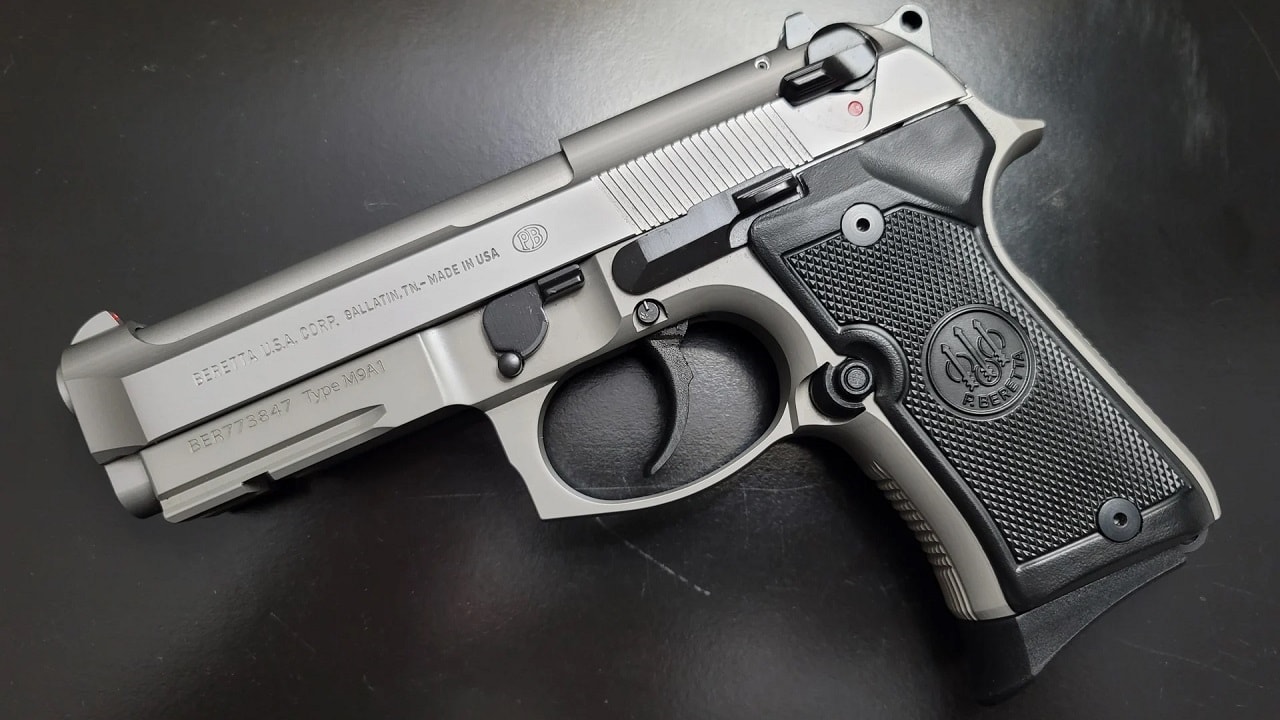
Beretta M9A1.
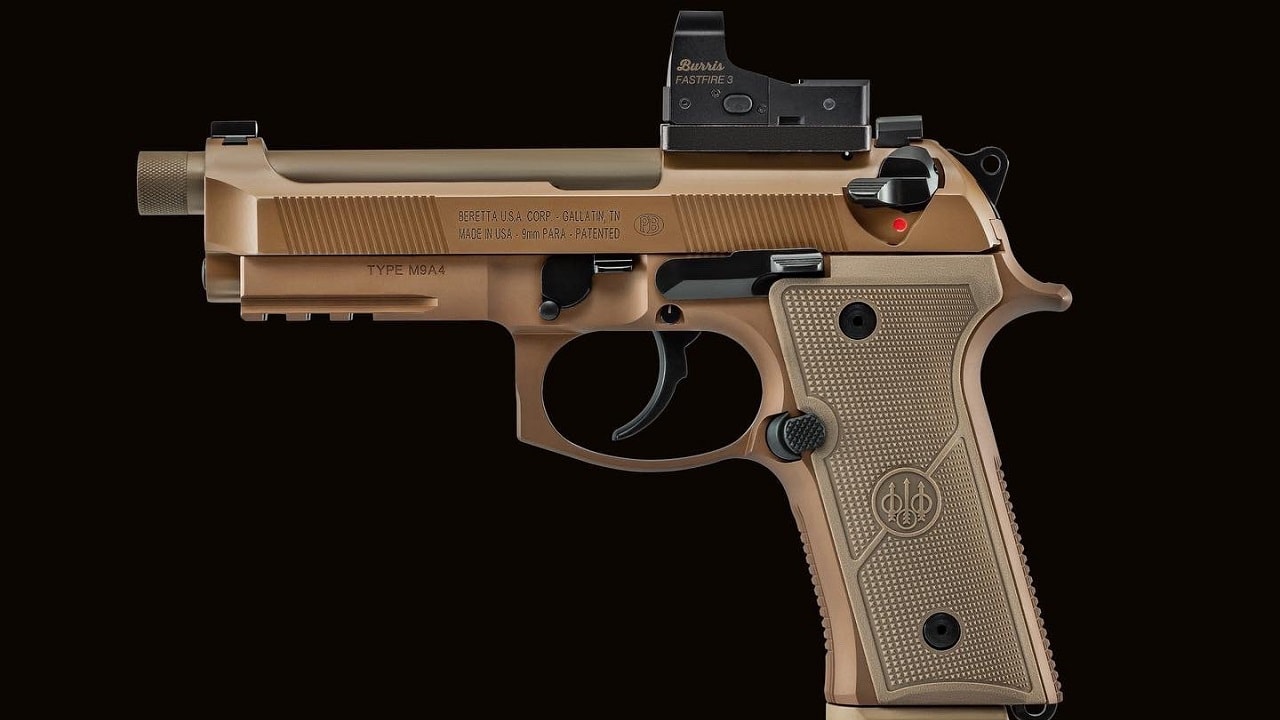
Beretta M9. Image Credit: Creative Commons.
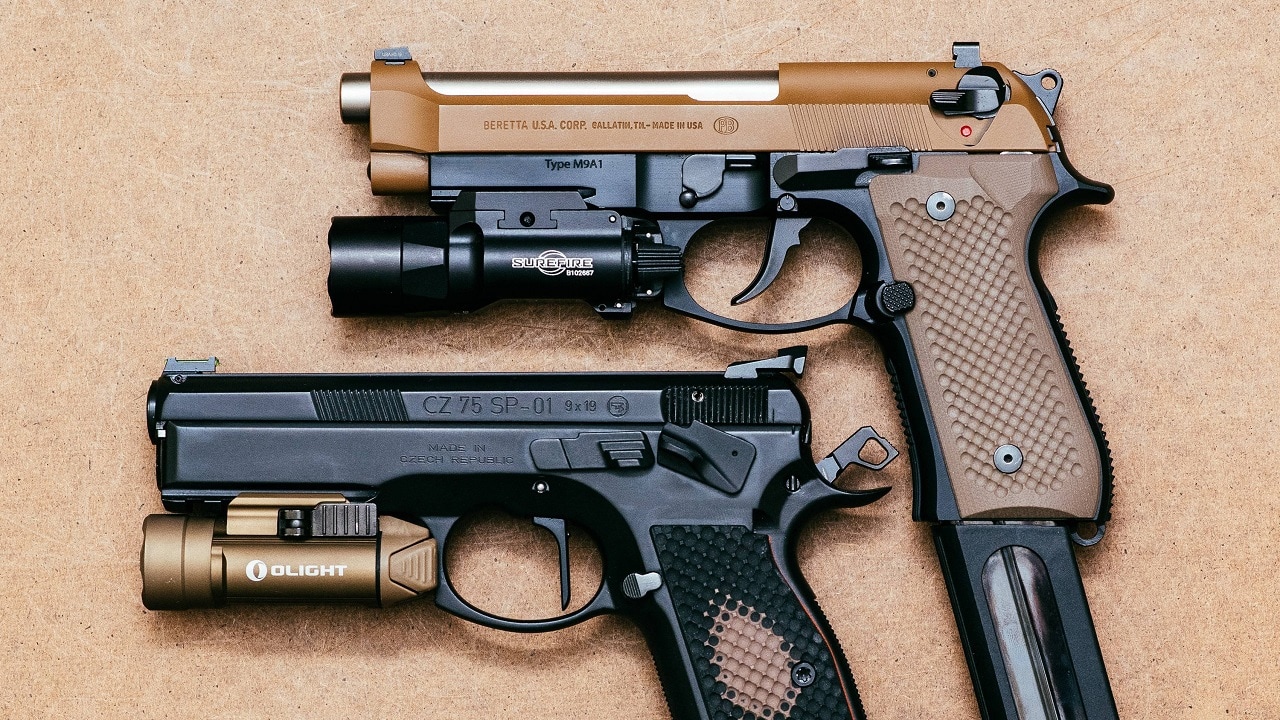
Beretta M9A1. Image Credit: Creative Commons.
The Army adopted the Beretta 92F as the M9 on February 14, 1985, replacing the M1911A1 under a $75 million initial contract, according to the Marine Corps Association’s history of the M9.
Old soldiers never forgave it for trading .45 ACP for 9mm. However, by then many of the issued 1911s were worn out, and one retired colonel said they “were like maracas; they were so loose.” The M9 gave troops softer recoil and more than double the magazine capacity.
The pistol also carried baggage. In the 1980s, some M9s suffered slide failures. A couple of Navy SEAL operators were injured by the slides flying back in their faces. The Army investigated the slide failures and found that low metal toughness caused the slides to separate.
Further investigation by the Army revealed that some pistols developed frame cracks at the rear of the grip area, just above where the trigger bar rides. The SEALs ditched the M9 for the SIG Sauer P226.
Beretta eventually fixed the issues with the slides and frames.
However, the reputation stuck around for a very long time. The M17 and M18 began replacing the M9 in 2017, but the civilian market never stopped buying Berettas. SOFREP has covered why the pistol still has such a loyal following.
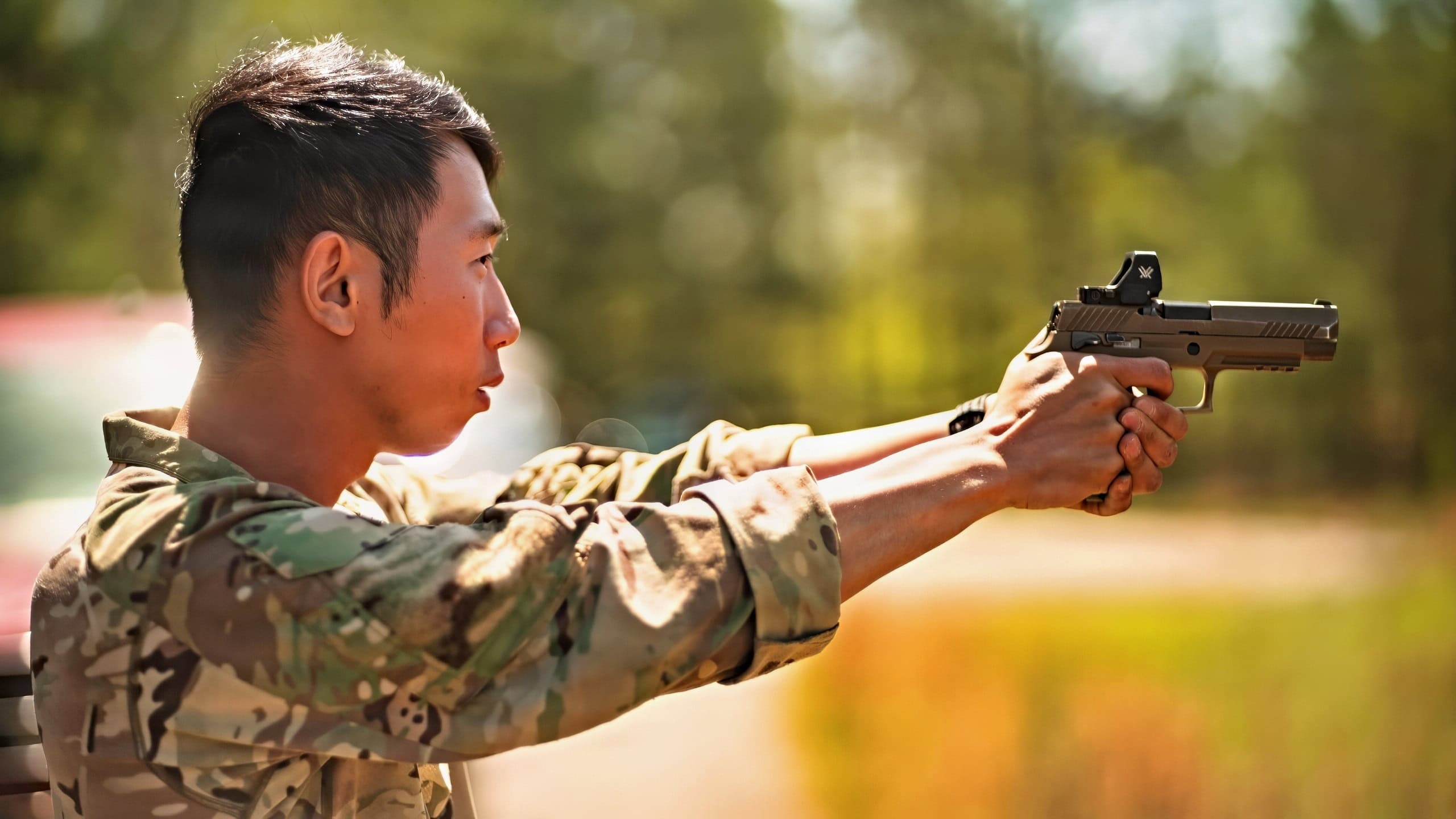
U.S. Army Sgt. Gengyang Jiang, assigned to Headquarters and Headquarters Company, 1st Battalion, 18th Infantry Regiment, 1st Infantry Division, practiced aiming a SIG Sauer M17 pistol for one of the International Sniper competition events at Fort Benning, Ga., April 9, 2026. The International Sniper Competition tests elite teams in a rigorous gauntlet of events including long-range marksmanship, stealth movement, and reconnaissance and reporting ability. (U.S. Army photo by Sgt. Chase Murray)
What The A4 Added
Beretta introduced the M9A4 in September 2021. The headline feature is the optics-ready slide, with integral cuts that accept a range of mounting plates.
The earlier M9A3 needed aftermarket work to run a dot. The A4 also ships in G configuration, meaning the slide-mounted lever only decocks the hammer and springs back up. There’s no manual safety to forget under stress.
The rest of the package reads like a list of fixes for everything shooters complained about in the original M9.
Beretta’s product page lists thin, aggressively textured Vertec-style grips, the short-reset Xtreme Trigger System, dovetailed tritium night sights, a beveled magazine well, an oversized magazine release, and a three-slot Picatinny rail.
The grip was always the big complaint about the 92 for shooters with smaller hands. The Vertec profile goes a long way toward fixing it. Capacity is 18+1 with the flagship magazine, with 15- and 10-round options for restricted states.
How Well Does It Shoot?
Athlon Outdoors shot defensive ammunition at 25 yards and got groups of 2.11 inches with Browning 147-grain JHP, 2.05 inches with Hornady 115-grain FTX, and 1.52 inches with Remington 124-grain JHP.
The reviewer called it “astounding for a diet solely of defensive ammunition.” The pistol ran to slide lock on every magazine with loads from 115 to 147 grains.
The trigger measured 9 pounds, 6 ounces in double action and 5 pounds, 5 ounces in single action, with a reset of about an eighth of an inch. That’s not a match trigger. It’s a duty trigger, and it is better than the original, which was IMO absolute shite.
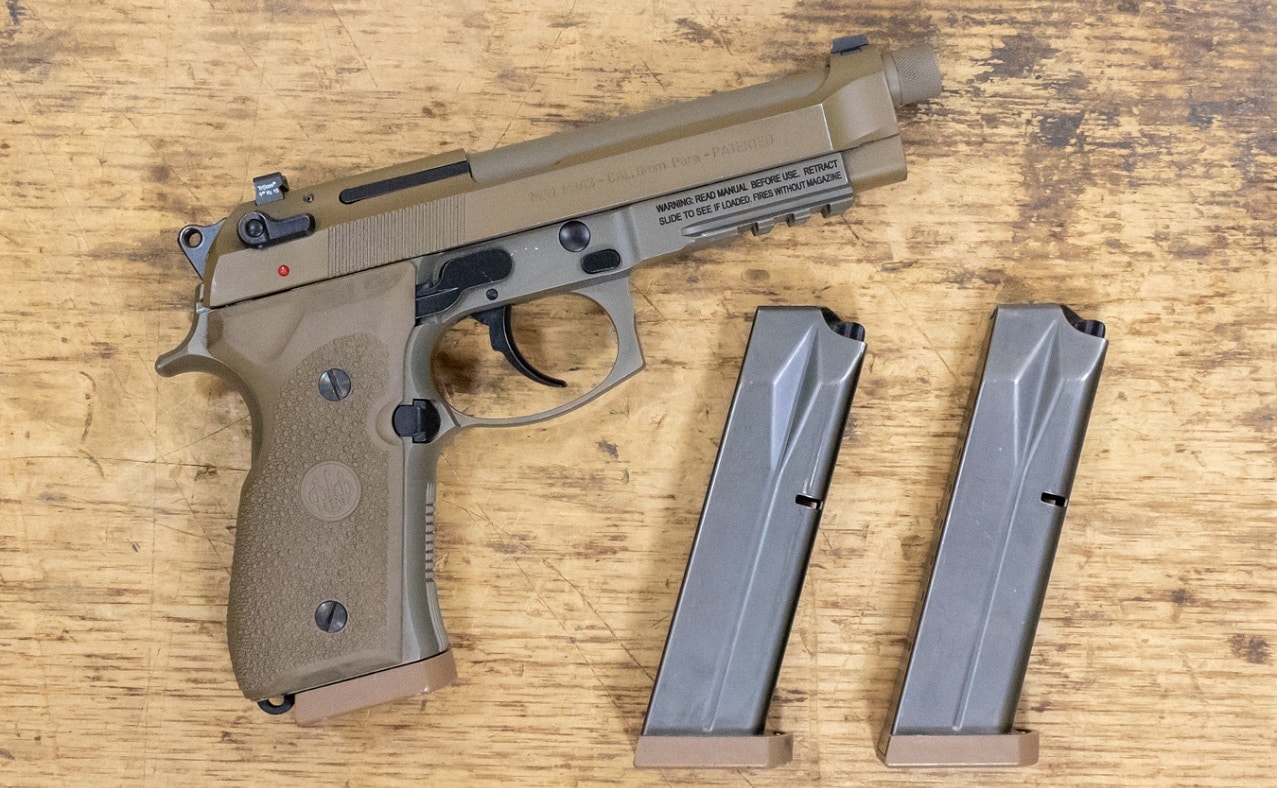
Beretta M9A3. Image: Creative Commons.
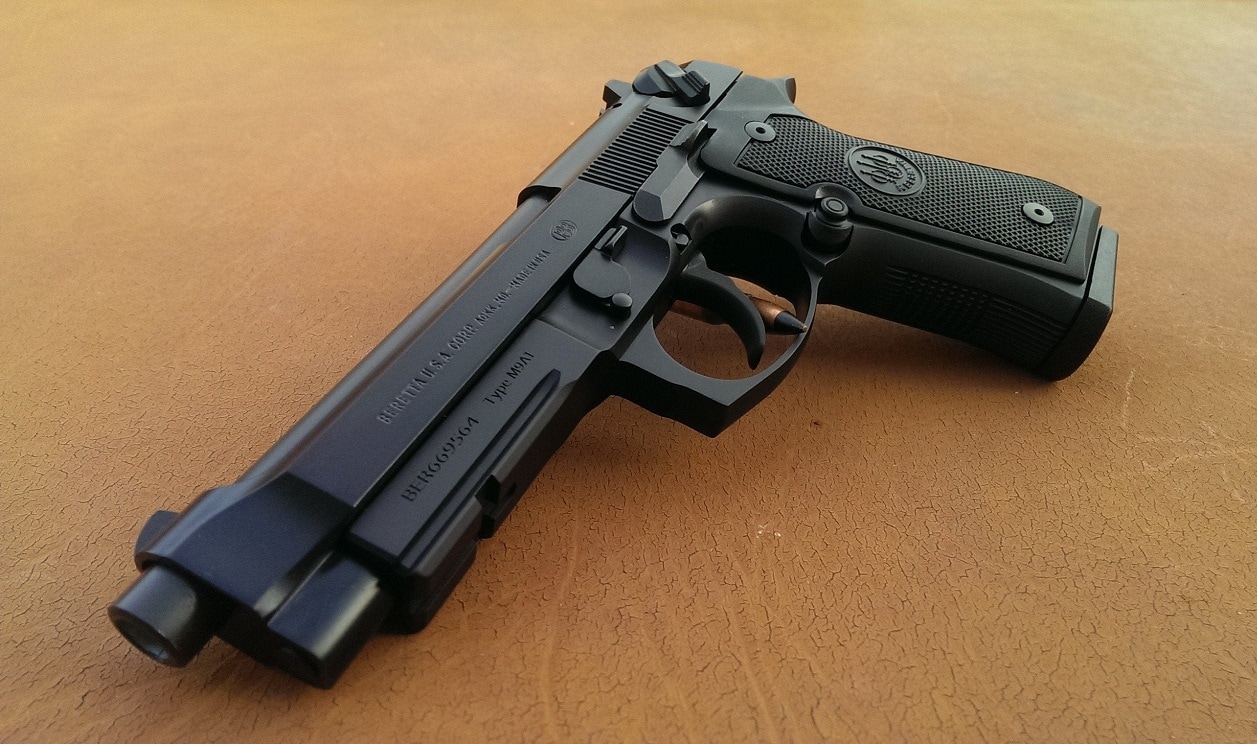
Image: Creative Commons.
The Honest Trade-Off
This is a big, heavy pistol. It has a 5.1-inch barrel, measures 8.7 inches long, and weighs 33.4 ounces empty. Load 19 rounds and hang a light on the rail, and you’ll feel it by lunchtime. It can be carried concealed. Plenty of people won’t enjoy doing it.
The optic setup is the other compromise. Because of the M9’s open-top slide and the way the plates stack up, the dot sits high.
Athlon and Recoil both noted that the standard-height sights won’t co-witness through a mounted optic, and Recoil called the height “weirdly high.” Recoil would also have preferred frame-mounted controls like those on Beretta’s 92X line, and it knocked the small magazine well and the lack of a gas pedal on the takedown lever.
Left-handed shooters should know the slide stop is right-side only. Older 92 holsters won’t fit either.
And then there’s the price. The M9A4 launched at $1,099. Beretta now lists it starting at $1,249.
For that money, you can buy a polymer striker-fired pistol, a quality red dot sight, and a box of ammunition. You can buy a Glock 19 with a red dot for less.
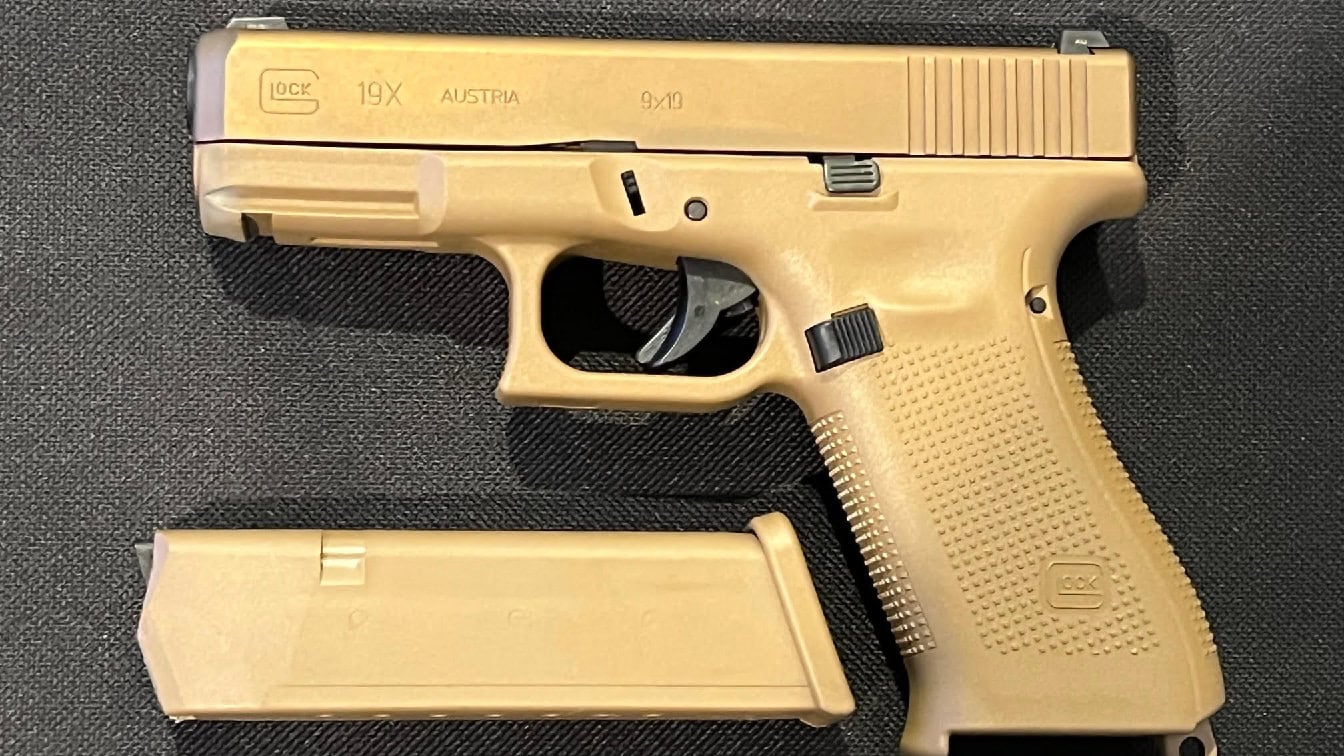
Glock 19X. Image Credit: Original Image from 19FortyFive.
Say what you want about the value argument. That’s beside the point. Nobody buys an M9A4 because it’s the cheapest way to put a dot on a 9mm.
Who Is It For?
In my opinion, the Beretta M9A4 is for shooters who already love the 92 platform and want it brought up to modern standards. As a home-defense or nightstand gun, it will do the job: it is accurate, soft-shooting, with night sights and a light rail. As a daily-carry gun, there are lighter and much better options.
Personally, I’ve never cared for the Beretta. The A4 doesn’t change what the M9 is. It does, however, finally give it the features it should have had years ago.
A generation of soldiers still argues about the M9. The A4 gives the pro-Beretta side a better argument. Just not here.
About the Author: Steve Balestrieri
Steve Balestrieri is a 19FortyFive National Security Columnist. He served as a US Army Special Forces NCO and Warrant Officer. In addition to writing for 19FortyFive, he covers the NFL for PatsFans.com and is a member of the Pro Football Writers of America (PFWA). His work was regularly featured in many military publications