
ICEYE and Nokia team up on sovereign satellite internet
Finnish satellite company ICEYE and telecommunications group Nokia will jointly develop broadband satellite communications systems that governments can own and run themselves, with the first satellites expected to launch in 2028, the two companies said on Oct. 1.
The systems will use satellites in low Earth orbit, a few hundred kilometers above the surface, to give defense forces, border guards, emergency services and disaster response teams fast, high-capacity connections over priority areas when ground networks are damaged or cut. Each customer country would own the satellites, the ground stations and the user terminals. Neither company disclosed how many satellites a national system would include, what it would cost, or whether any government has signed up.
“Nations must be able to fully own and control their communications, without dependency on a foreign commercial operator’s terms of service,” said Rafal Modrzewski, CEO and co-founder of ICEYE.
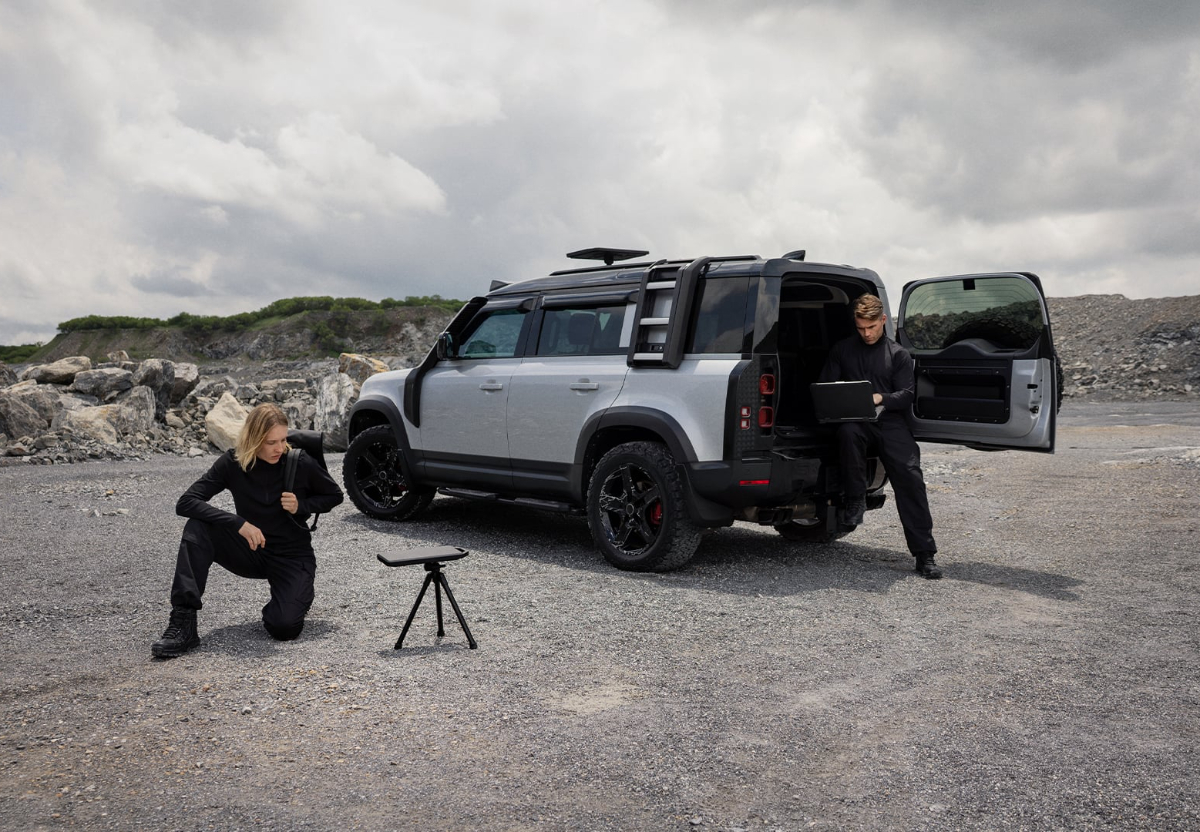
The companies said the systems are meant to work alongside existing military and commercial networks, adding coverage and backup capacity. ICEYE will bring its experience building and delivering satellites, and Nokia its secure networking technology, with the two integrating the satellites, ground infrastructure and rugged terminals into one package.
ICEYE is best known for its radar imaging satellites, which can photograph the ground through cloud and darkness, and it has built a business selling countries their own satellites rather than only selling images. The new venture applies the same model to communications.
“We delivered Poland its own radar satellite system in under a year. Partnering with Nokia lets us move at a similar speed for satellite communications, on the timelines nations need,” Modrzewski said.
Poland bought its own constellation of ICEYE radar satellites in 2025, making it one of the first countries to own a dedicated fleet built on the company’s design.
Modrzewski’s comment about foreign operators touches on a debate that has run through European capitals since the war in Ukraine showed how much militaries can come to depend on SpaceX’s Starlink network, which is owned and controlled by a private American company. The European Union is building its own secure communications constellation, IRIS², but it is not expected to enter full service until around 2030.
Nokia, which sells mobile and fixed network equipment to telecom operators worldwide, has been expanding its defense business. Its CEO, Justin Hotard, said secure connectivity across land, sea, air and space would give nations the awareness and control they need in contested environments.
Modrzewski and Hotard are due to speak at the Helsinki Security Forum on Oct. 2 in a session on Europe’s technological sovereignty.
Content preview only. Full article available at source. View Full Article
ICEYE and Nokia are collaborating to develop broadband satellite communications systems for government ownership, with the first satellites expected to launch in 2028. These systems will provide fast, high-capacity connections for defense forces and emergency services, particularly in areas where ground networks are compromised. Each participating country will own its satellites and ground stations, enhancing national control over communications.
- ICEYE and Nokia are developing broadband satellite communications systems for government ownership.
- The first satellites are expected to launch in 2028.
- The systems will provide high-capacity connections for defense forces and emergency services.
- Each customer country will own the satellites and ground infrastructure.
- The initiative aims to reduce dependency on foreign commercial operators.