
In 2026, Boko Haram and ISWAP Lock Down Lake Chad — Nigeria Loses the Road War
 Marie Dubois
In 2026 Boko Haram and ISWAP Lock Down Lake Chad — Nigeria Loses the Road War
Marte, Borno State, October 1. Residents went to gather firewood in the bush. At least 18 never returned. According to local officials cited by Reuters, the victims were killed by Islamist fighters. This narrative is commonplace in northeastern Nigeria, and that is precisely the problem. The war is no longer measured solely by attacks on military bases, but by the ability of a displaced family to leave a camp to find fuel.
The available information does not allow for the certain attribution of each victim to a faction. However, it does show a clear trend in the Lake Chad basin: Boko Haram and the Islamic State West Africa Province (ISWAP) are fighting for control over populations, routes, and taxes. The civilian is not collateral damage. They have become the essential passage of the war economy.
Marte is Not an Isolated Village
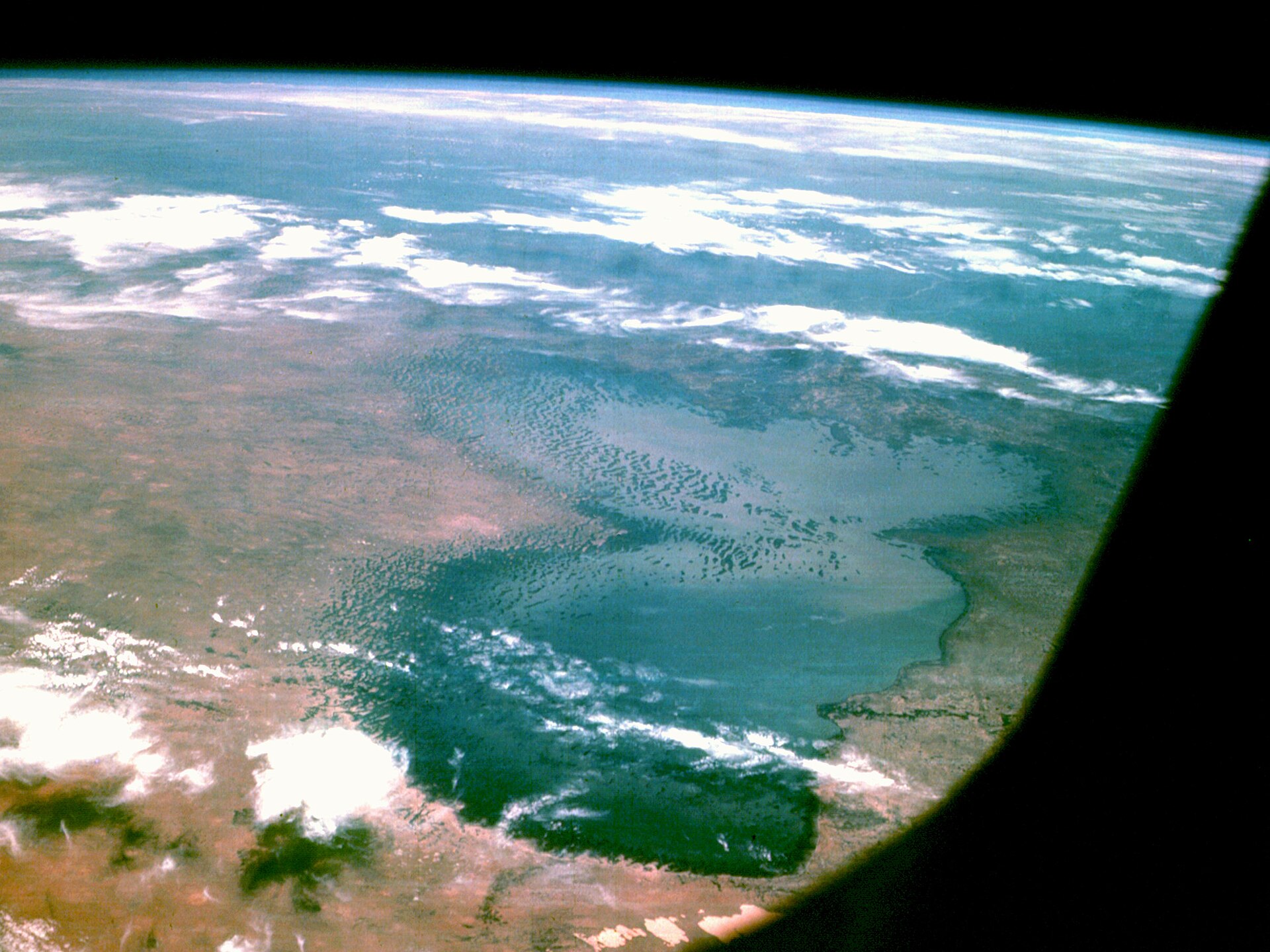
Marte is located in the northeastern corner of Borno, in an area of swamps, islets, and channels where the border between Nigeria, Niger, Chad, and Cameroon is a military abstraction. The roads there are seasonal. Boats and bush paths count more than paved highways. Therefore, a unit holding a post does not automatically control the farms located a few kilometers away, let alone the routes to Baga or the shores of the lake.
An article from ADF Magazine, published in November based on testimonies from Truth Nigeria and analysis by Zagazola Makama, describes a system of passes and levies. Fishermen, traders, and farmers pay to move around or access a plot. Those who refuse, or whom the groups suspect of informing the authorities, risk execution. In the displaced persons camps, this tax is not an ideological contribution: it is the price imposed to reach a source of income.
Two Rival Organizations, One Logic of Control
Boko Haram and ISWAP do not form a coalition. Their rivalry is longstanding and often deadly. However, it does not prevent them from employing a similar method: monitoring movements, imposing taxes, sanctioning informants, and cutting access to land when it serves their tactical advantage.
ISWAP has a more structured apparatus in several lakeside areas. Estimates cited by ADF Magazine put the levies on fishing communities in Lake Chad at $41.5 million per year, a figure that should be considered an estimate rather than a verified accounting. Even imprecise, the order of magnitude reminds us that the organization does not only live off ransoms or loot. It administers a mobile territory, with regular revenues and predictable sanctions.
Boko Haram, for its part, retains networks capable of striking villages and contesting corridors against Nigerian forces and its rival. The massacres of farmers are not merely acts of terror. They deprive the adversary of labor, punish communities that negotiate with the wrong faction, and signal that access to the bush depends on the armed group present that day.
The Military Response Struggles with Geography
Abuja claims it wants to continue operations and rejected, in early November, the idea of a ceasefire with Boko Haram and ISWAP, according to Reuters. This position is understandable. A poorly controlled truce would give the groups time to rebuild their stocks, networks, and positions on the islands. But an offensive announced from the capital does not automatically protect the residents of Marte.
On the ground, the problem is one of permanence. A patrol can clear a path, recover bodies, or repel an attack against a base. It cannot, alone, guarantee every harvest, every firewood collection, and every crossing. The Multinational Joint Task Force (MNJTF) provides an essential regional architecture, but its means and presence remain intermittent. In a theater where water shifts routes and where groups know the channels better than the maps, air superiority does not replace daily control.
The operational experience is harsh: if the army only secures the major posts, it leaves armed groups with a monopoly on small movements. If it escorts farmers without holding the area between two escorts, it creates a security window, not a recovery of territory. For the residents, the difference between these two models is measured in hours of walking and bags of grain, not in press releases.
The Risk for 2027 is an Archipelago of Restricted Areas
The strategic consequence extends beyond Borno. The same mechanisms affect Logone-et-Chari and Mayo-Tsanaga in the Far North of Cameroon, where kidnappings, cattle thefts, and attacks on villages continue to displace the population. An administrative border does not stop fighters or taxes. It can even provide a depth of retreat when forces pursue a group beyond their national mandate.
The most immediate danger is not necessarily a large offensive against Maiduguri. It is the silent consolidation of dozens of small areas where the state no longer decides who can move. A population that pays Boko Haram for one plot and ISWAP for another does not recognize two authorities: it tries to survive between two enemy checkpoints.
The figures from October and testimonies from November are still incomplete, and some claims remain unverifiable. But the operational indicator is reliable: when going to gather firewood becomes a risky mission, the front line has already crossed the military base. In Nigeria, the next battle for Lake Chad will be won less by retaking a camp than by the sustainable reopening of paths to fields, markets, and water.
Sources
- Reuters, October 2, 2026 — attack on villagers in Borno.
- ADF Magazine, November 2026 — taxes, movements, and Boko Haram–ISWAP rivalry in the Lake Chad basin.
- Reuters, November 5, 2026 — Nigerian government's position on a ceasefire.
At least 18 civilians were killed by Islamist fighters in Marte, Borno, on October 1, 2026, while searching for firewood. Boko Haram and ISWAP are competing for control over the Lake Chad region, imposing taxes on civilians for movement and access to resources. The Nigerian military's efforts to secure the area are hindered by geographical challenges and a lack of consistent presence.
- At least 18 civilians were killed by Islamist fighters in Marte, Borno.
- Boko Haram and ISWAP are competing for control over the Lake Chad region.
- Civilians are subjected to taxes imposed by both groups for movement and access to resources.
- The Nigerian military's response is hampered by geographical challenges and insufficient presence.
- The situation reflects a broader trend of insecurity affecting the region.