
Iran classifies the British Navy and Air Force as terrorist in 2026 and turns the Gulf into a testing ground for maritime deterrence.
 Ahmed Al-Rashid
Iran Classifies the British Navy and Air Force as Terrorist Organizations in 2026 and Turns the Gulf into a Testing Ground for Naval Deterrence
On November 1, 2026, the Iranian Foreign Ministry announced the inclusion of the British Royal Navy and the Royal Air Force on the list of "terrorist organizations," and described the British intelligence agency MI6 as a "hostile entity." This announcement is not a judicial action enforceable outside Iran, but it raises the level of friction between Tehran and London from a political dispute to a security language that directly touches regular forces. For Gulf countries, the danger lies not only in the statement itself but in the possibility that it could turn into symbolic rules of engagement against ships and facilities associated with Britain.
Why Did Tehran Choose the Navy and Air Force?
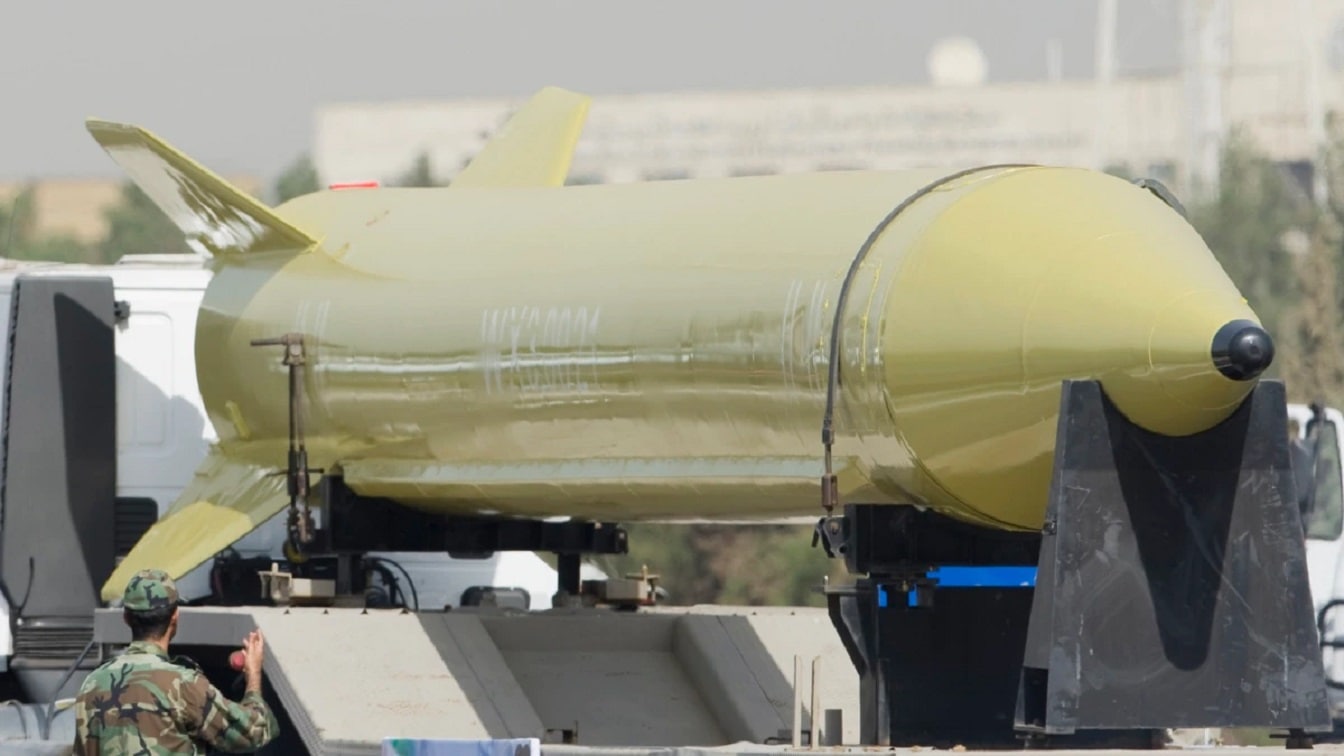
According to a report published by Xinhua News Agency, Iran linked its decision to what it considers British logistical support for American and Israeli operations, as well as London's previous decision to classify the Iranian Revolutionary Guard as an illegal organization. The choice of the naval and air forces is intentional; they are the most visible tools of British presence in the region, and they are also the channels through which maritime surveillance, navigation protection, or long-range strikes can be supported.
From a military perspective, the classification does not mean that Tehran has declared war on Britain. However, it creates a political cover for any tightening of inspections, harassment, or intelligence gathering against British ships or against commercial vessels that Iran sees as operating on behalf of London. In an environment already suffering from ambiguity of identity and early warning, a single incident is enough for political interpretation to outpace professional investigation.
The Gulf Needs Clear Rules More Than an Additional Fleet
The Iranian move comes at a time when the language of negotiation coincides with the language of threat. Al Jazeera reported that Tehran is considering a plan to reopen the Strait of Hormuz for two days, while Washington claims that talks are going well. This contradiction is at the heart of the crisis: opening the corridor is not a neutral commercial service, and closing it is not necessarily a declaration of total war; both are negotiation tools measured by the hour and the price of marine insurance.
Al Jazeera also reported in a separate update that a Qatari gas tanker was subjected to unidentified objects in the Gulf without injuries or pollution. There are no clues that allow for holding Iran responsible, and the incident should remain in the "under investigation" category. However, the occurrence of such incidents amid the new Iranian classification illustrates the fragility of deterrence: civilian vessels may be affected before governments make a clear political decision.
The Real Test for Britain is the Alliance, Not the Statement
Britain has maritime experience, bases, and communications with Gulf countries, as well as considerable reconnaissance capabilities. However, the presence of a ship or aircraft does not equate to a sustainable ability to protect every corridor and every tanker. As I always say, capability consists of three sides: equipment, training, and institutions. British equipment may deter an organized attack, but it does not alone solve the problem of unknown targets, low-cost drones, or slow political decisions within a multilateral alliance.
If London responds by increasing patrols without a communication channel with Tehran, it may give the Iranian classification practical value that it did not previously possess. If it settles for diplomatic protests, Gulf countries may interpret that as a signal that British protection is limited at the first friction. The practical solution is not to choose between escalation and retreat, but to establish maritime communication rules, publish unified warning statements, and separate the protection of commercial navigation from political display.
What the Decision Means for Saudi Arabia, the UAE, and Qatar
Saudi Arabia and the UAE rely on multiple Western partnerships, but they do not want to become battlegrounds between Iran and Britain. As for Qatar, whose energy exports pass through a sensitive maritime environment, it will be more interested in managing risks than adopting the rhetoric of either side. Therefore, Gulf capitals will likely push for arrangements that prevent the detention of ships and the exchange of accusations, while keeping intelligence cooperation away from public statements.
The most important lesson is that purchasing air defense systems or increasing the number of naval vessels does not automatically build security independence. The ability to prevent a small incident from escalating into a larger confrontation requires a shared decision-making sequence, reliable information, and political acceptance of the responsibility to respond. Otherwise, Gulf countries will continue to buy protection by day and pay the price of their ambiguity by night.
Conclusion
Classifying the British Navy and Air Force as "terrorist organizations" is a symbolic escalation with potential operational implications, not a complete declaration of war. However, it expands the list of political targets in a region that cannot tolerate further ambiguity. Britain can prove its weight through discipline, communication, and navigation protection within a clear alliance; if this step turns into a race of statements and naval vessels, the Strait of Hormuz will once again become a hostage to the contradiction between the desire for deterrence and the fear of paying the price.
Sources
On November 1, 2026, Iran classified the British Royal Navy and Royal Air Force as terrorist organizations, escalating tensions with the UK. This decision is linked to Iran's perception of British support for US and Israeli operations and may affect maritime operations in the Gulf. The classification could lead to new rules of engagement against British-linked vessels, while Iran considers reopening the Strait of Hormuz for negotiations.
- Iran classified the British Royal Navy and Royal Air Force as terrorist organizations on November 1, 2026.
- This classification raises tensions between Iran and the UK.
- Iran's decision is linked to perceived British support for US and Israeli operations.
- The classification could lead to symbolic rules of engagement against British-linked vessels.
- Iran is considering reopening the Strait of Hormuz for negotiations.