
Iran's Seven-Day Plan to Reopen the Strait of Hormuz Tests the Limits of American Deterrence in 2026
 S.W
S.WIran's Seven-Day Plan to Reopen the Strait of Hormuz Tests the Limits of American Deterrence in 2026
On September 25 and 26, 2026, Tehran presented Washington with a seven-day roadmap to reopen the Strait of Hormuz, while reports indicated that U.S. President Donald Trump quickly rejected it. The details are more important than the headlines: Iran offered to begin implementation steps within four or five days, open the corridor to commercial navigation on the sixth day, and then resume negotiations on the nuclear file on the seventh day. In return, it requested the lifting of the maritime blockade on Iranian ports, a suspension of oil sanctions, the release of about $12 billion in frozen assets, and a ceasefire that includes Lebanon and Yemen.
The Strait Has Become a Bargaining Chip, Not Just a Maritime Corridor
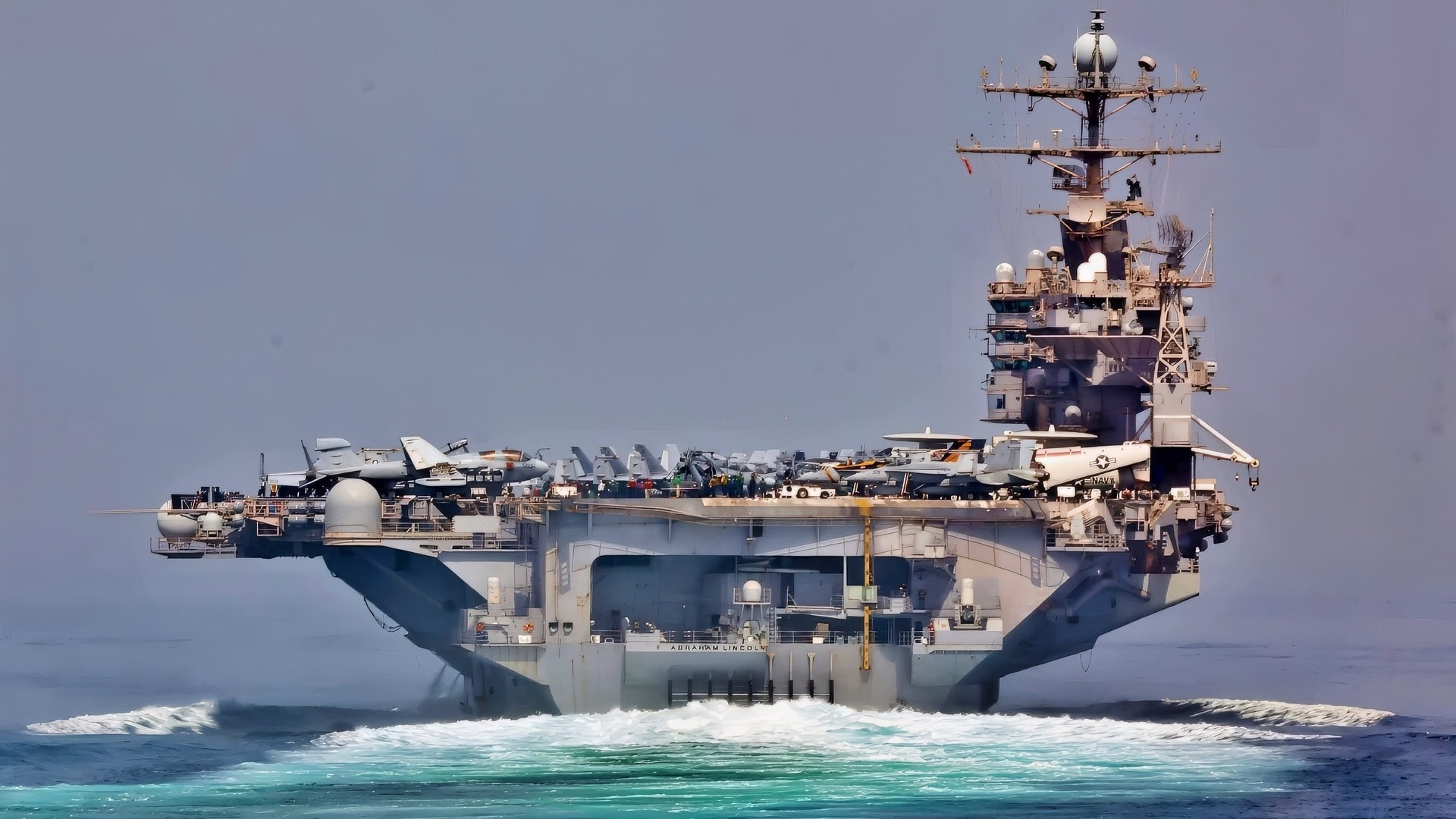
Under normal circumstances, about a fifth of global oil and gas trade passes through Hormuz, so its closure or opening not only changes shipping routes but also alters insurance, energy calculations, and military deployments. Tehran does not present the plan as a concession for free; it is practically stating that freedom of navigation cannot be separated from the freedom to export Iranian oil. Washington, on the other hand, wants to open the corridor first, ensuring that Iran does not regain military nuclear capability, believing that its naval superiority gives it the upper hand.
Militarily, this is not a balance between two equal fleets. The United States can protect convoys and employ reconnaissance aircraft, submarines, and long-range missiles, while Iran can utilize geography, fast boats, mines, anti-ship missiles, and the ongoing threat that raises the cost of every voyage. Tehran does not need to sink a large number of ships to succeed; it is enough to make shipping companies delay sailing or change their routes.
Why Gulf States Care More Than Washington and Tehran
The Gulf states are the ones paying the price for this stalemate daily. Saudi Arabia, the UAE, Qatar, and Kuwait cannot choose war or peace from a spectator's position, as their oil facilities, ports, and bases are linked to maritime corridors and the American presence. Even when Patriot or THAAD batteries intercept a missile, the economy remains vulnerable to shipping disruptions, price fluctuations, and supply chain issues.
Notably, the current crisis has revealed a gap between defending facilities and defending the regional system. Saudi Arabia announced the interception of six ballistic missiles on September 24, and then Britain agreed to send an RAF Voyager aircraft for air refueling in support of Saudi defensive sorties against the Houthis. While these measures may be helpful, they remind us that possessing the aircraft or battery does not mean having the continuous capability to operate them in a wide and multi-front theater. The Gulf buys platforms, only to discover in times of crisis that fuel, early warning, stockpiles, and unified command determine the outcome.
The Triad Capability and the Problem of Political Promises
I measure any military power by three dimensions: equipment, training, and institutions. American equipment gives Washington a high deterrent capability, but it does not eliminate the need for a clear political decision nor guarantee that every battery or ship is ready at the right moment. Training does not only mean flight hours; it includes joint operations between radar, aircraft, ships, and command centers. Institutions encompass rules of engagement, information sharing, port protection plans, and governments' ability to withstand weeks of pressure.
Therefore, rejecting the Iranian plan does not return the strait to its previous state. If Washington insists on negotiating from a position of strength, Tehran may see that the best response is to prolong the crisis and raise its cost for American allies. If Washington accepts to open the corridor before extracting nuclear concessions, hardline factions will accuse it of rewarding a policy of closure. Both options carry risks, and it is not true that naval superiority turns every crisis into a technical issue.
Mediators Have a Narrow Window
Qatar and Pakistan are conveying messages between the two parties, which is an important channel because Washington and Tehran do not trust direct communication. However, mediation cannot bridge the gap between two contradictory conditions: Iran wants guarantees and an immediate lifting of pressure before negotiations, while the United States wants to open Hormuz and ensure nuclear constraints before making major concessions.
In my view, the seven-day plan is not a ready agreement as much as it is a test of reactions. Iran wants to transform the strait from a military burden into a bargaining asset, while Washington wants to prove that the blockade does not force it to accept an Iranian timeline. The Gulf states want something simpler and more realistic: to keep their exports and ports operational without their territories becoming a battleground for exchanged messages.
Conclusion
The structural problem is not just in the number of American ships or Iranian missiles. It lies in the Gulf's reliance on external power to protect a trade route it cannot close or open itself, and in Washington's dependence on military deterrence without crafting a settlement acceptable to both parties. Hormuz may open tomorrow or in a week, but the contradiction between the Gulf's desire for security, Iran's insistence on sovereignty, and the United States' pursuit of imposing its conditions will remain. As every military officer who has served in the region knows, a corridor that requires constant guarding is not fully open even if ships pass through it.
Sources
- Al Jazeera, Interview with Iranian President Masoud Bezhakian, September 26, 2026.
- Al Jazeera, Details of the seven-day plan and its reported rejection, September 26, 2026.
- BBC, British assistance for air refueling in support of Saudi defense against the Houthis, September 22, 2026.
Iran proposed a seven-day plan to reopen the Strait of Hormuz on September 25-26, 2026, testing U.S. deterrence limits. The U.S. government quickly rejected the proposal, which included steps for commercial navigation and nuclear negotiations. The situation significantly impacts Gulf states, which rely on the Strait for their oil exports.
- Iran proposed a seven-day plan to reopen the Strait of Hormuz.
- The U.S. quickly rejected the proposal.
- Iran's plan includes steps for commercial navigation and nuclear negotiations.
- The Strait of Hormuz is crucial for global oil and gas trade.
- Gulf states are significantly affected by the situation.