
Iron Wings in Flight! Observing the Realistic Flight Training of Carrier-Based Helicopters
Author | Chang Yongjian, Ren Ce, Sun Mingyao, Huang Houren, Huang Zhenwei
Recently, a certain unit of the naval aviation of the Southern Theater Command
organized multiple shipborne helicopters
to conduct cross-day-and-night realistic flight training
to hone the troops' rapid response and joint combat capabilities
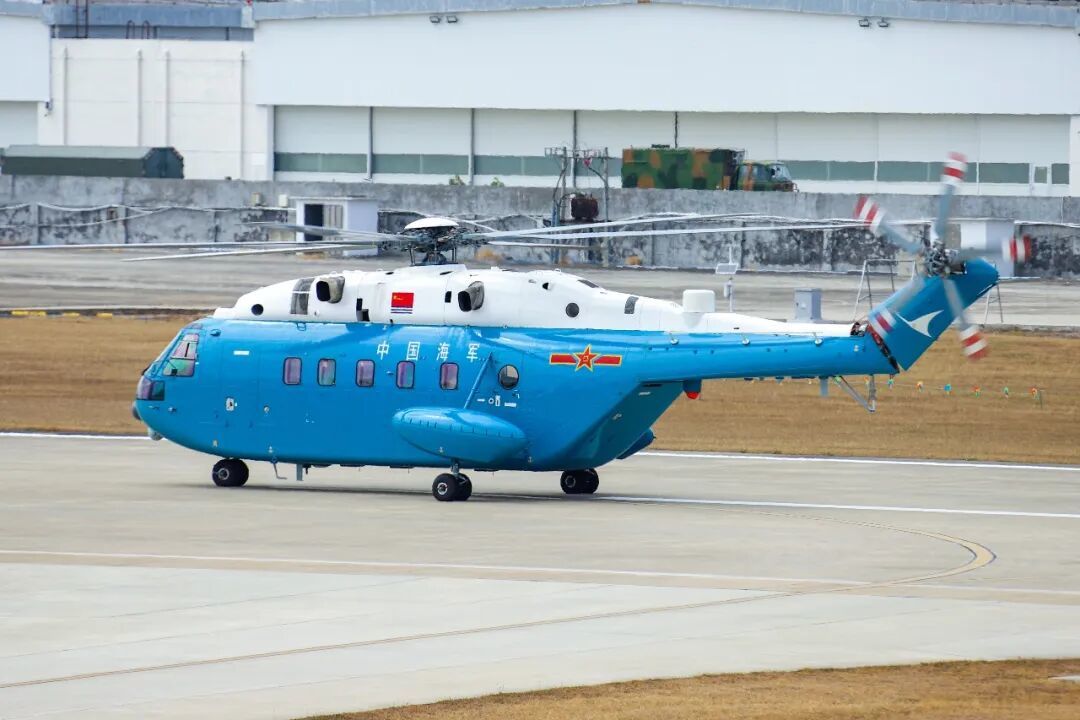
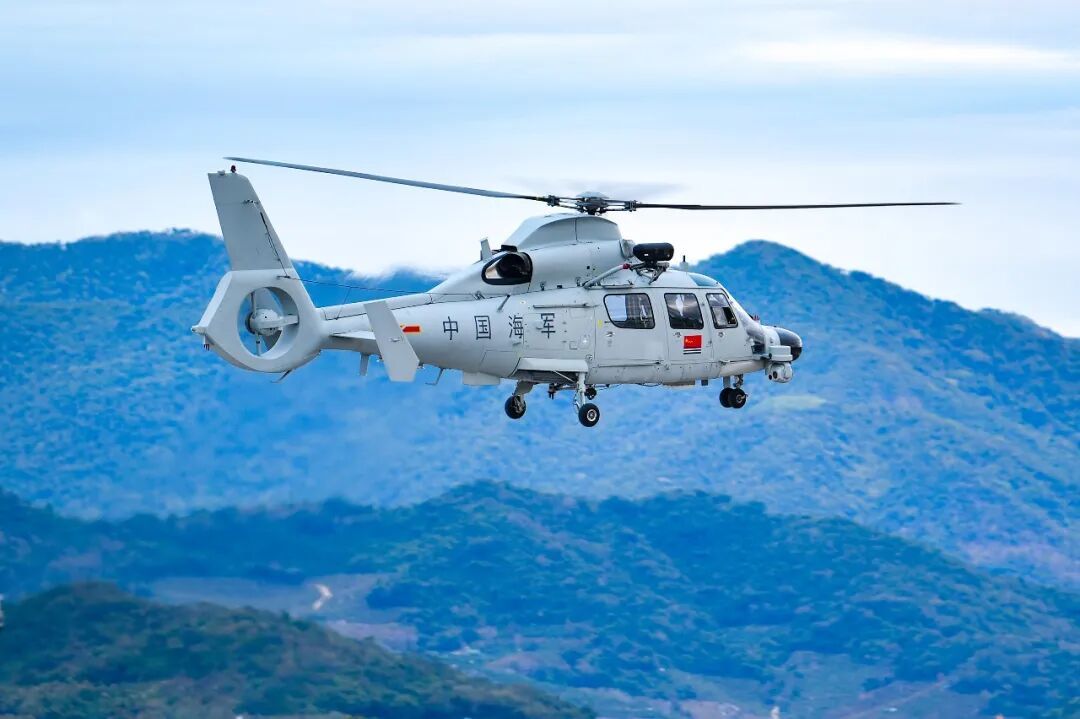
In the early stages of flight training
the unit held a safety risk assessment meeting
to evaluate safety risks and refine training plans
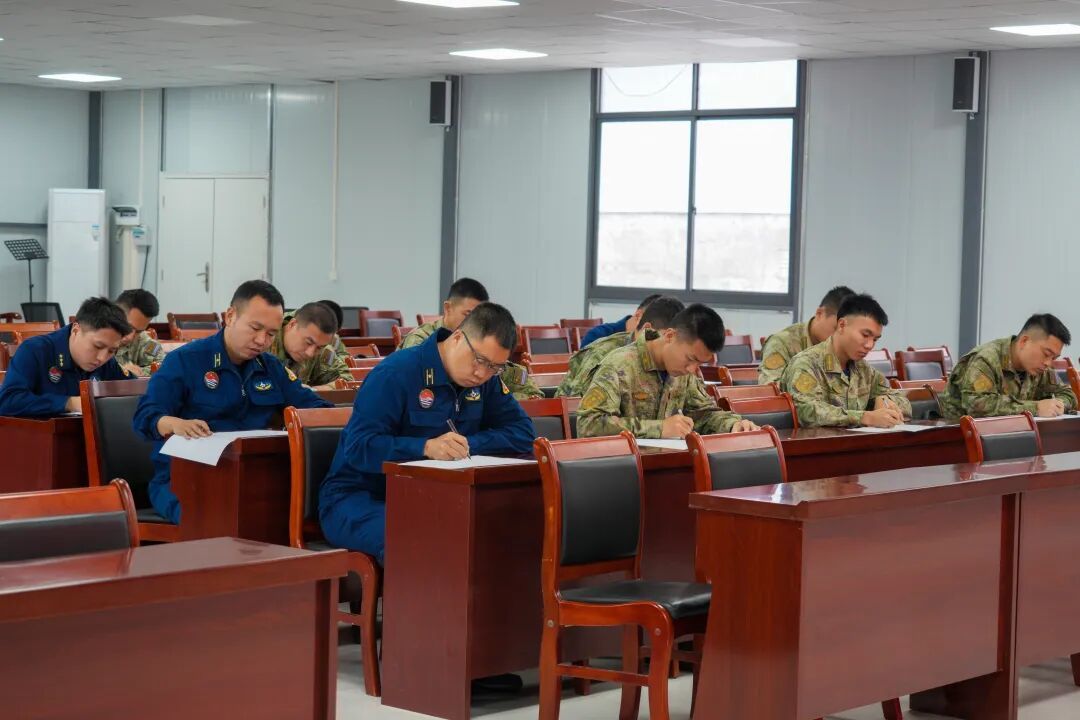
In a simulated combat environment
the pilots operated precisely
conducting formation flights in the designated airspace
with tasks such as land search and rescue, platform takeoff and landing
the crew members coordinated seamlessly
in the face of unexpected situations
quickly adjusting tactics and responding flexibly
successfully completing various training tasks
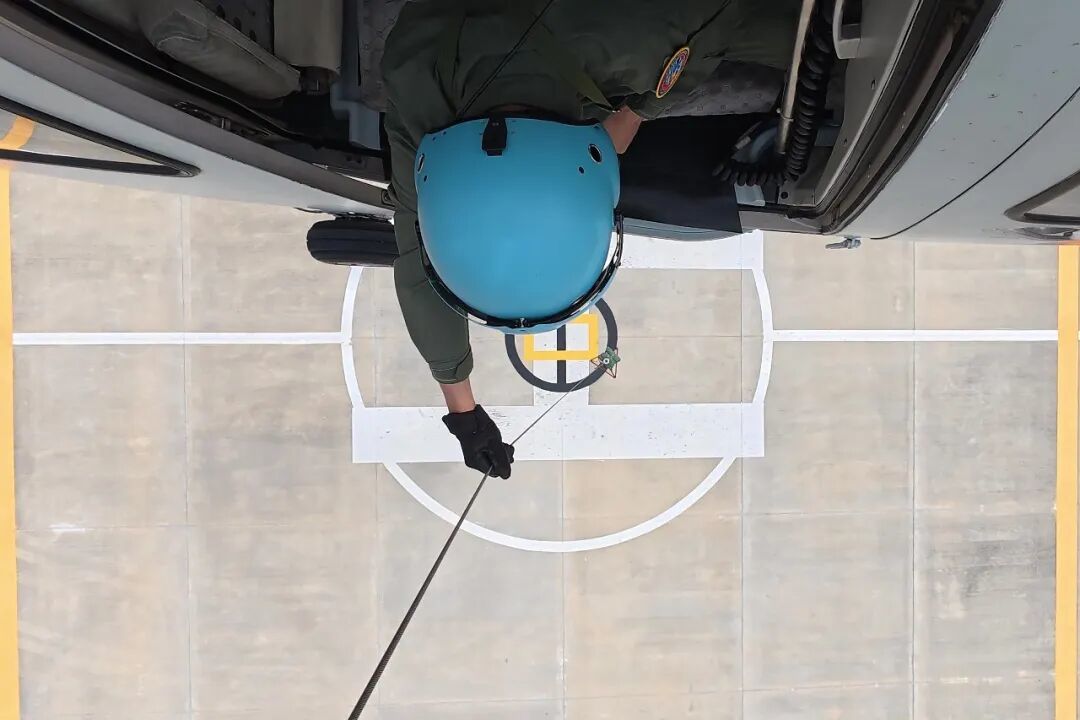
At the same time, the ground support personnel quickly entered a "wartime state"
various technical teams closely coordinated
to ensure that the helicopters completed inspections, refueling, and resupply tasks in the shortest time possible
they moved swiftly among the aircraft
ensuring the combat aircraft could take off safely
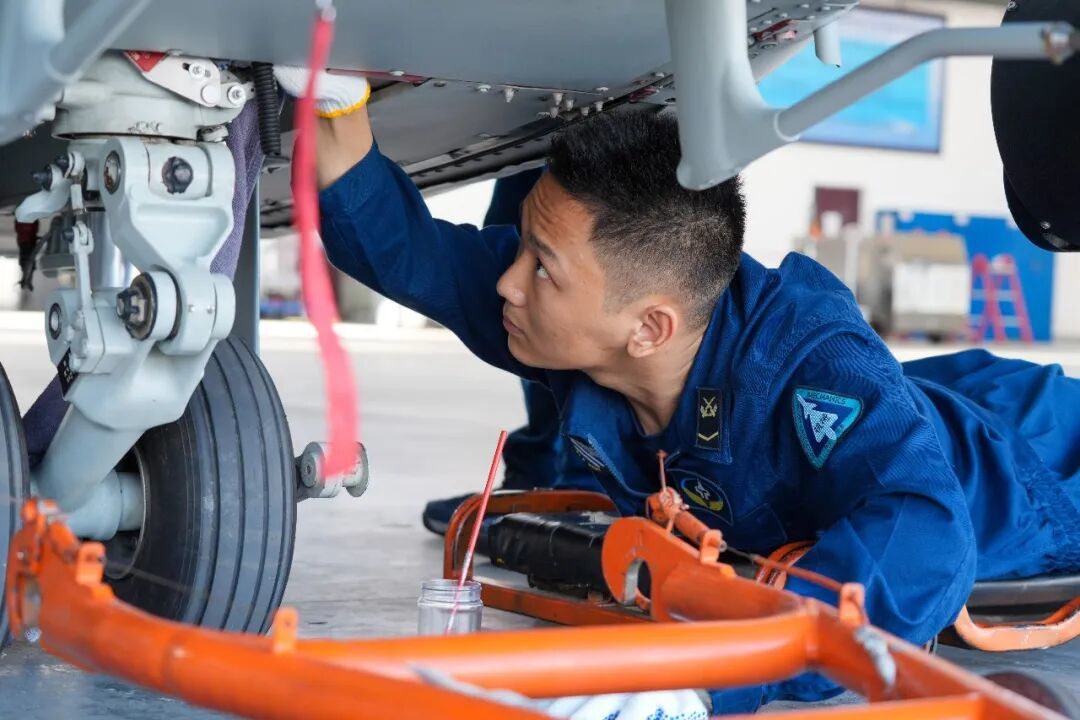
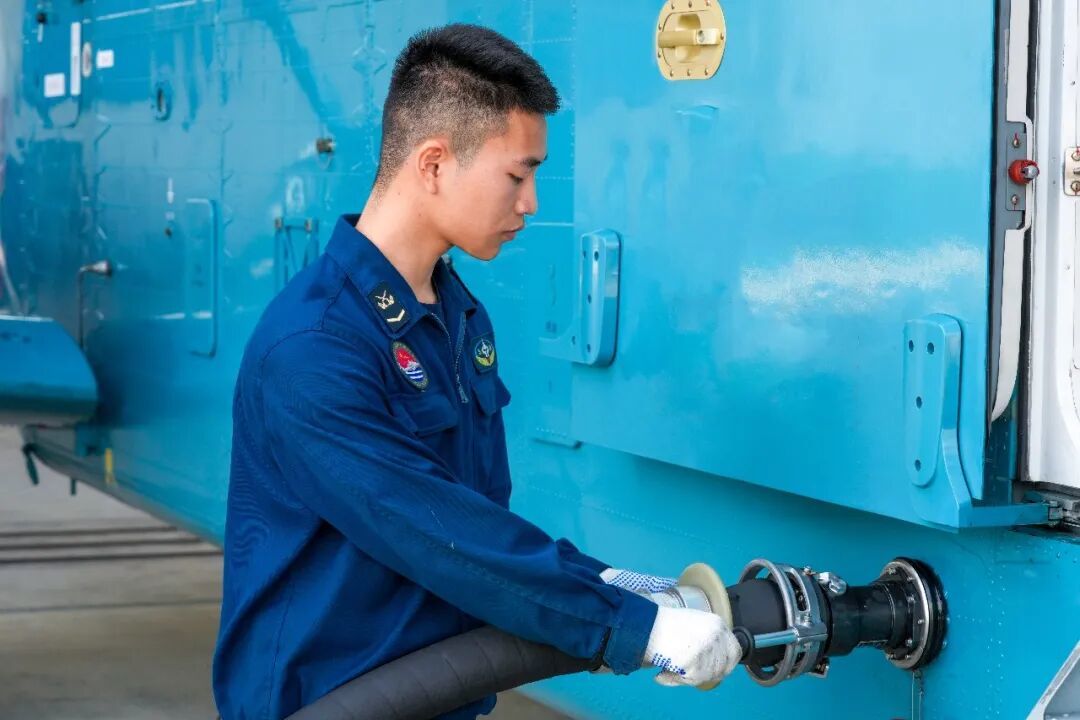
This cross-day-and-night flight training
honed the pilots' psychological quality and combat capabilities in complex environments
through high-intensity and high-difficulty training
the troops' level of combat readiness was further enhanced
laying a solid foundation for carrying out diverse military tasks
The Naval Aviation Force of the Southern Theater Command conducted day-and-night realistic flight training with multiple shipborne helicopters. The exercises focused on improving rapid response and coordinated combat capabilities, with ground support personnel ensuring helicopter readiness. Pilots executed precise operations in simulated combat scenarios, enhancing their operational effectiveness in complex environments.
- Multiple shipborne helicopters participated in realistic flight training.
- The training focused on rapid response and coordinated combat capabilities.
- Ground support personnel entered a 'wartime state' to ensure helicopter readiness.
- Pilots demonstrated precise operations in simulated combat environments.
- The training enhanced the unit's operational capabilities in complex environments.