
Israel signs a three billion euro air defense deal with Greece, turning the multi-layered shield into a tool of influence in 2026.
 Ahmed Al-Rashid
Israel Signs Air Defense Deal with Greece Worth Three Billion Euros, Transforming the Multi-Layer Shield into a Tool of Influence by 2026
In a regional moment saturated with lessons from the war with Iran and the exhaustion affecting Western interception stocks, Athens has chosen to purchase from Israel more than just air defense equipment. Reports that emerged in recent hours from Jerusalem and Athens spoke of an agreement valued at over 3 billion euros, or approximately 3.5 to 3.6 billion dollars, to build a multi-layered air defense system dubbed Achilles Shield. Militarily, this is not just a deal for radars and missiles, but a purchase of a complete combat doctrine crafted by Israel under the pressure of ballistic missiles, drones, and cruise missiles.
What Greece is Actually Buying
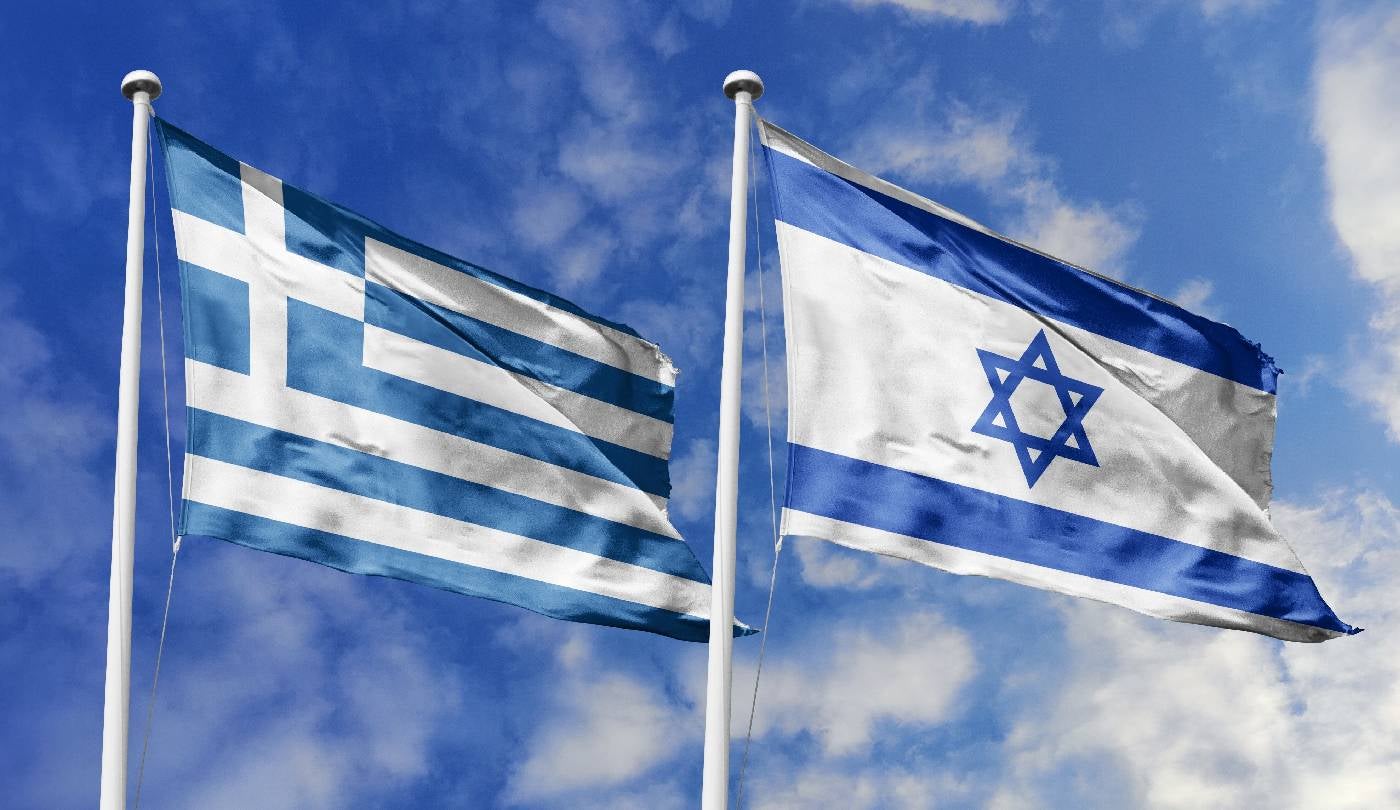
The confirmed part so far is that Greece is moving towards a three-layer defense structure, in the Israeli style, capable of dealing with threats of varying altitudes, ranges, and speeds. Some reports mentioned three separate Israeli systems, while others described the project as a unified network comprising radars, command and control centers, and distributed interception units. This variation in details does not change the essence of the deal: Athens wants a shield capable of transitioning from intercepting drones and cruise missiles to confronting ballistic threats in a single operational package.
Practically, the system being built with this philosophy requires three main functions. The first is wide early warning that connects sea, land, and air; the second is medium-range interception against drones, cruise missiles, and maneuvering targets; and the third is the ability to deal with ballistic missiles at higher altitudes and in shorter decision times. Any military personnel who has served in the region knows that the problem is not just in purchasing the launcher, but in the network's ability to detect the target early, distribute fire, and prevent ammunition depletion by intercepting threats that are more expensive than the threat itself.
What the Specifications Mean from Ahmed's Perspective
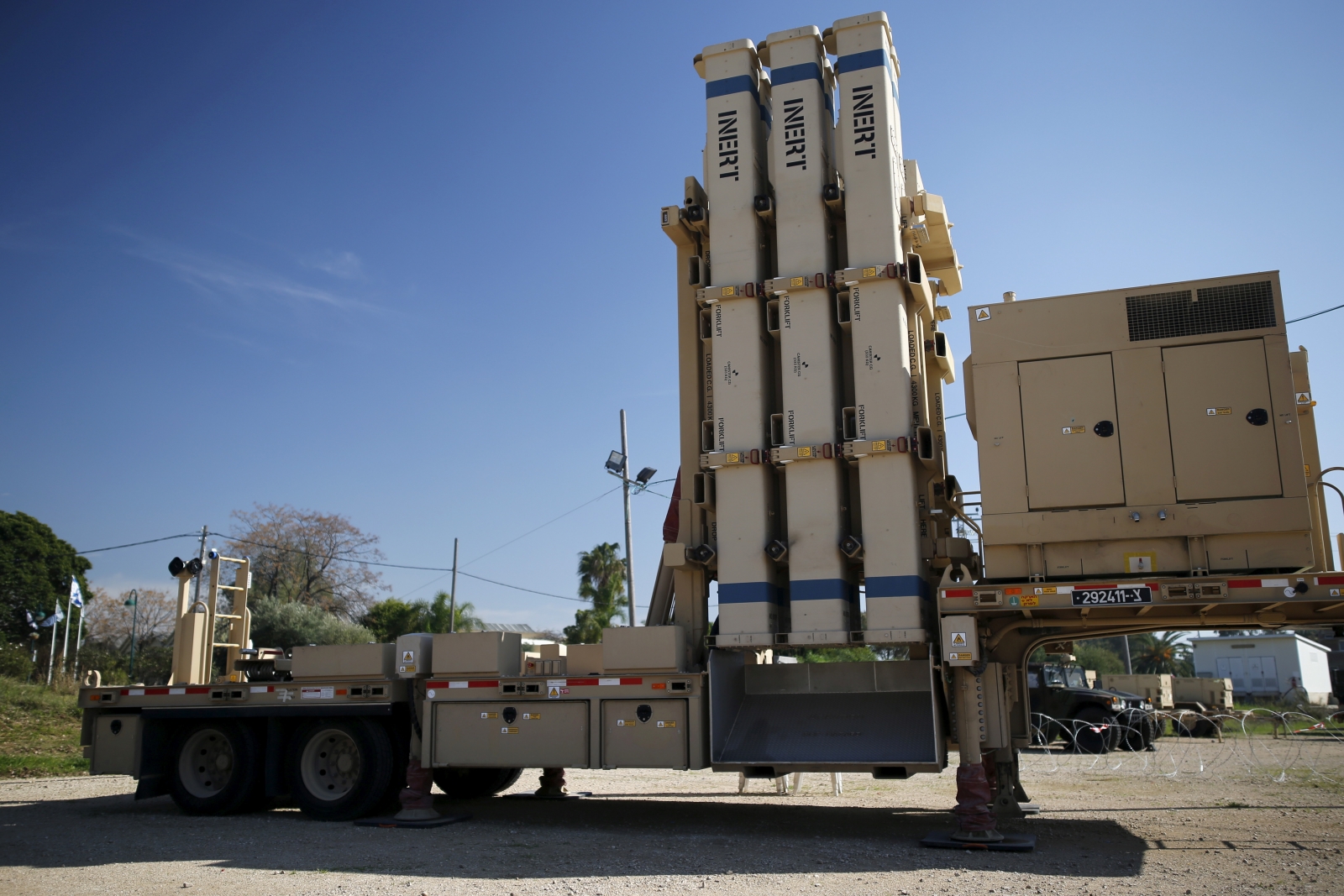
The Israeli logic in air defense is based on multi-layering rather than a single magic weapon. A medium to long-range layer like David’s Sling, for example, is designed to intercept aircraft, drones, and tactical missiles, and it precisely reflects what a country like Greece needs, facing a mixed spectrum of threats over the islands and open sea. If a higher layer is added to intercept ballistic missiles, Athens is not just buying protection for its airspace, but also buying political time for decision-making and greater flexibility for air and naval forces in the Eastern Mediterranean.
In my estimation, the value of the deal lies not in the individual missile but in transforming air defense into an integrated network. Radar without integration, interception without fire management, and command without joint training are all a costly recipe for respectable failure. Here, Israel's export advantage emerges: it does not just sell products, but operational experience derived from actual combat and repeated interception trials. This is exactly what countries concerned about the threat of cheap drones and precise missiles are looking for.
Why This Deal is More Important for Israel Than It Seems
The Israeli media described the agreement as the largest defense export deal in Israel's history, and this is a point that should not be overlooked. After months of war with Iran and the severe pressure it revealed on American and European interception stocks, the Israeli industry has become capable of marketing itself as not just a complement to the West, but a central provider of air defense solutions. When Greece purchases this model, it grants Israel more than just financial returns; it gives it an institutional foothold within the architecture of Eastern and Mediterranean European security.
This is also important because the deal sends a signal that the demand for multi-layered air defense is no longer confined to Gulf countries that have lived under the threat of Iranian missiles for years. Europe itself has begun to act with a Middle Eastern mentality: fire density, suicide drones, short warning, and sensitive maritime areas. From this perspective, Israel is exporting to Greece a lesson learned through fire, while benefiting financially and politically from the continent's increasing fears.
Turkey and Iran in the Background
Although the public headlines speak of protecting Greek airspace, the strategic message is understood by all. Athens views Turkey as a direct geographical and military adversary in the Eastern Mediterranean and the Aegean Sea, while also monitoring the expansion of missile and drone capabilities throughout the region, from Iran to its proxies and manufacturing networks that have emerged beyond the Middle East borders. Therefore, Achilles Shield is not just a technical defense project, but an attempt to raise the cost of any military pressure on Greece at a time when the value of islands, bases, and maritime energy lines is increasing.
However, it must be said here what governments do not like to hear. Owning a multi-layer shield does not automatically mean having the ability to use it efficiently. We have seen in the Gulf how billions are spent on advanced systems while training gaps, integration between branches, and ammunition sustainability are larger than can be hidden by military parades. Greece is closer to institutional seriousness than some Gulf customers, yes, but even it will face the same question: Can it maintain a high readiness density in a long war of attrition, or will the shield remain a deterrent tool only in the early days?
Conclusion
This deal reveals a deeper transformation than just Greek-Israeli cooperation. Israel has begun to use air defense as a geopolitical tool of influence, and Greece is purchasing through it not only missiles and interceptions but a better position within the deterrence equation in the Eastern Mediterranean. However, the structural contradiction remains the same: the higher the cost of the shield, the higher the cost of operating, protecting, and maintaining it. In the Middle East, we have learned that purchasing technology is much easier than building capability. And Athens, like others, will soon discover that the real shield is not what stands on the launcher, but what lies behind it in terms of training, command, and ammunition sufficient for the day after the big headline.
Israel signed a defense agreement with Greece for a multi-layered air defense system called Achilles Shield, valued at over 3 billion euros. This deal aims to enhance Greece's defense capabilities against various threats, reflecting Israel's increasing role in European defense. The agreement is strategically significant amid rising tensions in the Eastern Mediterranean, particularly concerning Turkey and Iran.
- Israel signed a defense deal with Greece worth over 3 billion euros.
- The deal includes a multi-layered air defense system named Achilles Shield.
- Greece aims to enhance its defense capabilities against various threats.
- The agreement reflects Israel's growing role as a central supplier of air defense solutions in Europe.
- The deal is seen as a strategic move against regional threats, particularly from Turkey and Iran.