

Summary and Key Points: In 1974, the Israeli Ministry of Defence asked Washington for permission to test the two best fighters the United States had, with a view to buying a fourth-generation force that would serve into the 1990s. The evaluation team was led by Amnon Arad, a former Mirage pilot and F-4E squadron commander, and its members had a combined 24 air-to-air kills. The Americans would not allow the F-14 Tomcat and the F-15 Eagle to be flown against one another, so the Israelis evaluated each separately.
The F-14 Tomcat vs. F-15 for Israel
The Grumman F-14 Tomcat is a beloved Cold War-era fighter jet with an iconic variable-sweep wing configuration that allowed it to fly efficiently at both subsonic and supersonic speeds.
Although the U.S. was the Tomcat’s primary operator, the U.S. once tried to sell F-14s to Israel.
The Israeli Air Force (IAF) evaluated the Tomcat alongside the F-15 Eagle as its first fourth-generation aircraft.
Although Israel was impressed with the F-14, it ultimately concluded that the F-15 was better suited to its unique needs.
Ironically, today the only air force that still operates the F-14 is the Iranian Air Force, Israel’s sworn enemy.
Israel in the 1970s
In the 1970s, the United States and Israel did not share the warm relations that they do today.
Back then, the U.S. was more concerned with maintaining the region’s balance of power and only expressed concern when the Soviet Union was involved.
After the end of the Yom Kippur War in 1973, the agreement between Israel and Egypt in 1974, and later withdrawals and disengagement agreements in 1975, the U.S. was warming up to Israel.
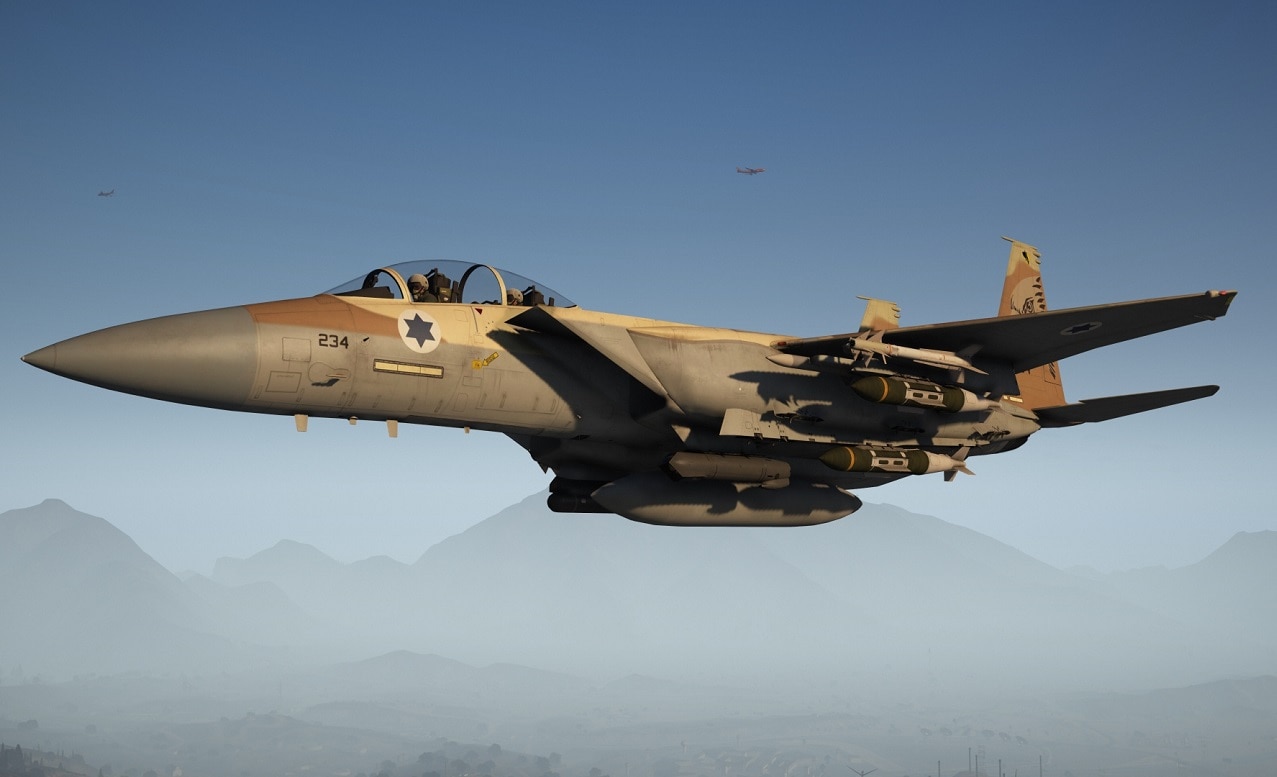
F-15I Ra’am. Image Credit: Creative Commons.
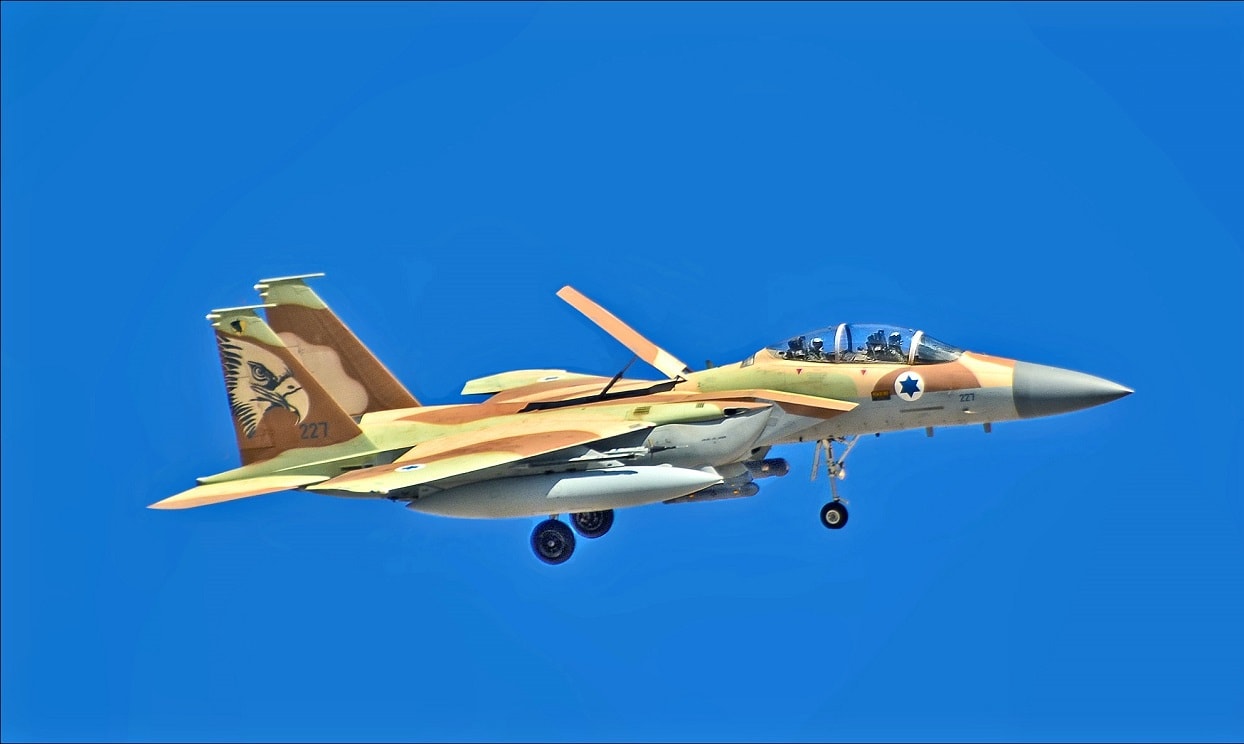
Image: Creative Commons. Image is of a F-15I.
By this time, prospects of the U.S. selling fighter jets to Israel were at an all-time high.
It is important to remember that, up to the mid-70s, Israel relied on France as its primary aircraft provider.
However, France had imposed an arms embargo on Israel in 1967, right before the start of the Six-Day War.
Consequently, Israel had lost its main source of aircraft and spare parts, which threw a serious wrench in its long-term strategic plans.
As a result, the IAF accelerated the development of domestic projects such as the IAI Kfir, essentially a reverse-engineered Dassault Mirage-5, while also acquiring American aircraft such as the F-4 Phantom II and the A-4 Skyhawk.
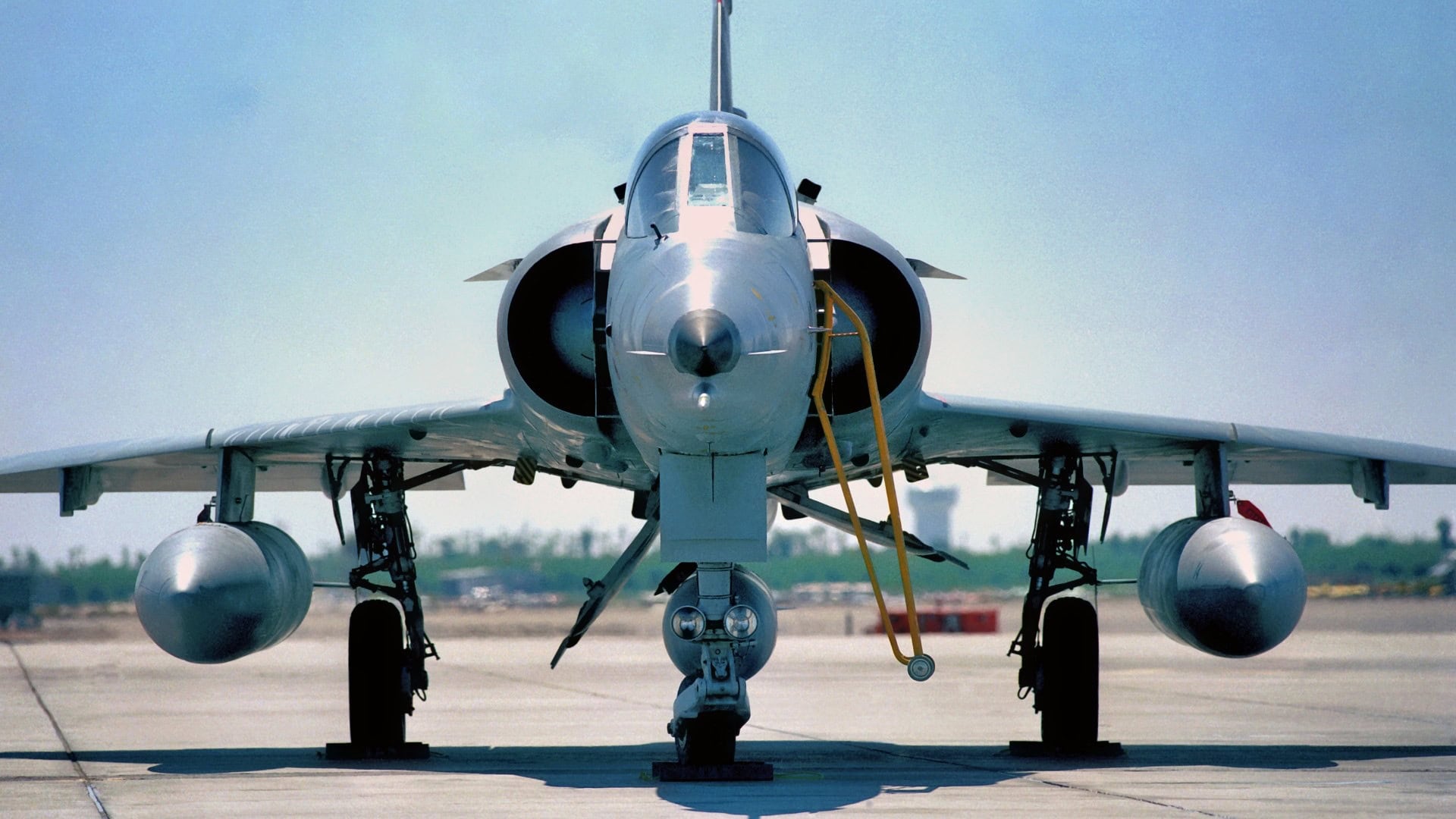
Kfir Fighter from Israel. Image Credit: Creative Commons.
In the 1970s, after the Six-Day War and the Yom Kippur War, the Israeli Ministry of Defense concluded that the IAF needed more capable platforms to remain competitive with regional powers like Iraq, Iran, and Egypt.
The Tomcat vs. the Eagle
In 1974, the MoD requested permission from the United States to test the F-14 and the F-15. The IAF wanted to buy around 50 fourth-generation aircraft expected to remain in service through the 90s and beyond.
By then, the Kingdom of Iran had already ordered several F-14A fighters, and the Shah himself was personally impressed by the aircraft’s performance.
The two fighters were vastly different and designed for entirely different mission sets.
The F-14A was designed to intercept high-altitude bombers and cruise missiles, whereas the F-15A was designed as a dedicated air superiority aircraft.
The IAF was especially interested in the F-15’s air-superiority capabilities, given the battles they had fought since 1948, but they evaluated both aircraft just in case.
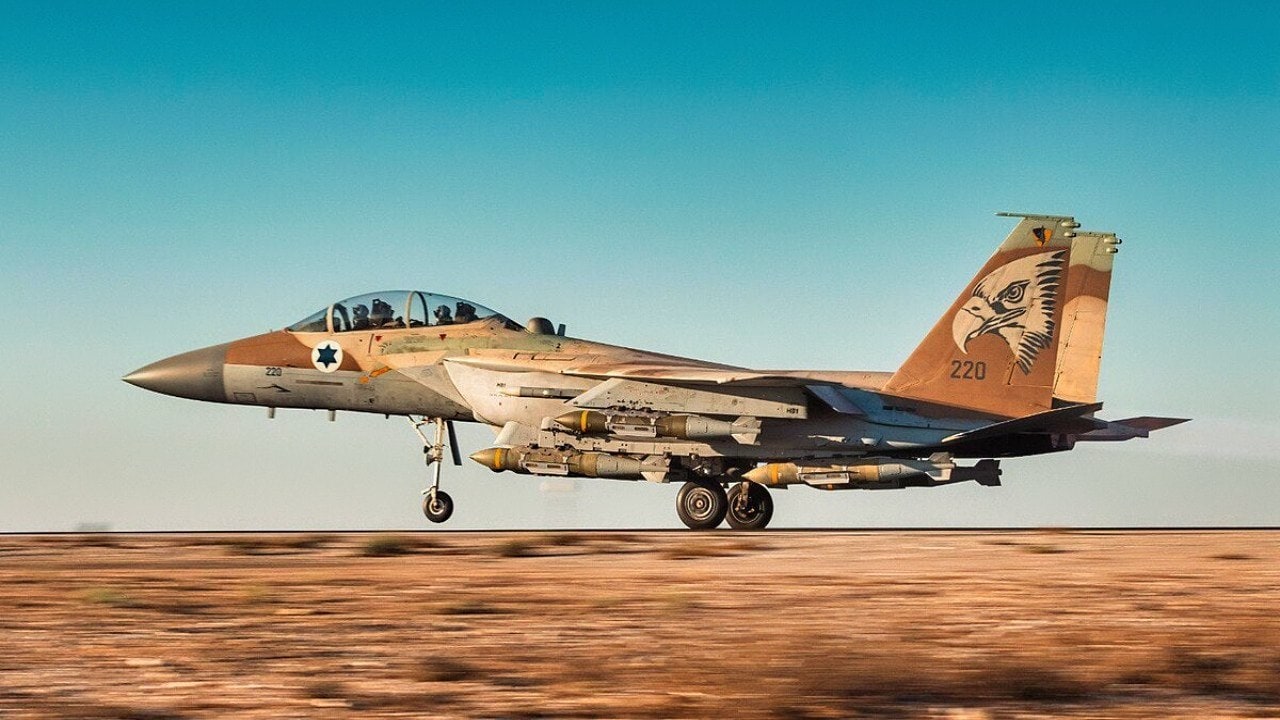
F-15I Ra’am Israeli Air Force.
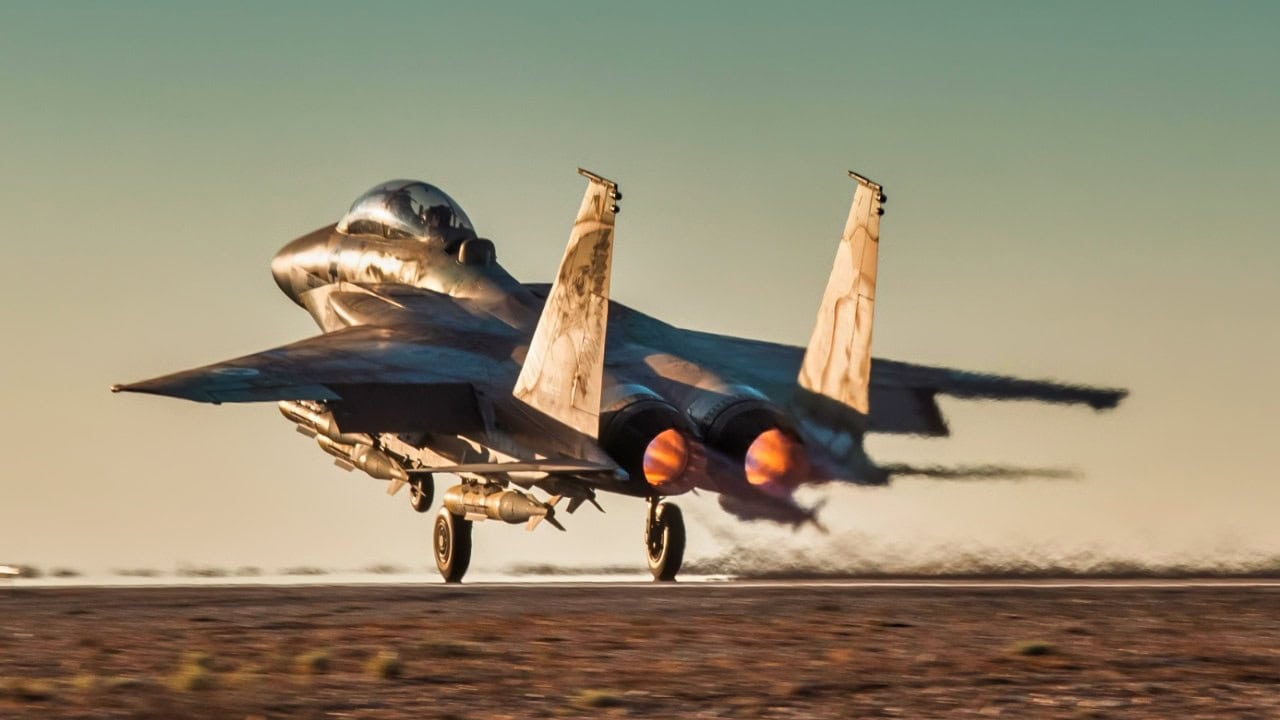
F-15I Ra’am. Image Credit: IDF.
The IAF assembled a team of experienced pilots to evaluate both aircraft individually, since the U.S. did not allow Israel to pit the two aircraft against each other.
Some IAF pilots had prior experience with both fighters.
IAF commander Benny Peled had previously flown the TF-15, the preproduction version of the F-15, but before the aircraft received all its combat systems.
David Ivry, on the other hand, had flown the F-14 while visiting Naval Air Station Miramar, after which he is said to have been impressed with the aircraft, except for the problematic TF-30 engines.
Amnon Arad, a former Mirage pilot and F-4E squadron leader, led the evaluation team, along with Assaf Ben Nu, Israel Baharav, and Aharon Katz. Together, the pilots had totaled 24 air kills and were battle-hardened IAF veterans.
The F-15 Flies for Israel
The team flew ten missions in the twin-seat F-15 and made extensive use of McDonnell Douglass’ F-15 simulator.
During tests, they conducted several sorties against A-4 and F-4 aircraft, which the F-15 soundly beat every time.
The Israelis were impressed by the aircraft’s air-superiority capabilities. It had excellent mobility compared to its predecessors, and the pilots noted that it was especially user-friendly.
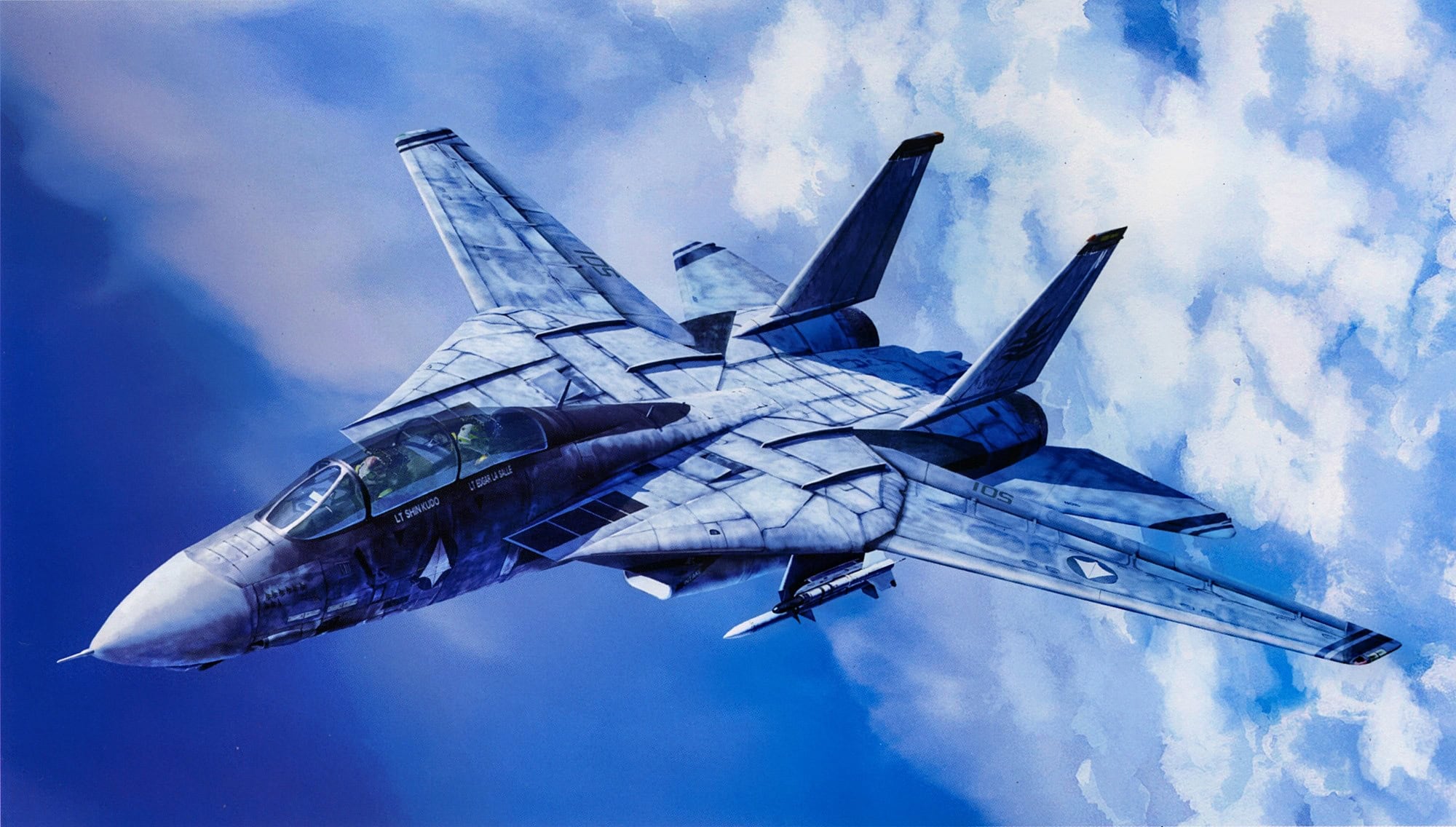
F-14 Tomcat. Image Credit: Creative Commons.
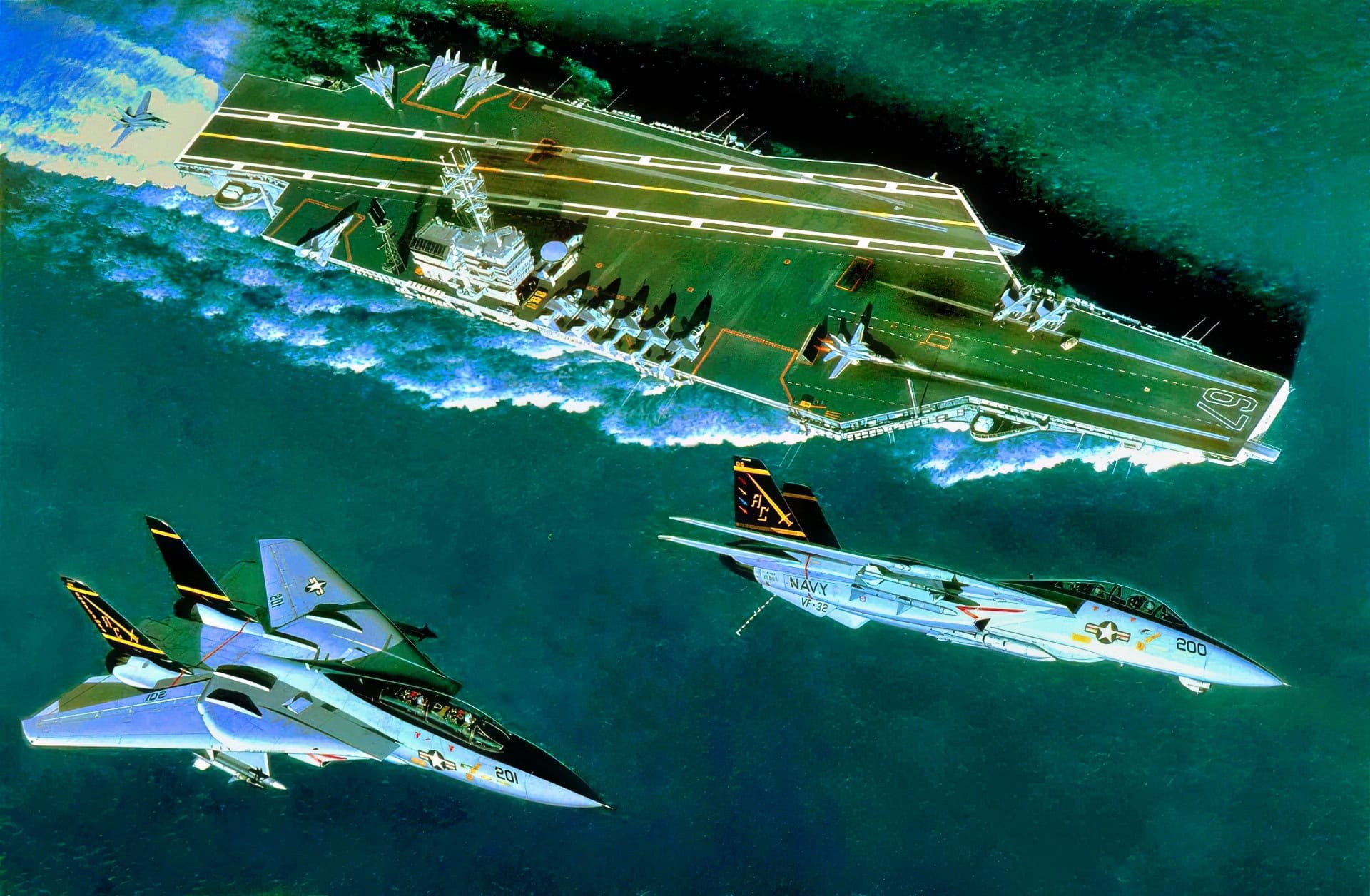
F-14 Tomcat. Image Credit: Creative Commons.
In contrast, the team was less impressed by the F-14 Tomcat.
The aircraft performed significantly worse in close-range dogfighting scenarios, which the IAF valued highly, and the team noted that the Tomcat could barely outperform the A-4 Skyhawk.
The tests concluded that the F-15 best suited the IAF’s needs and was cheaper than the Tomcat.
Although the IAF had selected the F-15, the U.S. would not agree to deliver any aircraft until Israel’s second disengagement agreement in September 1975.
F-14 Tomcat. Image Credit: Creative Commons.
The U.S. delivered the first F-15s in 1976 under the Peace Fox I agreement.
Since then, the F-15 has become a mainstay of the IAF. The U.S. delivered several A, B, C, and D models throughout the Cold War and continues to provide spare parts for the IAF’s current fleet.
More recently, the U.S. agreed to export specialized F-15I fighters, which are a heavily modified version of the F-15E Strike Eagle.
About the Author: Isaac Seitz
Isaac Seitz, a Defense Columnist, graduated from Patrick Henry College’s Strategic Intelligence and National Security program. He has also studied Russian at Middlebury Language Schools and has worked as an intelligence Analyst in the private sector.