
J-20 Virtual Fighter Joins Real Combat Engagement, PLA Air Force Restructures Pilot Capacity with Combined Virtual and Real Training
 Li Minghui
The J-20 Virtual Fighter Joins Real Combat Training, Restructuring PLA Air Force Pilot Capacity through Combined Virtual and Real Training
In a report from the CCTV military channel on August 10, there was a detail that could easily be overlooked: the J-20, J-16, and J-10C aircraft are now all connected to a virtual simulation platform, allowing ground pilots to control "virtual fighters" and participate in real-time aerial confrontations. The report quoted pilots saying that the technology has achieved "full air-ground virtual interconnection," enabling bolder development and practice of tactics on the virtual platform.
What is a Virtual Force?
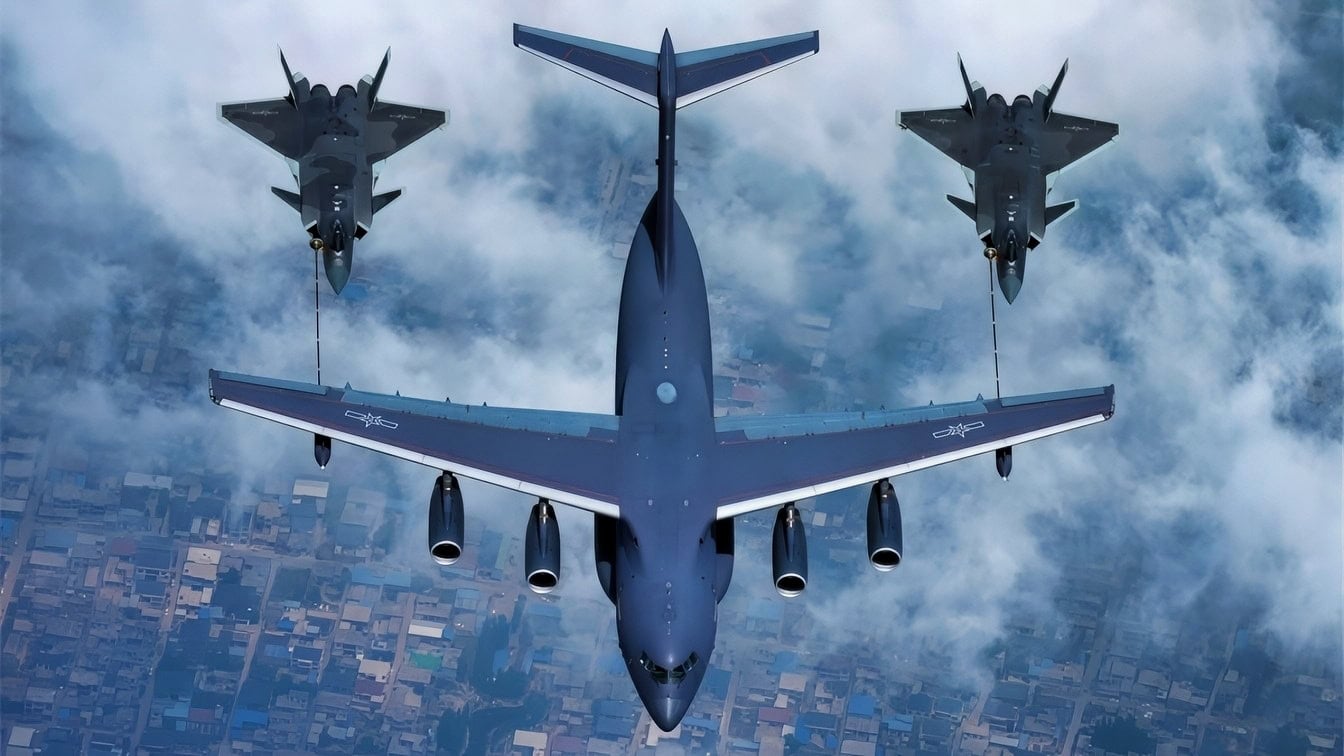
The core concept of this system is called "virtual forces": real aircraft are flying in the air, while another group of pilots in ground simulators controls virtual fighters in the same airspace, engaging in confrontations and cooperating with the real aircraft. The biggest difference from traditional single-aircraft simulators is that it is not "one person practicing in front of a screen," but rather integrates virtual forces into the real mission system—acting as both opponents and teammates.
The report particularly emphasized that this platform can meet the joint training needs of the three aircraft types and supports air-ground coordination. For an air force that is deploying a mix of fifth-generation and fourth-and-a-half-generation aircraft, this means that the confrontational environment, which previously required multiple units, various real aircraft, and numerous coordination efforts, can now be generated at any time in virtual space.
Training Cost Arithmetic
Military expert Zhang Jun's interpretation pointed out the key: virtual training can significantly reduce fuel consumption, engine wear, component replacement, and live ammunition expenditure. This statement is especially valuable when applied to the J-20—the overhaul interval for the turbofan engine and the cost per flight hour are both calculated in "ten thousand yuan." Replacing some real flight hours with virtual hours saves not just fuel costs, but also extends engine life.
I have always emphasized the perspective of capacity: while aircraft capacity has increased, pilot capacity is another matter. The report stated very plainly—limited numbers of real aircraft and tight training schedules mean that new pilots can quickly accumulate simulated flight hours through the virtual platform, shortening the conversion training cycle. In simple terms: in a situation where more engine life cannot be purchased, use computational power to exchange for flight hours. This approach is more astute than simply buying more aircraft.
The "Data Granary" for AI Pilots
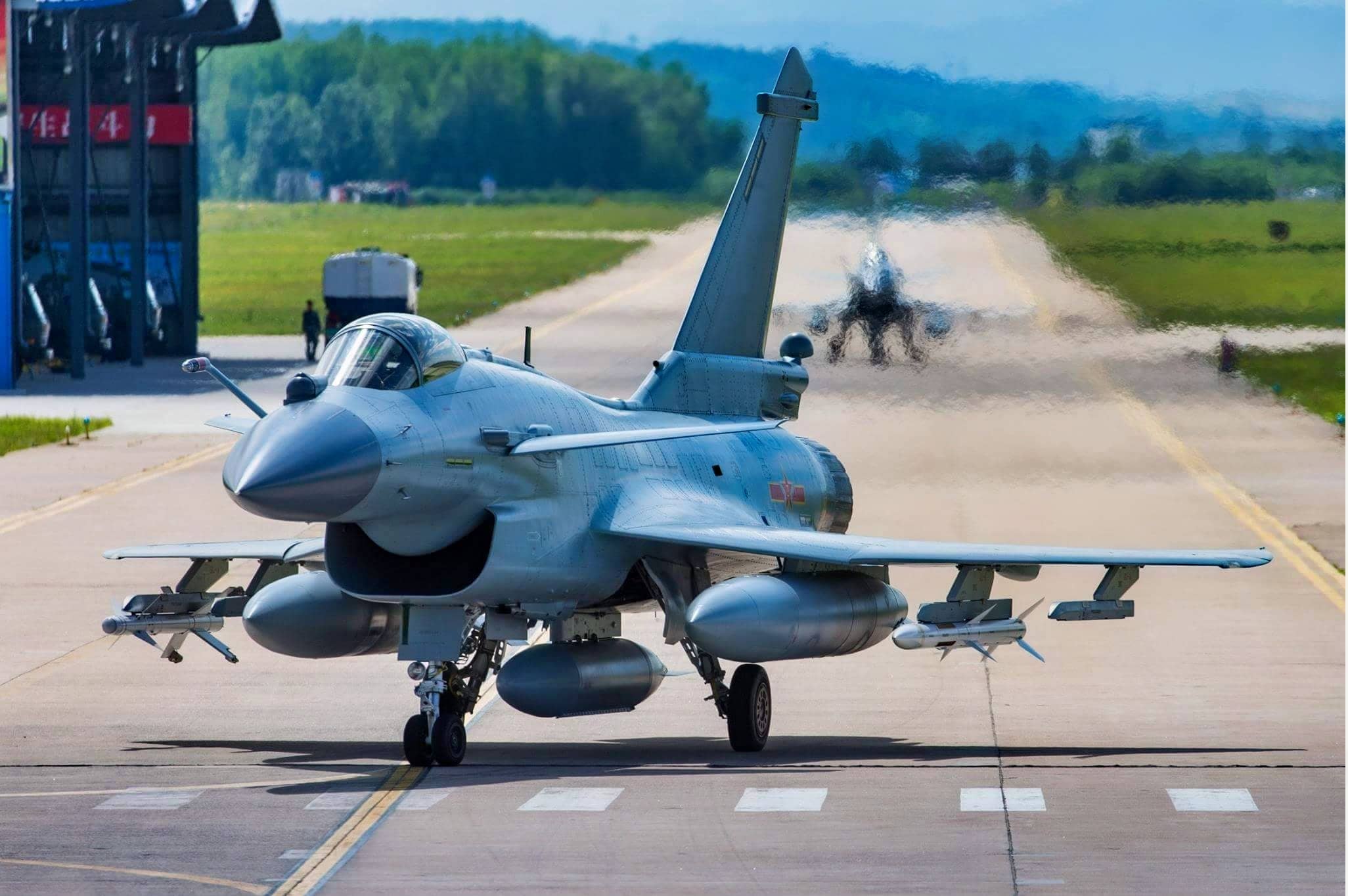
The last paragraph of the report contains the most information: the flight data of real and virtual fighters is fully digitized, providing data support for the evolution of AI pilots from "rule-driven" to "data-driven," and AI virtual fighters can also be introduced into training scenarios. This reminds me of the unmanned aircraft that appeared during the military parade on September 3, 2025—armed reconnaissance drones, loyal wingmen, and air superiority drones—they are precisely the forefront of the "manned aircraft leading unmanned aircraft" combat concept.
The significance of the combined virtual and real training system for AI is not just "training people," but also "feeding data." For AI pilots to mature, they need a vast amount of high-quality air combat confrontation data, and the virtual platform can generate confrontation samples an unlimited number of times. The best opponent for training AI is AI itself—once this closed loop is established, its significance is comparable to building several more production lines.
The Author's Reservations
However, that being said, no matter how realistic the simulation is, it is not real combat. The fidelity of sensor models, electronic warfare simulations, and opponent behavior logic in the virtual environment directly determines the training value. The U.S. F-35 system has long relied heavily on simulators, but the U.S. military still insists on large-scale real confrontations in Red Flag exercises—because real confrontations involve chaos that simulators cannot provide: weather, malfunctions, misjudgments, and morale. Data quality determines AI quality; if the behavior of virtual opponents is scripted, the AI produced will also be rigid.
What is worth questioning is not how realistic the virtual fighters are, but how much "real" content remains in the PLA Air Force's "flight hour" statistics when combined virtual and real training becomes the norm—and how many hurdles AI pilots must cross between training grounds and cockpits in terms of simulation versus real combat.
The People's Liberation Army Air Force (PLAAF) integrated J-20, J-16, and J-10C aircraft into a virtual simulation platform for real-time aerial combat training on August 10. This system allows ground pilots to control virtual aircraft, enhancing tactical development while reducing operational costs. The initiative aims to improve pilot training efficiency and support the evolution of AI pilots through comprehensive data collection.
- J-20, J-16, and J-10C aircraft are now integrated into a virtual simulation platform.
- Ground pilots can control virtual aircraft in real-time aerial combat.
- The virtual training significantly reduces fuel consumption and maintenance costs.
- New pilots can quickly accumulate simulated flight hours to shorten training cycles.
- The data from real and virtual aircraft will support the development of AI pilots.