
Japan Air Self-Defense Force Reorganized into Aerospace Self-Defense Force: Experts Interpret the Underlying Purpose
Recently, according to a report by the "Nihon Keizai Shimbun," the Japanese government plans to reorganize the Air Self-Defense Force into the "Aerospace Self-Defense Force" within this year, further extending Japan's "security" scope outward. What is the purpose of this move by Japan? Will the Self-Defense Forces expand in size? Let's look at the experts' interpretations.
The reorganization of the Air Self-Defense Force into the "Aerospace Self-Defense Force" has sparked strong concerns among the Japanese public regarding military expansion. Some Japanese citizens held rallies in Tokyo to oppose the government of Sanae Takaichi's push to amend the "Three Security Documents" and to revise the constitution, among other dangerous trends. The organizers of the rally stated that while the Japanese government presents itself as a "peaceful nation," it is simultaneously strengthening the Japan-U.S. security system and promoting the expansion of the Self-Defense Forces and the militarization of the country, which is a path leading to war.
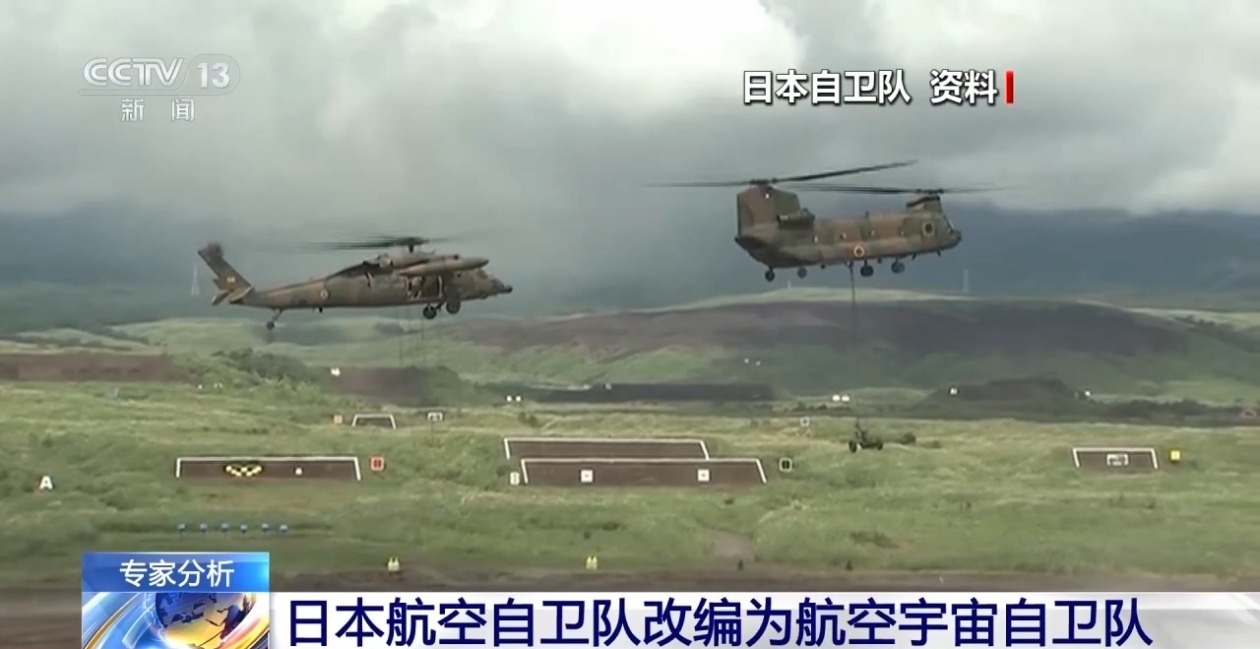
Military observer Wei Dongxu: Japan's upgrade and integration of the Air Self-Defense Force into the Aerospace Self-Defense Force is to satisfy its expanding military ambitions and to support its overseas combat operations. There are two main objectives:
The first objective is to utilize military spy satellites and reconnaissance satellites in orbit to acquire targets for long-range strike systems, and to enhance communication and coordination capabilities among various combat units and forces of the Self-Defense Forces during operations in distant seas and outside the region.
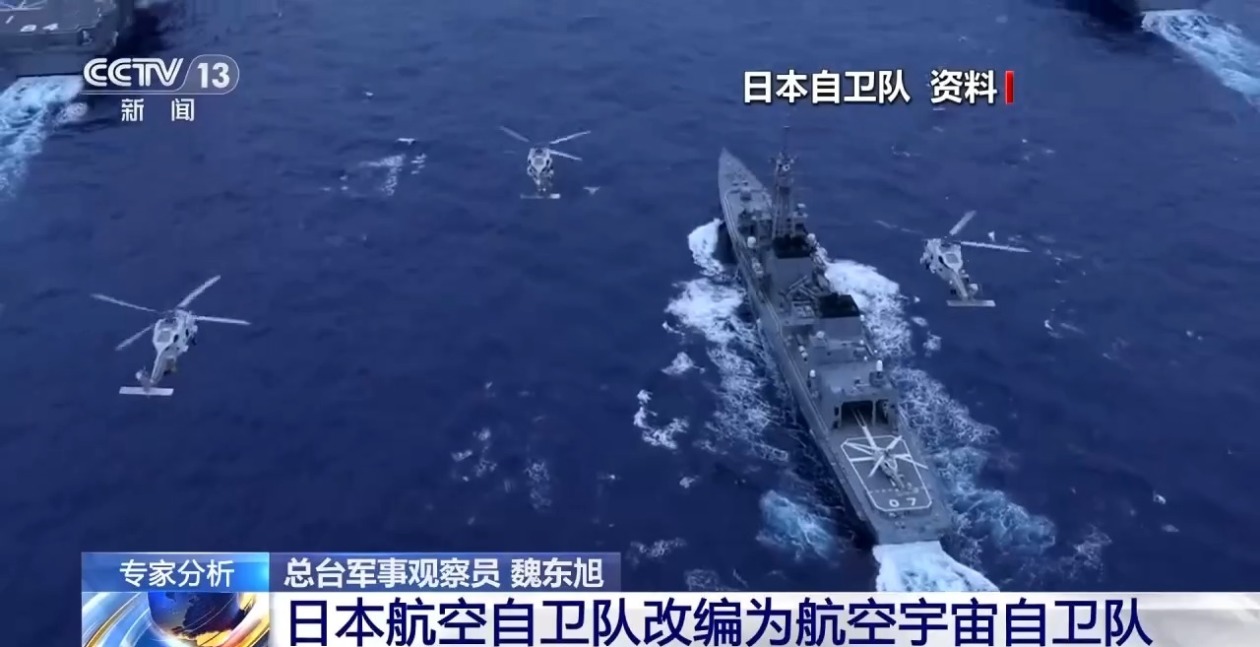
The second objective is to directly participate in strike operations against orbital targets. The Aerospace Self-Defense Force will conduct orbital operations, or strikes against targets in orbit, primarily in two steps.
The first step involves the Aerospace Self-Defense Force using advanced sensors to track and identify spacecraft and satellites from other countries operating in space, in coordination with the Maritime Self-Defense Force. The Aerospace Self-Defense Force will possess strong reconnaissance, tracking, and guidance capabilities for orbital targets, allowing it to work with the Japan Maritime Self-Defense Force to attack other countries from the sea to the sky.
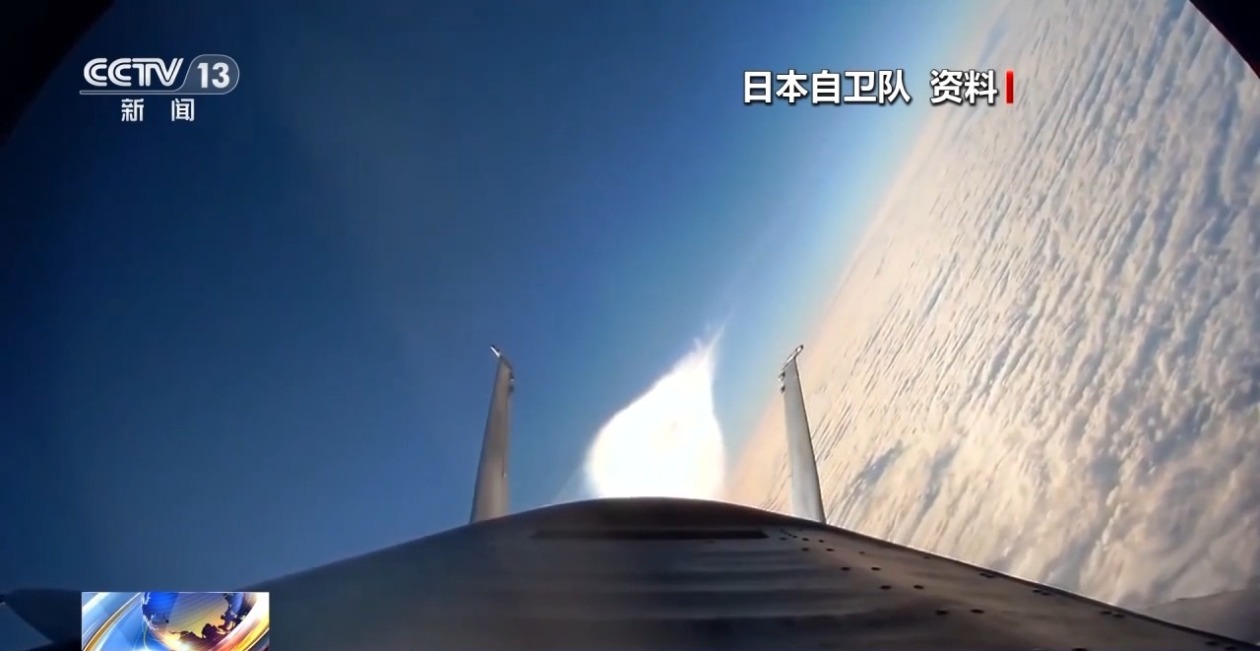
The second step involves the combat forces of the Aerospace Self-Defense Force directly entering the orbital level to carry out attacks. Japan has already made technological preparations in the field of aerospace, and its unmanned cargo spacecraft can be deployed in orbit and possess certain maneuvering capabilities. In the future, it is not ruled out that the Aerospace Self-Defense Force will use small laser weapons and other means to deter or even attack high-value civilian and military satellites of other countries, directly implementing or participating in combat operations at the orbital level.
The Aerospace Self-Defense Force of Japan may conduct joint operations with the U.S. Space Force. The Japan-U.S. military alliance will certainly extend its reach into space and orbital areas, posing a significant threat to other countries' peaceful use of space resources, which is worth vigilance and attention.
Japan is reorganizing its Air Self-Defense Force into an Aerospace Self-Defense Force to enhance military capabilities and extend operational reach. This move has raised concerns about military expansion and potential conflicts, with plans for collaboration with the U.S. Space Force. The reorganization will involve the use of military satellites and advanced sensors for reconnaissance and targeting operations.
- Japan plans to reorganize its Air Self-Defense Force into an Aerospace Self-Defense Force.
- This change aims to enhance Japan's military capabilities and extend its operational reach.
- There are concerns about military expansion and potential conflicts with other nations.
- Japan may collaborate with the U.S. Space Force for joint operations in space.
- The reorganization includes the use of military satellites for reconnaissance and targeting.