
Japan's Defense Plan Draft Revealed: Plans to Purchase 52,000 Unmanned Equipment in 5 Years, Defense Spending May Nearly Double

According to a report by Kyodo News, several relevant individuals revealed the contents of the draft "Defense Force Preparation Plan" related to the "Three Security Documents" that the Japanese government plans to revise by the end of the year on the 16th.
Over the five years from 2027 to 2031, the Japanese government is considering introducing approximately 52,000 unmanned systems for tasks such as long-range strikes and intelligence collection. Additionally, including long-range missiles, the estimated funding required to strengthen the "out-of-area defense capability" for conducting attacks from outside enemy range is expected to exceed 90 trillion yen (approximately 389 billion yuan), nearly double the current plan.
Relevant individuals pointed out that the total defense budget for Japan over the next five years could increase to a scale of 70 trillion to 80 trillion yen. The total defense budget for the current plan from 2023 to 2027 is approximately 43 trillion yen.
What specific contents are disclosed in this draft "Defense Force Preparation Plan"? What ambitions does it reveal about Japan?
Japan's introduction of drones may be used for large-scale sustained attacks
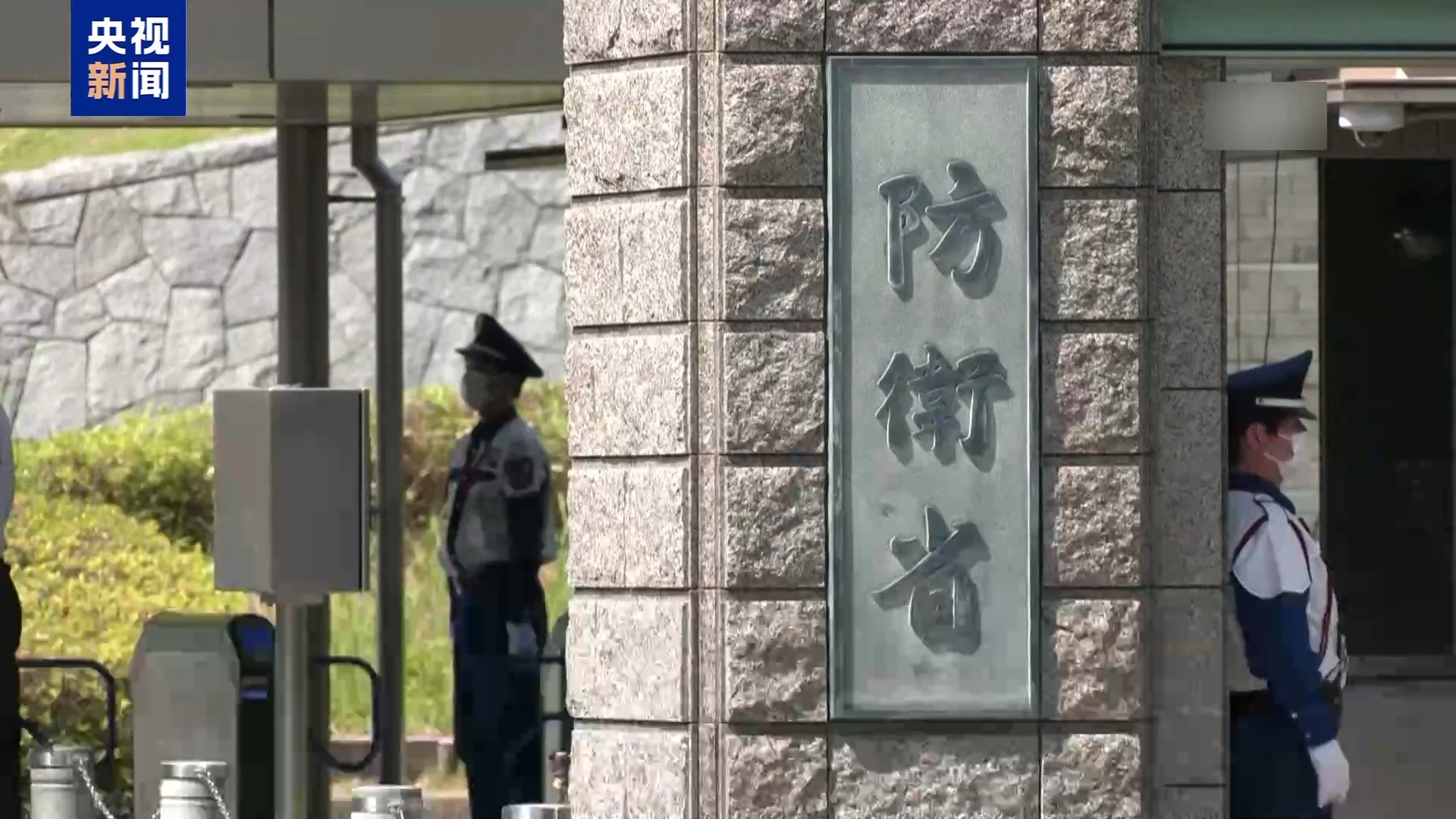
According to the contents of the draft "Defense Force Preparation Plan" disclosed by Kyodo News, Japan's budget for strengthening artificial intelligence and unmanned defense capabilities will reach approximately 7 trillion yen, six times that of the current plan. Among the estimated 50,000 drone systems to be constructed, about 10,000 will be attack drones capable of long-range flight, approximately 1,300 anti-ship drones, and about 7,500 drones for intelligence collection and surveillance.
Military Observer Wei Dongxu: Among these 50,000 drones, some have a relatively long flight range, allowing them to conduct fire strikes against fixed and moving targets hundreds to nearly a thousand kilometers away. Additionally, there will be a large number of small and medium-sized drones, which may primarily be equipped with the Japan Ground Self-Defense Force. These drones can be used not only for military operations in Japan and its surrounding areas but may also accompany Japan's overseas deployments to participate in combat operations in other regions.
There is also a portion of anti-ship drones, primarily tasked with blocking straits and maritime routes. It can be said that in the introduction of drones, Japan has begun to pursue an all-encompassing approach, indicating its intention to use these drones to support large-scale provocative military actions within the Asia-Pacific region or in other areas.
Japan develops large unmanned underwater vehicles to plan for underwater strike capabilities
According to the disclosed draft contents, Japan also plans to prepare approximately 200 unmanned underwater vehicles capable of executing mine-laying and long-range missile operations.
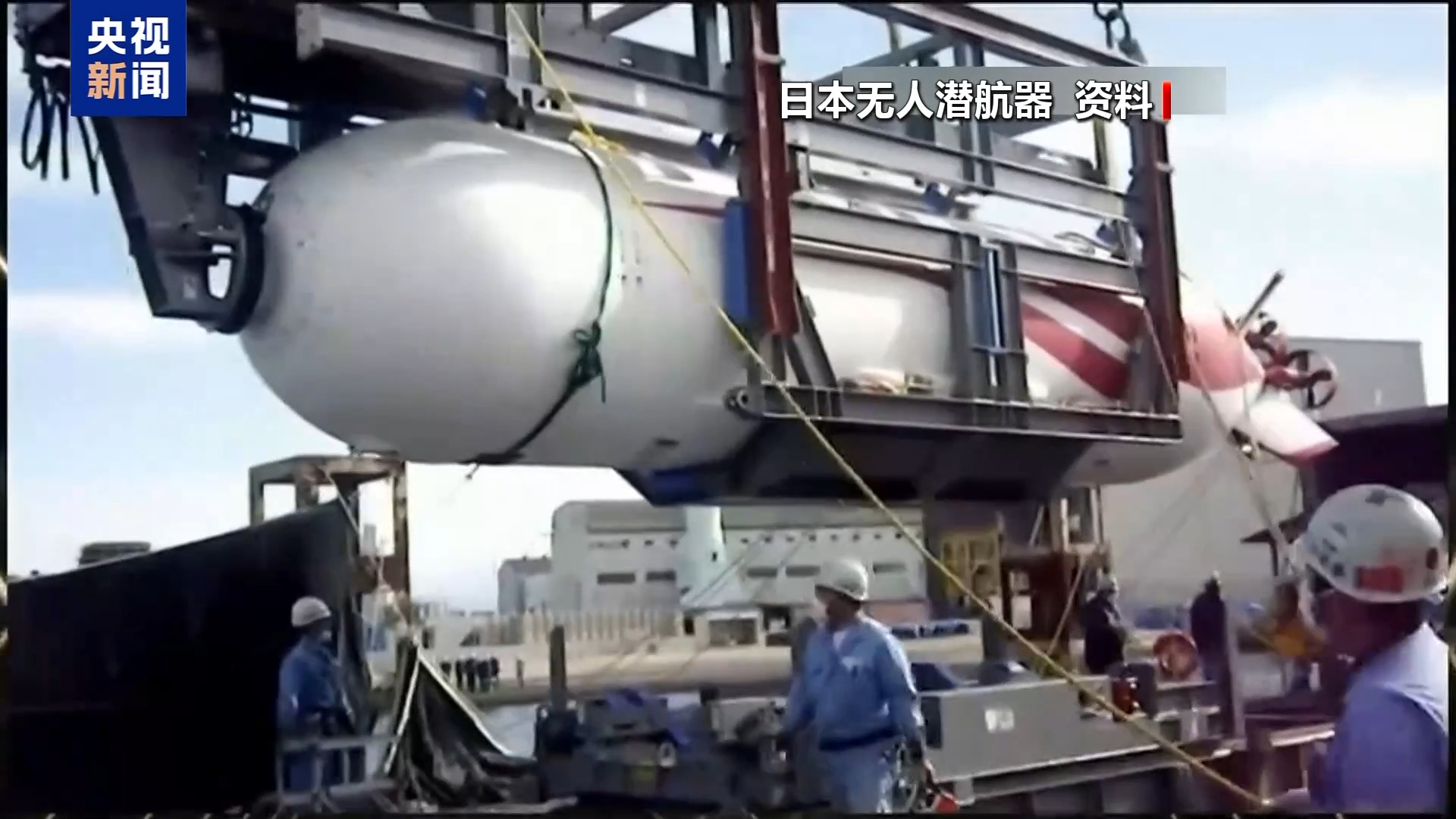
Military Observer Wei Dongxu: These unmanned underwater vehicles are large autonomous underwater platforms that can carry mines and launch long-range missiles. They are primarily tasked with two types of missions: the first is secret mine-laying operations. The Japan Maritime Self-Defense Force will use these unmanned underwater vehicles for long-duration secret underwater navigation, reaching the coastal and island areas of the adversary to obstruct the movement and assembly of their naval fleets. It is even possible that they will lay mines around the ports and naval bases of other countries for covert attacks. The second type of mission is to conduct long-range precision strikes. These large unmanned underwater vehicles will be equipped with vertical launch systems capable of carrying land-attack or anti-ship cruise missiles. These attack-capable unmanned underwater vehicles represent a highly provocative weapons development plan.
Japan seeks to upgrade hypersonic missiles to extend reach to deep targets
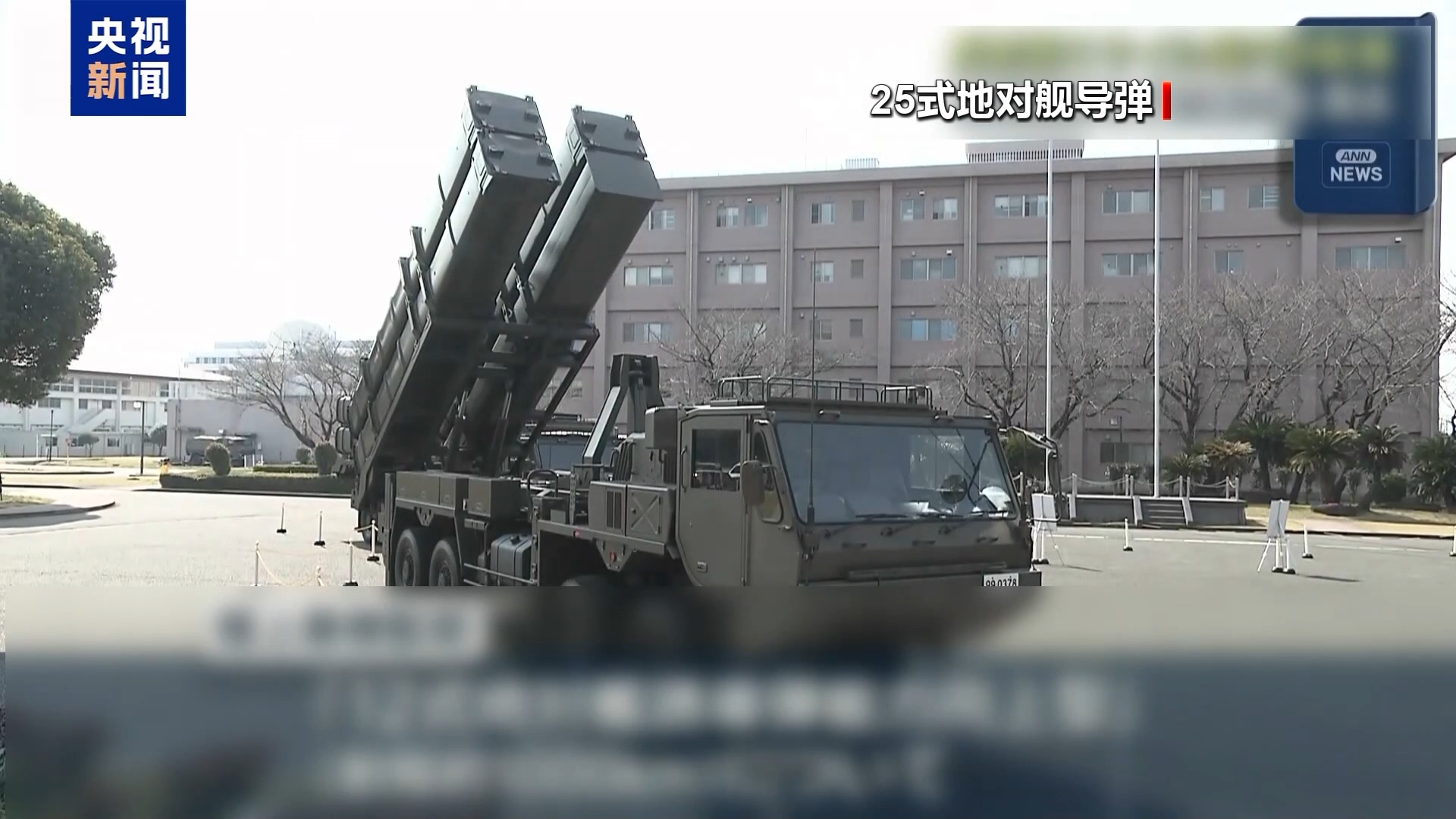
In terms of "out-of-area defense capability," Japan plans to advance the formal mass production and range extension of hypersonic missiles.
Additionally, the draft also proposes building a "sustained response capability" to address long-term warfare, which is expected to require approximately 10 trillion yen. The goal is to "first ensure the ability to sustain operations for one year," for which ammunition, missiles, fuel, and other supplies will be stockpiled.
Military Observer Wei Dongxu: In the future, the Self-Defense Forces and the Ministry of Defense will need to upgrade hypersonic missiles and extend their range. For example, the Type 25 glide bomb will need to be equipped with larger boosters and wave-riding warheads, which will increase its strike range and penetration capability. In the future, these hypersonic missiles may also be installed on Japan's Maritime Self-Defense Force ships, further extending their firepower strike range into the adversary's depth.
Japan introduces a large number of attack weapons, accelerating the pace of "remilitarization"
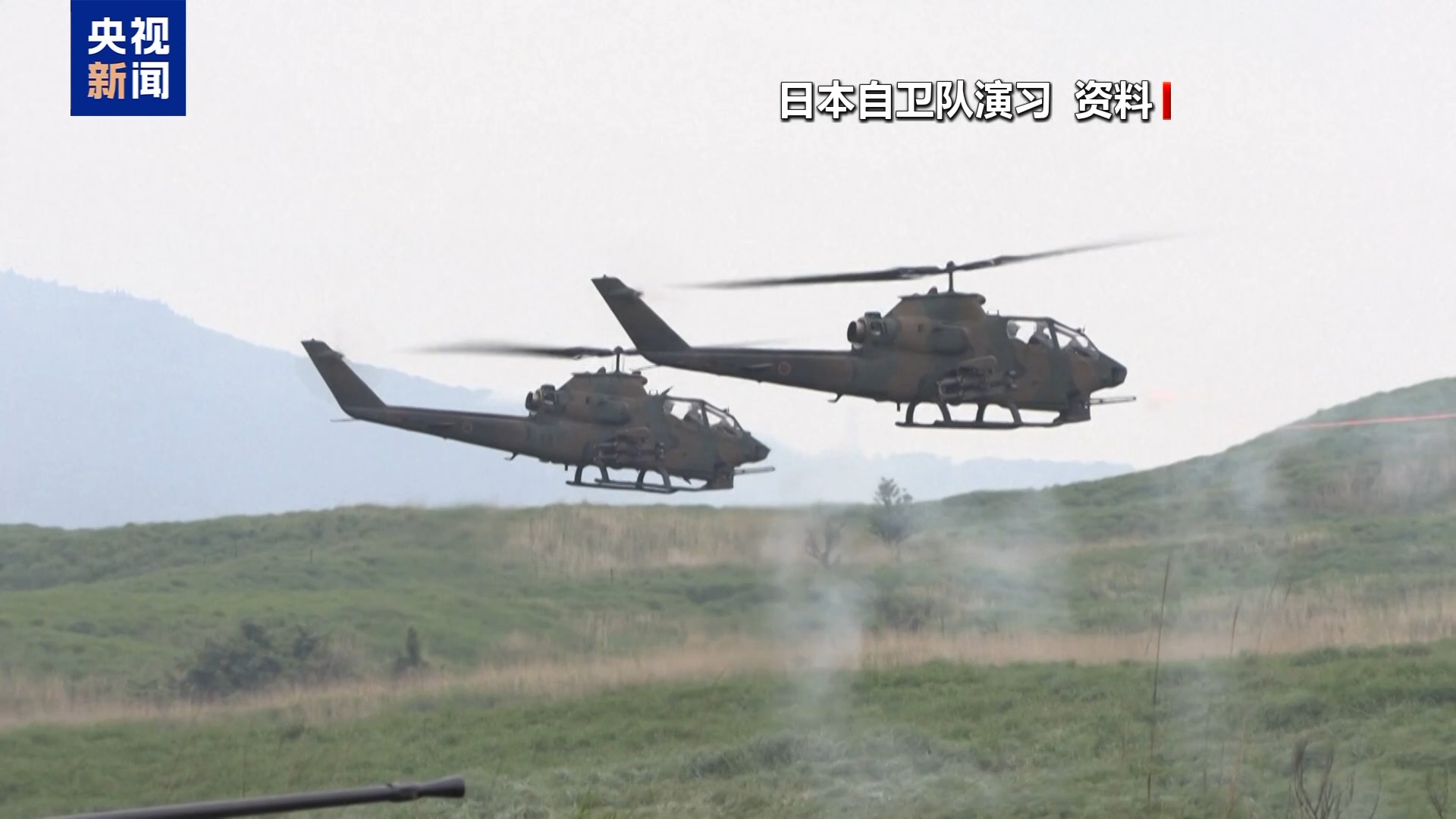
Military Observer Wei Dongxu: Japan's remilitarization is accelerating, with the introduction of a large number of long-range attack weapons not out of defensive necessity, but in pursuit of enhanced offensive capabilities. This will impact regional peace and stability and affect the security of surrounding areas. It can be said that the current intentions of the Japan Self-Defense Forces to engage in external military operations are becoming increasingly evident, warranting vigilance and attention from relevant countries in the region.
Japan plans to acquire approximately 52,000 unmanned systems, including 10,000 attack drones and 1,300 anti-ship drones, from 2027 to 2031. The defense budget is projected to nearly double, exceeding 9 trillion yen, to enhance its offensive capabilities with long-range missiles. This marks a significant shift in Japan's military posture towards more aggressive defense strategies.
- Japan plans to acquire approximately 52,000 unmanned systems over five years.
- The defense budget is expected to nearly double, exceeding 9 trillion yen.
- Japan aims to enhance its offensive capabilities with long-range missiles and unmanned systems.
- The plan includes 10,000 attack drones and 1,300 anti-ship drones.
- Japan is developing large unmanned underwater vehicles for covert operations.