
Japan's SSN Consideration Changes the Japan-U.S. Alliance: A Turning Point in Submarine Strategy 2026
 S.W
S.WJapan's SSN Consideration Changes the Japan-U.S. Alliance: A Turning Point in the 2026 Submarine Strategy
On September 11, Defense Minister Shinjiro Koizumi stated that Japan does not "exclude" the acquisition of nuclear submarines. There is currently no decision made, nor is it part of the government's official plan. However, it is certain that discussions regarding the Japan Maritime Self-Defense Force's next submarine have moved beyond the traditional extension of conventional submarines.
From Soryu-class to SSN
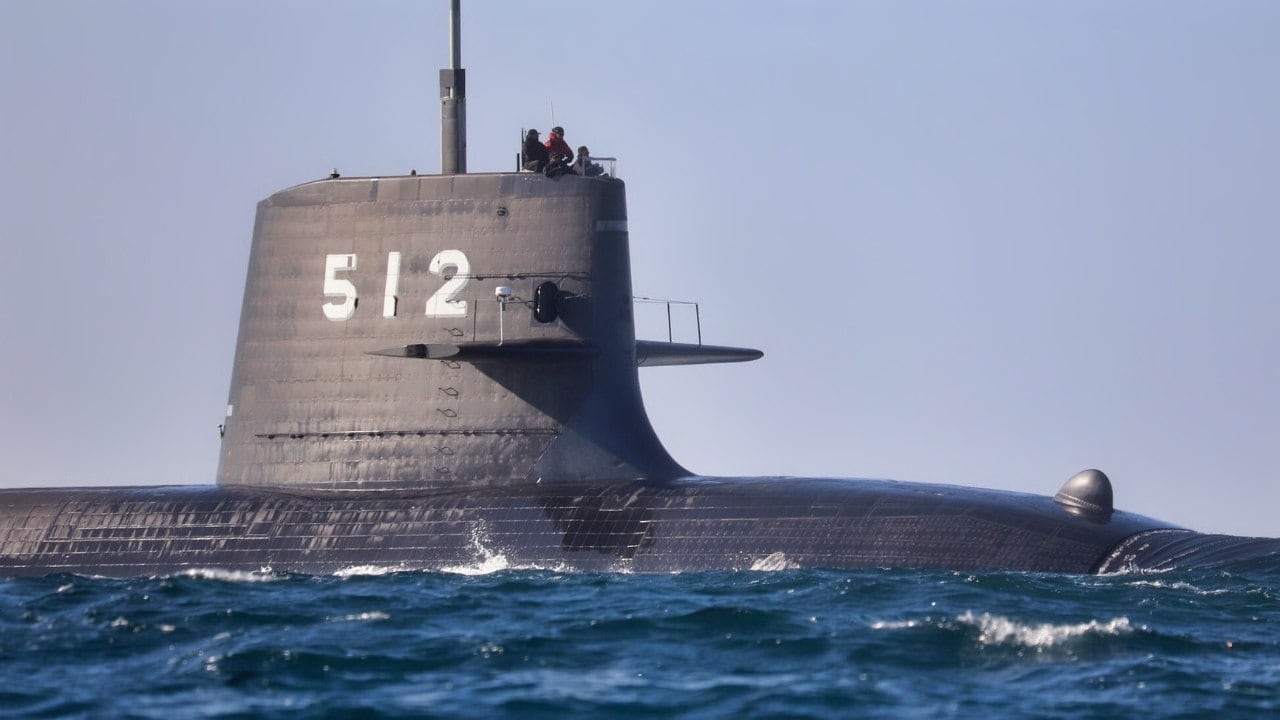
The JMSDF's Soryu-class and other conventional submarines excel in stealth and ambush in shallow waters. On the other hand, due to the limitations of battery power, they require snorkeling for extended operations, which limits their ability for long-range tracking and sustained patrols in the vast Pacific. SSNs can continue high-speed operations while generating power from a reactor, significantly expanding their submerged endurance, operational range, and anti-submarine warfare follow-on capabilities. The ISW assesses that SSNs could threaten the Chinese Navy's submarines and surface ships across the western Pacific.
Separating Capability from Intent
The Chinese Navy is expected to increase the proportion of nuclear submarines over the next decade. If Japan possesses SSNs, it could take on autonomous surveillance and tracking beyond the first island chain, not just assist the U.S. Navy in the event of a Taiwan contingency. There are also positive views from the U.S. side that Japan's nuclear technology base could support this transition. This could deepen the burden-sharing within the Japan-U.S. alliance.
However, expanding capabilities does not mean a fixation on intent. Japan's Atomic Energy Basic Law limits the use of nuclear power to peaceful purposes, and the three non-nuclear principles create strong political resistance to military use. A comprehensive institutional design is necessary, including not only construction costs but also reactor personnel, shipyard safety management, and decommissioning, which could also delay the renewal of conventional submarines.
The Real Issues for the Alliance
The discussion on introducing SSNs should not be reduced to the binary question of "Should Japan also have nuclear submarines?" What is first needed is a discussion on how far to integrate Japan-U.S. underwater information sharing, supply and maintenance bases, and command authority. While SSNs extend operational range, they do not shorten political decision-making or the speed of crew training.
In my view, the greatest risk is not the performance competition with China itself, but rather advancing the façade without the systems and personnel to support it. What Japan's underwater combat capabilities need is the design of an organization responsible for long-term operations, rather than the choice of reactor.
Reference Information
- Institute for the Study of War, China & Taiwan Update, September 22, 2026
- Reports on the Defense Minister's remarks by the Japanese government and Ministry of Defense on September 11
- U.S. Congressional Research Service, Japan Evolving Defense Policy and the U.S.-Japan Alliance
Japan's Defense Minister announced on September 11, 2023, that the country is considering the acquisition of nuclear submarines (SSNs), marking a significant shift in its defense strategy. This potential move could enhance Japan's maritime capabilities and its role in the U.S.-Japan alliance, particularly in monitoring the Pacific region. However, Japan's nuclear policy poses challenges to this transition, emphasizing peaceful use and political resistance to military applications.
- Japan's Defense Minister stated that acquiring nuclear submarines is not ruled out.
- The discussion marks a shift from conventional submarines to SSNs for the Japan Maritime Self-Defense Force.
- SSNs would enhance Japan's capabilities in monitoring and tracking in the Pacific.
- Japan's nuclear policy limits military use, posing challenges to SSN acquisition.
- The U.S. views Japan's nuclear technology as supportive of this transition.