
Keen Sword 27 Shows the Realization of the Japan-U.S. Alliance: How to Defend the Southwestern Islands with a Force of 45,000 Personnel
 Tanaka Takashi
Keen Sword 27 Demonstrates the Operationalization of the Japan-U.S. Alliance: How to Defend the Southwestern Islands with a Force of 45,000
From October 19 to 29, the Japan-U.S. joint integrated exercise "Keen Sword 27" will be conducted in Japan and surrounding maritime and airspace areas. According to the announcement from the Joint Staff Office, approximately 45,000 Self-Defense Forces personnel, 6,100 vehicles, 40 ships, and 260 aircraft will participate. More noteworthy than the scale itself is the fact that the exercise has transformed from a mere demonstration of island defense to a venue for verifying long-term integrated operations.
Changes Reflected in Training Items
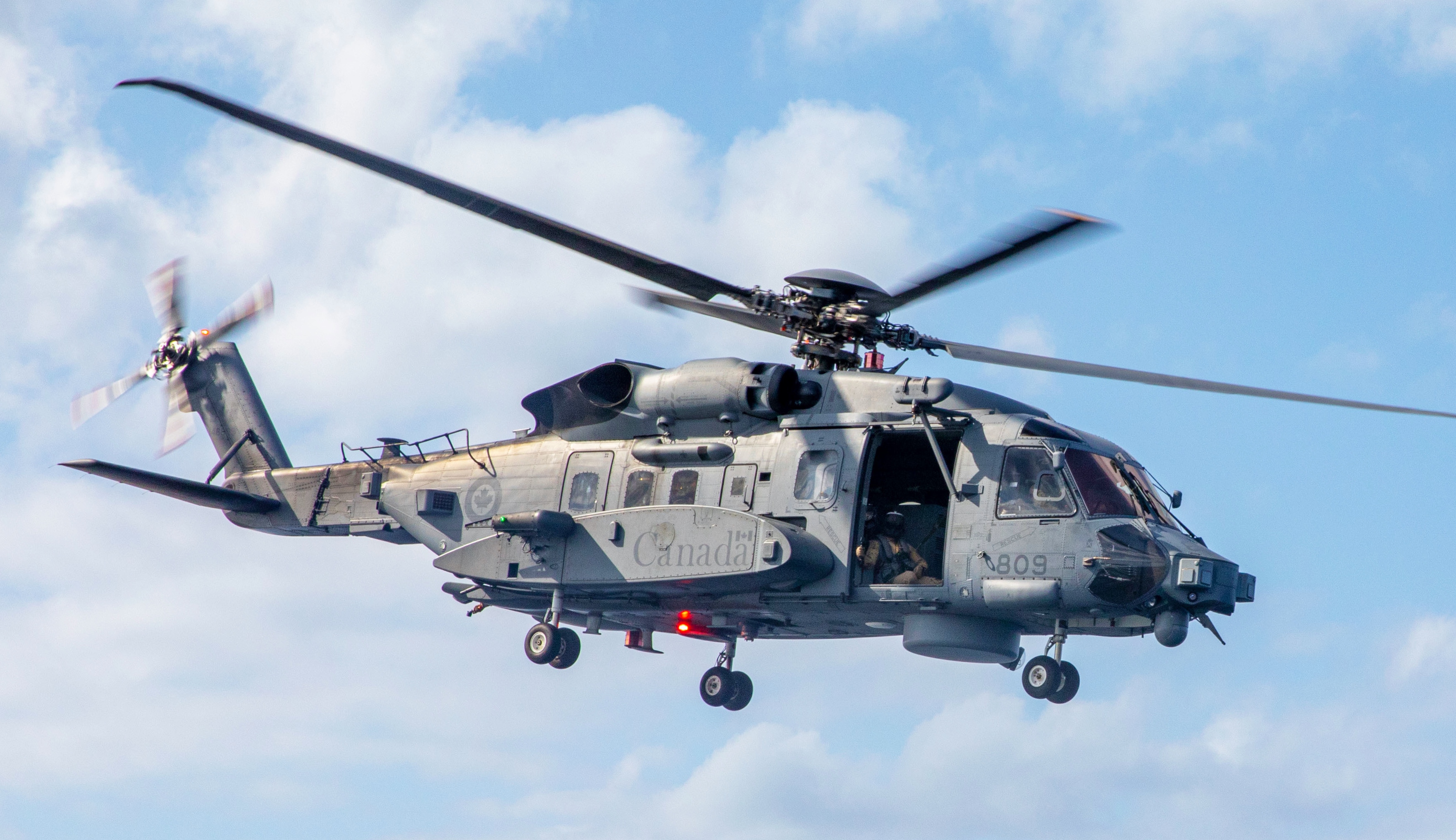
The main training items this time include integrated air defense and missile defense, anti-ship attacks, maritime, air, and amphibious operations. Additionally, it encompasses responses to cyber attacks, information warfare, space domain awareness, electronic warfare, dispersed operations, and protection of critical infrastructure. This reflects the Japan-U.S. recognition that merely moving ships and aircraft is insufficient in the event of a crisis in the first island chain.
For the Japan Maritime Self-Defense Force, it is particularly significant to simultaneously establish anti-ship attacks and the protection of sea lines of communication (SLOC). Around the southwestern islands, escort ships are required to conduct anti-ship combat, air defense, escort of transport convoys, and provide information to allied forces concurrently. While the number 40 may seem large, there is not enough margin to continuously monitor the vast maritime area.
Long-Range Missiles and Command Authority Issues
According to reports from Kyodo News, the use of the Ground Self-Defense Force's Type 12 surface-to-ship guided missile capability enhancement is also being considered for information sharing and confirmation of launch procedures. Although live firing will not take place, it is significant to clarify during the exercise who approves target information and which unit is responsible for engagement decisions. Even if missile ranges are extended, if sensors, communications, and political decisions are slow, deterrence will not be as strong as the numbers suggest.
Additionally, Australia, Canada, France, Germany, the Netherlands, New Zealand, and the Philippines will also participate. While maintaining the facade of bilateral exercises with the U.S. military, the reality is evolving into a framework for testing multilateral rear support and information connectivity. This is a practical measure to confirm whether ports, airports, and supply bases can be jointly utilized in times of crisis, rather than merely showcasing a containment network against China.
Overlooked Vulnerabilities
In my view, the true litmus test of Keen Sword 27 is not the flashy initial anti-ship attacks. Over the course of the 11-day exercise, the key will be how well fuel, maintenance parts, satellite communications, and the restoration of civilian infrastructure can be sustained. Defending the southwestern islands is more challenging in terms of maintaining command without cutting supply lines than simply placing missiles on the front lines.
The operationalization of the Japan-U.S. alliance is undoubtedly progressing. However, as the number of participating countries increases, so do the points of coordination. The real risk is not a lack of capability, but rather the ambiguity of who will set priorities during the critical first 24 hours of a crisis.
The Japan Self-Defense Forces and U.S. Armed Forces conducted the 'Keen Sword 27' joint military exercise from October 19 to 29 in the Southwest Islands of Japan. Approximately 45,000 personnel, along with 6,100 vehicles, 40 ships, and 260 aircraft, participated in training focused on integrated defense operations, including air defense and cyber operations. The exercise also involved collaboration with forces from Australia, Canada, and other nations, emphasizing logistical coordination and crisis response capabilities.
- The 'Keen Sword 27' exercise involves approximately 45,000 personnel from Japan and the U.S.
- The exercise will take place from October 19 to 29 in Japan and surrounding air and sea areas.
- Key training activities include integrated air defense, missile defense, and cyber operations.
- The exercise reflects a shift from island defense to long-term integrated operations.
- Participating nations include Australia, Canada, France, Germany, the Netherlands, New Zealand, and the Philippines.