
Large-scale, Fully Autonomous! A Hard-core Review of China's Drone Swarm Combat Capability

A single bee is insignificant, but when thousands of "steel swarms" quietly gather in the sky, they can form a formidable combat force.
The domestically produced unmanned equipment "Atlas" drone swarm combat system consists of the Swarm No. 2 armored vehicle, command vehicle, and support vehicle, representing the practical application of swarm intelligence concepts. "Steel swarm" deployed! What is the combat capability of our country's drone swarm combat system?
Coordinated reconnaissance, autonomous strike
In the training area strike zone, three similarly shaped targets are set up. The main task of the swarm is to strike the command vehicle among them. In this process, the "Atlas" drone swarm combat system needs to complete coordinated reconnaissance and autonomous strikes.
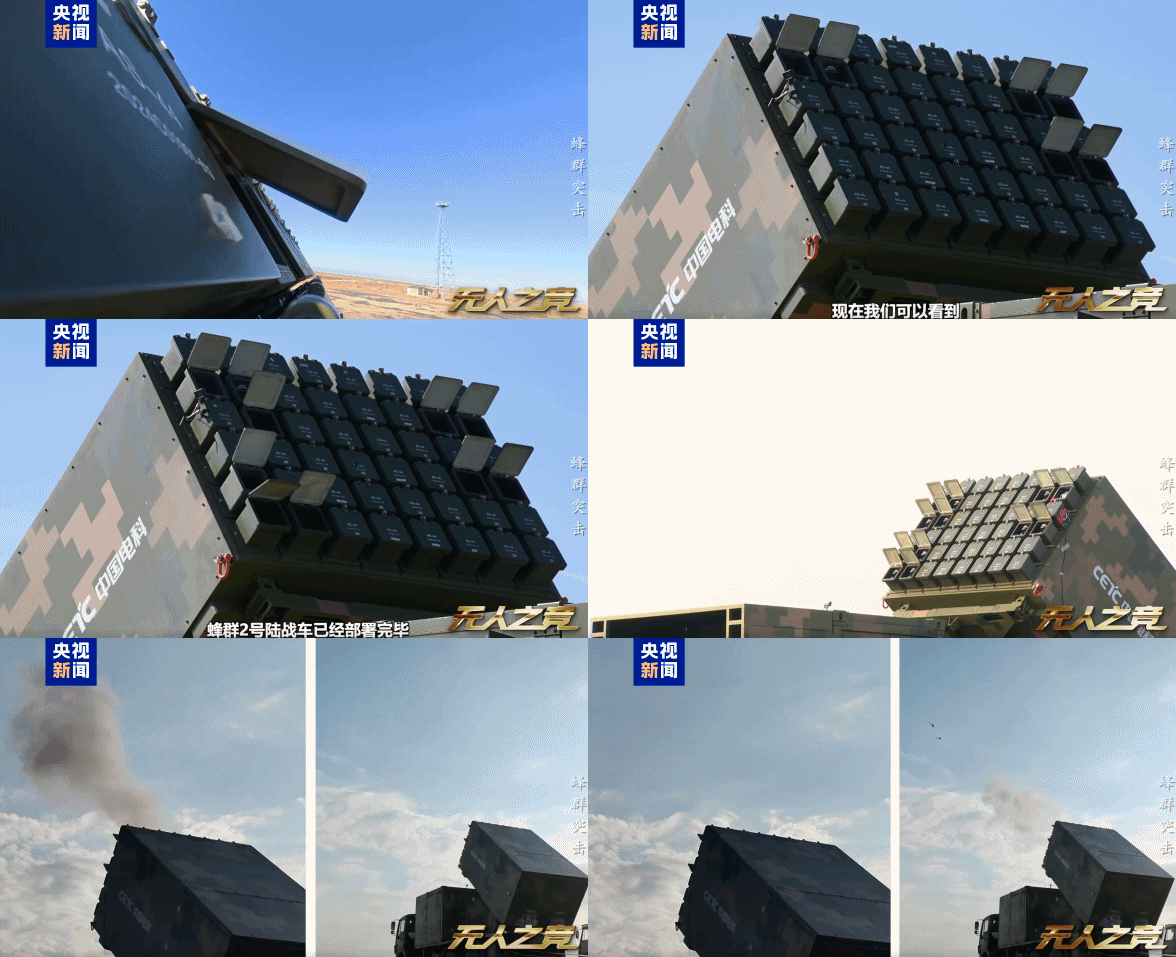
The Swarm No. 2 armored vehicle adopts a three-second firing interval mechanism, allowing each drone to maintain a safe flying space through time differences.
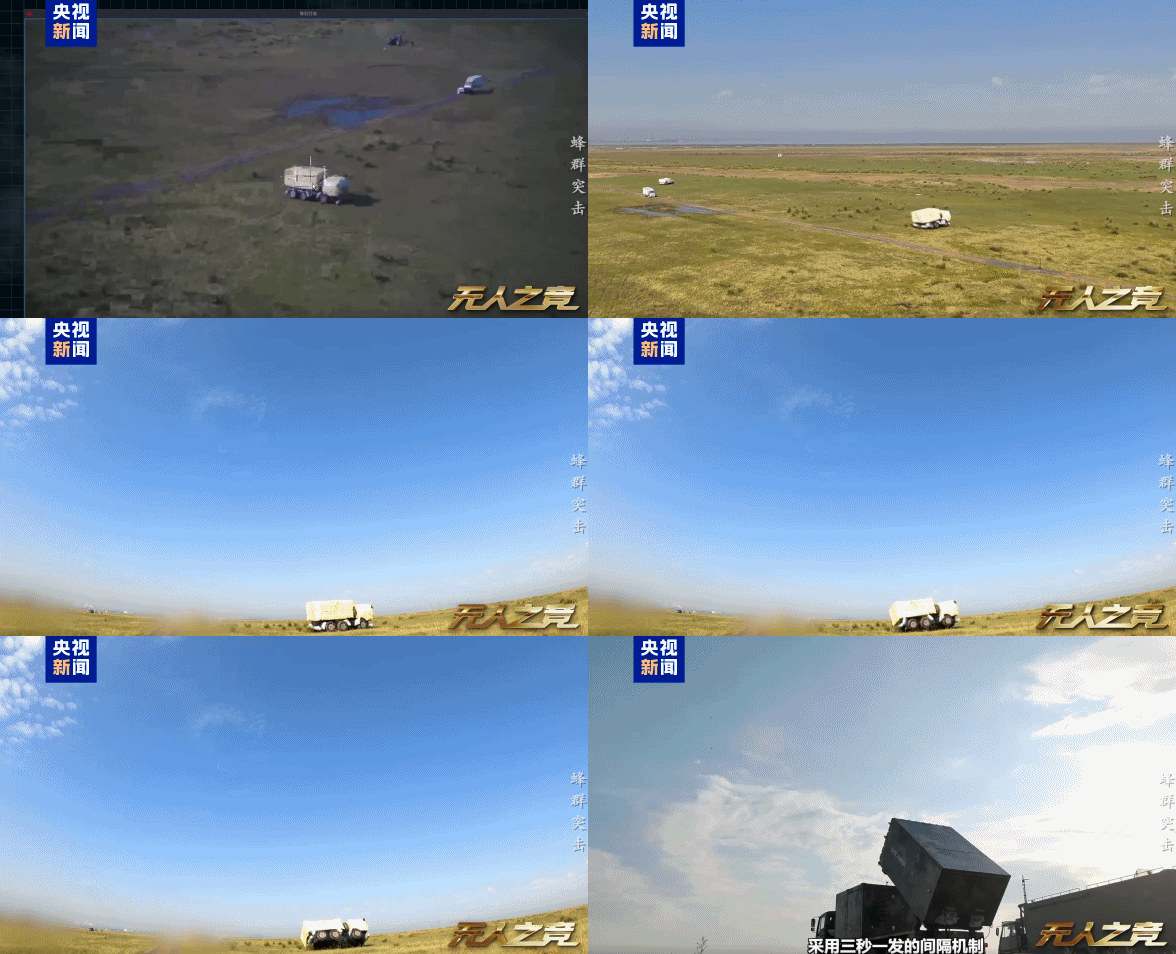
△ First-person view from the drone
The types and order of drone launches can be flexibly configured according to combat needs: if enemy reconnaissance is needed first, reconnaissance drones are launched first; if enemy suppression is needed, jamming drones are launched first, followed by attack drones, accurately adapting to various combat scenarios.

Zhang Wei, China Electronics Technology Group Corporation Intelligent Institute: The drones above are performing area control tasks, the few drones in the middle are conducting area search and circular tracking tasks, and the drones gathered in a circle below are the reserve team of the drone swarm. When drones are destroyed or need to adjust tasks, these drones can move in to provide real-time replacements.
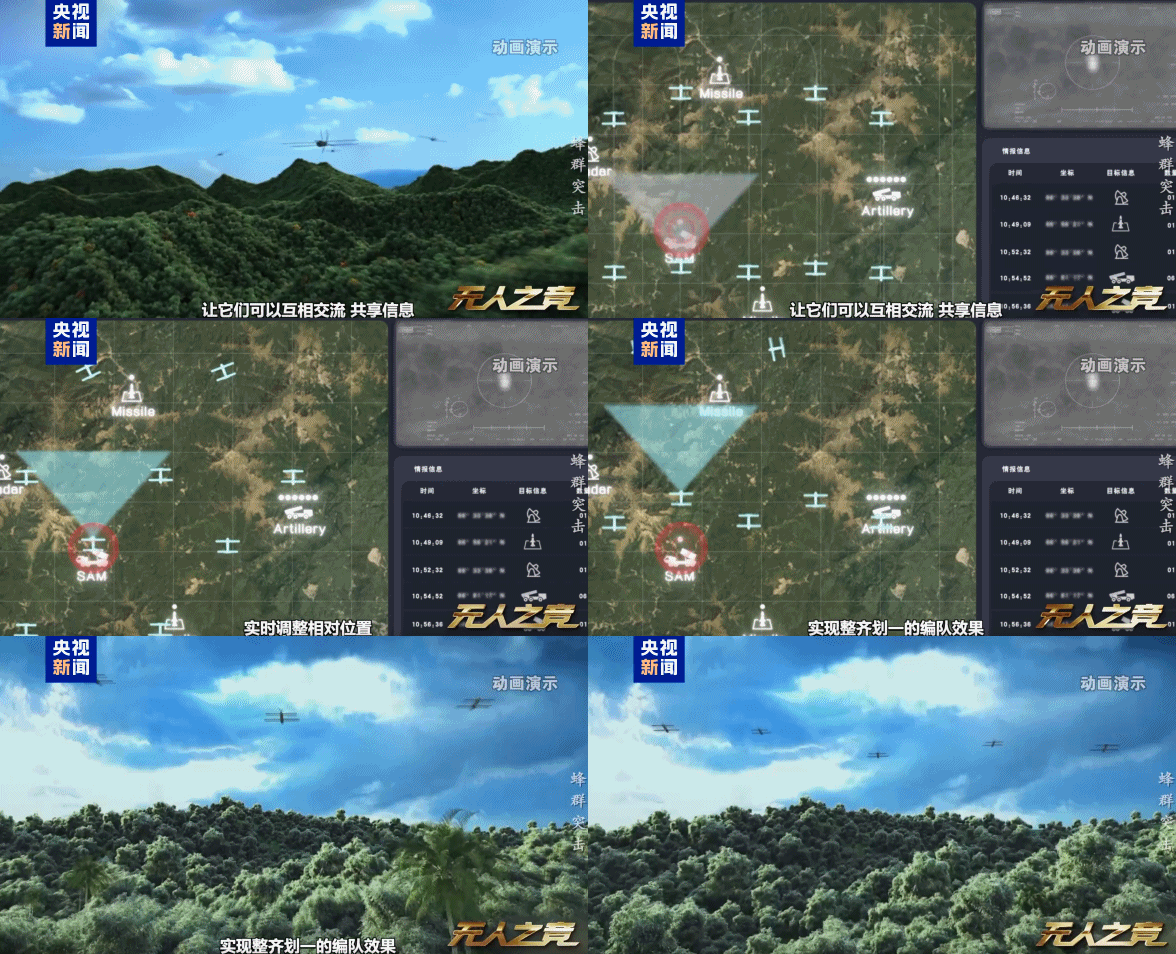
During the execution of the mission, nearly a hundred high-speed flying drones must form a precise and dense formation in a short time while autonomously avoiding factors such as airflow interference to prevent collisions between drones. The swarm control algorithm gives each drone a "smart brain," allowing them to communicate, share information, and adjust their relative positions in real-time to achieve a neat and uniform formation effect.

A single technician can easily control a swarm of 96 drones to perform aerial combat missions, just like one person controlling nearly a hundred kites with a single string.
High-low pairing, complementary functions
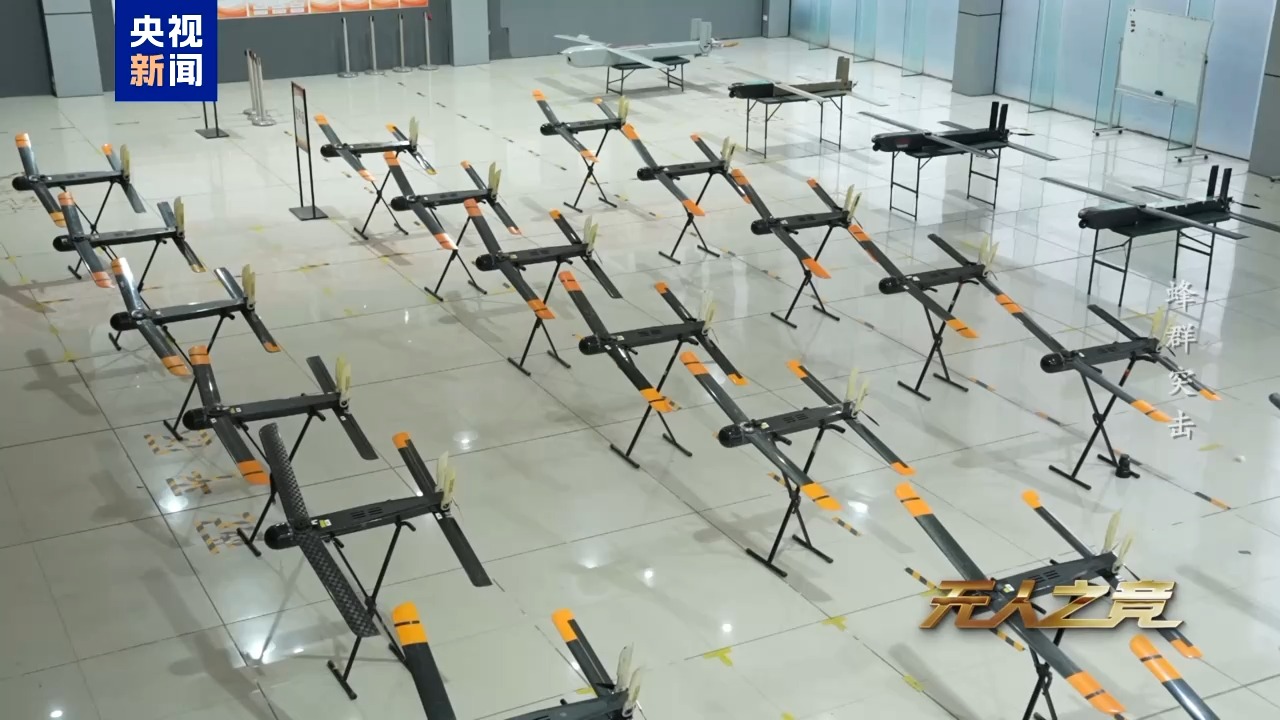
Reporter Sun Xin: These various sizes of equipment are different models of the drone swarm.
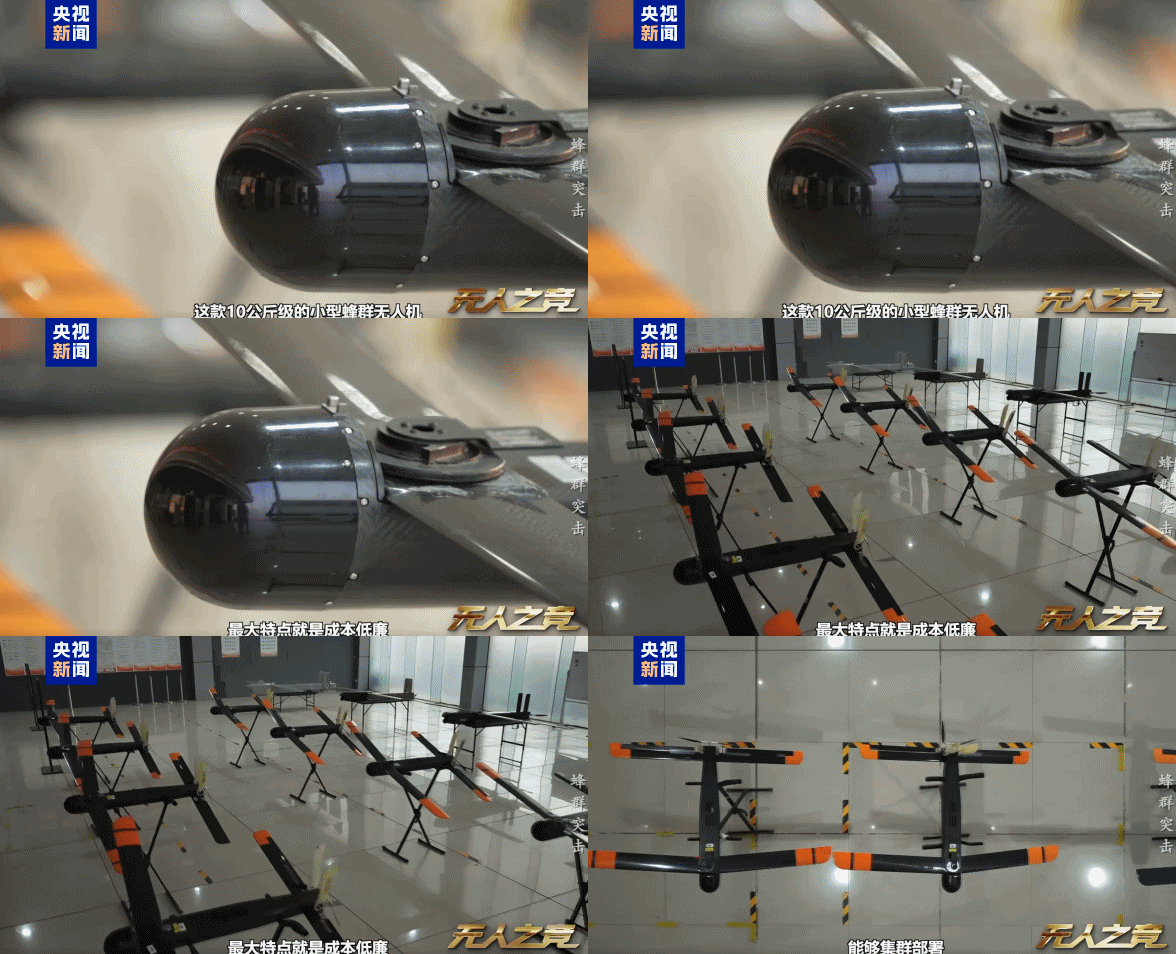
This 10-kilogram class small swarm drone is characterized by its low cost, ability to be deployed in swarms, and maximum flexibility.
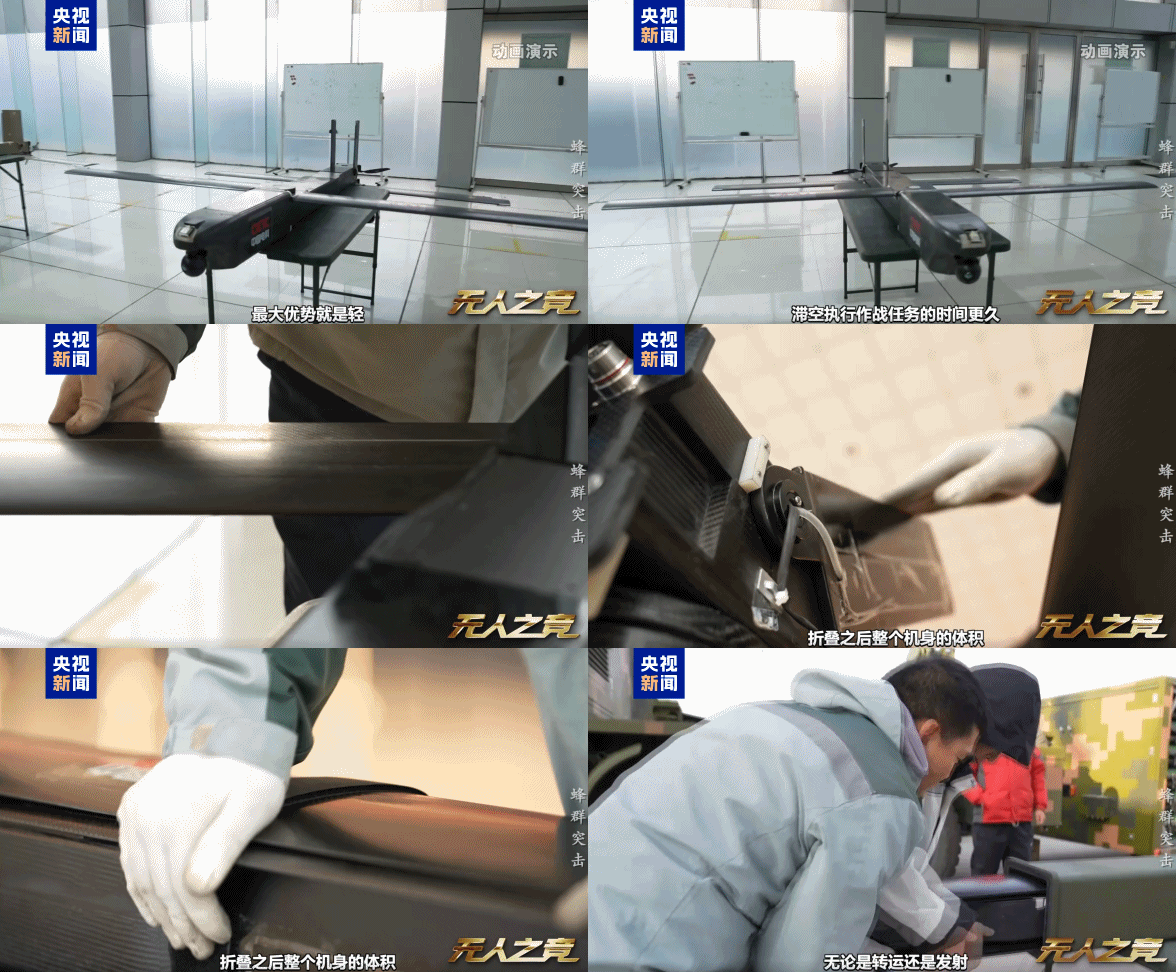
This medium-sized drone is made entirely of carbon fiber, with the main advantage being its light weight, allowing for longer airborne operational time. After folding, the entire body size is greatly reduced, making it convenient for transport and launch, and allowing for quick response in actual combat.
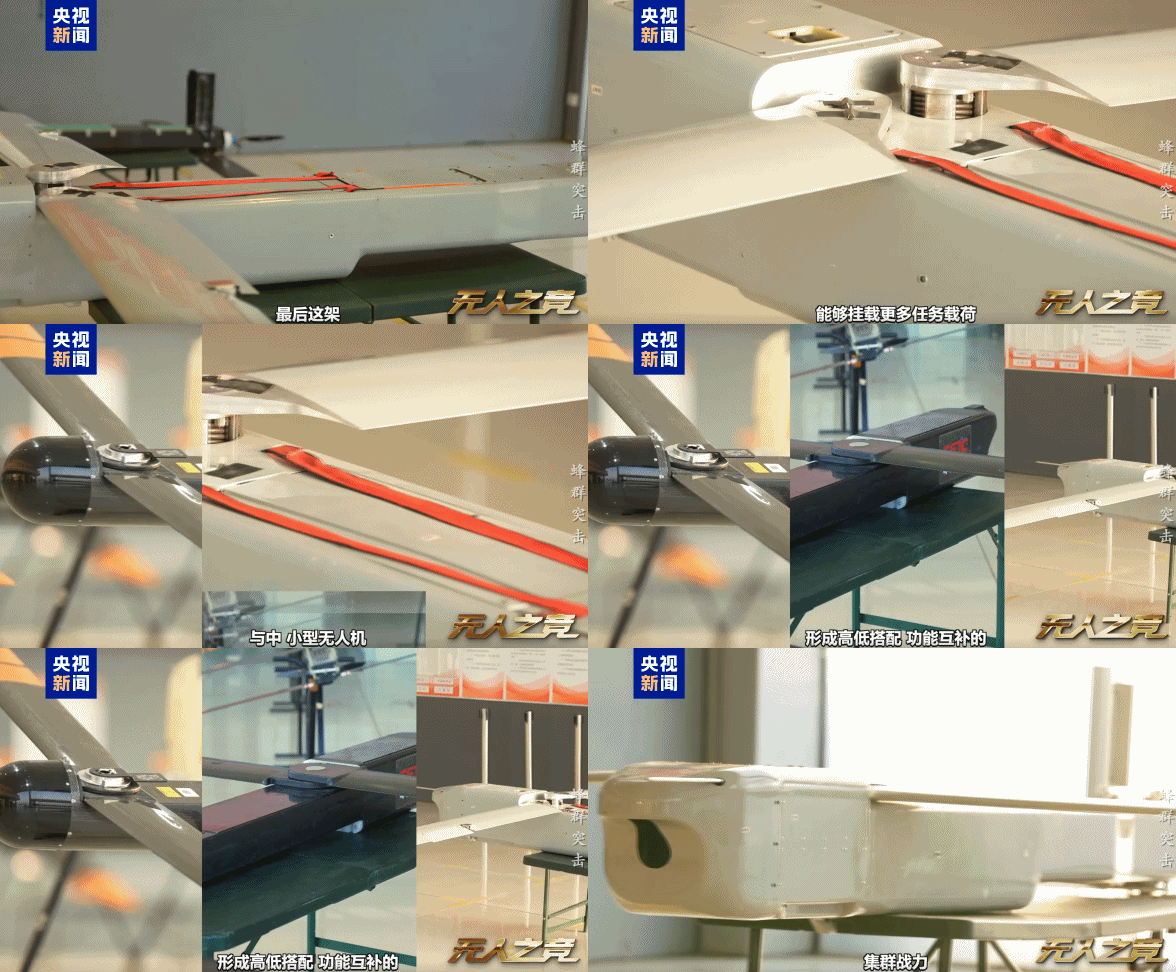
This drone can carry more mission payloads, forming a swarm combat capability that pairs high and low models and complements functions.
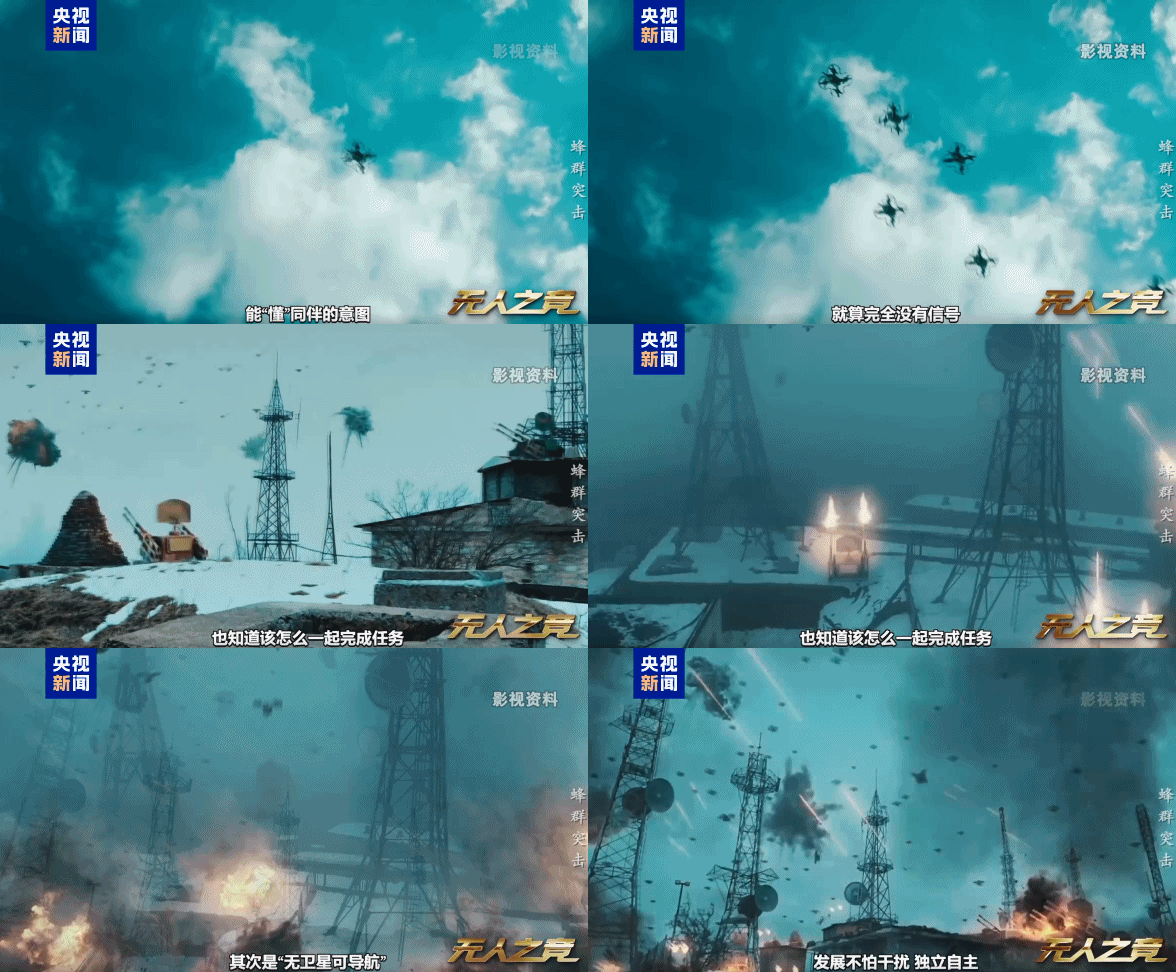
Zhang Wei, China Electronics Technology Group Corporation Intelligent Institute: The drone swarm, first of all, is "without communication for interaction," aiming to enable drones to "understand" the intentions of their companions, even without any signal, knowing how to complete tasks together. Secondly, it is "without satellites for navigation," developing navigation methods that are resistant to interference, independent, and highly intelligent. Finally, it is "large-scale fully autonomous," with a large number of different types of drones teaming up, even across domains, such as aerial, ground, and water unmanned equipment acting together, without human control, fully achieving "self-determination."
(Source: China Central Television Defense Military Channel's program "Competition of the Unmanned")
The Atlas drone swarm system in China is conducting coordinated reconnaissance and autonomous strikes using hundreds of drones. This system includes various types of drones, such as reconnaissance, jamming, and attack drones, which can operate independently and be controlled by a single operator. The drones are capable of adapting to different combat scenarios and are designed for high operational flexibility.
- The Atlas drone swarm system consists of multiple types of drones including reconnaissance, jamming, and attack drones.
- The system can autonomously coordinate and execute missions without human intervention.
- A single operator can control up to 96 drones simultaneously.
- The drones are designed to operate in various environments, including air, ground, and water.