
Video | "Shadow," "Bloodbath," "Polar" Assemble! China's Machine Wolf Pack Urban Combat Footage Released for the First Time
The China Weaponry Automation Research Institute has independently developed the latest generation of robotic wolf packs. Compared to the previous generation, they have stronger bodies, smarter brains, and more practical capabilities. The latest generation of robotic wolves can carry more weapon systems, including mini-missiles and grenade launchers, capable of providing firepower suppression on targets.
Depending on the mission, these robotic wolves have three impressive names:
The one responsible for reconnaissance is called "Shadow."
The one responsible for strikes is called "Bloodbath."
The one responsible for support is called "Polar."
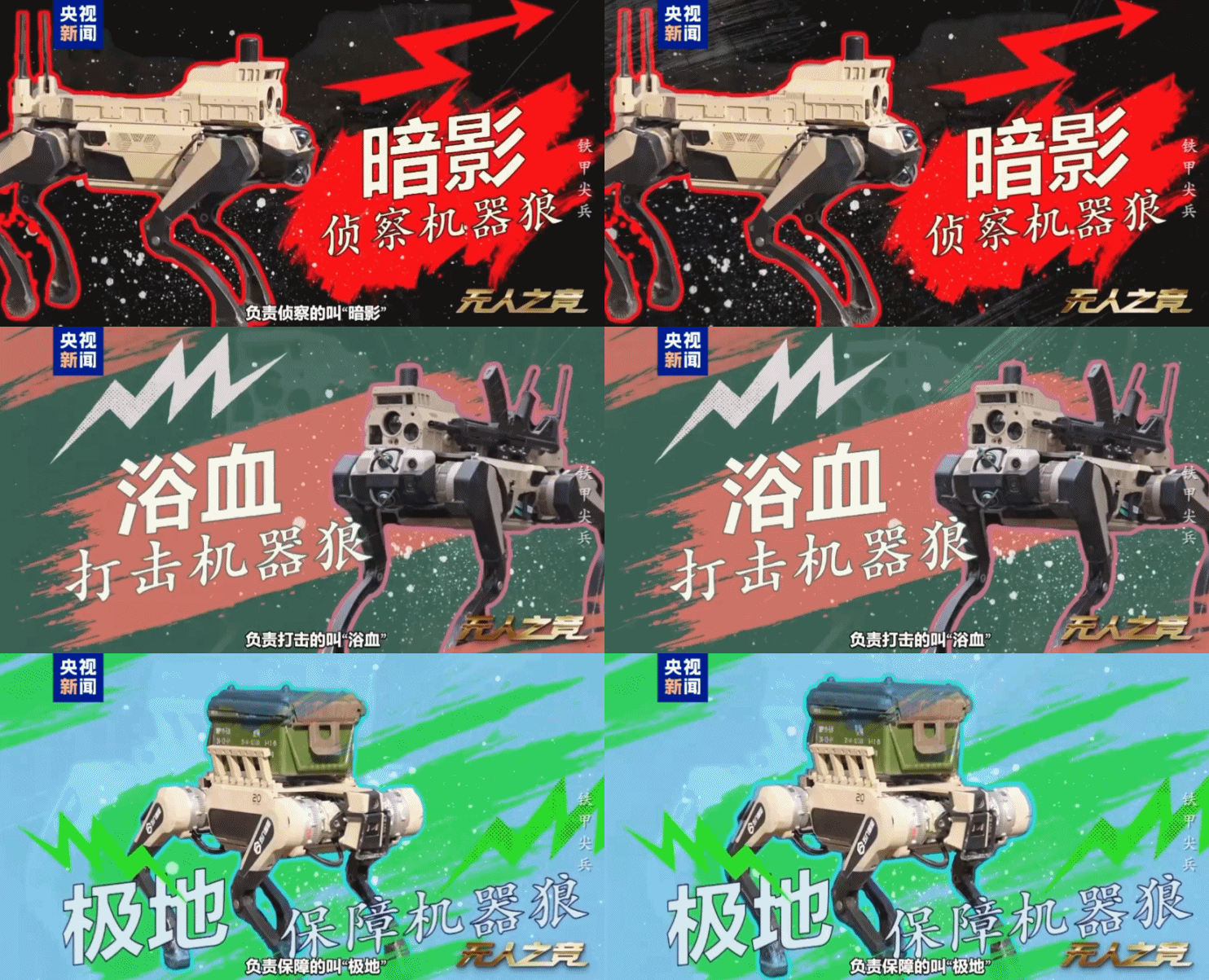
Recently, the robotic wolf squad conducted
simulated urban street combat exercises
to observe the hardcore capabilities of
"Polar," "Shadow," and "Bloodbath" in realistic scenarios.
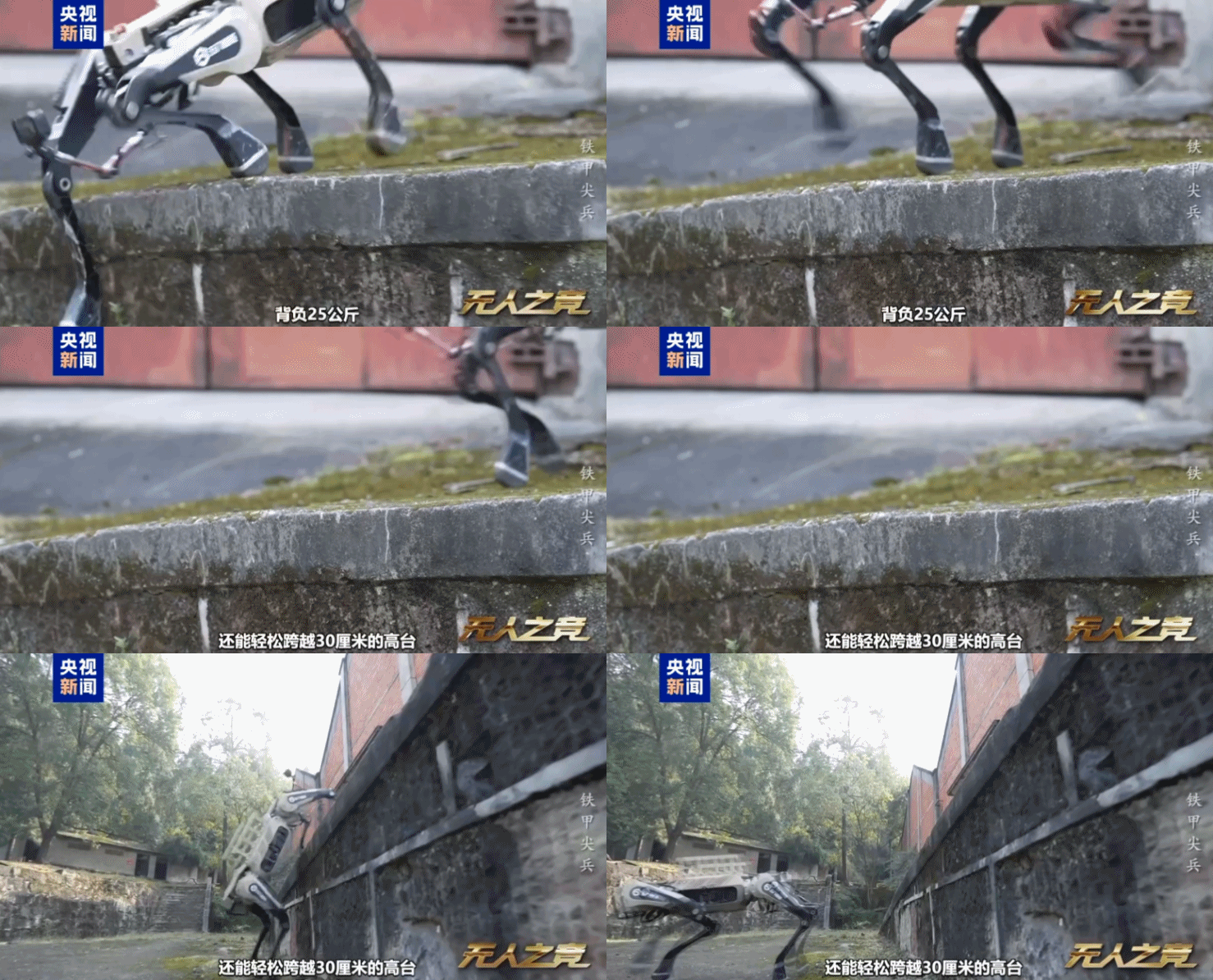
Carrying 25 kilograms and jumping over a 30-centimeter high platform
The stability of the latest generation of robotic wolves has improved
Compared to the previous generation, the robotic wolves have made significant improvements in stability:
They can quickly traverse uneven ruins, reaching speeds of up to 15 kilometers per hour, allowing the robotic wolves to move through cities, ruins, shorelines, and beaches as if on flat ground.
With 12 degrees of freedom in their limb joints, they mimic real wolves, making them more agile and capable of switching gaits at any time.
Carrying 25 kilograms, they can easily jump over a 30-centimeter high platform, thanks to a significant increase in motor power.
This ability to adapt to complex terrains allows the robotic wolves to charge up mountain slopes and infiltrate urban ruins, truly achieving all-angle combat.
The robotic wolf squad can also make collaborative decisions, with each robotic wolf sharing perception information in real-time, forming a shared vision brain, automatically cooperating, making joint judgments, and acting together.
Integrated air-ground operations, coordinated strikes
Robotic wolves group for urban combat
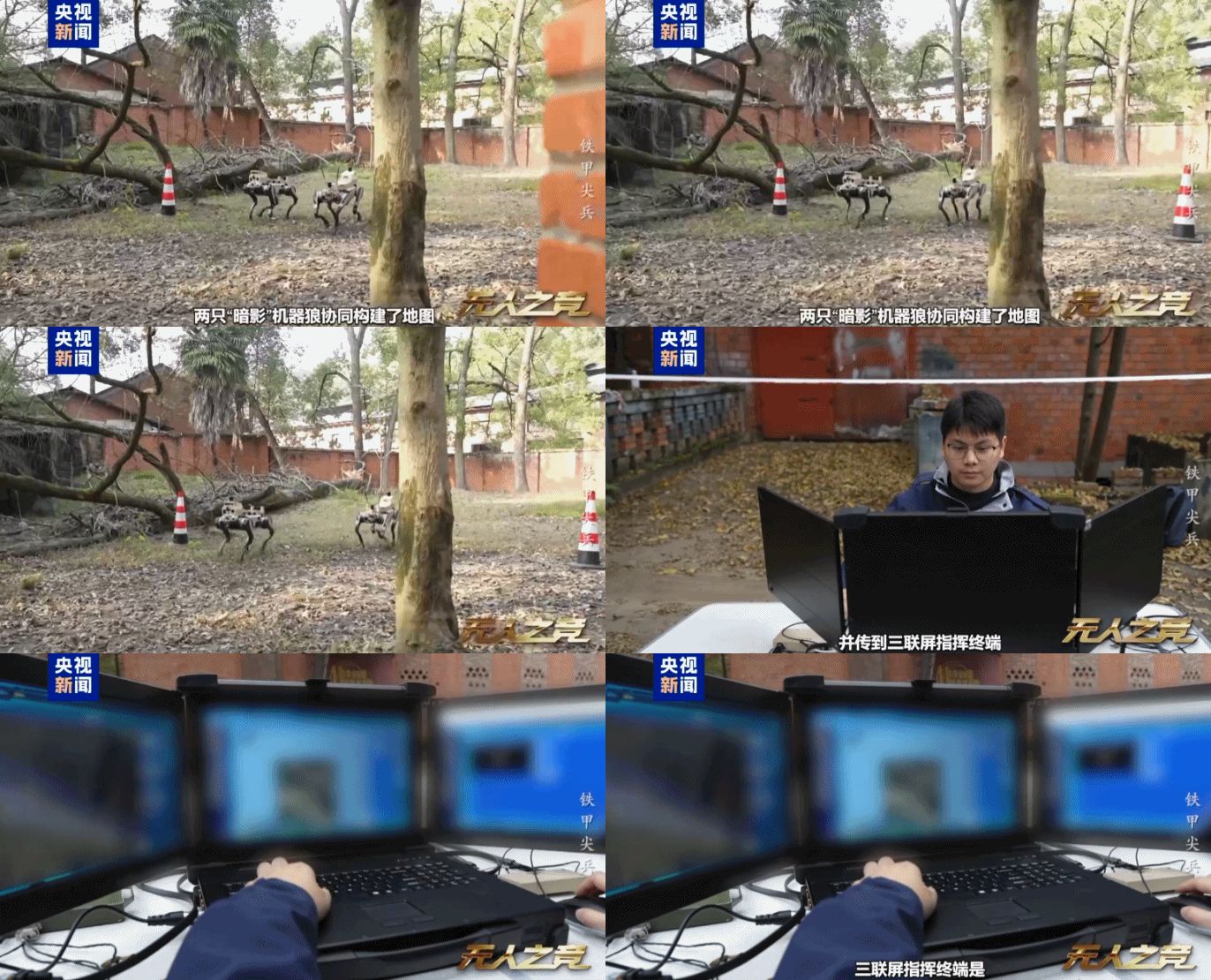
Upon reaching the target area, two "Shadow" robotic wolves collaboratively constructed a map and transmitted it to the tri-screen command terminal. The tri-screen command terminal serves as the command and operations room for the robotic wolf pack, capable of collecting frontline information in real-time, coordinating multiple robotic wolves, and even aerial drones, achieving integrated air-ground operations and coordinated strikes.
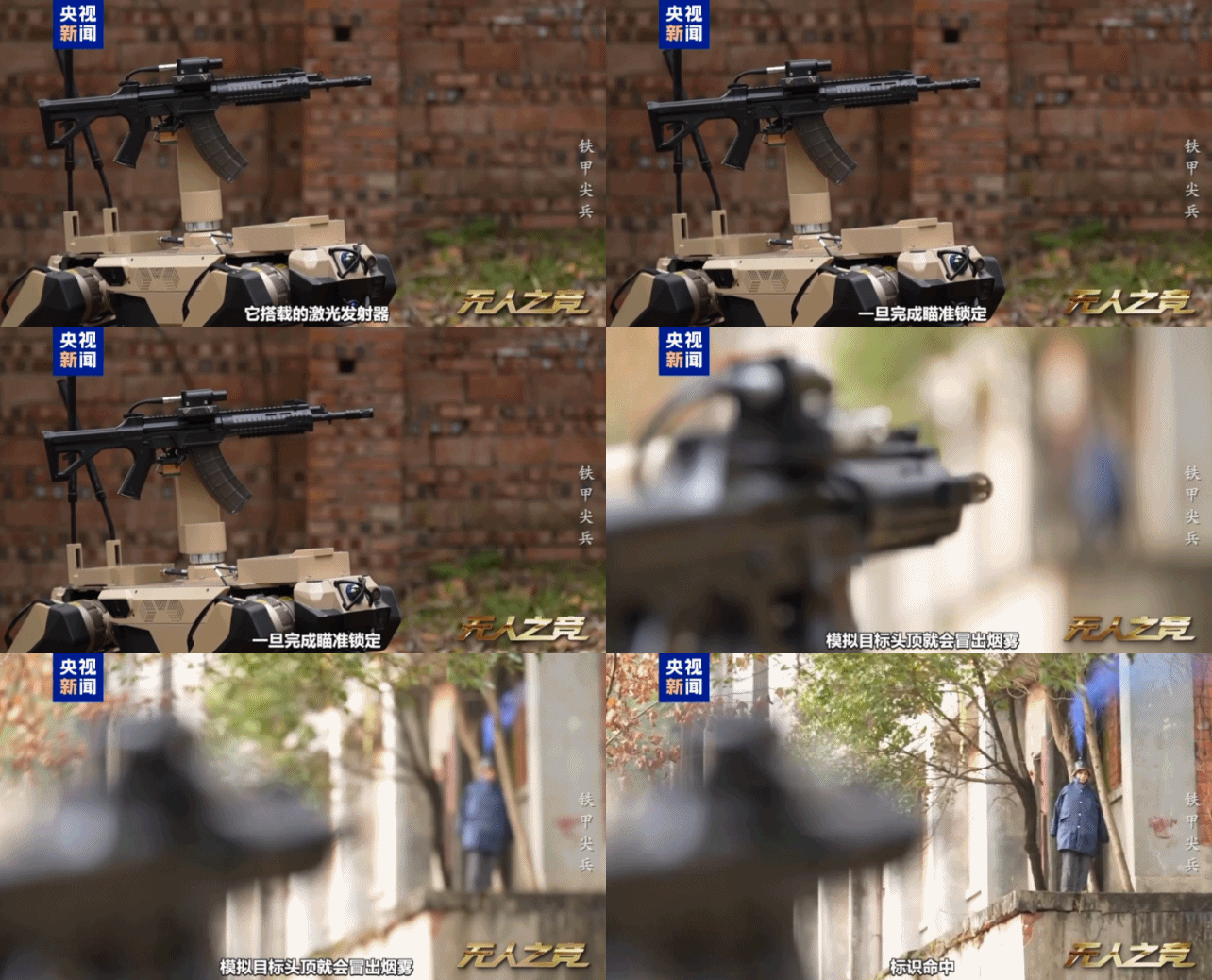
The support robotic wolf "Polar" has already kept pace with the strike robotic wolf "Bloodbath" at the front lines. The "Bloodbath" robotic wolf is approaching the simulated target, preparing to initiate fire against the simulated target. Once the laser launcher it carries completes targeting and locking, smoke will rise above the simulated target's head, indicating a hit.
Autonomous identification, autonomous targeting
The robotic wolves change weapon payloads based on the mission
In actual combat, robotic wolves typically autonomously identify, autonomously target, with human confirmation for strikes. Depending on the mission, they can also switch to different weapon payloads.
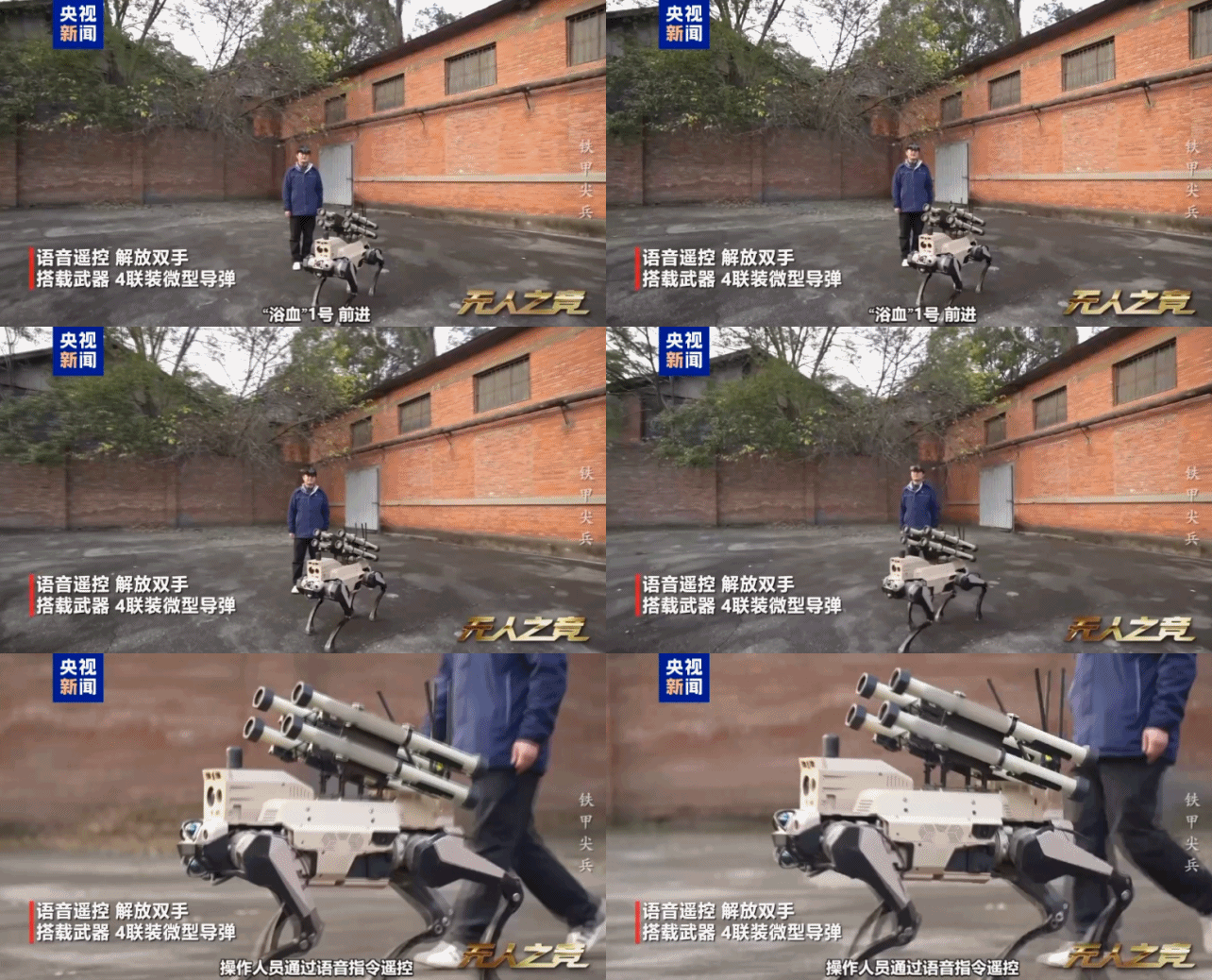
Operators remotely control "Bloodbath" No. 1 using voice commands, carrying quad-pack mini-missiles to simulate targeting the objective first;
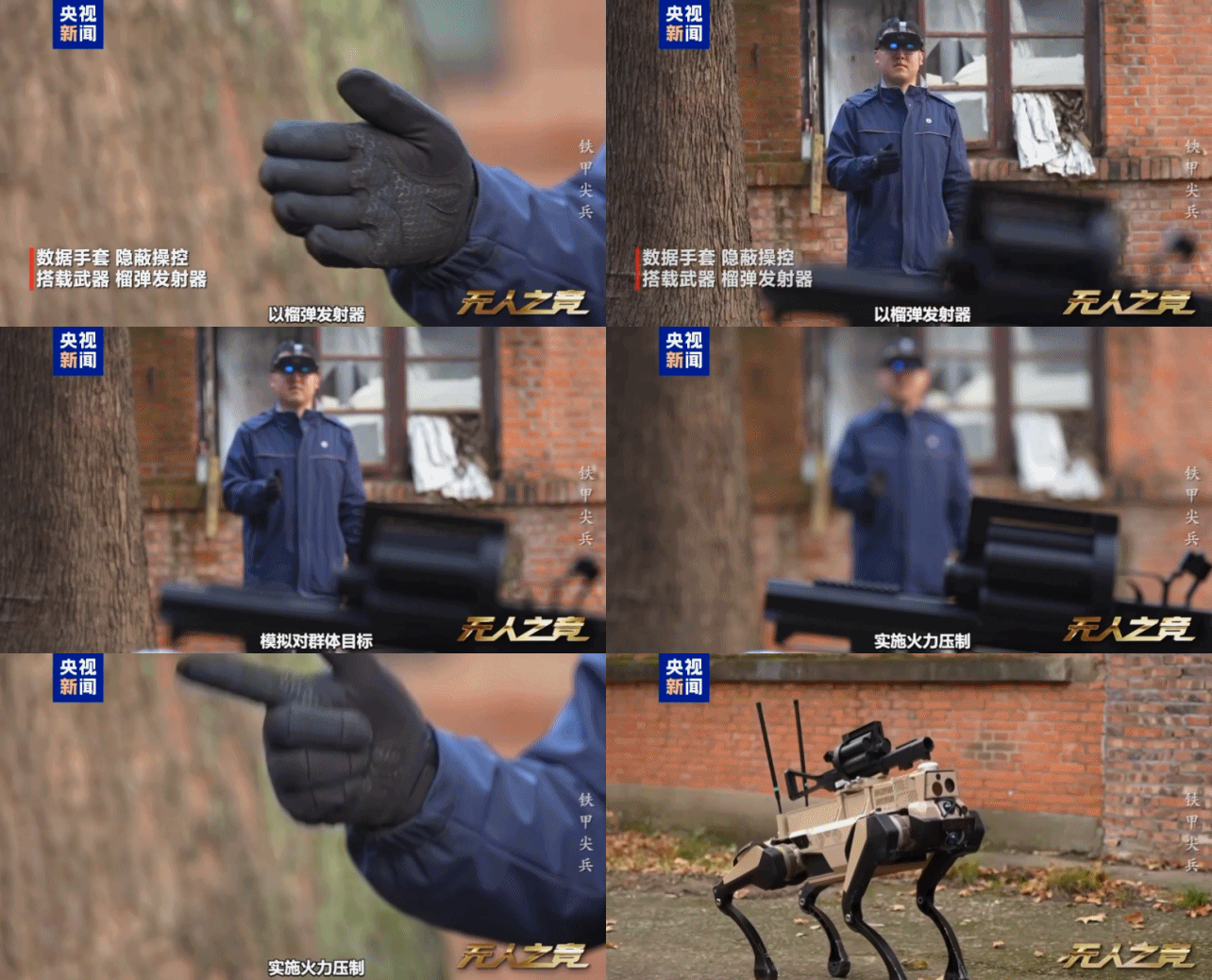
Upon nearing the target, they use data gloves to control "Bloodbath" No. 2, simulating firepower suppression on group targets with a grenade launcher;
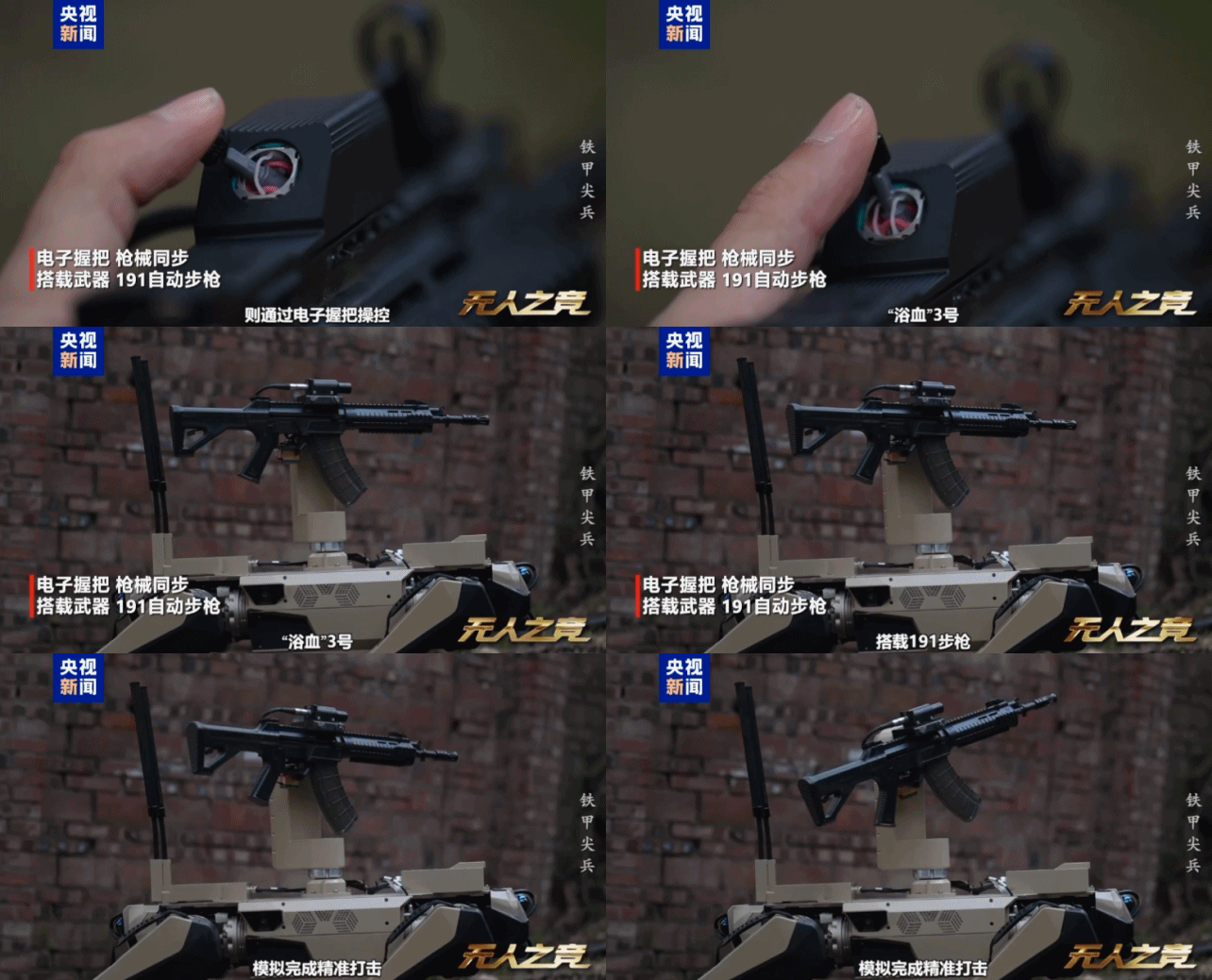
When deep in the battlefield, they control "Bloodbath" No. 3 using an electronic grip, equipped with a 191 automatic rifle to simulate precise strikes.
Thus, the robotic wolf pack establishes a series of firepower systems with a combination of light and heavy forces, significantly enhancing the combat effectiveness of individual soldiers.
(Source: China Central Television Defense Military Channel's program "Competition of the Unmanned")
The China Weaponry Automation Research Institute showcased its latest generation of robotic wolves, named 'Shadow', 'Bloodbath', and 'Polar', during recent simulated urban combat exercises in China. These robotic units demonstrated advanced capabilities in reconnaissance, strike, and support roles, equipped with various weapon systems. They are designed for autonomous operation and real-time information sharing, significantly enhancing military operational effectiveness.
- China has developed a new generation of robotic wolves for military use.
- The robotic wolves can carry various weapons including mini missiles and grenade launchers.
- They are capable of autonomous decision-making and real-time information sharing.
- The units are named 'Shadow', 'Bloodbath', and 'Polar' for their respective roles.
- The robotic wolves demonstrated improved stability and speed in urban combat simulations.