
Military Situation Time: Details of Dongfeng-17 Combat Drills Revealed, Experts Explain Three Major Highlights
Reporter Tan Lin: I am currently at a certain field training ground of the Rocket Force, where several new missiles are being erected behind me. During this firepower assault, we can see that various combat units not only need to closely coordinate to complete multiple waves of fire strikes but also must be prepared to handle special situations such as strong electromagnetic interference and precise strikes at any time. The officers and soldiers tell us that the new equipment has a higher level of intelligence, stronger mobility, and more precise firepower strikes, providing advantages in all-weather, independent operations, and strong penetration capabilities.
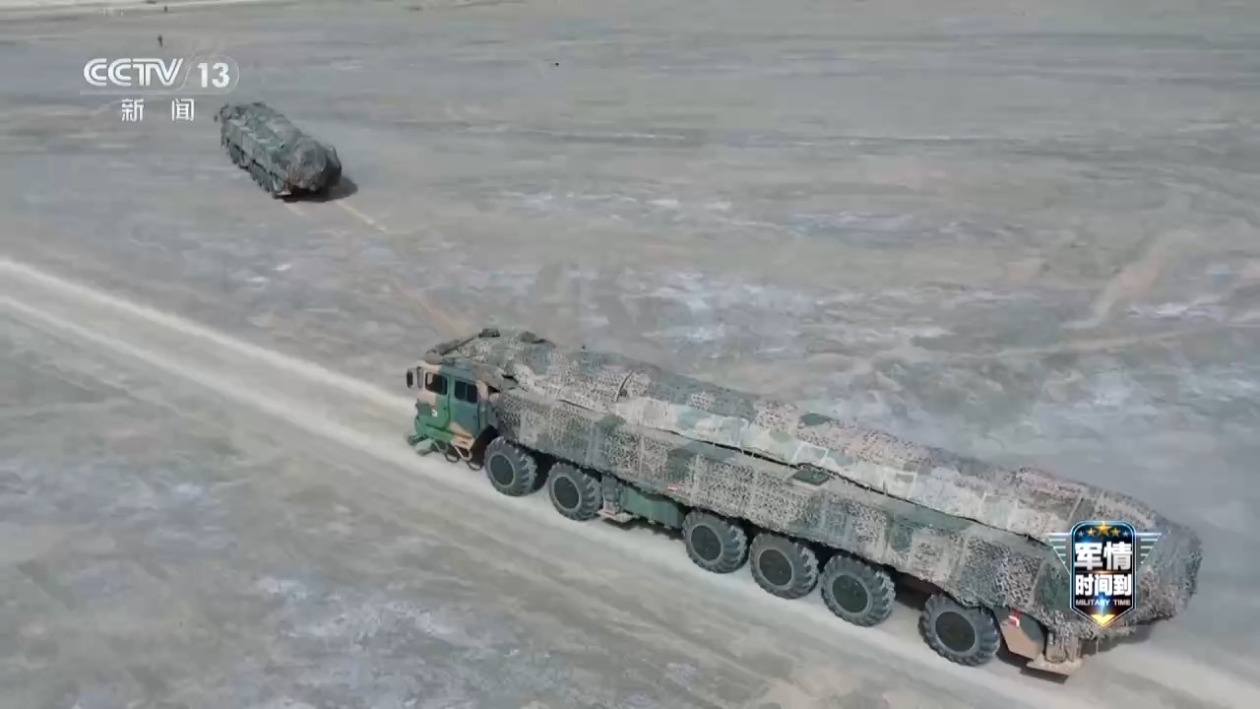
The introduction of new equipment has also streamlined the command chain, greatly shortening the time required to generate firepower. At the same time, it has broken the limitations of geography, positions, and weather conditions, leading to a surge of battlefield-adapted tactics and training methods, truly achieving a leap from fixed-point firing to random launches, and from point-based readiness to full-domain deterrence.
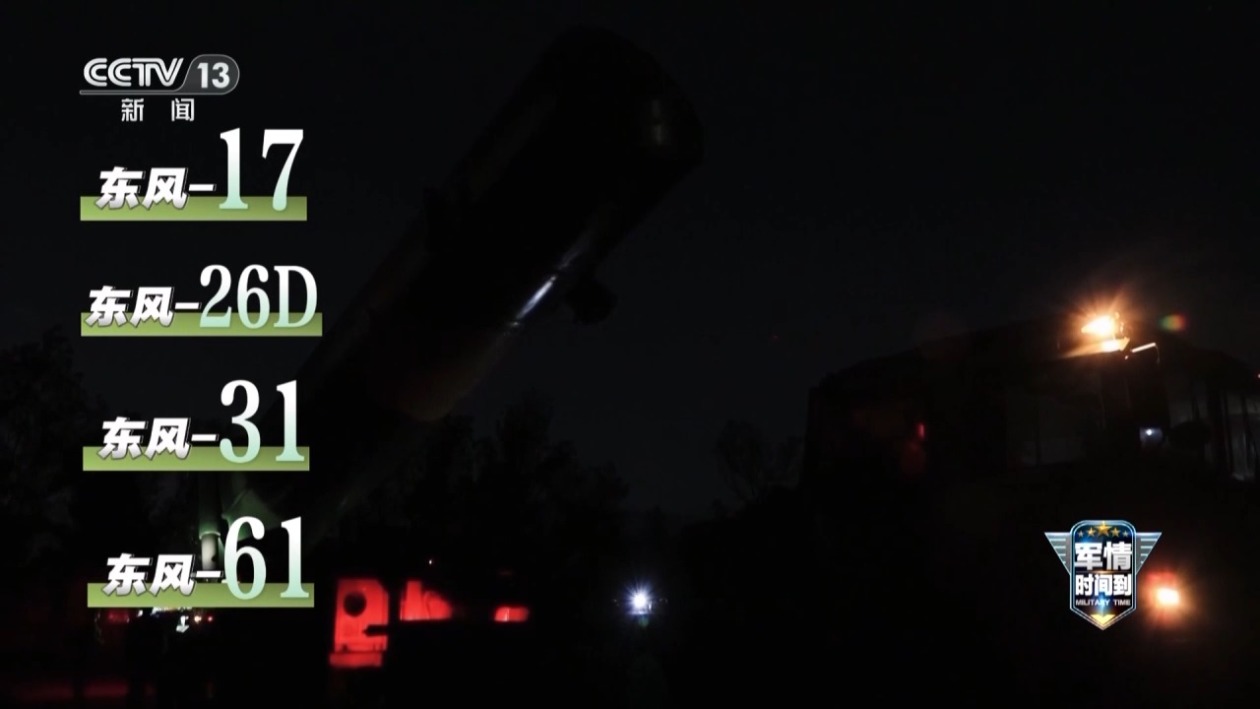
The iterative upgrade of equipment is essentially a hard-core manifestation of technological strength. In recent years, a large number of new main battle equipment independently developed by our country, such as Dongfeng-17, Dongfeng-26D, Dongfeng-31, Dongfeng-61, have been put into service and regularly participate in training.
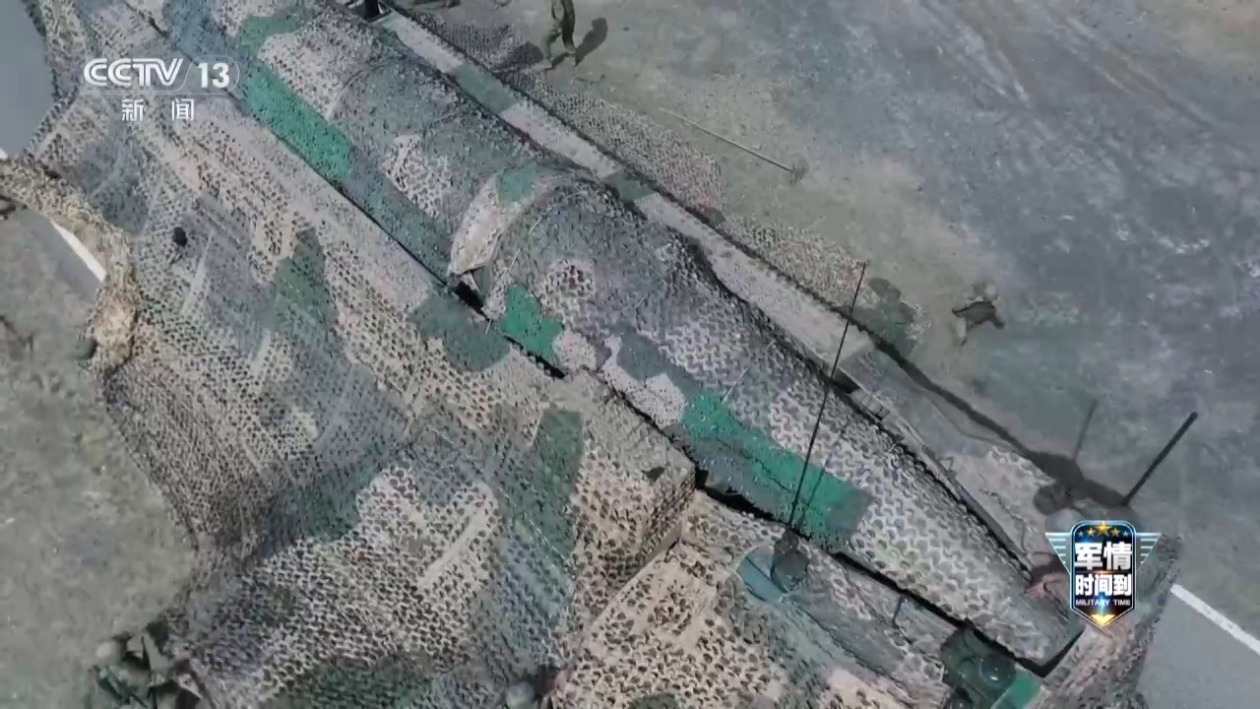
Here in the depths of the northwest Gobi Desert, a joint training exercise involving multiple military branches is underway. In addition to multiple combat forces from the Army and Air Force, a certain brigade of the Rocket Force has also been integrated into the training system, comprehensively honing contract training methods.
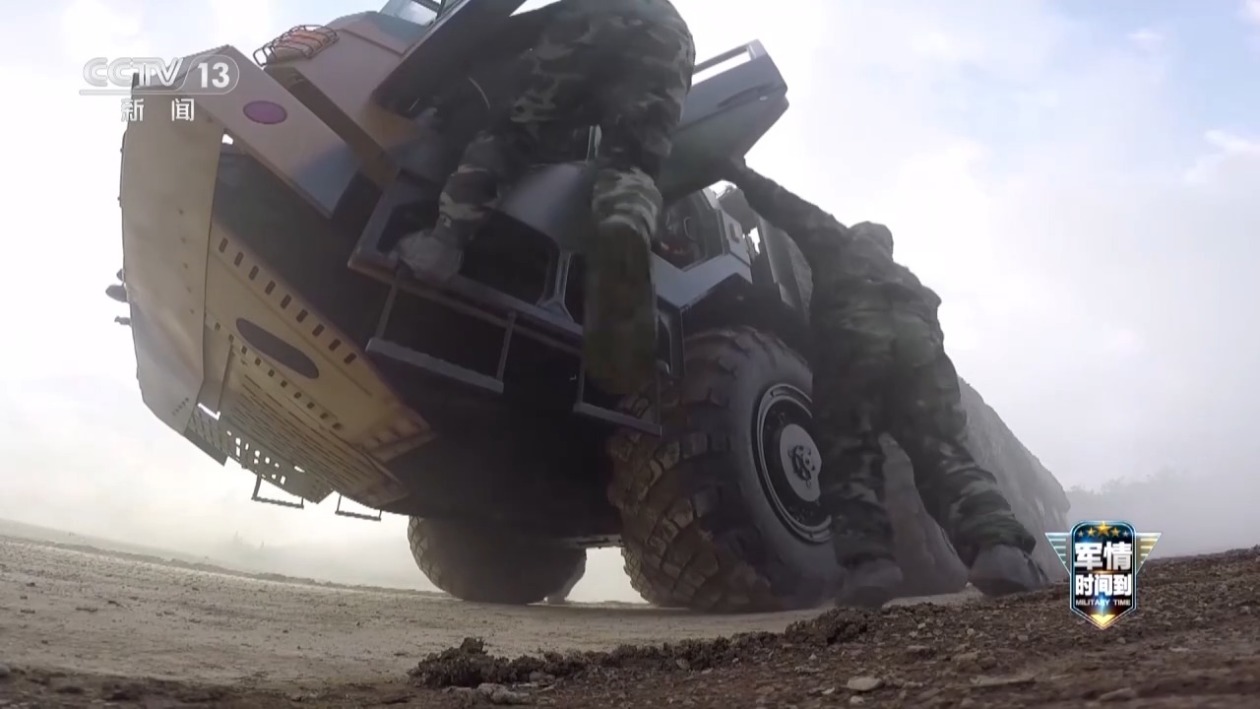
Reporter Guo Xiaoning: Behind me, various units of the Rocket Force are maneuvering in an orderly manner according to combat formations, maintaining a patrol-ready state throughout, and can switch combat modes at any time based on orders. For the officers and soldiers of the Rocket Force, high-intensity, multi-service coordinated practical training like this has become the norm.
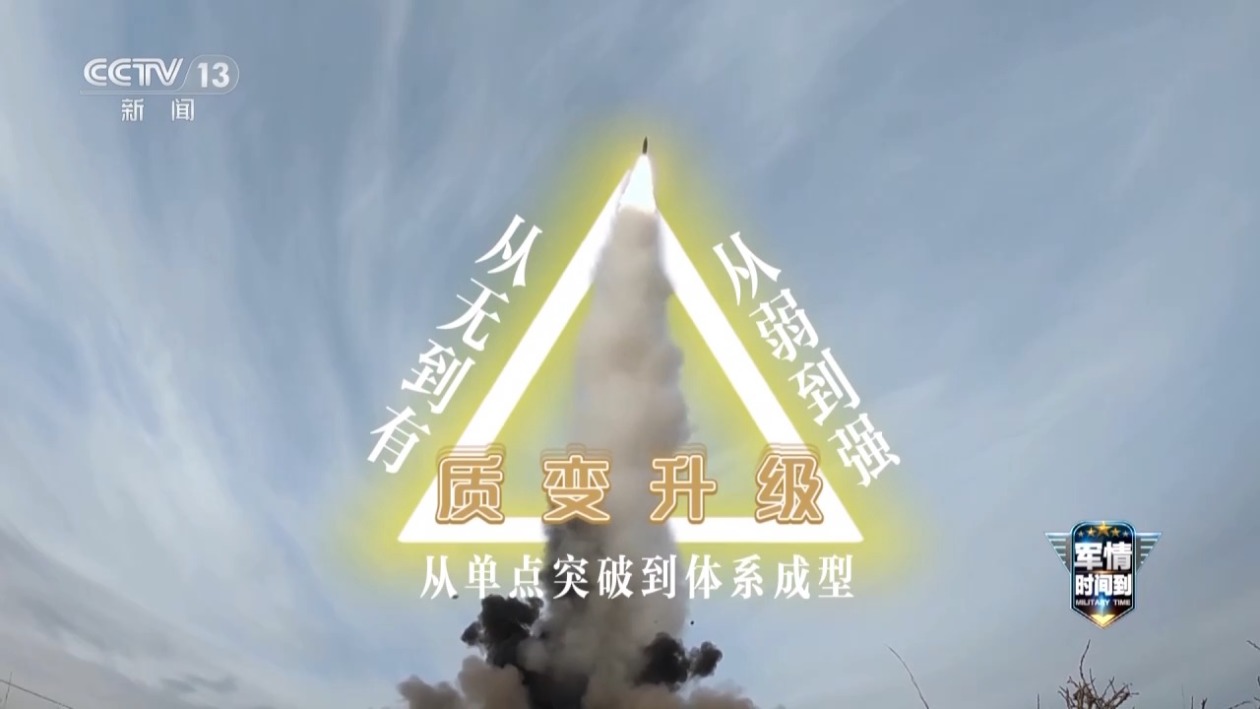
In the 60 years since the establishment of China's strategic missile forces, missile equipment has undergone a qualitative upgrade from non-existence to existence, from weakness to strength, and from single-point breakthroughs to the formation of a system. Today, the "Dongfeng family" has built a combat force system that integrates nuclear and conventional capabilities, with compatible models, range connections, and diverse strike effectiveness.
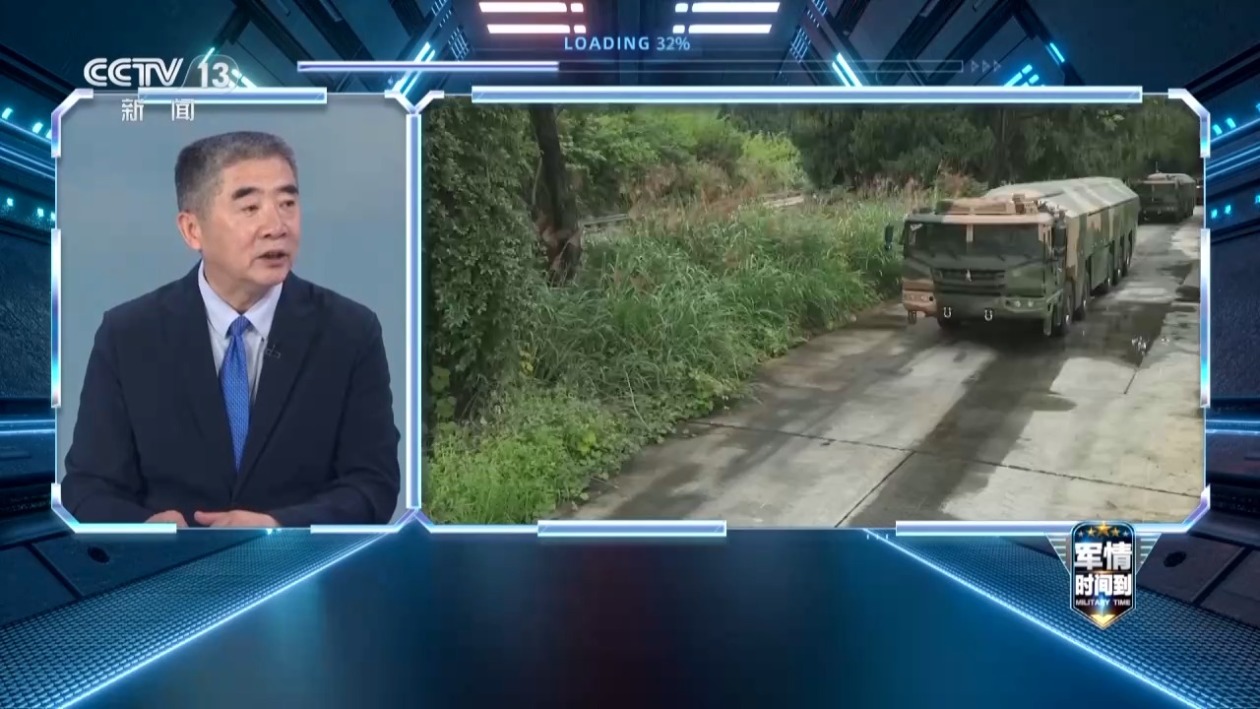
Military commentator Du Wenlong: This is the first time we have seen the launch status of the Dongfeng-17. From the state presented in the short video, the Rocket Force's standards for actual combat are very high.
First, the outdoor conditions, as the launch vehicle maneuvers in complex terrain, indicate that outdoor conditions are the basic mode of warfare, rather than conducting various combat actions in fixed, pre-selected areas.
Second, the situation is complex. Throughout the launch drill, it is not a simple matter of smooth execution; there are various interference factors. If various combat tasks can be completed under complex conditions, with timely launches and effective strikes, it indeed sets an important standard for forming combat capabilities.
Additionally, the presence of multiple missile types indicates that we have different missiles to respond to different combat targets and styles.
What advantages does multiple vehicle simultaneous launch have in actual combat?
Military commentator Du Wenlong: Road launches are just one style presented in the short video, as quickly launching from the road is the focus. As long as the launch vehicle can be deployed, it can complete actions such as vertical launch. If there are other locations available, it is best to choose the nearest one for quicker deployment. Multiple vehicle simultaneous launches are a technical standard; if missiles are launched simultaneously, it will play a crucial role in ensuring position safety and strike effectiveness. Therefore, this scene is not just for show; it is demonstrated for actual combat.
What role do small wings play?
In the short video, besides the Dongfeng-17, there is another missile that is highly similar to the Dongfeng-26 showcased during the 93rd anniversary parade, which may be the latest improved version of the Dongfeng-26 missile, indicating that the Dongfeng-26 is being presented in a large system format. This missile, like the Dongfeng-17, is equipped with small wings; what role do they play?
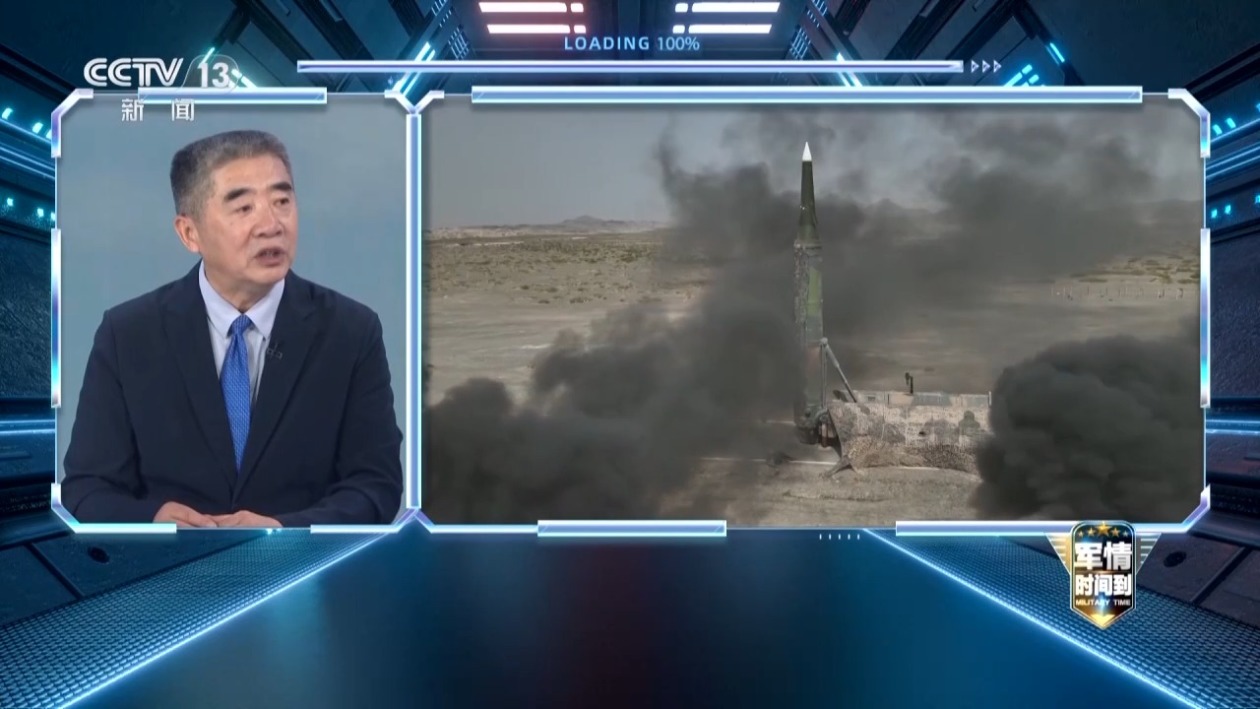
Military commentator Du Wenlong: First, they serve as brakes; if speed is adjusted in a certain direction, their braking effect can be demonstrated. Second, they can steer; the differential effect of these small control surfaces can change the aerodynamic characteristics, allowing the missile to achieve significant lateral and vertical displacement, which is very effective for striking complex, moving, and new targets. Any warhead with wings should be noted for its terminal maneuverability, which has a strong breakthrough effect against various air defense and missile defense systems.
The Rocket Force of the People's Liberation Army is conducting live-fire exercises in the Northwest Gobi Desert, utilizing new missile systems such as the DF-17 and DF-26D. These exercises involve multiple military branches and emphasize high operational standards under complex conditions. The integration of advanced technology enhances the precision and effectiveness of the missile systems deployed.
- New missile systems are being deployed and tested in live-fire exercises.
- The exercises involve multiple military branches, including the Rocket Force, Army, and Air Force.
- The DF-17 missile was launched under complex field conditions, demonstrating operational readiness.