
Mohammed bin Salman in Paris and the First Saudi-French Partnership Council Reshapes Riyadh's Defense Options
 Ahmed Al-Rashid
Mohammed bin Salman in Paris and the First Saudi-French Partnership Council Reshapes Riyadh's Defense Options
The Élysée Palace announced on Friday that French President Emmanuel Macron will receive Saudi Crown Prince and Prime Minister Mohammed bin Salman on Sunday for an official two-day visit, during which the first session of the Saudi-French Strategic Partnership Council will be held. The visit, which comes less than two years after Macron's visit to Riyadh in December 2024, carries more than just diplomatic protocol: it is the first joint institution of its kind between the Kingdom and Paris, at a time when the Middle East is experiencing its most dangerous crisis in decades.
Two-Day Visit and New Partnership Council
The Élysée statement said that the visit "reflects the vitality of dialogue between the Kingdom of Saudi Arabia and France and will provide an opportunity to strengthen the strategic partnership between the two countries," and that the President and the Crown Prince will hold a "first-ever" meeting of the joint council. The two leaders will also attend the closing ceremony of the Electronic Sports World Cup in Paris, in the first edition of the tournament held outside Saudi Arabia since its inception — a symbolic message that is not lost on anyone about the nature of the new relationship.
- Official two-day visit starting Sunday, August 23
- First session of the Saudi-French Strategic Partnership Council
- Attendance at the closing of the Electronic Sports World Cup in Paris
The Defense Dimension Behind the Protocol
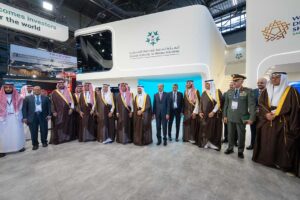
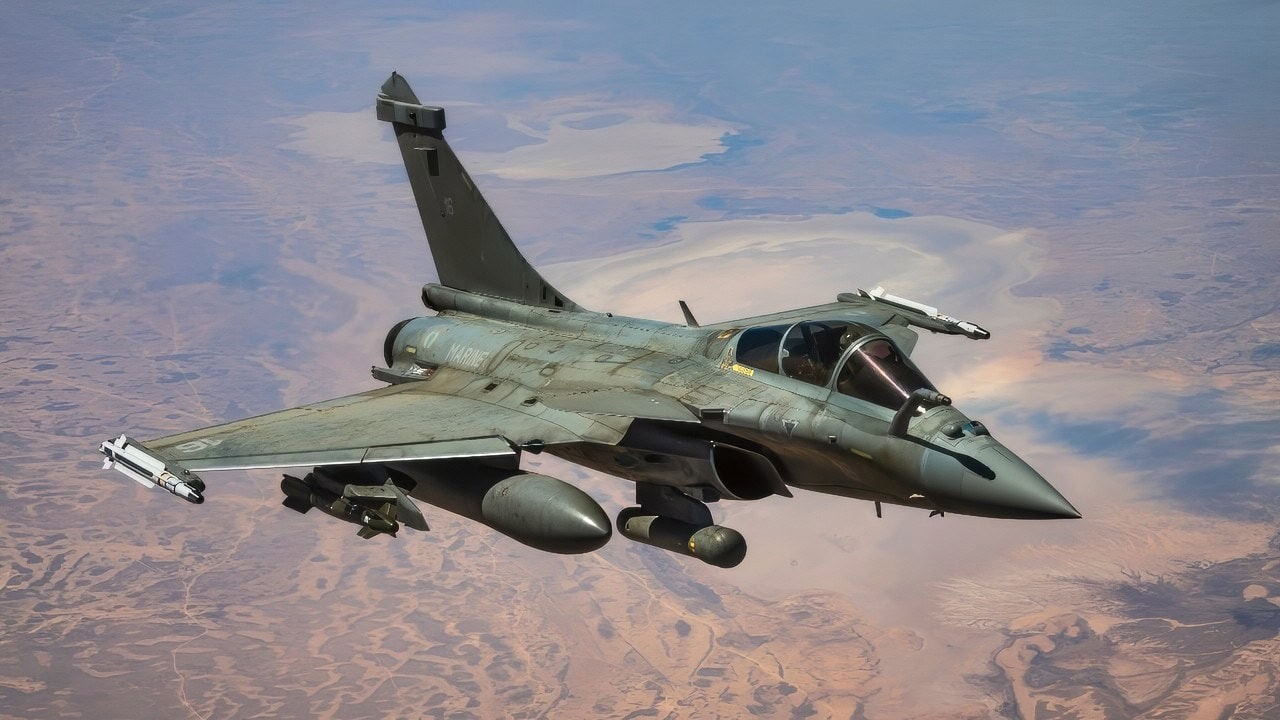
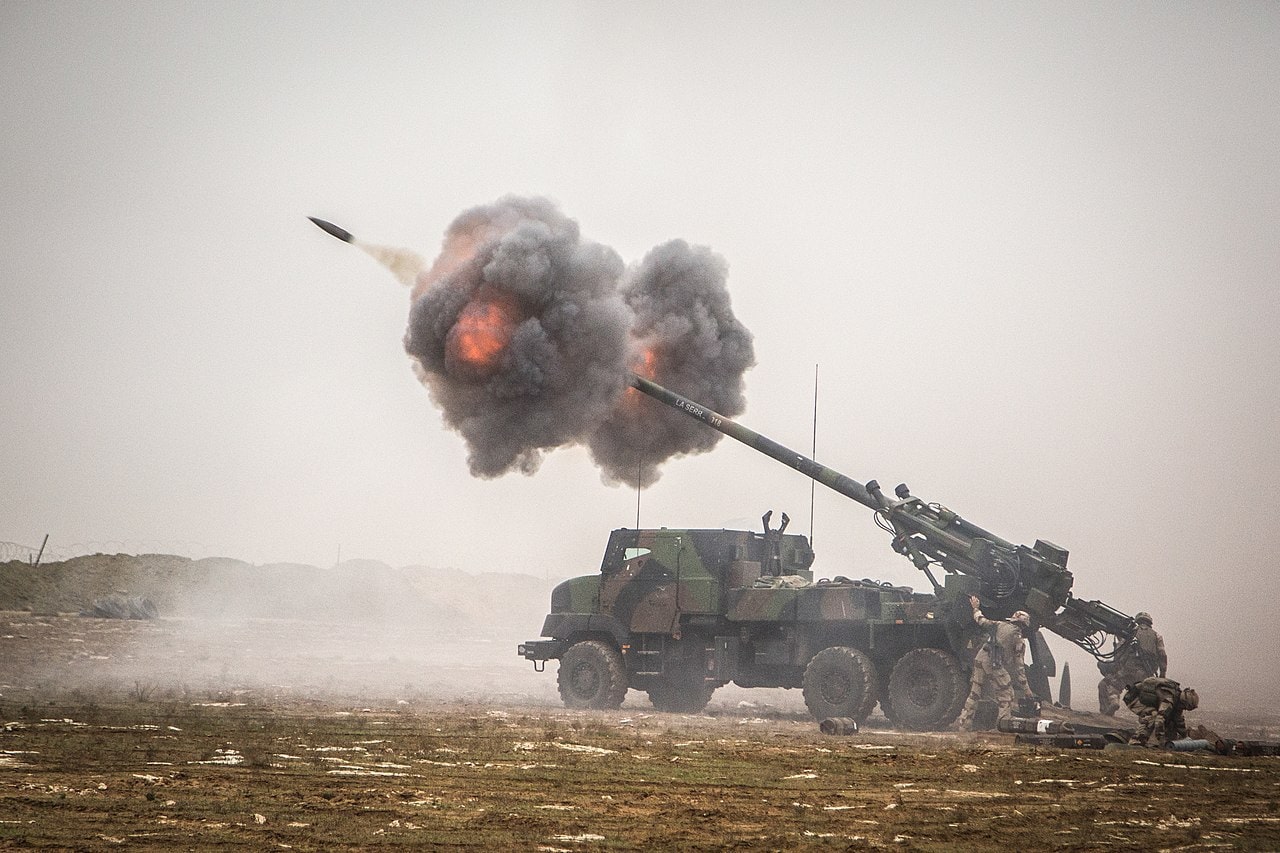
Practically speaking, this file is measured not by presidential data but by contracts. Paris knows well what it wants: Saudi Arabia is one of the largest arms markets in the world, and France wants a share of the Saudi modernization bill, most of which has gone to Washington and London. The Saudi pavilion was present at the Eurosatory 2026 exhibition in Paris last June, and the French CAESAR 155mm howitzers have entered service in the Saudi army, while the larger French ambition remains the Rafale fighter jet, which Paris has yet to convince Riyadh to purchase despite decades of attempts.
France offers what Washington cannot: a deal without strict political constraints, a more generous technology transfer, and a production line not subject to congressional decisions. However, it does not provide a security guarantee in return.
Why Paris Now — A Look at the Timing
The timing is the essence of the story. The American-Israeli war on Iran has entered its seventh month, and only seven cargo ships passed through the Strait of Hormuz on Thursday according to Kepler data, compared to over a hundred ships before February. Washington is raising the stakes of the "economic war" — Treasury Secretary Scott Pisent promised on Thursday the toughest sanctions in history against Tehran and threatened to strike any country that provides Iran with any lifeline, including China, which buys over 80 percent of the exported Iranian oil.
In this context, Riyadh reads the scene as any professional military would: the American umbrella is conditional, and its reliability is in question after six months of a war that has revealed its limits. Therefore, the policies multiply: the Mecca Agreement for joint defense with Turkey and Pakistan on August 7, the multinational Gulf maritime alliance, and now the French council. This is not a pivot away from Washington, but a multi-faceted security policy that the Kingdom is announcing loudly.
Diversifying Dependence Does Not Mean Building Capability
Here lies the difference that distinguishes my reading from the prevailing Western narrative. The West sees this visit as France's return to the Gulf game. However, from within the region, I see something else: Riyadh is gathering suppliers, not building capability. Any military who has served in the region knows the difference between owning the platform and owning the system: equipment is bought with money, but training, institutions, and maintenance are built over years. Saudi Arabia is still paying a heavy price to purchase weapons from all sides, while the question of "who trains, who maintains, who decides" remains unanswered institutionally.
France, for its part, needs these deals to keep its defense industry alive — exports account for nearly half of French industry revenues — and Riyadh grants it renewed international legitimacy. But will the new council turn into a real training and localization program, or will it remain a framework for contracts? The answer will delineate the difference between a genuine partnership and another deal announced in a closing statement.
Conclusion — A New Insurance Policy Is Not Strategic Independence
Mohammed bin Salman's visit to Paris is a smart step in the game of balances, and a reminder to Washington that the Gulf is no longer a captive market. However, it does not resolve the structural contradiction that has plagued Saudi strategy for decades: diversifying dependence distributes risks but does not eliminate dependence itself. Paris cannot replace Washington as the ultimate guarantor, nor can Ankara and Islamabad, and the new French council — no matter how extensive its contracts — will not close this equation as long as true national capability is absent. The question that will remain hanging after the Saudi delegation leaves Paris: Is Riyadh buying new weapons, or is it finally starting to build an army that can use what it has?
Crown Prince Mohammed bin Salman visited Paris on August 23, 2024, for a two-day official visit and the inaugural session of the Saudi-French Strategic Partnership Council. This visit aims to strengthen defense ties, with France seeking to increase its share in Saudi Arabia's arms market, particularly in light of ongoing geopolitical tensions in the region.
- Crown Prince Mohammed bin Salman is visiting Paris for a two-day official visit.
- The visit includes the first session of the Saudi-French Strategic Partnership Council.
- Saudi Arabia is one of the largest arms markets in the world, and France seeks a share of this market.
- The CAESAR 155mm howitzer has been integrated into the Saudi military.
- The Rafale fighter jet has not yet been successfully sold to Saudi Arabia despite ongoing efforts.