
Multiple Aircraft Models Collaborate in Action! Army Aviation Conducts Intensive Realistic Flight Training
In recent days, a certain brigade of the 73rd Group Army has organized mixed formation flight training with multiple aircraft types and subjects, rigorously honing the combat capabilities of pilots and continuously enhancing the unit's ability to perform diversified military tasks.
With the order issued, more than a dozen armed and transport helicopters formed a mixed formation and took off sequentially, heading towards the target airspace. Subsequently, each crew carried out training on simulated emergency response, low-altitude formation flying, and over-water flying according to plan.
During the helicopter formation's maneuvering, the control group randomly issued a "simulated enemy radar search" emergency situation. The pilots quickly maneuvered the helicopters to lower their flight altitude, completing multiple tactical maneuvers in succession to evade detection and reach the designated airspace.
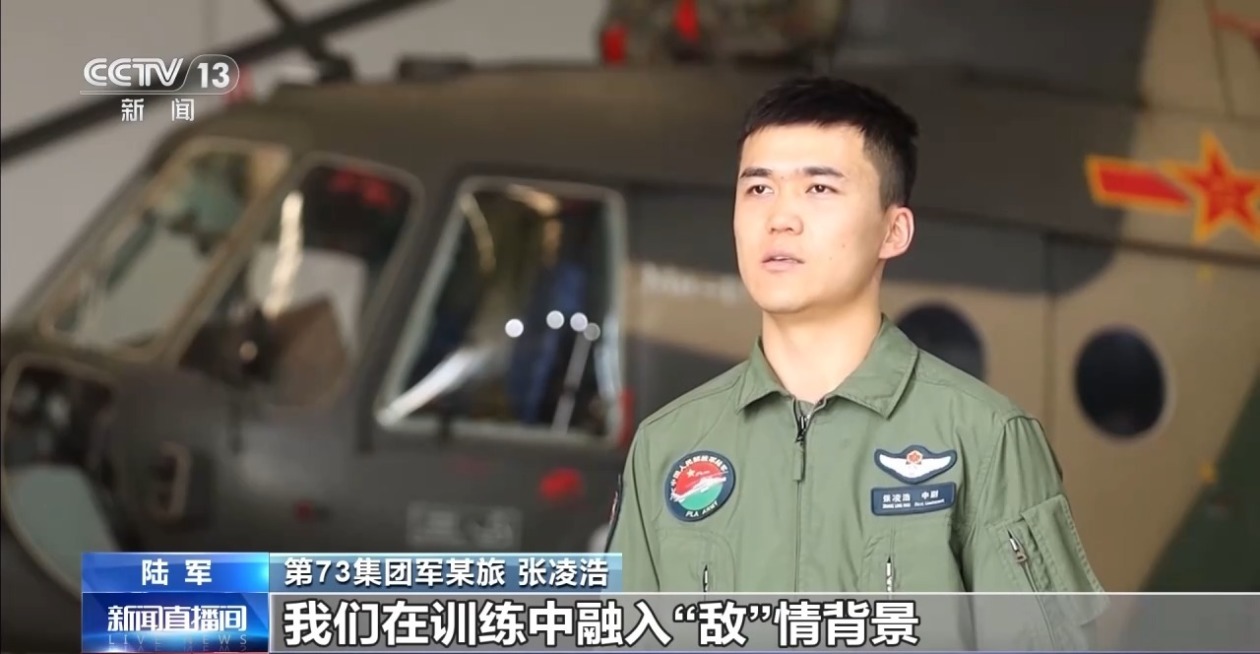
Brigade member Zhang Linghao of the 73rd Group Army: We incorporate an "enemy" scenario into our training. On one hand, this allows pilots to quickly master the application of tactical methods and shorten the cycle for developing tactics. On the other hand, by increasing the difficulty of training, we can identify and address our weaknesses, forming a closed loop of "difficult training, exposing problems, and rectifying to improve," thereby enhancing the quality and effectiveness of training.
On a certain island dozens of kilometers away, a takeoff and landing training session is underway. The helicopter flew low over the sea and approached the island, with the pilot autonomously establishing the landing route, searching for the landing position, and lowering the flight altitude, slowly landing on a small clearing.
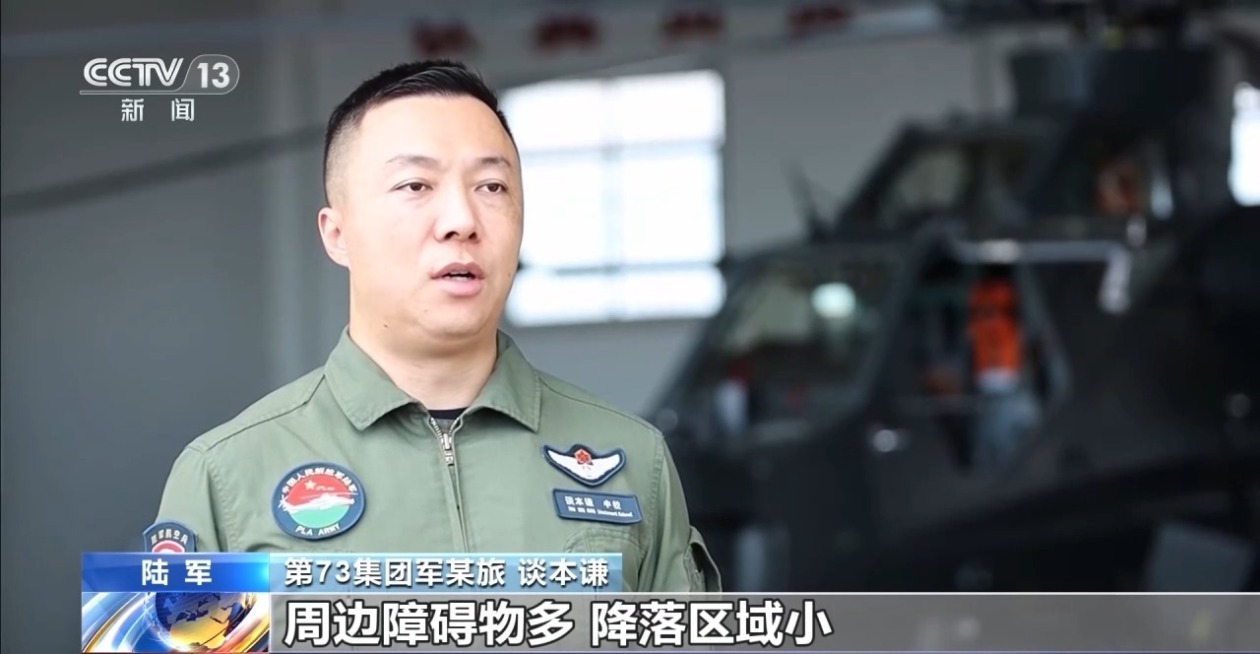
Brigade member Tan Benqian of the 73rd Group Army: The special takeoff and landing conditions on the island involve many obstacles, a small landing area, unstable air currents, and loose soil, with numerous uncontrollable factors. Additionally, there is no tower control or ground guidance, so we can only rely on instrument data and flying experience to complete the takeoff and landing.
As the last helicopter landed smoothly, the day's flight training concluded successfully.
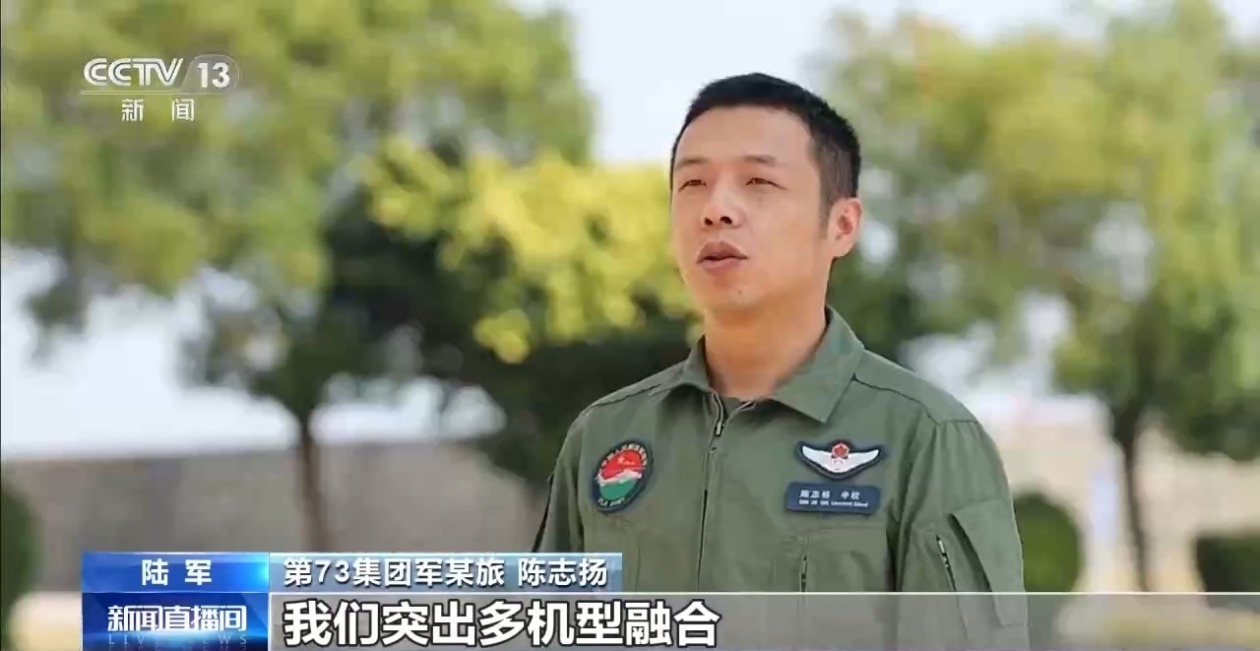
Brigade member Chen Zhiyang of the 73rd Group Army: We emphasize the integration of multiple aircraft types, the realistic combat environment, and command coordination. Next, we will also conduct joint exercises and training with neighboring military branches, including land-air confrontations and airborne assaults, continuously honing the unit's system combat capabilities.
The 73rd Group Army conducted mixed-type flight training exercises involving more than ten armed and transport helicopters over recent days. Pilots engaged in tactical maneuvers and emergency response scenarios, including landing on a small island under challenging conditions. The training aimed to enhance operational capabilities and coordination among units, with plans for future joint exercises with allied forces.
- The 73rd Group Army conducted mixed-type flight training exercises with armed and transport helicopters.
- Pilots practiced tactical maneuvers and emergency response scenarios during the training.
- Training included landing on a small island with challenging conditions.
- The exercises aimed to improve operational capabilities and coordination among units.