
New Changes in Military Reform! Sergeant Captains Take Command Seats

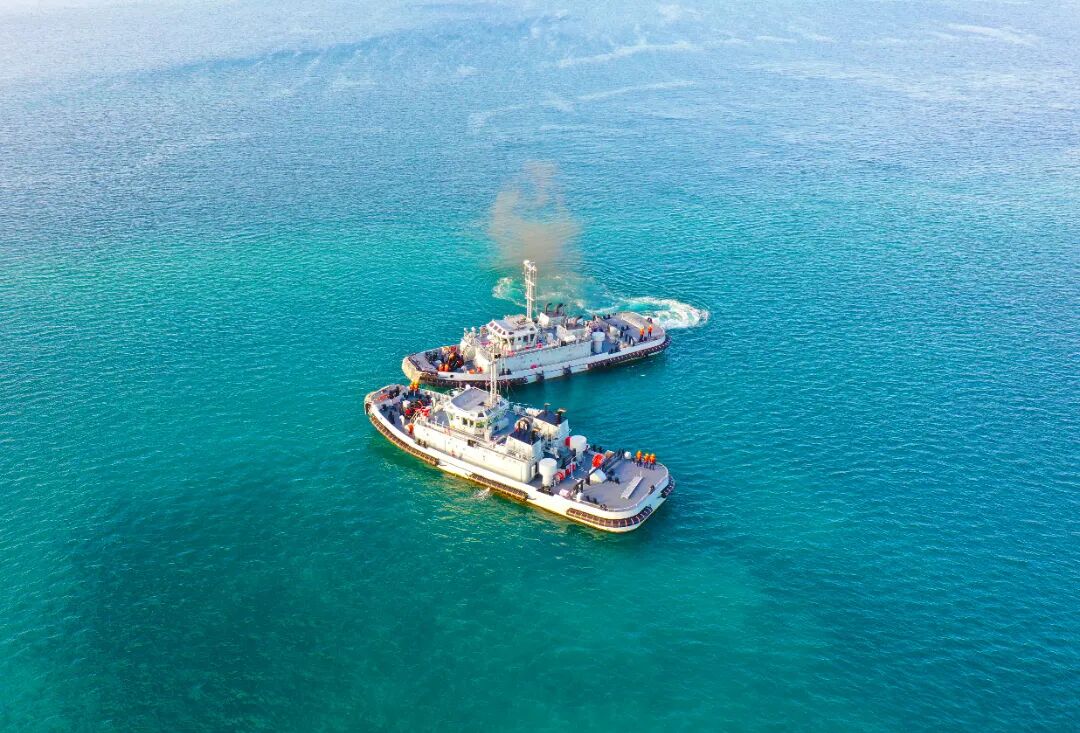
“Prepare the tow cable,” “slow push”...
Recently, on the command seat of a tugboat from a logistics support fleet of the Southern Theater Command Navy,
Sergeant First Class Li Peng continuously issued multiple commands.
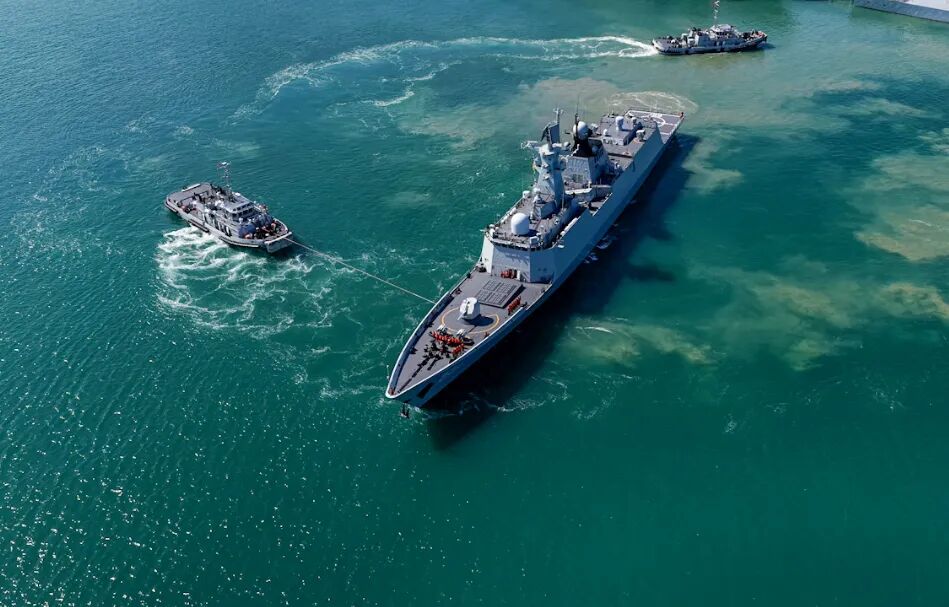
The 10,000-ton vessel being supported slowly moved,
and finally docked steadily at the military port.
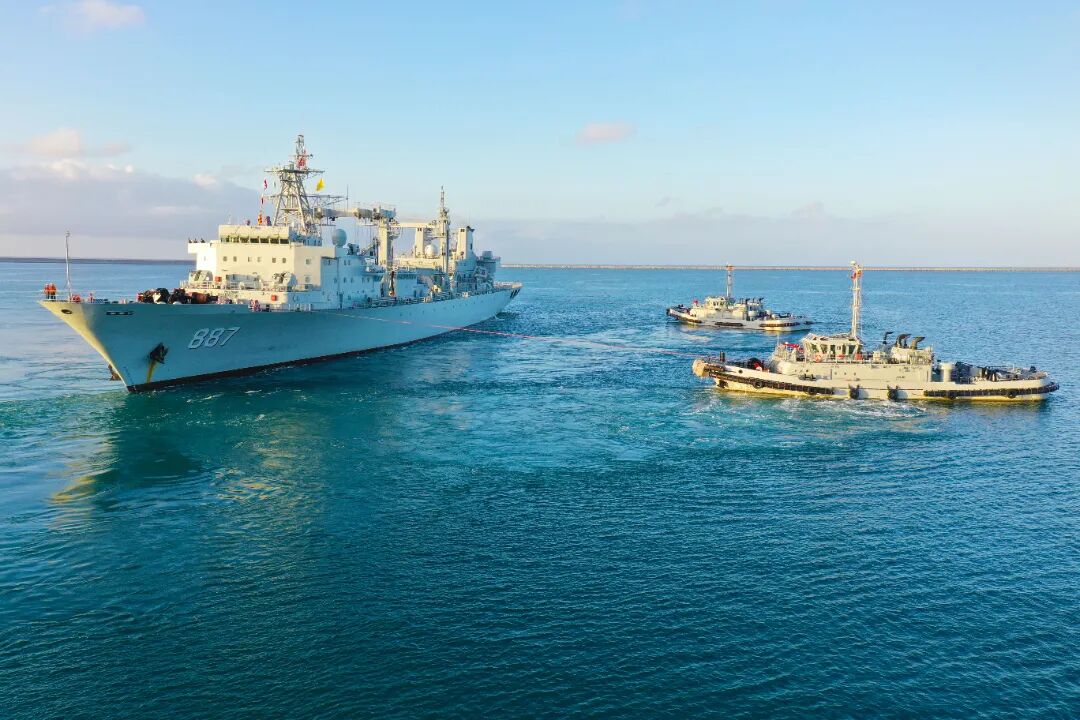
Over the years, the sergeant captains have commanded tugboats to send destroyers,
landing ships, amphibious assault ships, and other warships
out to the ocean and back to the military port,
supporting the People's Navy in its journey to the deep blue in their unique way.
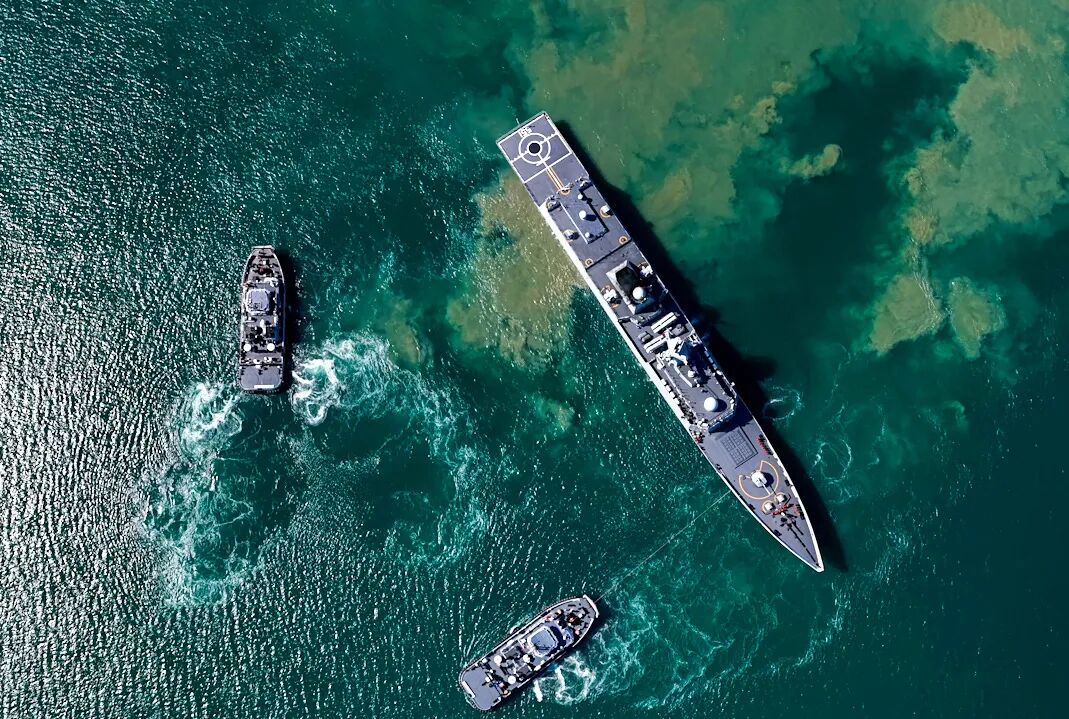
As new types of vessels are launched one after another,
“temporary notice, immediate deployment” has become the norm.
The task volume for tugboats has surged,
and to ensure continuous operations,
this fleet, as one of the first pilot units of the theater navy,
is exploring the assignment of some tugboat commanders to sergeants.
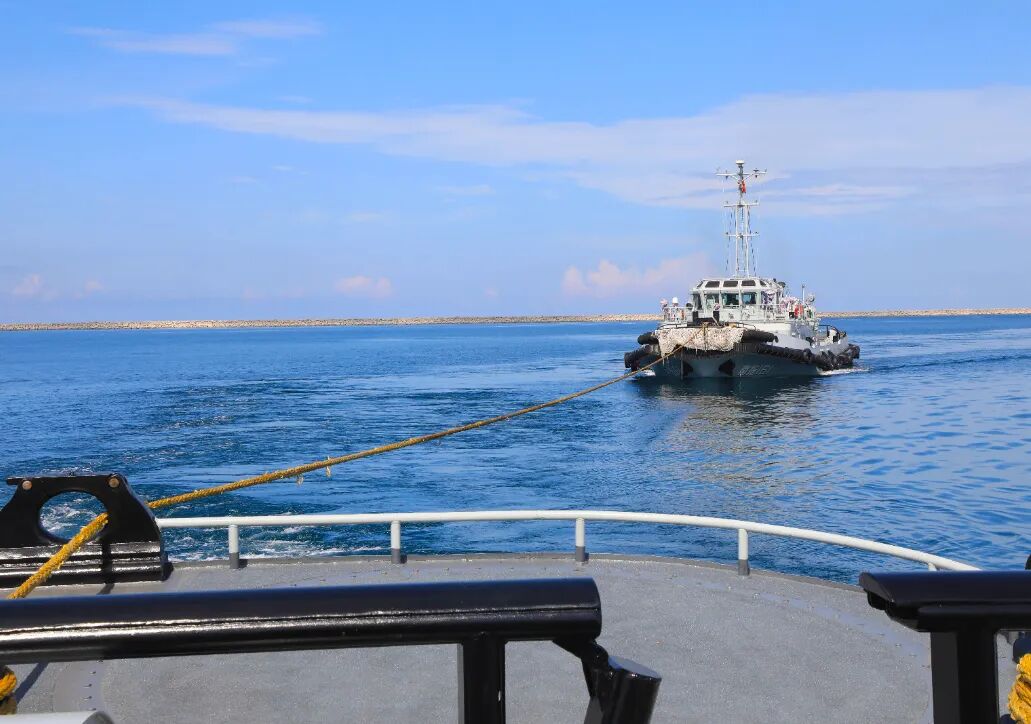
“In the early stages of the pilot program, we mainly selected captains from the navigation
and communication specialists who have long worked in the command room,”
it is well known that
captains must not only master the operation of vessels
and basic navigation knowledge comprehensively,
but also understand command and coordination.
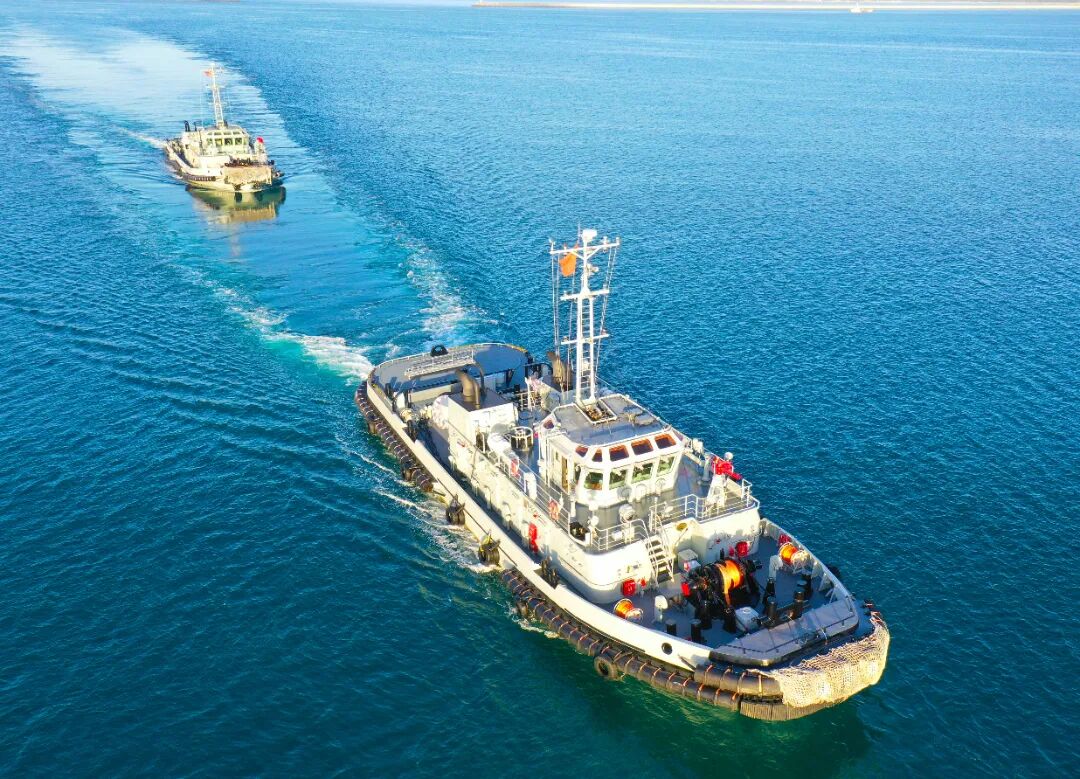
Sergeant captains must be proficient in navigation, communication, and other specialties,
and also be familiar with the entire ship's operational processes,
possessing the basic qualities of a commander.
“Watching my comrades from the navigation specialty take the command seat,
while feeling envious, I always thought,
when will the riggers also be able to become captains?”
Li Peng recalled.
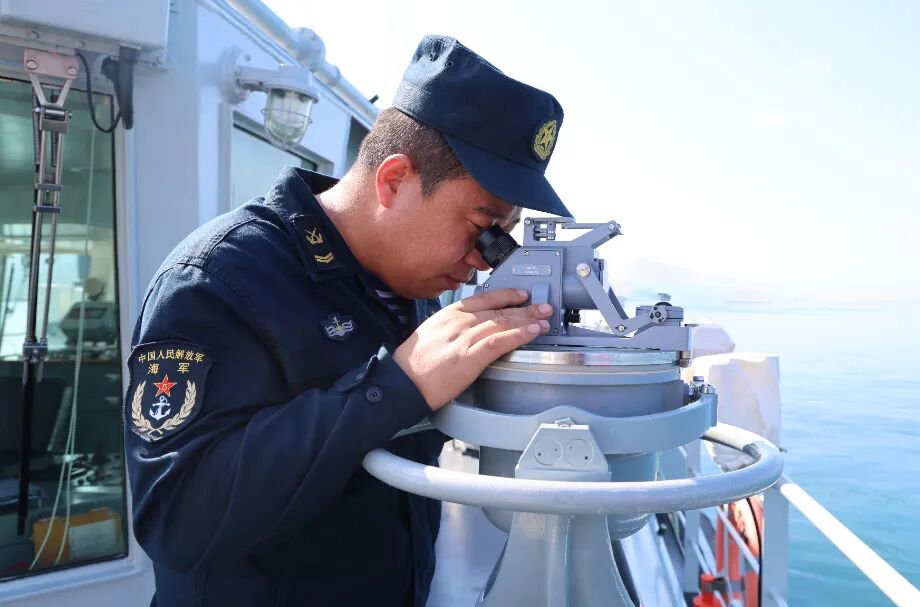
To inspire more sergeant backbones to grow and develop,
the higher-ups expanded the selection range for sergeant captains
from navigation specialties to all ship specialties,
and optimized the selection criteria for “soldier captains,”
shifting from merely pursuing “quick adaptability” to assessing “development potential,”
with a focus on volunteer motivation and comprehensive military literacy.
Applicants who pass the preliminary examination
with top scores can participate in subsequent selections.
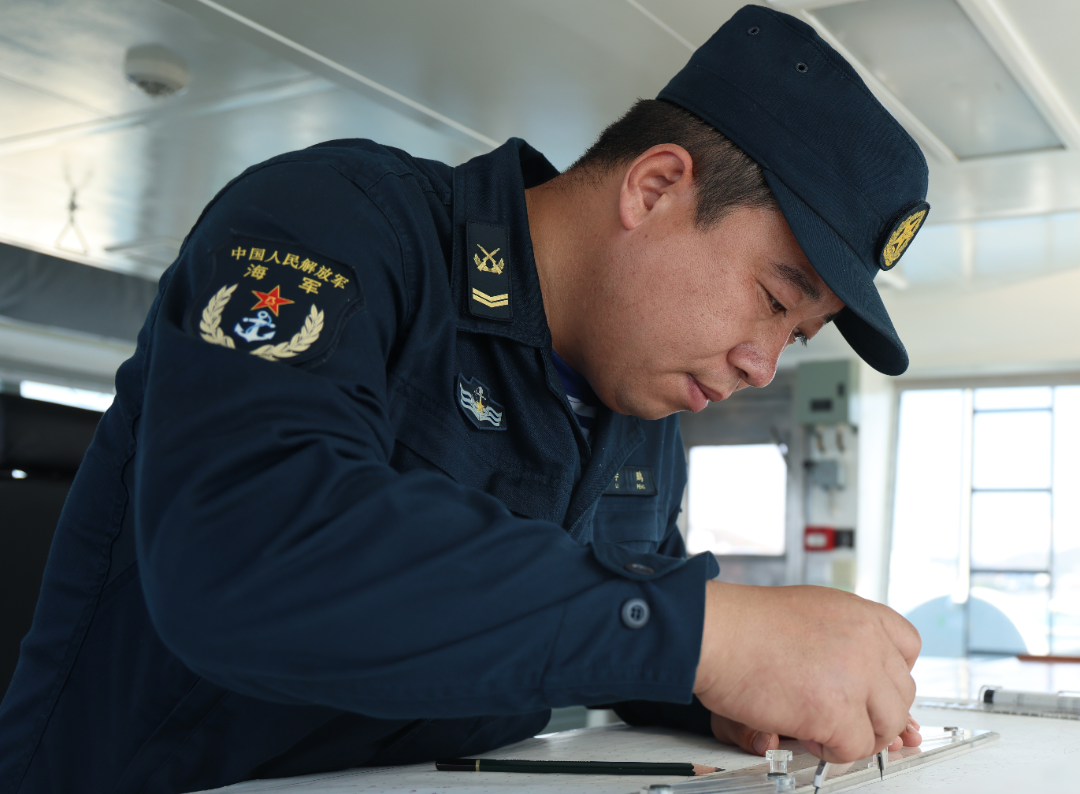
As soon as the news came out, Li Peng was the first to sign up
and successfully passed the preliminary examination.
Along with him,
there were also more than a dozen sergeants from non-navigation specialties like electromechanics.
From being a technical backbone in a single specialty
to becoming a captain proficient in various specialties,
the premise of this identity transformation is capability matching.
Li Peng admitted that
chart operations, navigation calculations, wind pressure differential corrections, and other
basic skills of a captain are his weaknesses,
which is also a common challenge faced by non-navigation specialty sergeants.
To address this,
they implemented a “school training + on-the-job tempering” model,
selecting non-navigation specialty sergeants to attend concentrated training at schools,
focusing on key courses such as navigation theory, vessel maneuvering,
and chart operations.
At the same time, experienced senior captains were appointed as mentors,
providing “one-on-one” guidance to fill capability gaps.
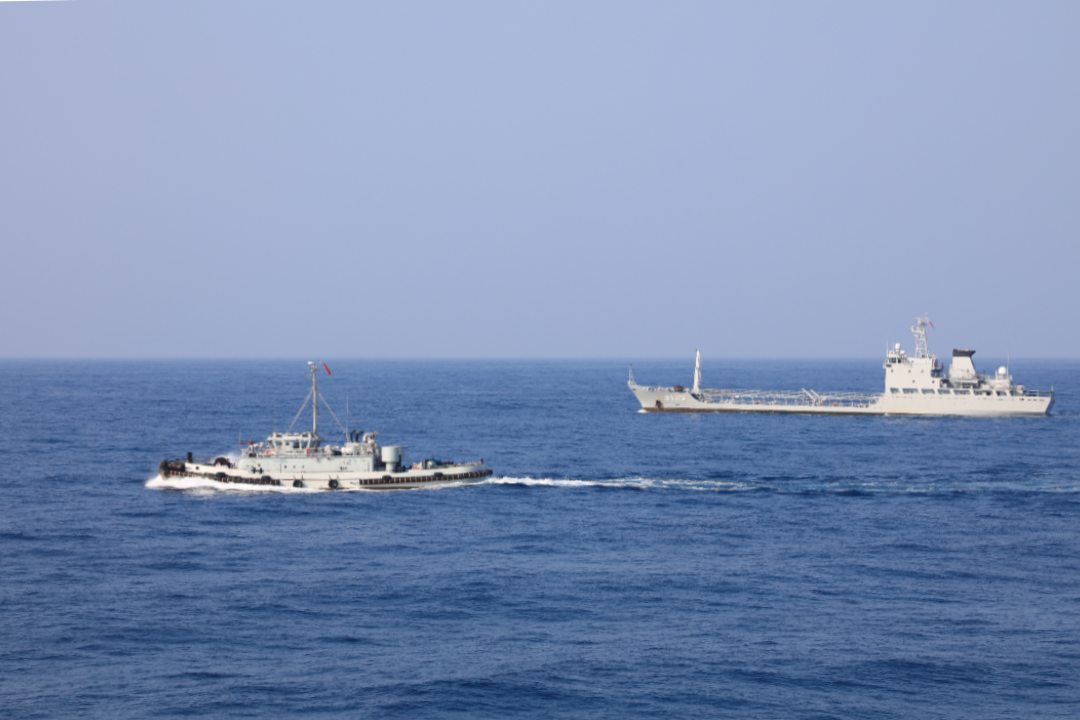
Sergeant Major Wang Baobiao
is one of the first senior sergeant captains in the theater navy.
As Li Peng's mentor,
his teaching method is unique.
“As long as there are no operational emergencies, I will not intervene,”
Wang Baobiao allows candidate sergeant captains to
think independently and make decisions in complex situations,
encouraging them to experience being “ants on a hot pan” multiple times
to comprehensively hone their emergency command abilities.
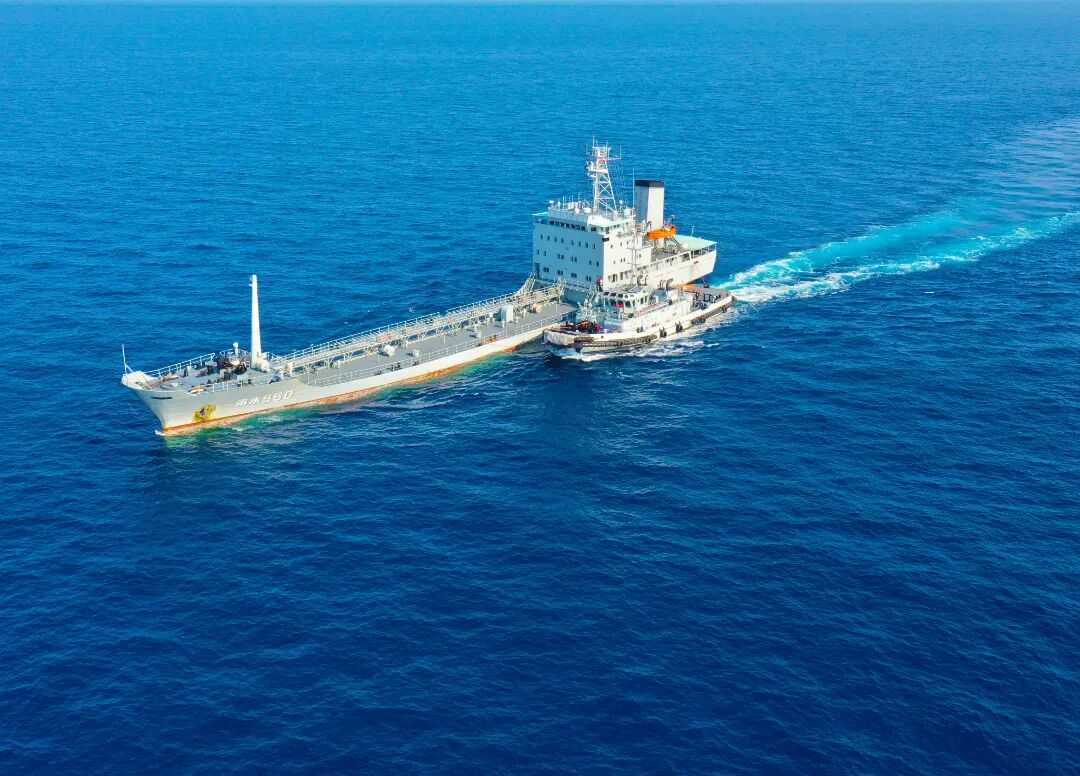
During a nighttime towing training,
the sea conditions were quite complex, with significant changes in airflow pressure differentials.
Li Peng, who was independently commanding the tugboat operation,
was sweating due to insufficient experience,
and excessive tension caused him to hesitate in making decisions.
Wang Baobiao stood by silently,
only gently reminding him when the supported vessel was about to deviate from its course.
Through repeated experiences of “critical situations,”
Li Peng ultimately passed the assessment smoothly
and obtained the qualification certificate for independent command,
growing from a rigger to a candidate sergeant captain.
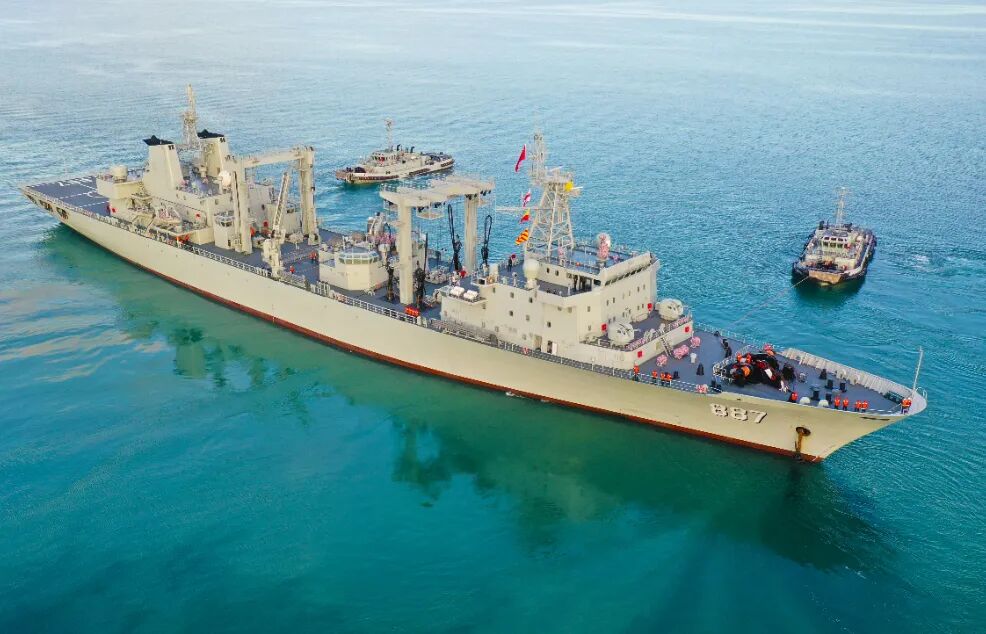
To enhance the job competency of candidate sergeant captains,
the fleet established a capability enhancement mechanism
that spans training, assessment, and appointment,
following the approach of
“solidifying the foundation, balancing specialties, and comprehensively expanding.”
They carefully designed modular teaching content for deployment command,
training organization, and implementation,
to help them continuously strengthen their job competency foundation.
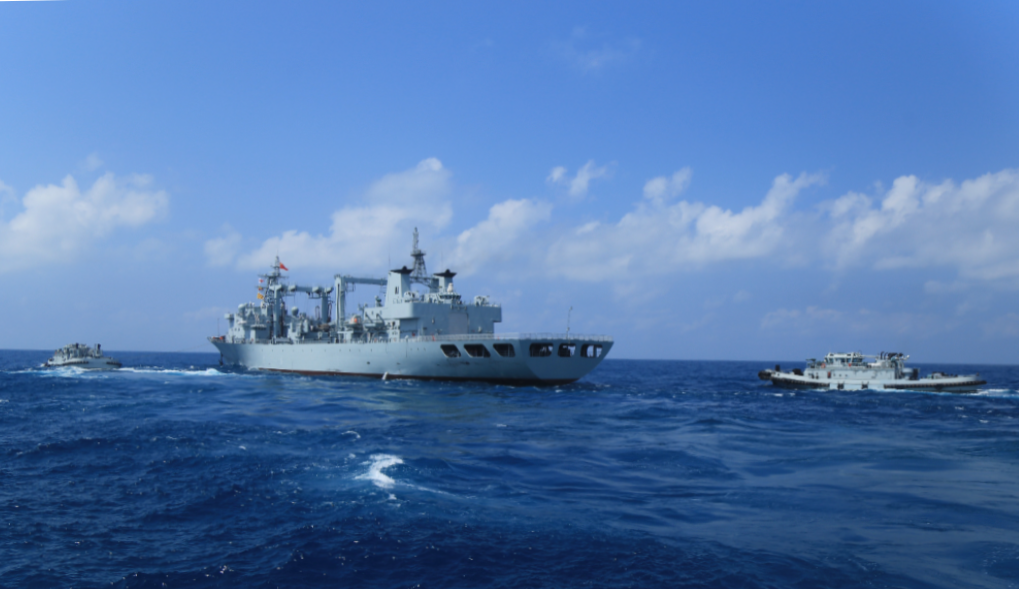
“Sergeant captains commanding vessels through wind and waves
is a new change brought about by the reform and strengthening of the military.”
Currently, all tugboat captains in the fleet are sergeants,
with over 40% of them coming from non-navigation specialties.
Under the leadership of “soldier captains,”
they have successfully completed tasks such as towing assistance, mine-sweeping vigilance,
and emergency rescue.
One tugboat was recognized as an advanced unit in equipment management,
and two tugboats were honored as advanced units in the “Four Iron” initiative.
Authors: Ge Hanqiang, Wu Huanqing
Military personnel in the Southern Theater Command Navy are being trained to command tugboats, enhancing operational capabilities. Recent reforms have led to the selection of non-navigation specialists as tugboat commanders, with over 40% of current commanders coming from these backgrounds. The unit has successfully completed various naval support tasks, reflecting the effectiveness of this initiative.
- Military personnel are being selected to command tugboats in the Southern Theater Command Navy.
- Training programs are being implemented for non-navigation specialists to become qualified tugboat commanders.
- Over 40% of tugboat commanders are from non-navigation backgrounds.
- The tugboat unit has successfully completed various naval support tasks.
- The initiative is part of broader military reforms to enhance naval capabilities.