
New Recruits → Qualified Combatants: A Detailed Reveal of Training and Competition Practices
After the new recruits joined their units, the new soldiers welcomed their first readiness mobilization and their first competition. How did they embrace the challenge and hone themselves into qualified combatants? Let's hear what the new soldiers from a certain unit in the Xinjiang Military District, located in the western frontier of our motherland, have to say.
Position Training and Competitions
Honing Combat Will
My name is Xiao Bicheng, I am 20 years old, from Hunan. Three months of new training have made my blood surge, and I can’t wait. I was assigned to the western frontier of our motherland as scheduled. Everything here is completely different from my hometown—dust storms occur year-round, making it a truly harsh and remote area, where the battle horn may sound at any moment.
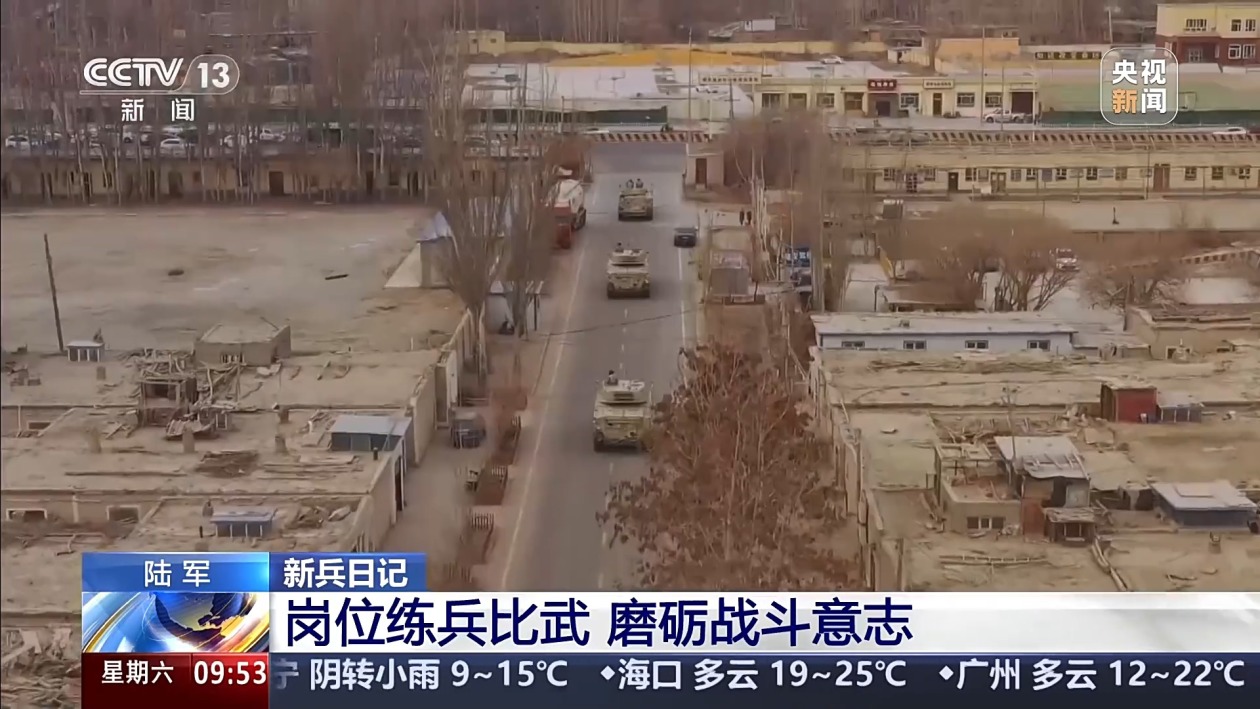
After joining the unit, I must look like a combatant. A sharp whistle pierced the winter silence, and everyone quickly donned their gear, received their tasks, and boarded the vehicles. The entire camp transitioned from stillness to movement in just a few minutes, with only the sounds of breathing, footsteps, and the roar of vehicles. This mobilization made me truly realize that soldiers must focus on combat and exert themselves for it. As a combatant, I must turn being always ready into a physical instinct, ensuring that I can be deployed at any time, get on the battlefield, and win the fight.
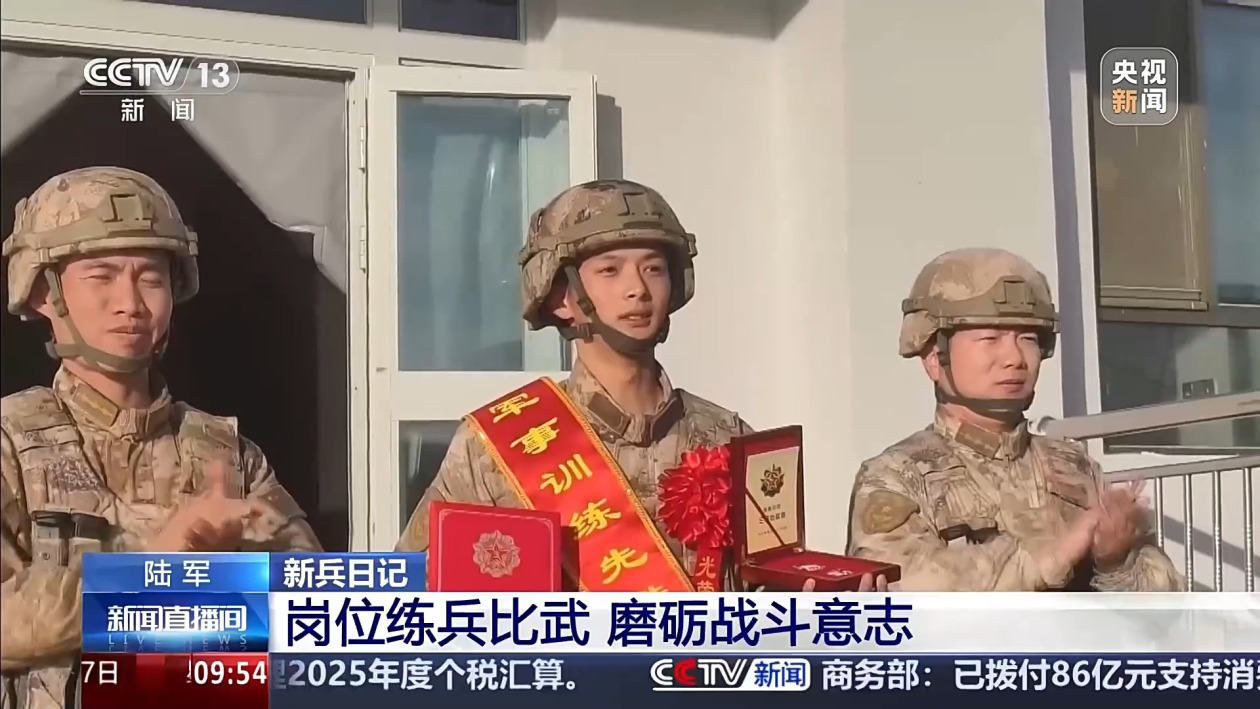
With the new year’s training, position training and competitions immediately commenced. I represented my company in the armed 5-kilometer cross-country event. As a private, facing experienced squad leaders, I knew that this was not just a test of physical strength, but also a contest of willpower. Sweat soaked my camouflage, and my breath felt like a knife scraping my throat, but hearing my comrades shouting my name from the roadside, I gritted my teeth and accelerated, crossing the finish line. In this competition, I earned my first third-class merit in my military career. That medal is light when it rests on my chest, yet it feels heavy. It is not just an honor, but also a significant responsibility behind that honor.
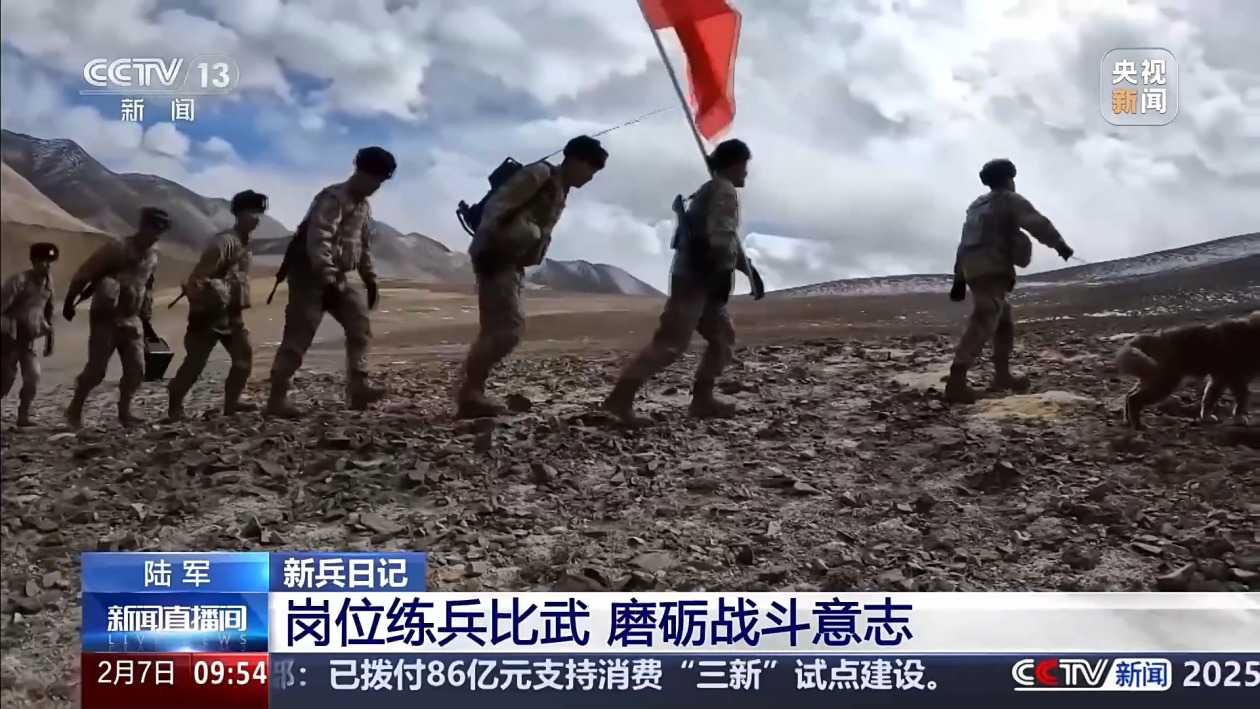
Now, I carry this responsibility into my training every day. Although the wind and sand are strong and the weather is still cold, I understand that the land beneath my feet is what we must protect. I will grip my gun tightly and, together with my comrades, roll and crawl, writing the vow of my unregretful youth on the border of our motherland in the west.
Expert Interpretation: Joining a Unit is a Key Stage in Becoming
A Qualified Soldier
After new recruits join their units, as professional training and other practical subjects gradually unfold, the intensity of training also continues to increase. What changes will they mainly face in their training?
Military Commentator Li Ge Rui: The training after new recruits join their units mainly has three aspects of change: First, the training intensity is higher. For example, the previous physical training was a 3-kilometer run without equipment, but after joining the unit, it may be a 5-kilometer armed cross-country or a 10-kilometer armed dash. Second, the training content is more specialized. Previously, the focus was on basic common subjects like formations and light weapons shooting, but after joining the unit, it directly shifts to specialized skill training and tactical coordination training. For instance, infantry needs to upgrade from individual actions to real troop confrontations and squad tactical coordination. Signal soldiers need to memorize codes, radar operators must practice electromagnetic countermeasures, vehicle operators need to drive under complex road conditions, and drone teams need to conduct modular training. Third, the degree of practical training is higher. It is no longer a fixed training mode that is playground-like or procedural, but rather it shifts to field training grounds, simulating training in complex battlefield environments. If the new recruit camp is about laying the foundation, then joining the unit is about honing the "killer weapon." It can be said that from conscription, new recruit training to joining the unit, each soldier undergoes a transformation from a "rough gem" to "tempered steel" and then to the "sharp blade of the nation." What soldiers gain is not just a skill, but an unbreakable, unyielding steel backbone. It is precisely these countless soldiers who can build the steel Great Wall of the great rejuvenation of the Chinese nation.
New soldiers in the Xinjiang Military District are undergoing rigorous training and participating in competitions to enhance their combat readiness. They face increased training intensity and specialized skill development, preparing them for potential real combat scenarios. This training marks a critical phase in their transition from recruits to qualified combatants.
- New soldiers participated in their first training and competition after joining the unit.
- Training intensity has increased, with a focus on specialized skills and tactical coordination.
- The soldiers are being prepared for real combat situations in a challenging environment.