
One Taiwan Strait Transit in Seven Months Sends Beijing the Wrong Signal
 Marcus Chen
One Taiwan Strait Transit in Seven Months Sends Beijing the Wrong Signal
The U.S. Navy has conducted exactly one publicly declared Taiwan Strait transit in 2026. Not one a month. One, total — USS John Finn (DDG-113) and the oceanographic survey ship USNS Mary Sears (T-AGS-65), Jan. 16-17, sailing the corridor beyond any coastal state's territorial sea while the PLA Eastern Theater Command shadowed them and launched 25 sorties, six of which crossed the median line. That was 212 days ago.
For most of the past decade, the Strait transit was the one American naval signal in the Western Pacific that ran on a predictable clock. The Biden administration pushed the cadence toward roughly one a month by 2023-2024. A Heritage Foundation study reported by Breaking Defense on Aug. 14 now projects the current pace at 50 percent below the first Trump term and 56 percent below the Biden years. One transit in seven months is not a tempo change. It is a different policy.
The Cadence Was the Signal
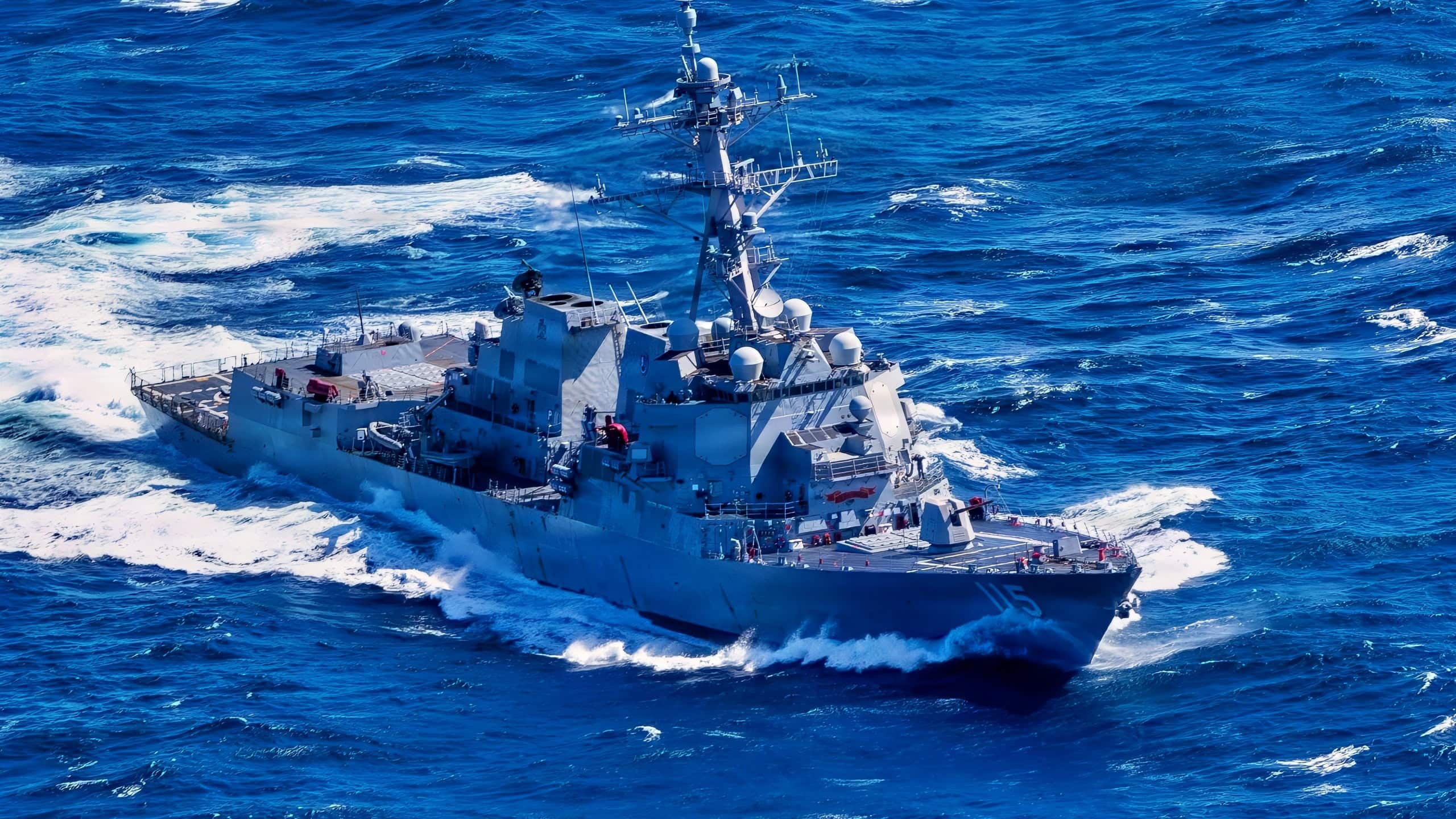
Anyone who has served on a destroyer knows the transit itself is the least important part of the evolution. The ship is not there to fight; it is there to be seen. A Burke passing through the Strait is a statement that the United States still treats the waterway as international water, still shows up, and still prices the median line as a line the PLA does not own. That statement only works if it is repeated often enough to be a baseline rather than an event.
- 2022: transit count fell to a four-year low even as PLA pressure around Taiwan rose
- 2023-2024: the roughly monthly rhythm Beijing's planners calibrated against
- 2025: cadence began slipping early in the second Trump term
- 2026: one transit in 212 days, and nothing since January
Beijing did not miss the change. The PLAN's entire theater apparatus exists to know where every U.S. surface combatant is at all times; it does not need a 7th Fleet press release to count transits.
The Silent Transit Excuse Doesn't Survive Contact
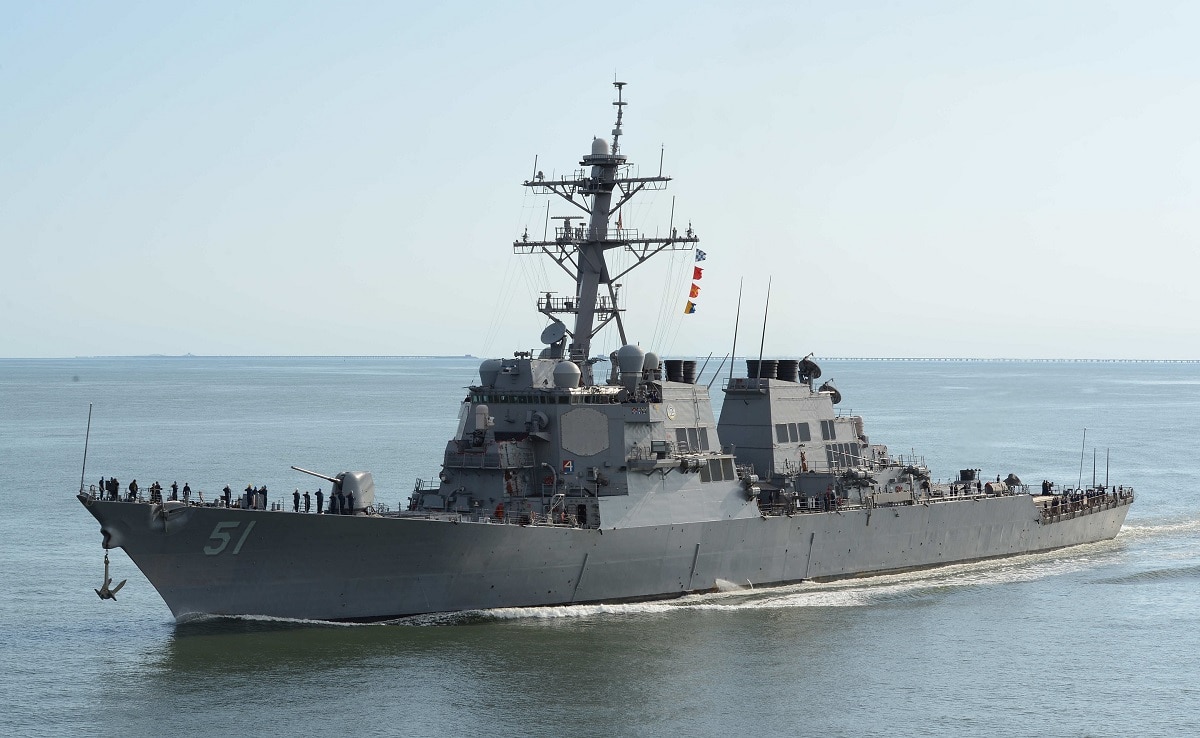
The standard defense of a declining transit rate is the “silent transit”: the Navy is still sailing the Strait, it just stopped announcing it. That argument collapses on contact. A destroyer is never unobserved between Taiwan and the Fujian coast — the Eastern Theater Command tracks every surface contact in the Strait around the clock, announced or not. The announcement is the signal. The transit is merely the excuse to make it. A transit you do not claim is a transit Beijing can frame however it likes, which defeats the entire purpose of the evolution.
There is a second cost. U.S. allies and partners read the same tracker that Beijing reads. Taiwan's Ministry of National Defense logs every transit. Japan's Self-Defense Forces watch the same water. George Mason's Taiwan Security Monitor keeps a public, continuously updated list. A cadence collapse is visible to everyone, including the capitals that are supposed to be reassured by American presence.
What Beijing Reads
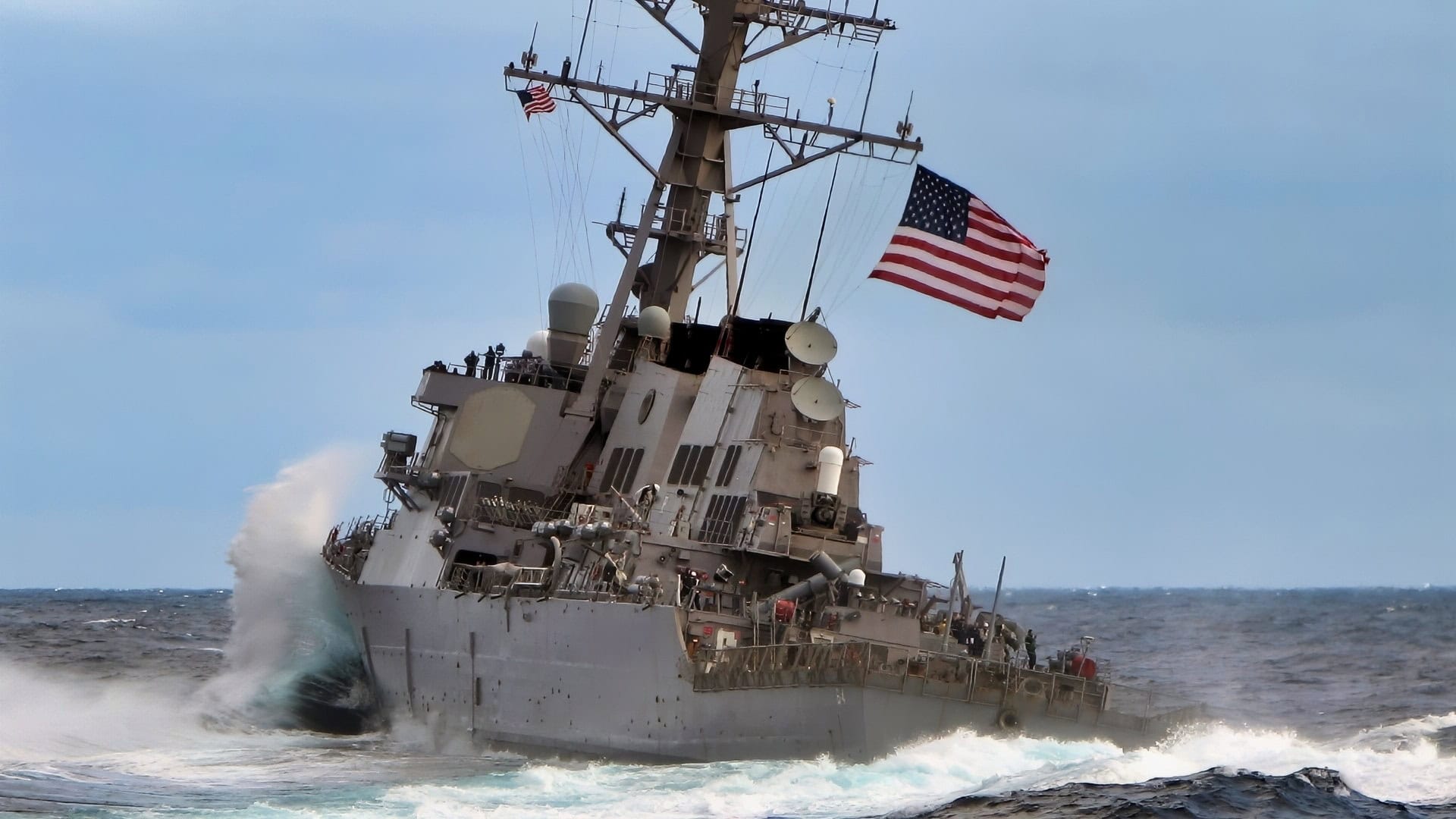
China's assertion that the Strait is internal water — a claim Washington and most of the region reject — makes each transit a legal statement as much as a military one. When the pace collapses, the legal claim quietly gains ground by default. Beijing does not have to win the argument; it only has to stop the United States from contesting it.
The asymmetry is the point. Even as PLA air sorties around Taiwan fell 60 percent year-on-year in March 2026 — a lull analysts at Taiwan Security Monitor tied to China's Two Sessions political calendar — PLAN vessel detections held at roughly 7.2 per day, consistent with the 2025 baseline. Beijing's maritime pressure never paused. The one domain where the United States can answer at sea is exactly the domain where it went quiet.
“The transit through the Taiwan Strait demonstrates the United States' commitment to upholding freedom of navigation for all nations as a principle,” read the 7th Fleet statement after the January passage. Seven months without a follow-up is the more recent statement on file.
Why the Pace Fell, and Why the Reasons Don't Matter
The causes are familiar: carrier groups stretched by the Middle East, a shipbuilding industrial base that the White House itself declared broken in an Aug. 13 memorandum, and a Pacific fleet whose demand signal exceeds its supply. The George Washington's departure for the Indian Ocean this month does not help the numbers.
But the reasons a signal stops are not what the adversary records. The PLAN counts transits. Taiwan's MND counts them. Japan counts them. One in seven months is a number that is already on a slide somewhere in the Eastern Theater Command headquarters, and it will be cited as evidence of exactly what Beijing wants to believe: that the United States is managing its decline in the Strait, not choreographing a pause.
The Uncomfortable Conclusion
A signal you stop sending is still a signal. No honest analyst thinks one Burke changes the military balance in the Strait — it does not, and the math has never worked that way. The question is what the absence of the Burke says. The monthly clock was the reassurance; the cadence was the policy. Washington can restore it with a schedule, not a strategy paper.
If the next transit comes in October, after nine months of silence, it will be treated as an event rather than a routine — and events are what escalate. The Navy's real problem is not that it sailed the Strait too few times in 2026. It is that Beijing now knows the clock is off, and it will price that knowledge into every coercion decision it makes before the next Burke shows up.
The U.S. Navy conducted a transit through the Taiwan Strait on January 16-17, 2026, involving USS John Finn and USNS Mary Sears, marking the only transit in 212 days. This significant reduction in transit frequency is perceived by Beijing as a shift in U.S. policy and a sign of declining American presence in the region. The PLA monitored the transit closely, launching 25 sorties in response.
- The U.S. Navy conducted one Taiwan Strait transit in 2026, involving USS John Finn and USNS Mary Sears.
- The transit occurred on January 16-17, 2026, and was the only one in 212 days.
- The PLA Eastern Theater Command shadowed the U.S. ships and launched 25 sorties during the transit.
- The frequency of U.S. transits has decreased significantly compared to previous years, indicating a policy change.
- Beijing interprets the reduced transit frequency as a sign of U.S. decline in the region.