
One Year Anniversary of the Fujian Ship's Commissioning: Reflecting on the Extraordinary Journey of "Great Power Heavy Ships"

One year ago today, at a military port in Sanya, Hainan, the first domestically designed and built electromagnetic catapult aircraft carrier—Fujian—was officially commissioned and flagged, marking the People's Navy's entry into the "three aircraft carrier era."
Today, on the first anniversary of Fujian's commissioning, we reflect on the extraordinary journey of this "heavy ship of a great power."
The Extraordinary Journey of the "Heavy Ship of a Great Power"
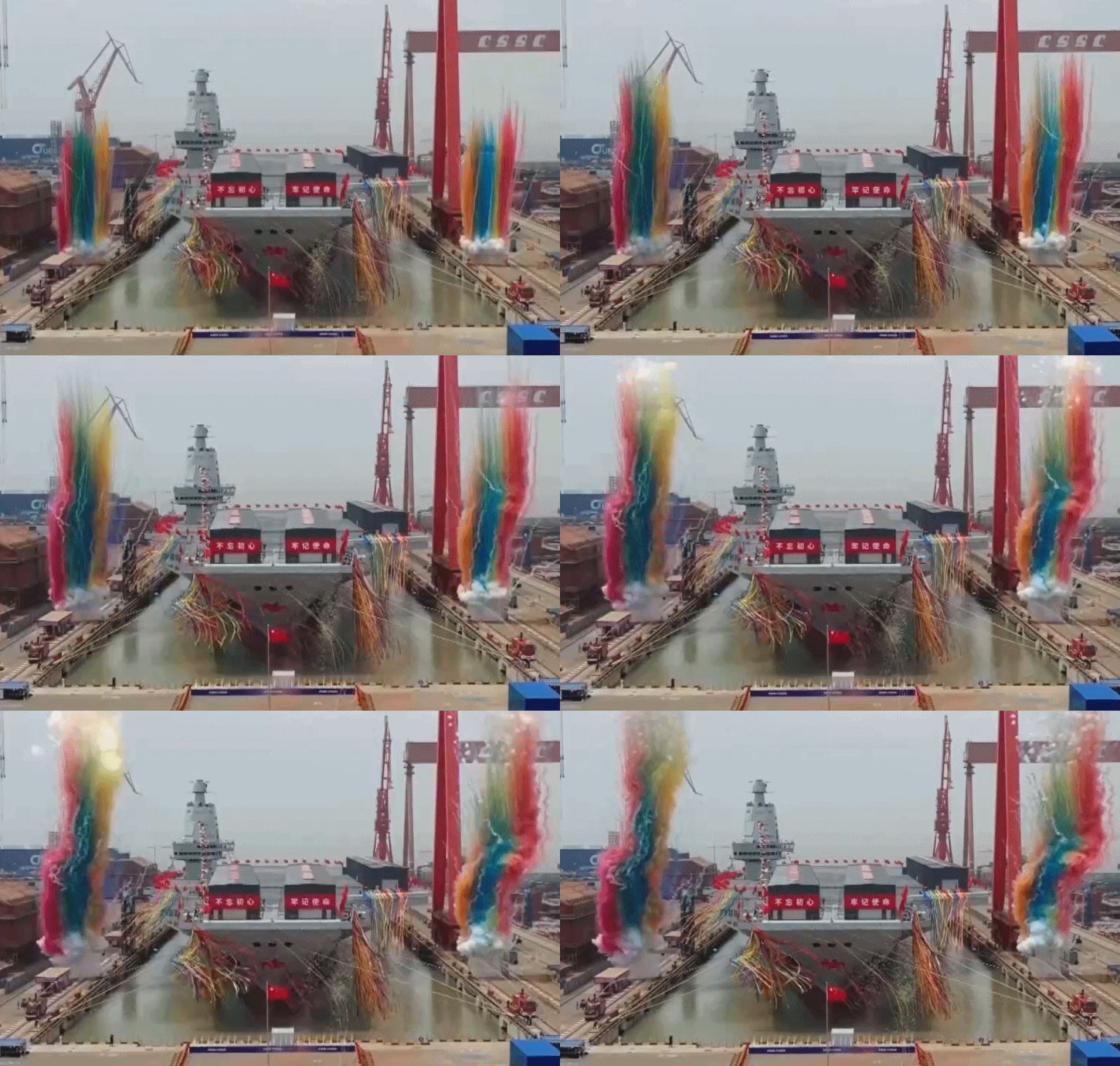
On June 17, 2022—Fujian was launched and named, hull number 18, making China one of the few countries in the world capable of building large aircraft carriers.
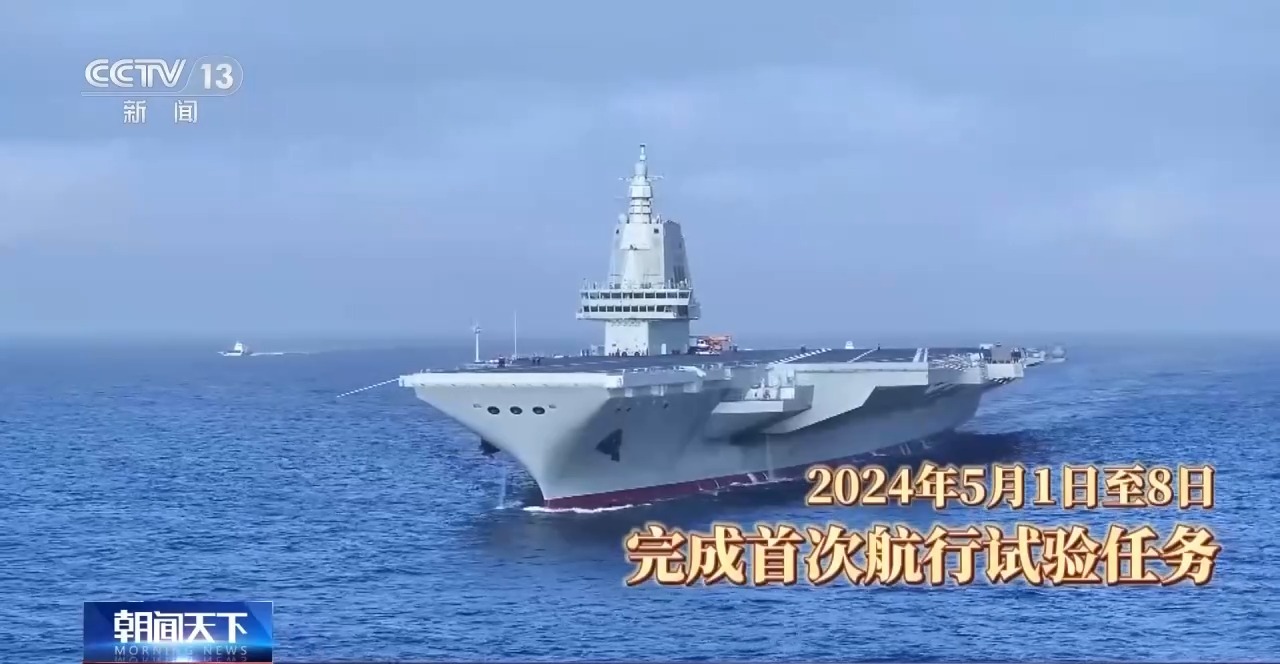
From May 1 to 8, 2024—Fujian successfully completed its first sailing test mission, with power, electrical, and other system equipment tests meeting expected results.
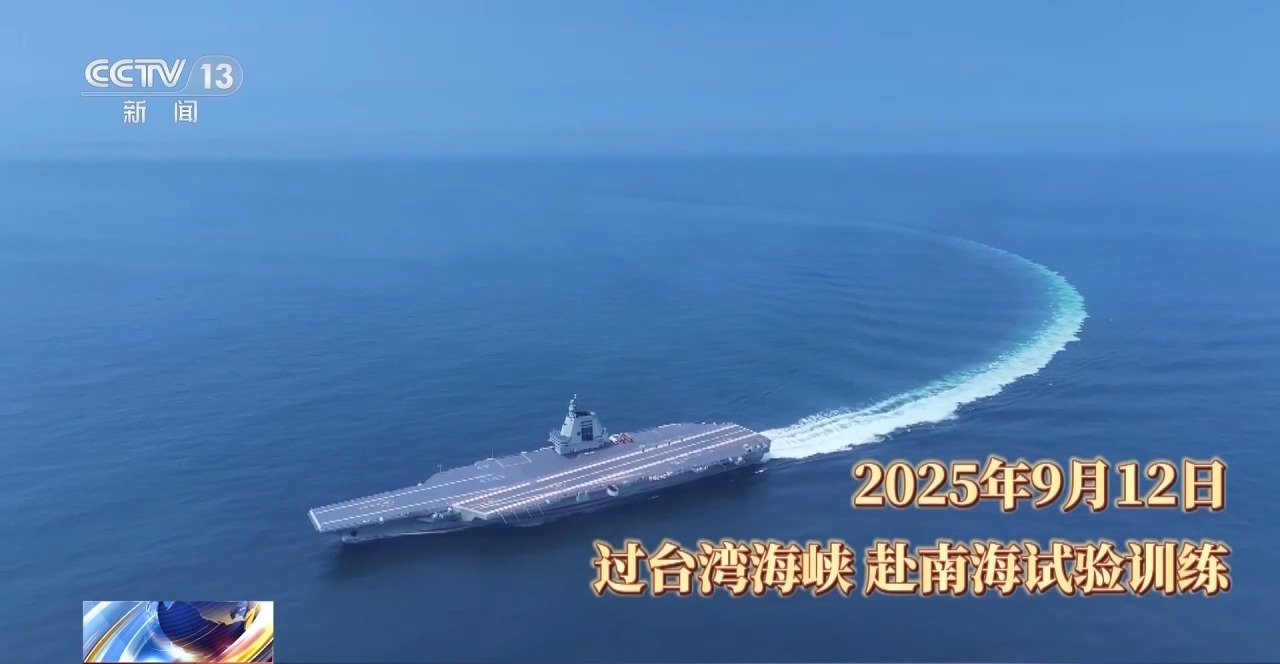
On September 12, 2025—the Navy's spokesperson confirmed that Fujian passed through the Taiwan Strait to conduct scientific research and training missions in relevant waters of the South China Sea.
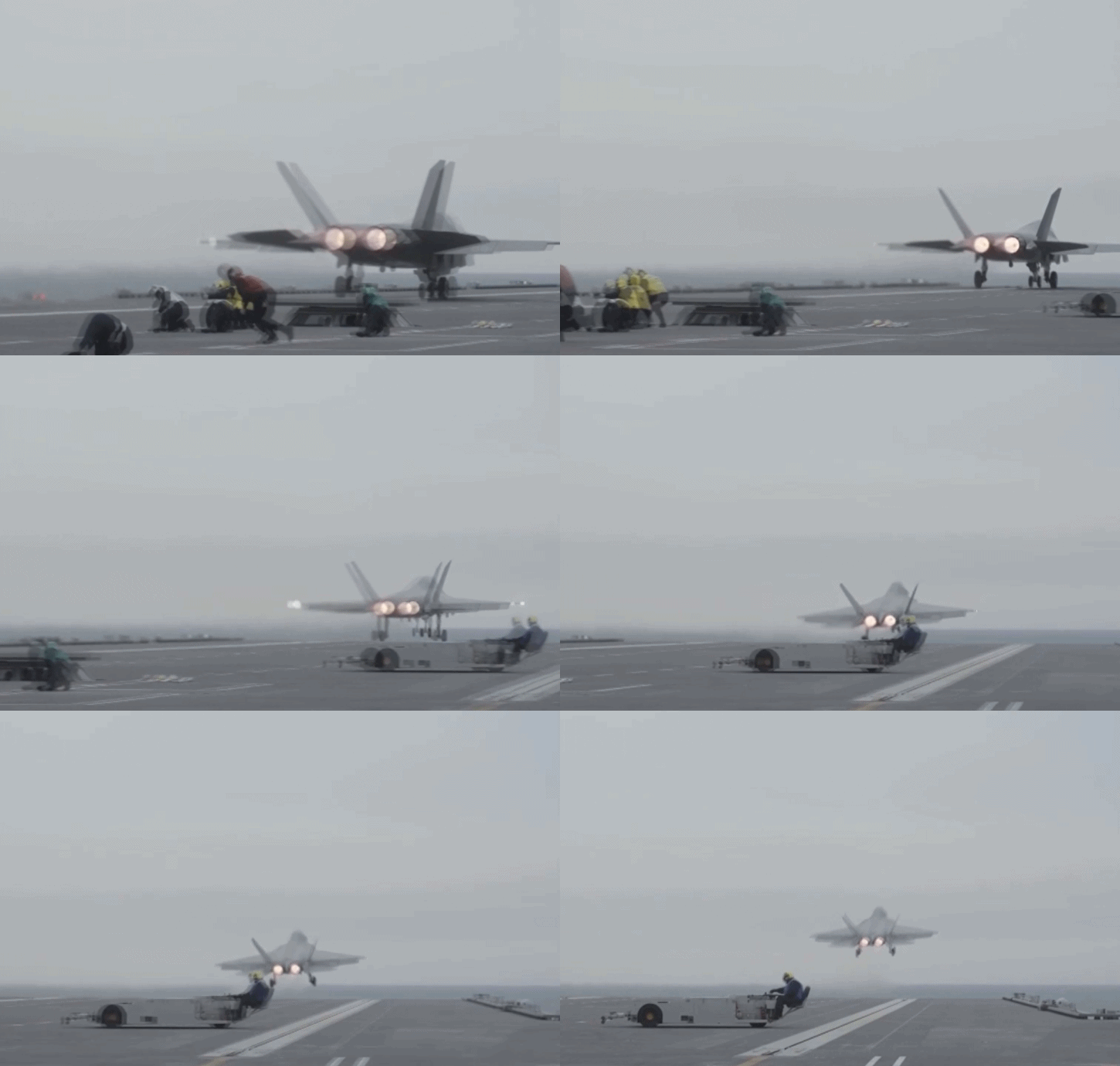
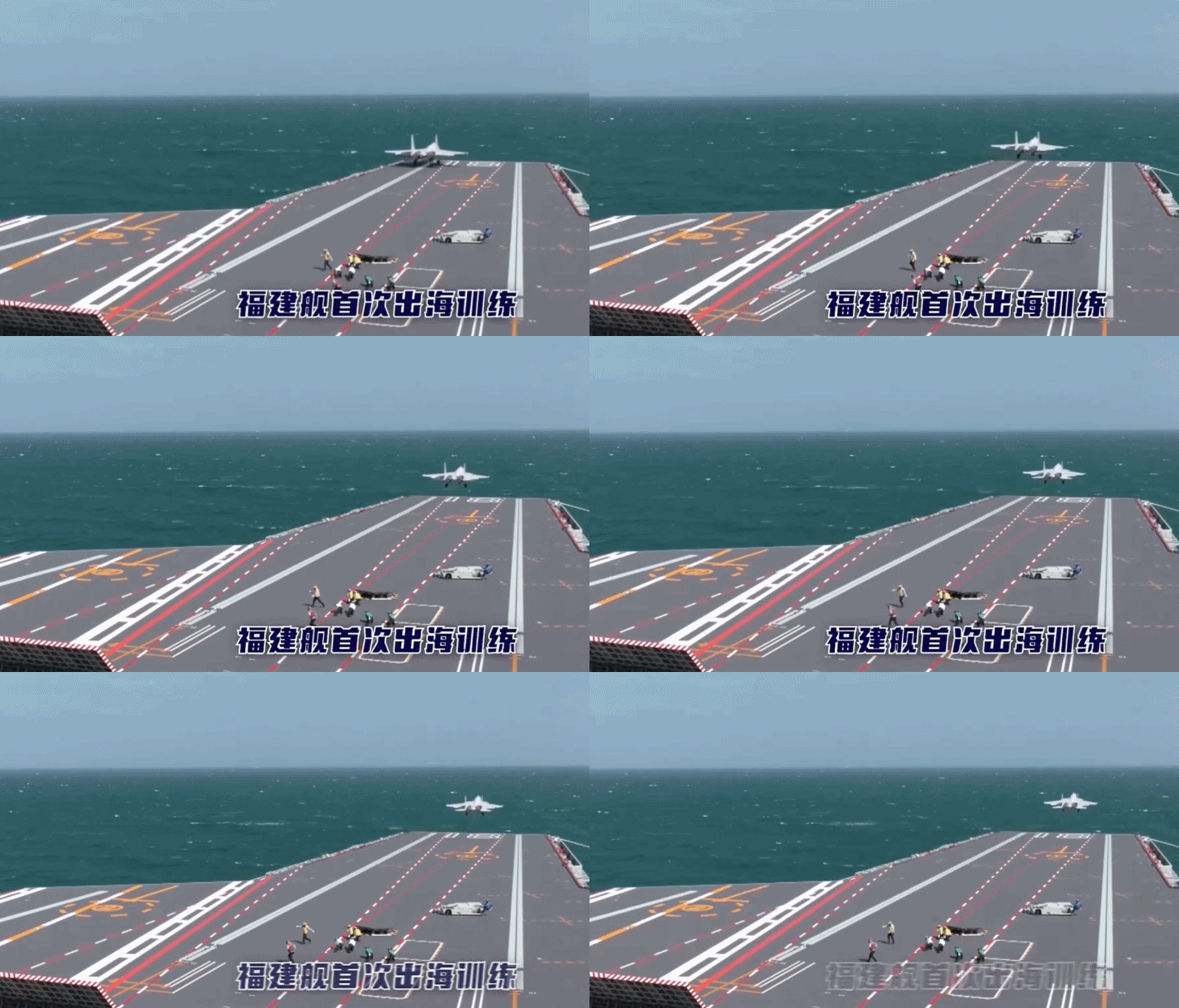
On September 22, 2025—J-15T, J-35, and KJ-600 completed their first catapult takeoff and landing training on Fujian, marking a significant breakthrough in the verification of the electromagnetic catapult system.
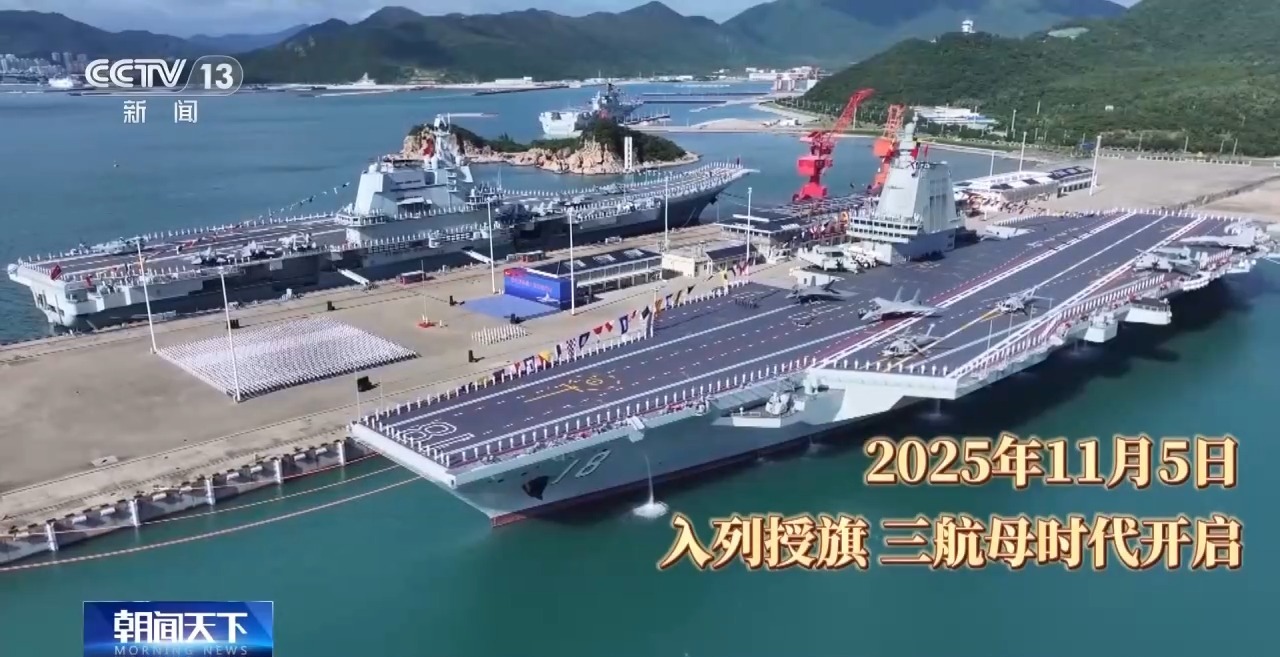
On November 5, 2025—officially commissioned! Fujian held a commissioning and flag-raising ceremony at a military port in Sanya.
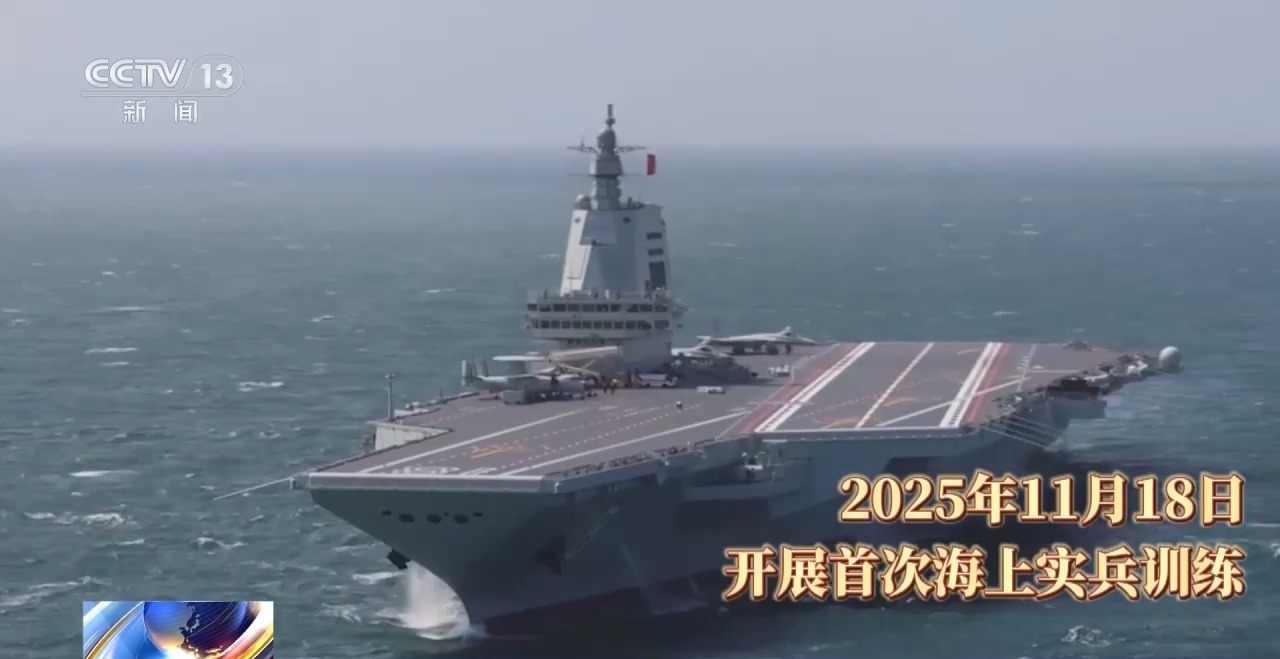
On November 18, 2025—just 13 days after commissioning, the Fujian fleet conducted its first live training at sea. Multiple types of carrier-based aircraft, including J-35, J-15T, J-15DT, and KJ-600, completed several rounds of electromagnetic catapult takeoff and landing training, while also conducting formation sailing and joint search and rescue exercises.
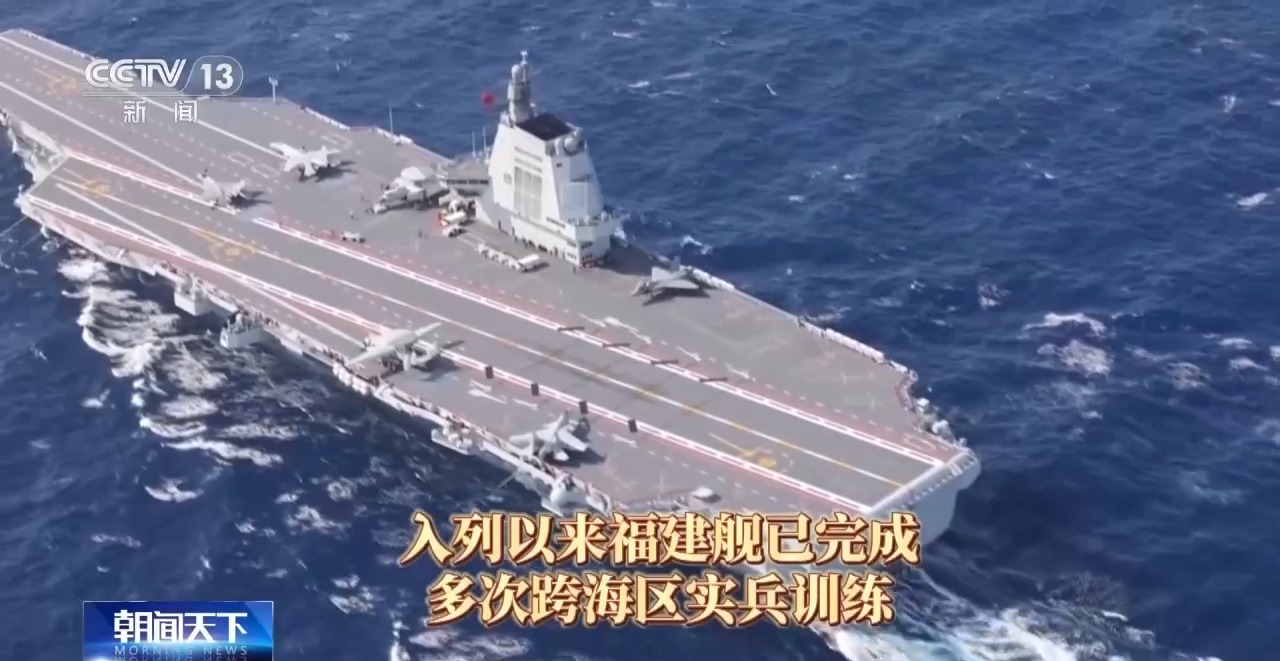
The year 2026 will be a crucial year for the transition from "basic combat capability" to "fully formed combat capability." Fujian has completed electromagnetic catapult takeoff and landing training for J-35, J-15T, and KJ-600, and has organized multiple cross-sea live training exercises.
Witnessing the Growth of the Giant Ship and Listening to the Voices of the Crew
Behind every extraordinary breakthrough of Fujian lies the dedication and hard work of its crew members. What unforgettable moments do the crew of Fujian have with this giant ship?
Naval Officer Li Kun from Fujian: I couldn't sleep all night the day before, the pressure... After the successful launch the next day, all the pressure was instantly released.
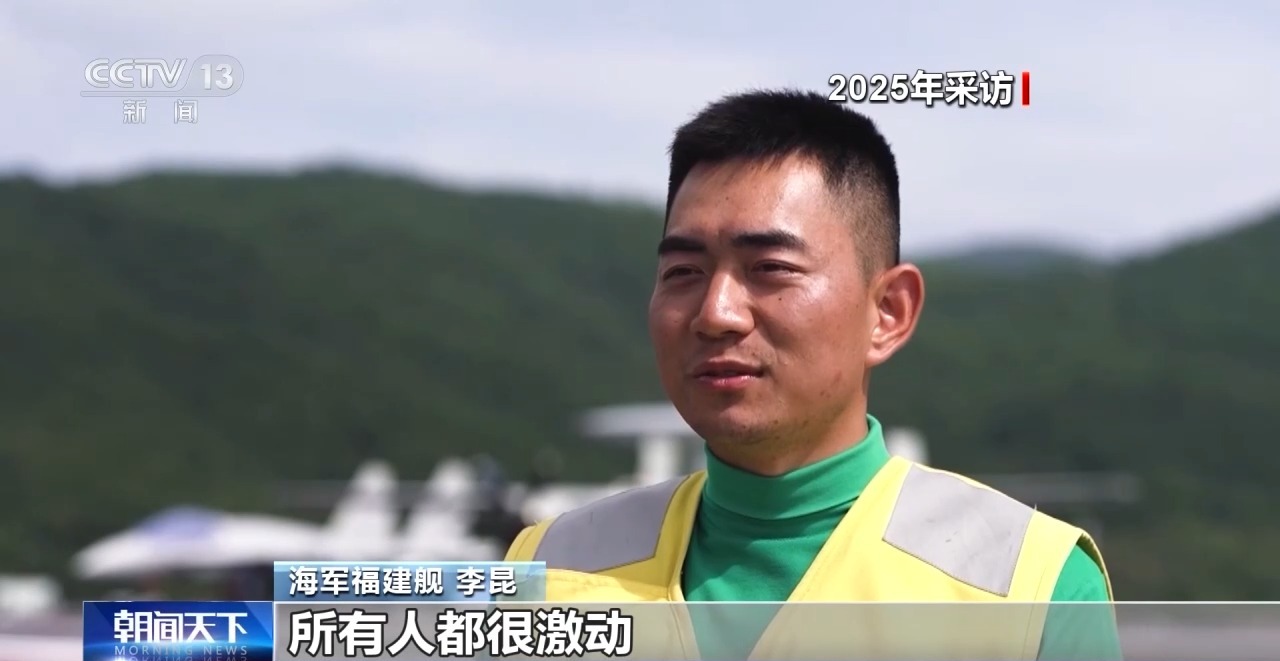
Naval Officer Li Kun from Fujian: I was so excited that I kept clapping with both hands because I was squatting on the ground, my hands kept hitting the deck until it hurt too much to continue. I was really excited, everyone was very excited.
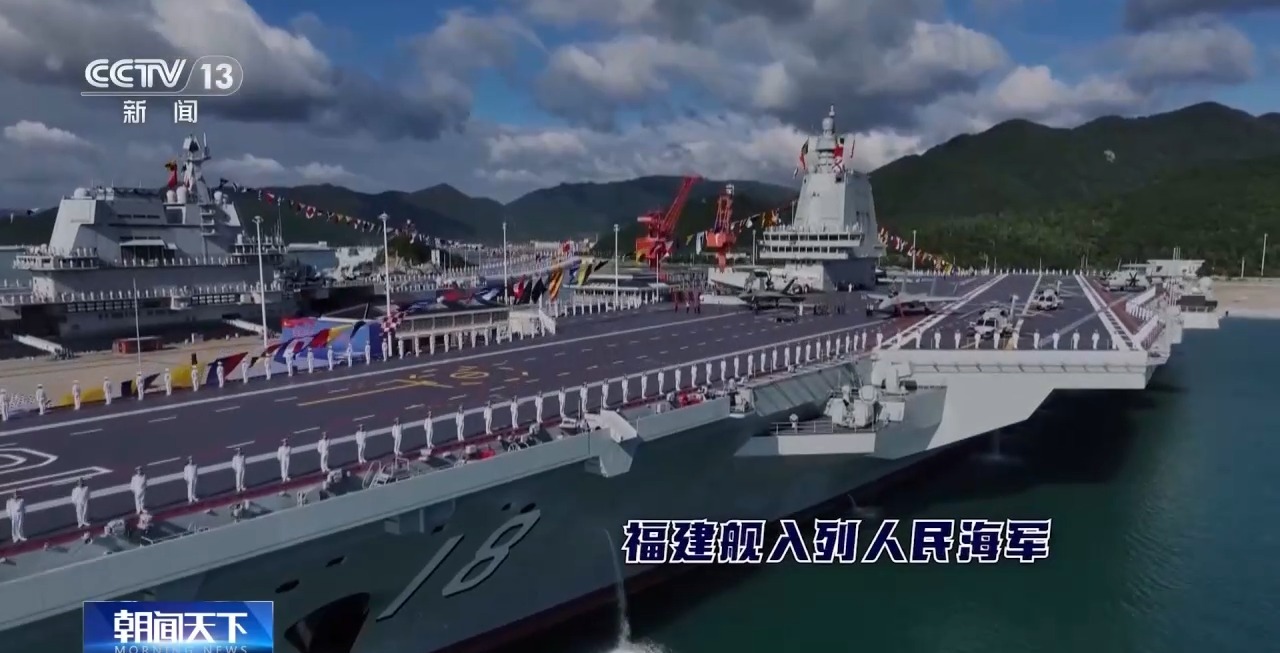
Naval Officer Bao Yu from Fujian: The timing of the birth of Ship 18 is a critical juncture for our country's defense construction and an important period.
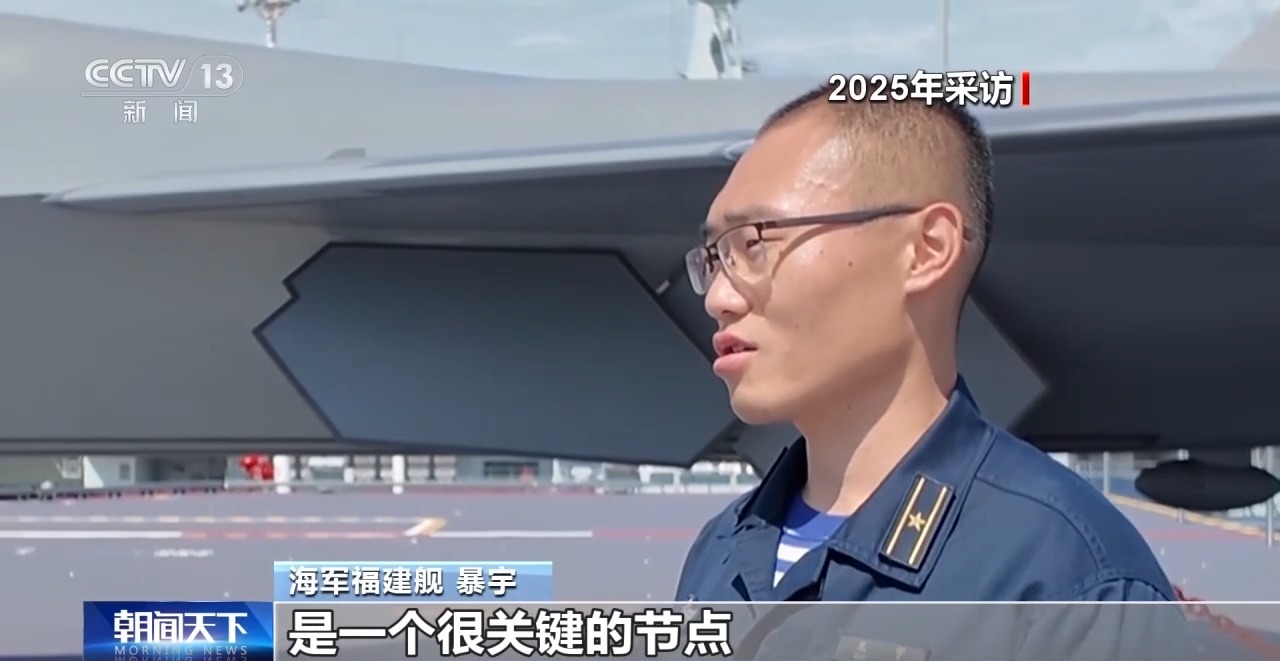
Naval Officer Bao Yu from Fujian: We don't have much time to wait for the crew to grow or to adapt to this platform.
Naval Officer Zhang Yunhong from Fujian: There have actually been many difficulties along the way, but we have overcome them together. We are constantly innovating and challenging new things to better integrate combat capability with daily training.
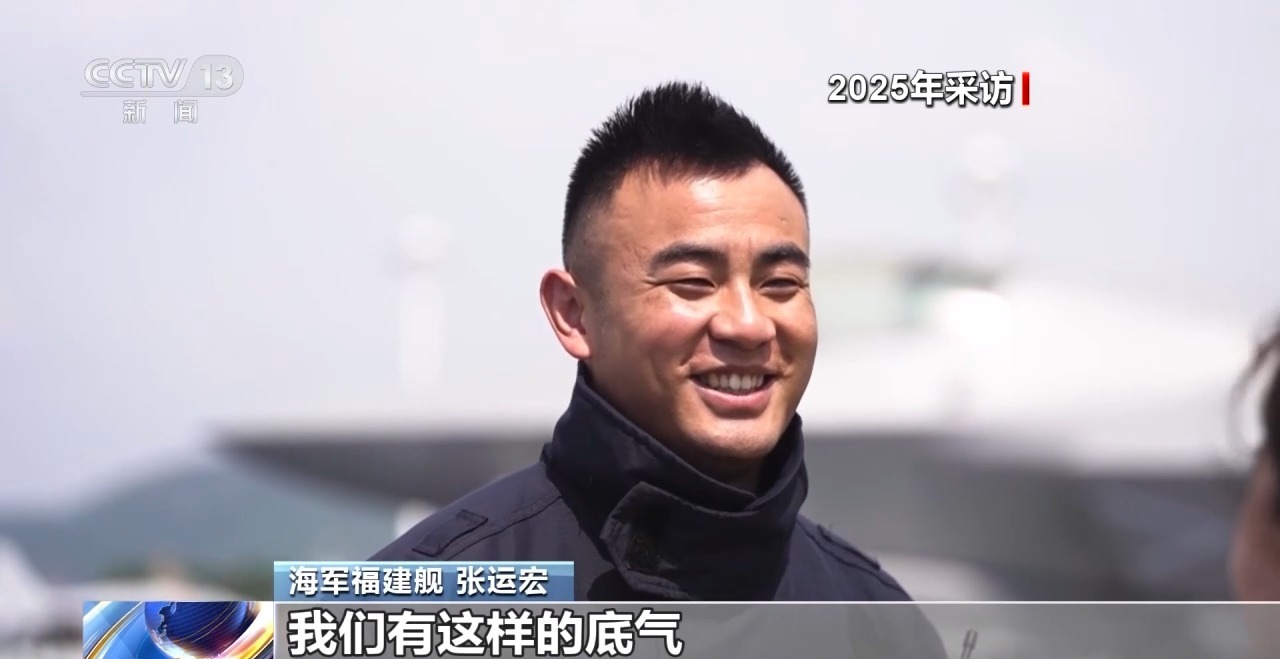
Naval Officer Zhang Yunhong from Fujian: I can proudly say that we have far surpassed the original targets we aimed to learn from; we have that confidence.
Electromagnetic Catapult: The "Core Code" of Fujian
As the world's first aircraft carrier to use conventional power electromagnetic catapult technology, Fujian's technological breakthroughs signify that China's aircraft carriers have entered the world's forefront. Unlike the ski-jump takeoff methods of Liaoning and Shandong, Fujian's electromagnetic catapult system allows the carrier to flexibly launch different types of aircraft, including the J-35 stealth fighter, J-15T heavy fighter, and KJ-600 fixed-wing early warning aircraft.
How the electromagnetic catapult system and various carrier-based aircraft on Fujian work together in training at sea is explained by military commentator Zhang Junsha.
Military Commentator Zhang Junsha: The Fujian aircraft carrier is equipped with three electromagnetic catapults and four electromagnetic arrestor wires, which are the most core and notable technological highlights of the entire ship. Compared to traditional takeoff methods, electromagnetic catapults bring many changes to the deployment and formation combat of carrier-based aircraft:
First, full fuel and armament takeoff. Catapult takeoff is no longer limited by the weight restrictions of a ski-jump deck, allowing fighter jets to carry full fuel and munitions when departing, directly expanding the strike range and capability of the formation.
Second, strong adaptability to aircraft types. The electromagnetic catapult can finely adjust the launch force according to the weight of the aircraft, accommodating everything from drones weighing over ten tons to 30-ton heavy fighters, and large fixed-wing early warning aircraft like the KJ-600, enhancing the carrier group's maritime situational awareness and long-range strike capabilities.
Third, a leap in operational efficiency. Compared to steam catapults, electromagnetic catapults have greater thrust, faster reset, quicker cold starts, and higher sortie rates, allowing more aircraft to be launched more quickly in a unit of time, significantly enhancing the carrier's "sustained output" capability and greatly improving the carrier group's ability to conduct high-intensity sustained operations at sea.
Fourth, less wear on the aircraft. The electromagnetic catapult has a smooth acceleration curve and low peak impact, making it more friendly to the aircraft's lifespan over long-term use.
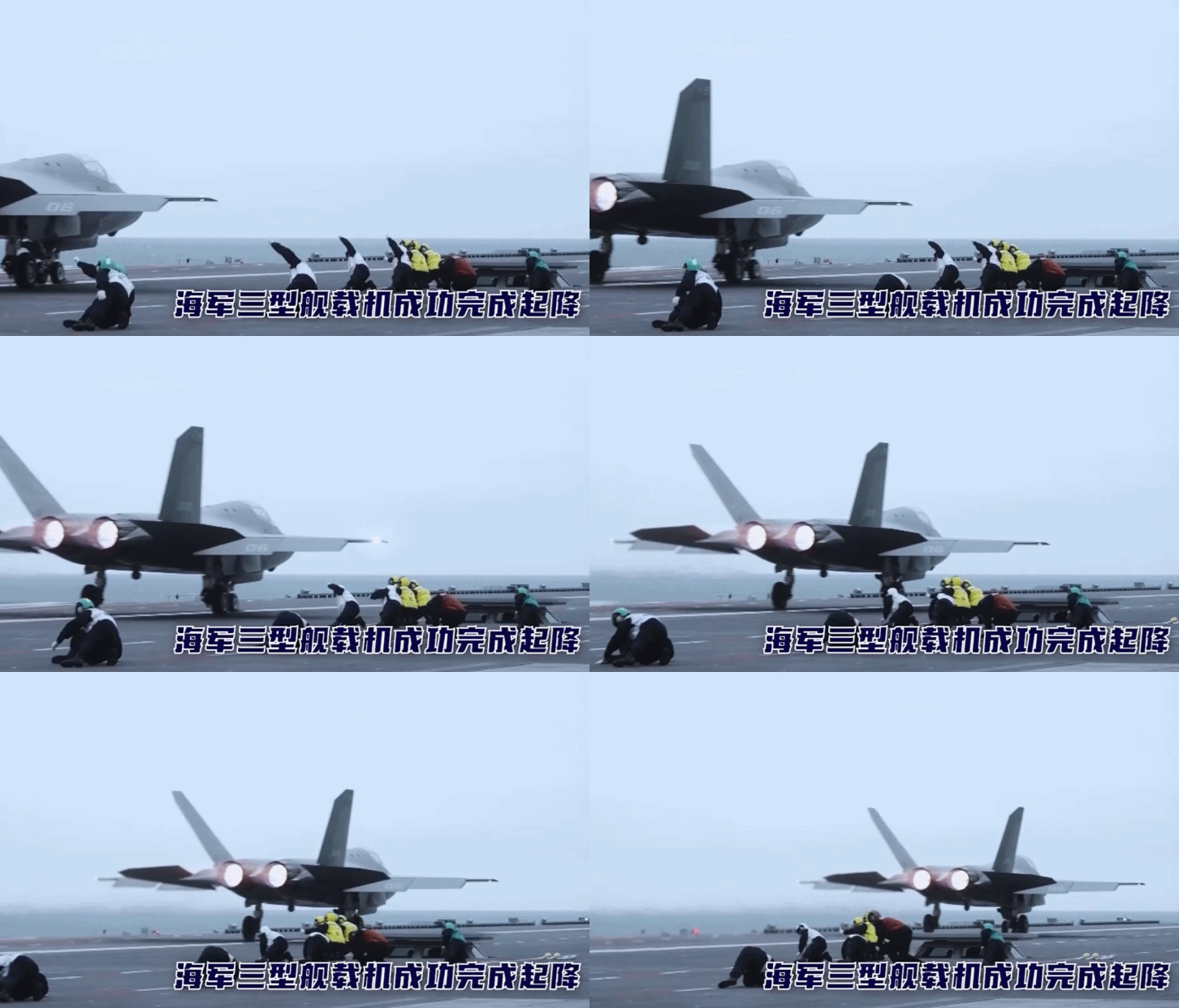
Military Commentator Zhang Junsha: Additionally, the electromagnetic catapult is friendly to lightweight platforms, allowing for the subsequent deployment of carrier-based drones, enabling the carrier group to conduct manned-unmanned cooperative operations.
Besides the well-known electromagnetic catapult, a representative highlight of Fujian is the frequently mentioned "carrier's five-piece set," referring to the various carrier-based aircraft on Fujian.
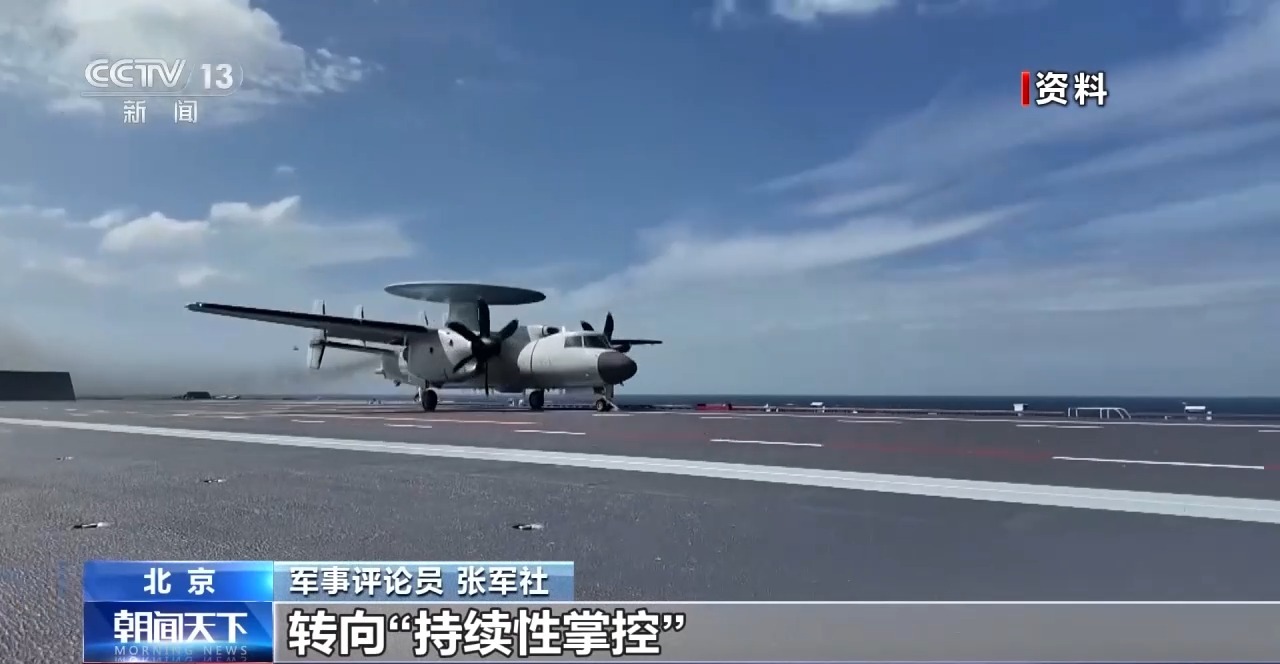
Military Commentator Zhang Junsha: The "carrier's five-piece set" can form a highly efficient cooperative aerial combat system, enabling the carrier group to "see far—hit accurately—maintain pressure—strike hard—defend firmly," significantly enhancing the Chinese Navy's capabilities for systemic operations in distant seas. Among them, the KJ-600 early warning aircraft will shift the carrier group's control over maritime areas from "temporary presence" to "sustained control," greatly extending the air defense and strike zones.
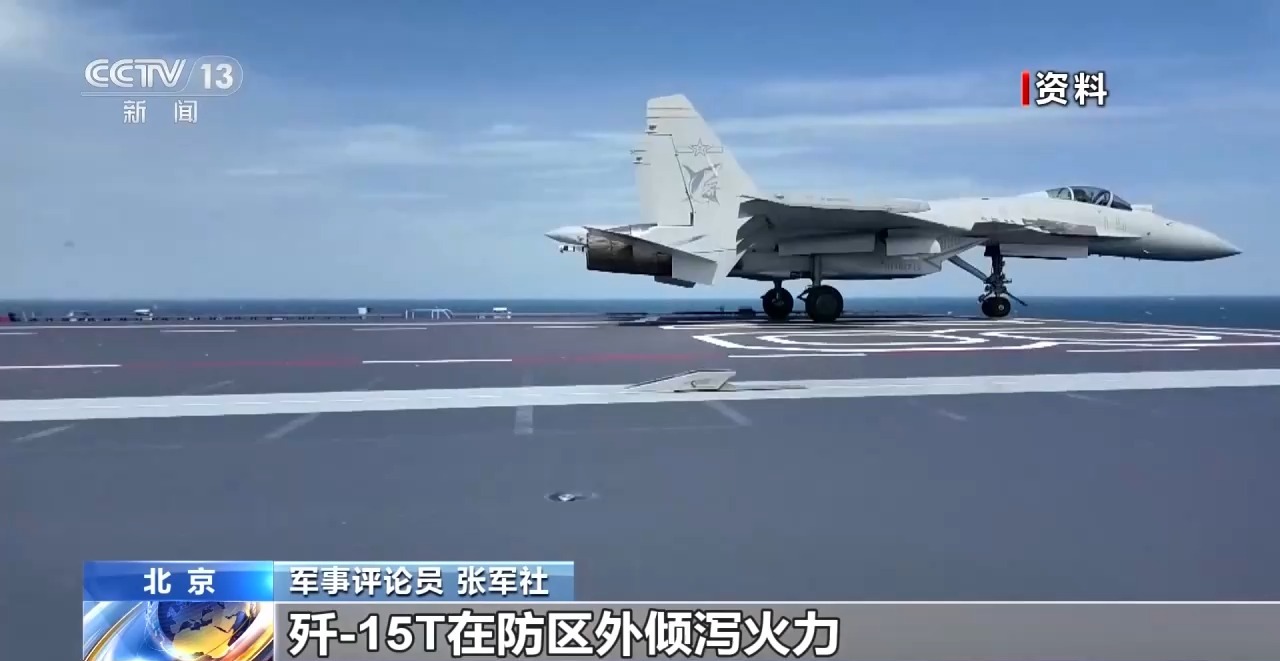
Military Commentator Zhang Junsha: In maritime operations, the KJ-600 detects and assigns targets from a distance, the J-35 stealth fighter advances to "kick down the door," seizing air superiority and relaying target information, the J-15DT conducts electronic suppression, and the J-15T unleashes firepower from outside the defense zone, implementing saturation strikes, while anti-submarine helicopters clear underwater threats, providing underwater security for the formation.
Transitioning from "Basic Formation" to "Fully Formed" Combat Capability
In the year since its commissioning, Fujian has deeply engaged in experimental verification and system combat training, continuously strengthening its combat capabilities to ensure that the carrier group can conduct offensive and defensive operations in complex environments at sea. It can be said that this year is a crucial year for Fujian's transition from "basic formation" to "fully formed" combat capability.
Military Commentator Zhang Junsha: "Basic combat capability" means that the Fujian aircraft carrier can normally set sail, and carrier-based aircraft can take off and land on the deck, conducting basic formation training with escort vessels. "Fully formed combat capability" means advancing from "able to sail, able to take off and land, able to fight limited battles" to "able to fight high-intensity, all-weather, systematic, and sustainable battles."
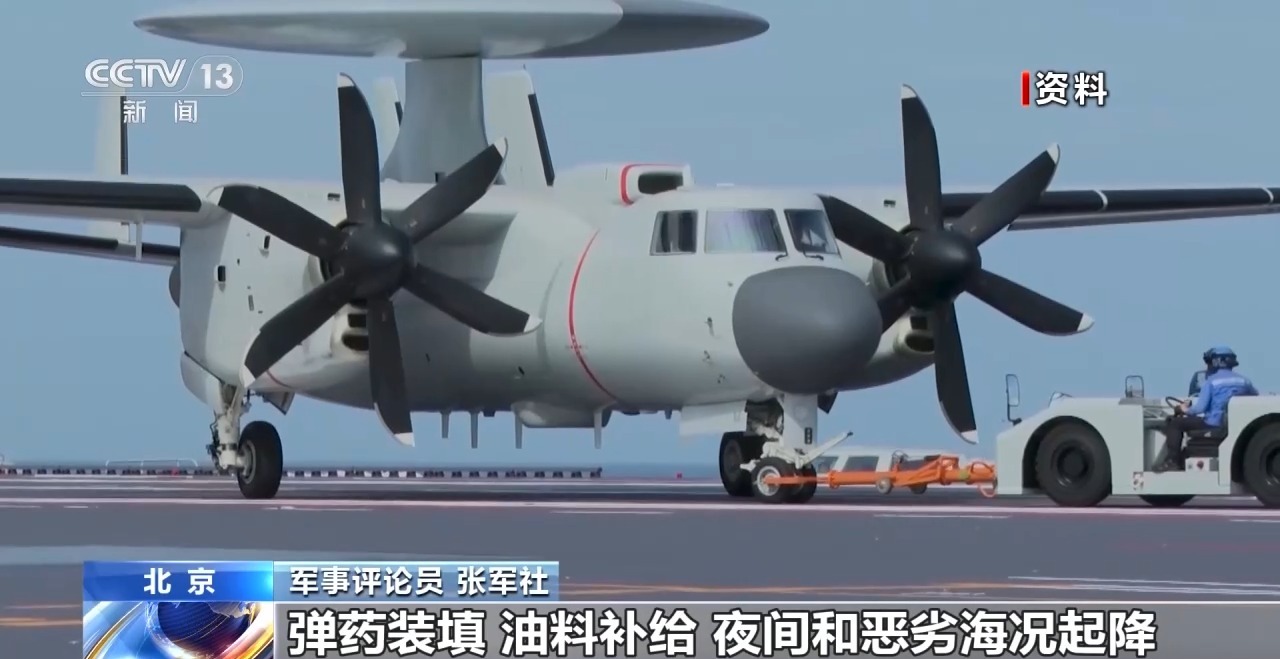
Military Commentator Zhang Junsha: This requires the carrier-based aircraft to achieve full deployment on board, smooth takeoff and recovery operations across the entire deck, quick, safe, and stable ammunition loading, fuel replenishment, and takeoffs and landings at night and in adverse sea conditions, with high coordination among all ships in the formation, enabling sustained operations at sea. Within a year of commissioning, Fujian has successively sailed south through the Taiwan Strait to the South China Sea, then north to the East China Sea and Yellow Sea, completing cross-sea experimental training, demonstrating its capability for cross-sea operations, and achieving a certain level of coordination among the fleet's vessels, thus basically forming combat capability.
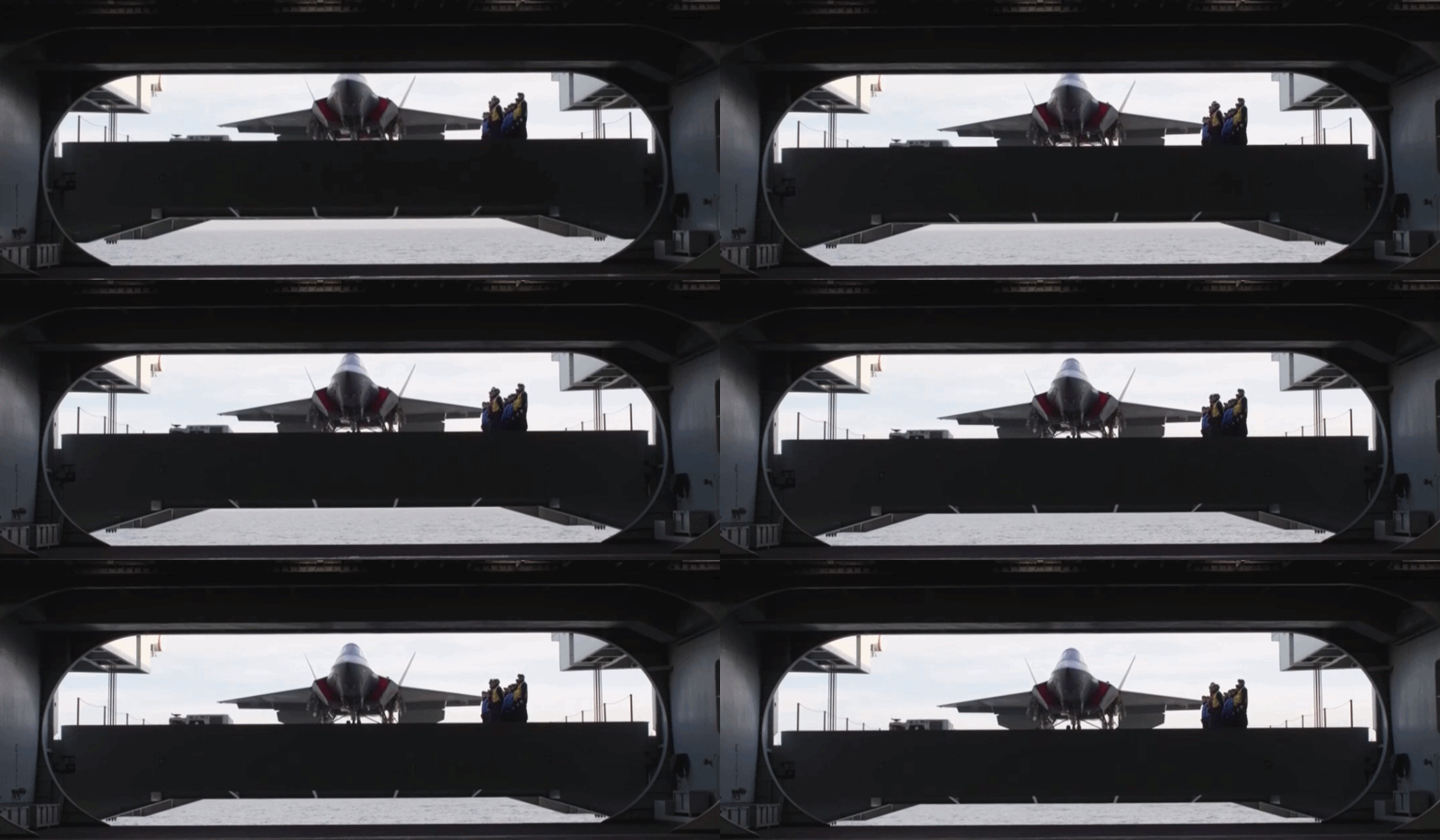
Military Commentator Zhang Junsha: Within a year, Fujian has completed takeoffs and landings of multiple types of carrier-based aircraft, initially achieving full deck operational capability, and has conducted live training exercises with formations, repeatedly executing cross-sea maneuvers, with a certain level of coordination among the fleet's vessels, and has initially developed combat capabilities. This pace is indeed rare in the history of aircraft carrier development worldwide, completing in one year what other countries have taken several years to achieve.
According to experts, based on the general rules for the formation of aircraft carrier combat capabilities, Fujian still has some key thresholds to cross from "basic formation" to "fully formed" combat capability:
First, it may need to achieve full deck operations under maximum load, transitioning from "able to catapult" to "able to conduct high-intensity continuous catapult operations";
Second, takeoffs and landings under complex conditions, including at night and in adverse weather and sea conditions, which is recognized as a "hard threshold," requiring pilots to obtain night carrier qualification certification;
Third, integration of the formation system, including integrated command and information sharing between ships and aircraft.
The Strategic Significance of the Transition from "Coexistence" to "Rotation" of Three Aircraft Carriers
On the first anniversary of its commissioning, Fujian set sail from Sanya, heading into the deep blue. The People's Navy is accelerating its transformation and construction, marked by the three aircraft carrier system. Military commentator Zhang Junsha interprets the strategic significance behind this.
Military Commentator Zhang Junsha: The commissioning of Fujian in November 2025 marks the entry of the Chinese Navy into the "three aircraft carrier era." The true significance of the three aircraft carrier era lies not in coexistence, but in rotation. Coexistence means that all three aircraft carriers appear at sea on the same day; rotation refers to the orderly cycling of the three aircraft carriers between "duty—training—maintenance." The three aircraft carriers represent the minimum configuration for maintaining uninterrupted maritime presence: one on duty, one in combat training, and one undergoing maintenance. The single aircraft carrier era could only allow for intermittent deployments, while the three aircraft carriers make "normal presence" possible. Once the aircraft carrier "rotation" runs smoothly, the aircraft carrier will no longer be a scarce resource that is only deployed when needed, but a predictable and sustainable strategic tool.
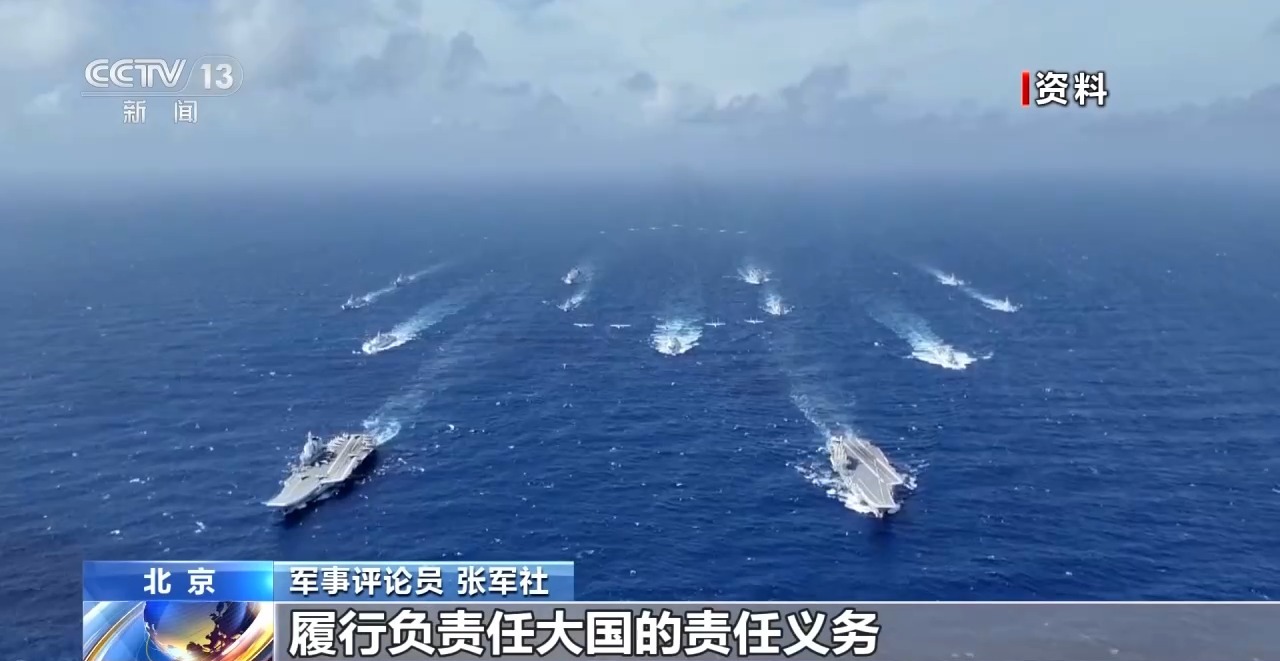
Military Commentator Zhang Junsha: The three aircraft carriers strongly promote the Chinese Navy's strategic transformation from "near-sea defense" to "far-sea defense," entering a new phase of normalized and systematic deployment for distant sea operations. The Navy will continue to undertake distant sea missions such as escorting, evacuating citizens, and humanitarian rescue, effectively safeguarding national interests and fulfilling the responsibilities and obligations of a responsible major power.
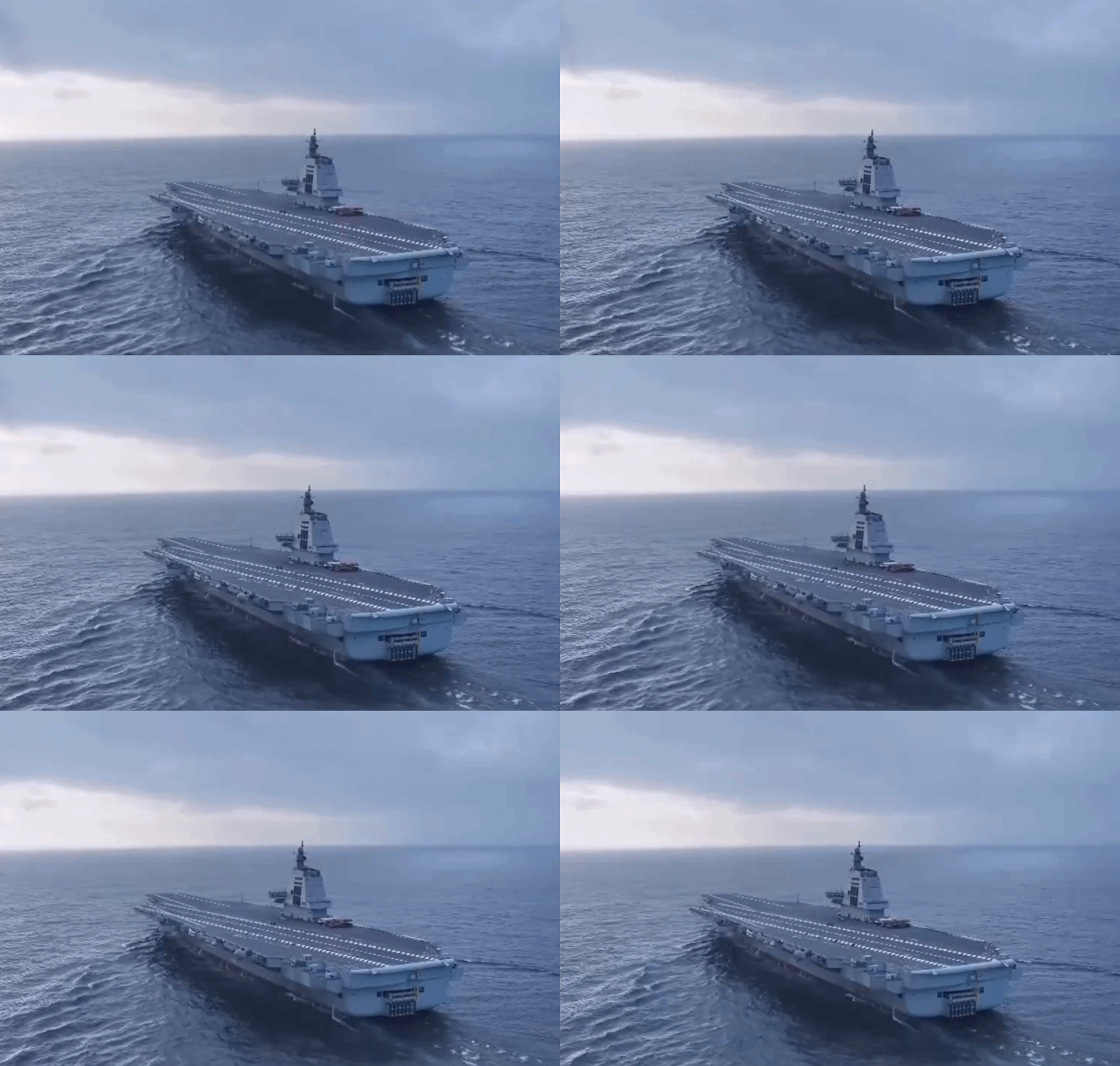
From cross-sea training to advancing into the deep blue, every step of Fujian's journey is being implemented in an orderly manner according to the Navy's plans. Once fully combat capable, Fujian will become a "strategic iron fist" and maritime backbone for safeguarding national sovereignty, security, and development interests, as well as maintaining regional peace and stability.
The Fujian aircraft carrier was officially commissioned on November 5, 2025, marking a significant milestone for the People's Liberation Army Navy. Over the past year, it has conducted various trials and training exercises, including operations in the Taiwan Strait and South China Sea. The carrier's advanced electromagnetic catapult system enhances its capabilities, allowing for a diverse range of aircraft operations.
- The Fujian aircraft carrier was commissioned on November 5, 2025.
- It has completed various trials and training exercises, including operations in the Taiwan Strait and South China Sea.
- The carrier features an electromagnetic catapult system, enhancing its operational capabilities.