

Summary and Key Points: Expert Stephen Silver traces George Washington’s maxim “To be prepared for war is the most effectual means to preserve peace,” from his January 8, 1790 address to Congress, through Theodore Roosevelt’s July 1897 Naval War College speech “Washington’s Forgotten Maxim,” where TR recast it as “Preparation for war is the surest guarantee for peace” and backed battleships over arbitration treaties. Roosevelt lived it: Rough Riders in 1898, president at 42, the Panama Canal, Great White Fleet.
Military History Was Made by Theodore Roosevelt
In July of 1897, during his service as assistant secretary of the Navy, future president Theodore Roosevelt delivered an address to the Naval War College, titled “Washington’s Forgotten Maxim.”
That maxim, from the nation’s first president, was “To be prepared for war is the most effectual means to preserve peace.” In his first address to both houses of Congress, on January 8, 1790, Washington argued that Congress should fund a full-time Army for the then-young nation.
In that 1897 speech, Roosevelt complained that Washington’s view had been forgotten by then, nearly a century after the father of the country’s death.
In the address, Roosevelt pointed to the nation’s history of wars up to that point and said that preparing for war had never endangered peace.
He then delivered his own, very similar version of Washington’s maxim: “Preparation for war is the surest guarantee for peace.”
“Arbitration is an excellent thing, but ultimately those who wish to see this country at peace with foreign nations will be wise if they place reliance upon a first-class fleet of first-class battle-ships, rather than on any arbitration treaty which the wit of man can devise,” Roosevelt added in the Naval War College speech.
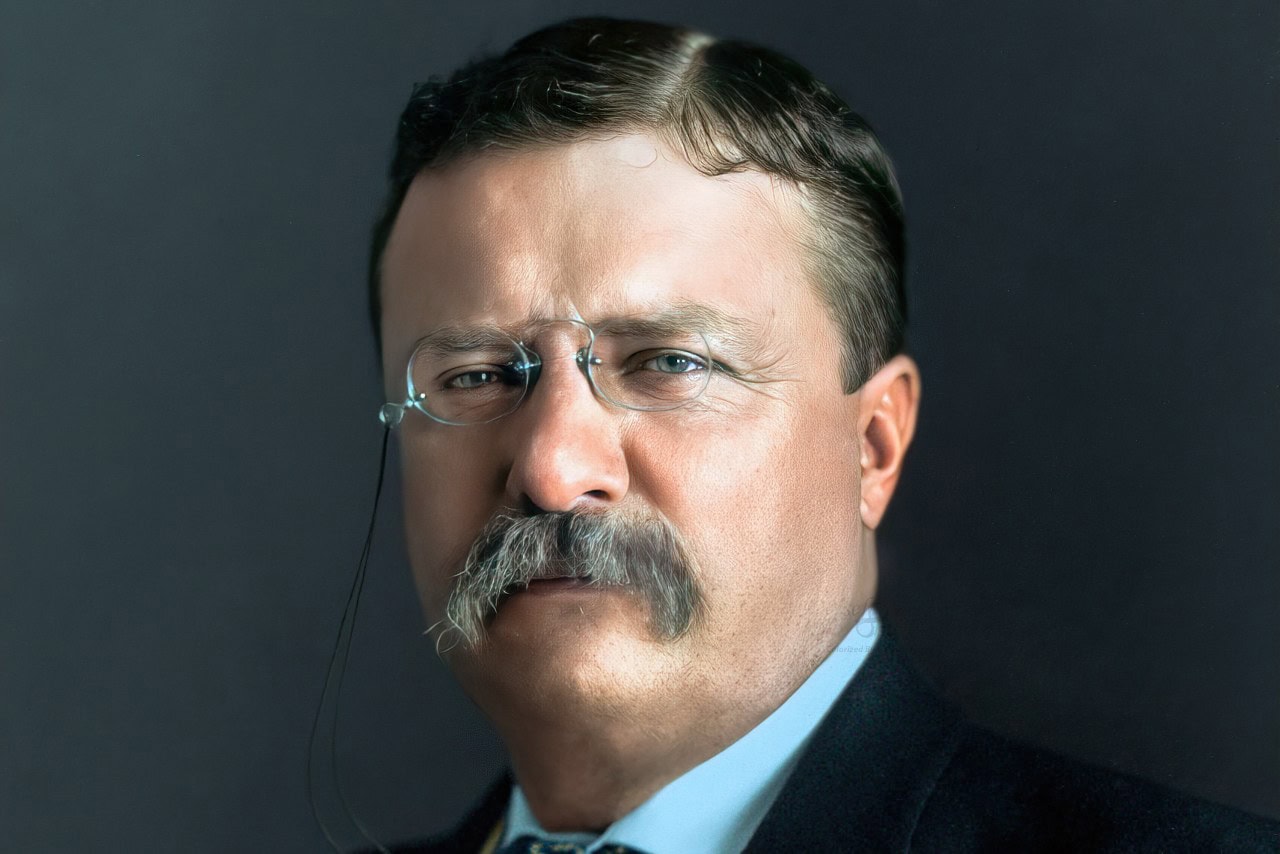
Theodore Roosevelt Quote of the Day. Image Credit: Creative Commons.
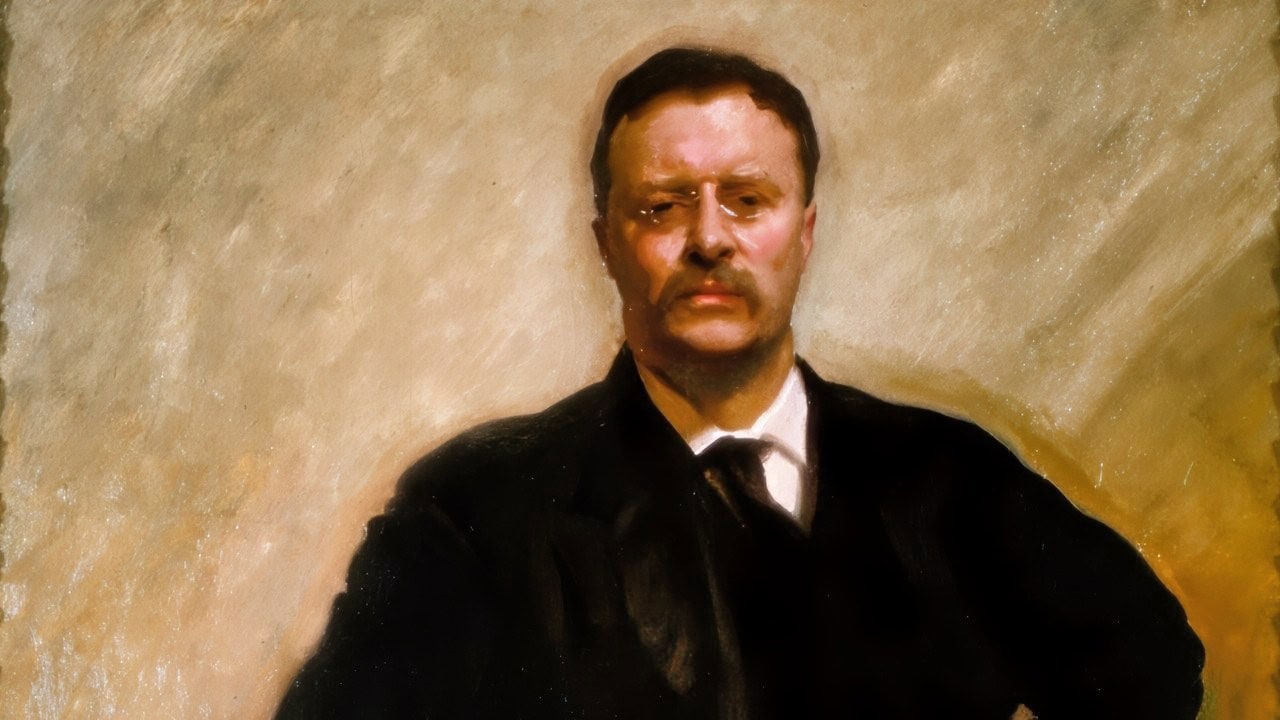
‘Speak softly and carry a big stick; you will go far.’ A Quote by Theodore Roosevelt.
TR’s Amazing Life
Roosevelt lived up to those words in his government service in various roles and later during his presidency.
According to the Theodore Roosevelt Association’s biography of the 26th president, Roosevelt was the youngest president ever to take office, at just 42 when he assumed the presidency in September 1901.
But he entered office with one of the most eclectic resumes of any political figure in history.
Over about 20 years, Roosevelt’s path took him from New York State Assemblyman to cattle rancher to Civil Service commissioner to New York City police commissioner to assistant secretary of the Navy.
In 1898, the year after the Naval War College speech, Roosevelt went to Cuba to fight with the Rough Riders in the Spanish-American War, which helped cement him as a well-known war hero.
Roosevelt returned for brief stints as governor of New York and vice president before taking office as president in 1901 after the assassination of William McKinley.
According to the Roosevelt Association biography, he also enjoyed an “energetic personal life.”
“He ranched in the West, hunted on several continents, and raised six lively children. A voracious reader and prolific writer, he devoured books—often one a day—and authored more than thirty-five himself.
His correspondence habits were legendary: he penned over 150,000 letters, maintaining a vast network of friends around the world,” the biography said.
As president, Roosevelt embraced what would later be known as the imperial presidency and took full advantage of executive power.
He rejected laissez-faire economic policies and embraced trust-busting and consumer-protection efforts.
Roosevelt was also a major champion of conservation, establishing five National Parks, 150 National Forests, and a total of 230 million acres under federal protection.
On the foreign policy front, Roosevelt embraced Washington’s words from a century earlier, shoring up the Navy and also making the United States more of a global power.
He advanced construction of the Panama Canal and, near the end of his presidency, sent the “Great White Fleet” around the world.
The Presidential Historians Survey ranks Roosevelt the fourth-best president in American history, behind only Abraham Lincoln, George Washington, and Franklin Roosevelt, but ahead of Dwight Eisenhower, Harry Truman, and Thomas Jefferson.
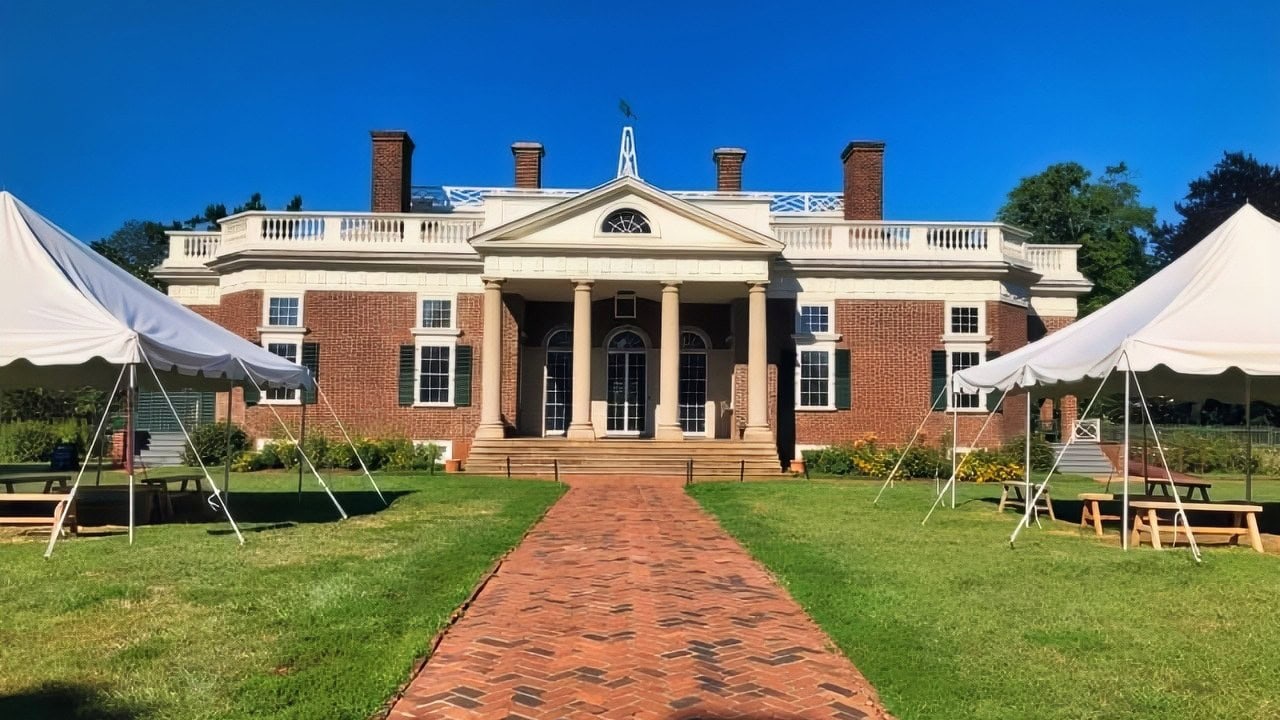
Monticello Thomas Jefferson Original Image. Image by Christian D. Orr/19FortyFive
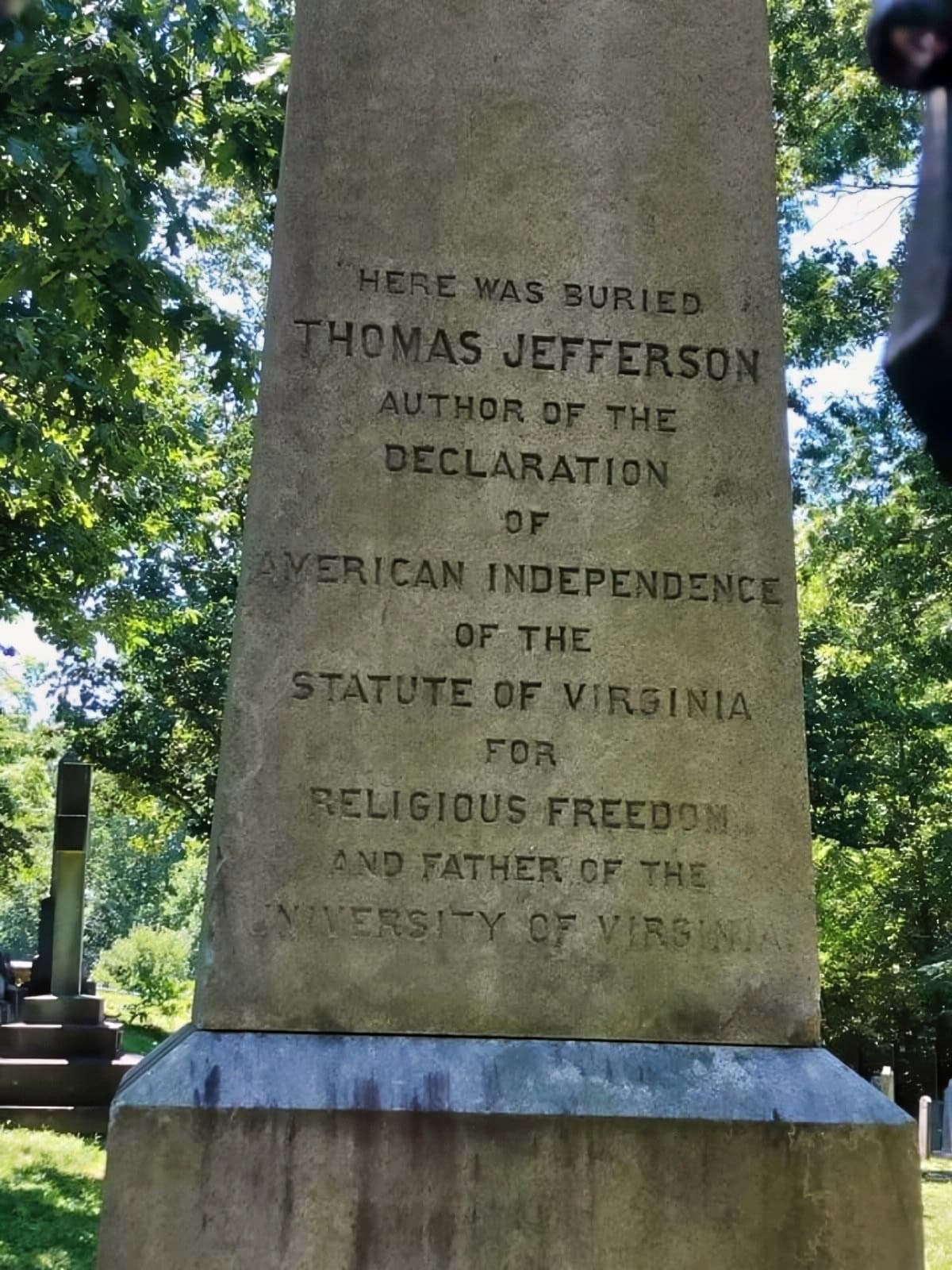
Thomas Jefferson Burial. Image provided by Author.
Bull Moose
After serving nearly eight years as president, Roosevelt, leaning into the Progressive Movement, ran again in 1912, under the banner of the new “Bull Moose” Party.
Although he lost, the Roosevelt Association biography noted that his ideas helped shape the policies of future presidents like Woodrow Wilson, who won the 1912 election, and Franklin D. Roosevelt, his fifth cousin.
Theodore Roosevelt died in 1919 at age 60 at his home, Sagamore Hill, on Long Island.
“ Though critics labeled him a militarist and political opportunist, his energy, vision, and ideals profoundly shaped modern America. His face carved into Mount Rushmore stands as a lasting symbol of his impact and the values he embodied.”
About the Author: Stephen Silver
Stephen Silver is an award-winning journalist, essayist, and film critic, and contributor to the Philadelphia Inquirer, the Jewish Telegraphic Agency, Broad Street Review, and Splice Today. The co-founder of the Philadelphia Film Critics Circle, Stephen lives in suburban Philadelphia with his wife and two sons. For over a decade, Stephen has authored thousands of articles that focus on politics, national security, technology, and the economy. Follow him on X (formerly Twitter) at @StephenSilver, and subscribe to his Substack newsletter.