

Summary and Key Points: Expert Harrison Kass follows George S. Patton’s line, “I am a soldier, I fight where I am told, and I win where I fight,” back through 30 years of preparation: West Point in 1909, fifth in the 1912 Olympics pentathlon, the Model 1913 saber, Pershing’s 1916 Pancho Villa expedition in Dodge touring cars, the Tank Corps at Saint-Mihiel in 1918, a machine-gun wound, the Distinguished Service Cross, and interwar study of armor until World War II.
US Army General George S. Patton Was Special
General George S. Patton Jr. remains one of America’s most famous military commanders, remembered best for his aggressive leadership during World War II.
With battlefield exploits in Sicily, France, and Germany, Patton established himself as a relentless offensive commander, with a philosophy aptly captured in his quote: “I am a soldier, I fight where I am told, and I win where I fight.” Through a career that began decades before the Second World War, Patton’s experiences shaped his belief in speed, offensive action, personal courage, and military discipline.
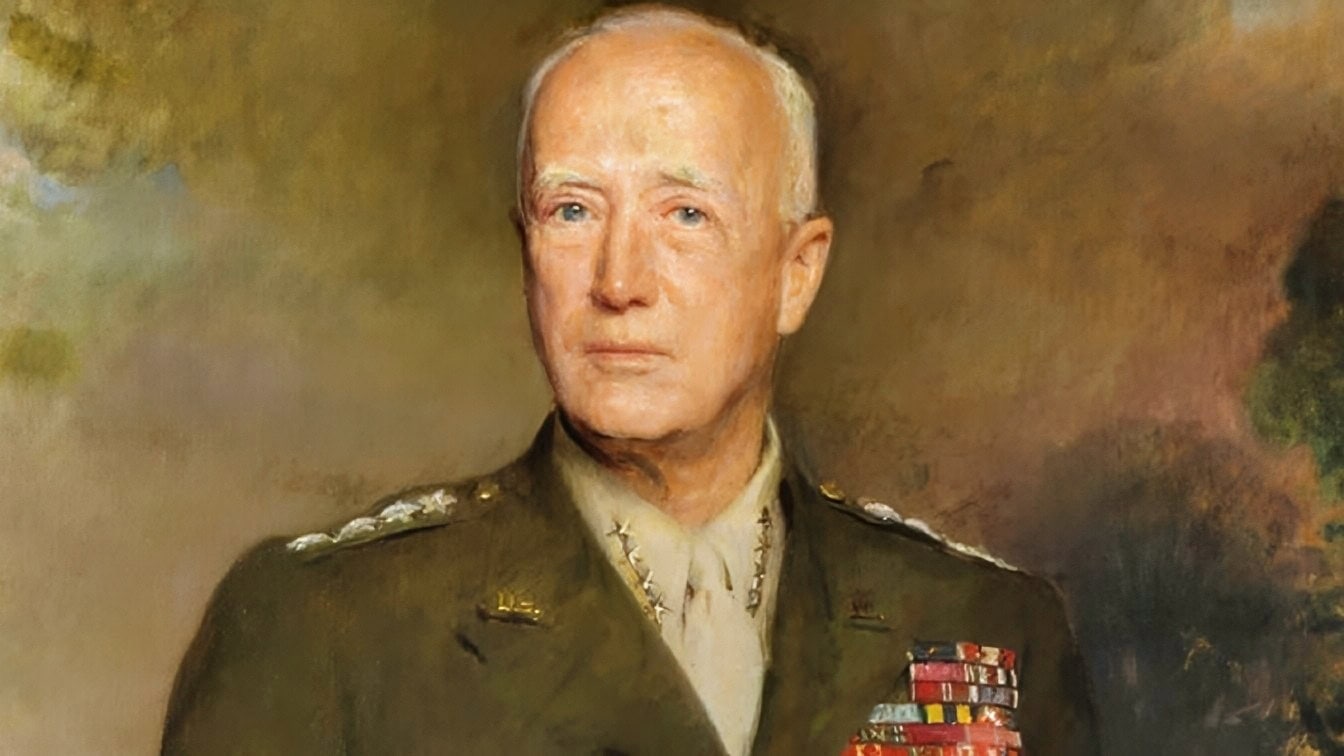
George Patton Portrait Creative Commons Photo
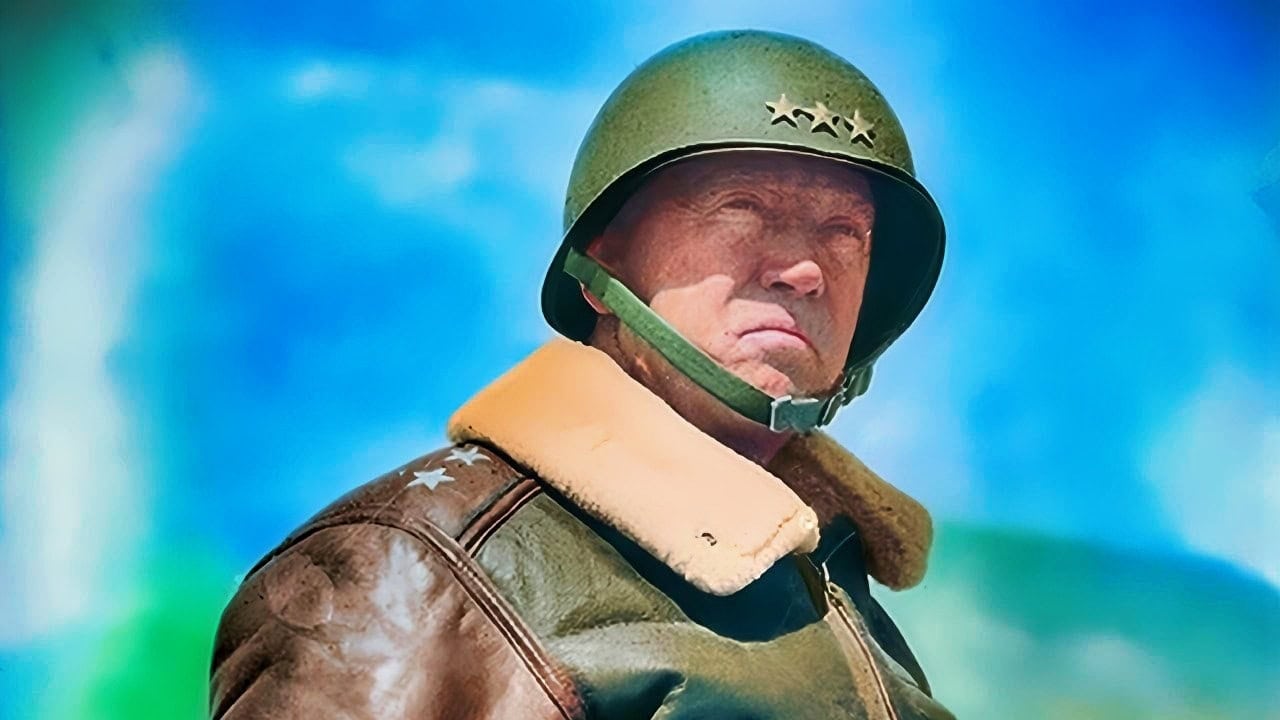
US Army General George Patton Creative Commons Photo
By 1941, Patton had already spent more than 30 years preparing for the war that would make him famous.
Military Pedigree
Patton was born November 11, 1885, in San Gabriel, California, to a wealthy family with a strong military tradition.
Patton’s grandfather and great-uncle had served in the Confederate Army during the Civil War, and Patton grew up fascinated by military history, especially the exploits of famous commanders.
As a child, Patton struggled with reading and spelling—difficulties that probably indicated dyslexia.
Nevertheless, he attended Virginia Military Institute for one year before transferring to the United States Military Academy at West Point in 1904.
He struggled academically, especially in math, and repeated his first year.
Still, he developed a reputation for determination, physical fitness, and military enthusiasm.
He graduated from West Point in 1909, ranked 46th in a class of 103, and was commissioned as a second lieutenant in the cavalry, which was still considered an important component of American military power at the time.
Athlete and Innovator
Patton’s early military career reflected his obsession with physical performance and combat readiness.
He represented the United States in the 1912 Stockholm Olympics, competing in the inaugural modern pentathlon, where he finished fifth overall.
The event included pistol shooting, fencing, swimming, cross-country riding, and cross-country running. Patton excelled at fencing; he studied swordsmanship in France and even developed a new cavalry saber technique.
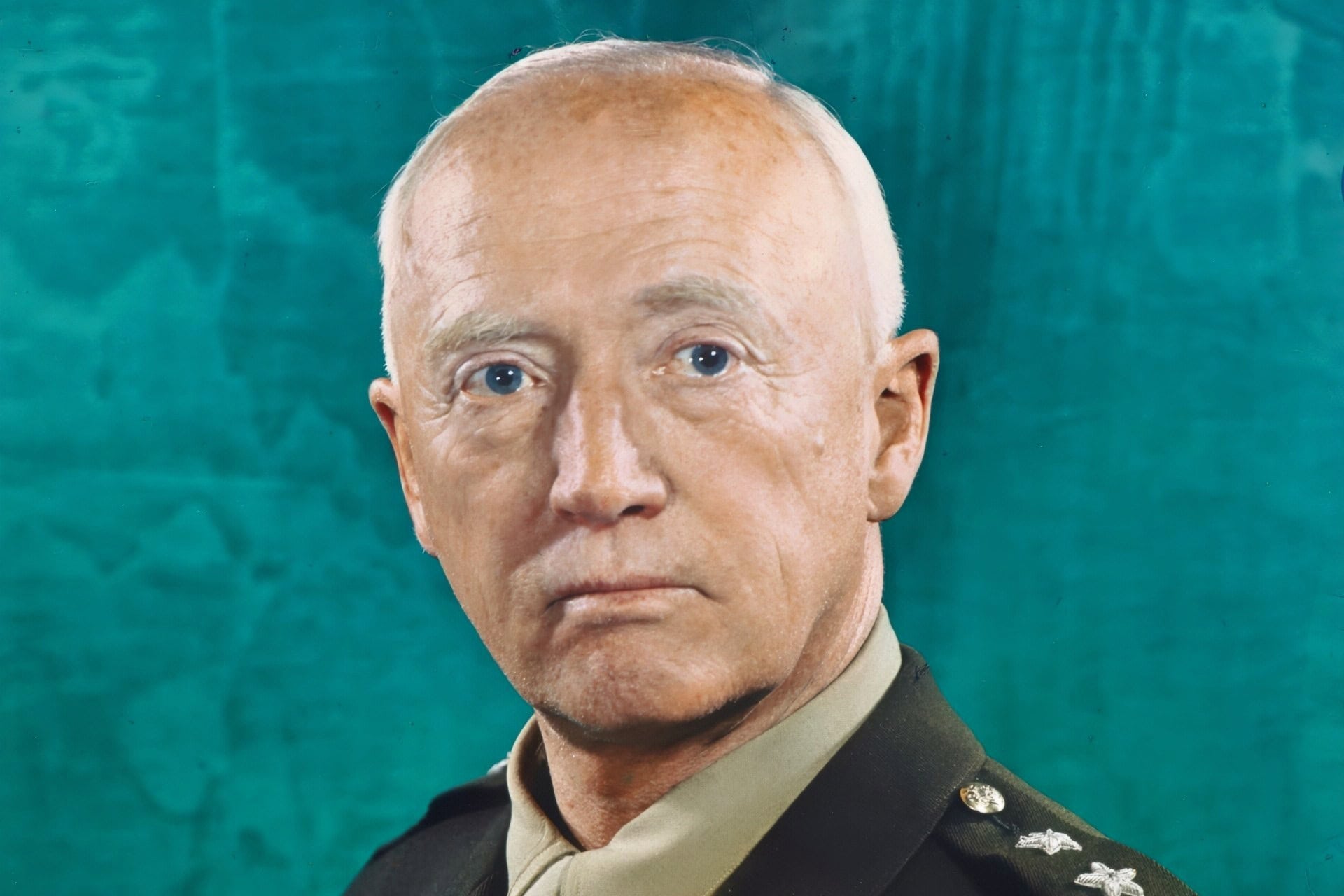
General Patton Portrait. Image Credit: Creative Commons.
He also helped design the Model 1913 Cavalry Saber, commonly known as the Patton saber.
Patton favored thrusting attacks over traditional slashing techniques, a preference often attributed to his direct, decisive action.
First Combat
Patton’s first significant combat experience came during the 1916 punitive expedition into Mexico, which followed revolutionary leader Pancho Villa’s raid on Columbus, New Mexico.
Brigadier General John J. Pershing commanded the operation at President Woodrow Wilson’s behest.
Patton joined Pershing’s staff as a young lieutenant and led a small detachment in search of members of Villa’s organization.
During a confrontation near San Miguelito, Patton’s men killed three Mexican fighters.
The engagement became an early example of American military personnel using motor vehicles; Patton’s detachment used Dodge touring cars rather than cavalry horses.
World War I
Patton accompanied Pershing to Europe after the United States entered World War I in 1917.
Initially, Patton served at headquarters, but he became fascinated by the emerging potential of a new technology: tanks.
Patton helped establish the American Expeditionary Forces’ Tank Corps and commanded American tanks during the Battle of Saint-Mihiel in September 1918.
In 1918, Patton was seriously wounded by machine-gun fire while leading troops forward, yet he continued directing action until evacuated.
He earned the Distinguished Service Cross and Distinguished Service Medal.
The Interwar Years
After World War I, the American military reduced its size and spending, and the Tank Corps was dissolved as a separate organization in 1920, with the tanks placed under infantry control.
Patton returned to cavalry reassignments, but he remained interested in the potential of tanks, so he continued to study them during the interwar years, expecting armored forces to become increasingly important in the near future.
All this, of course, put Patton in a position to be impactful and consequential as a leader when World War II finally erupted.
Over the decades, Patton’s approach to warfare developed through cavalry service, Olympic competition, combat in New Mexico, tank operations in France, and years of professional study—an accumulation of a career’s worth of effort, not a sudden, isolated moment.
When America entered World War II, Patton was prepared and positioned appropriately for the fight.
About the Author: Harrison Kass
Harrison Kass is a writer and attorney focused on national security, technology, and political culture. His work has appeared in Tablet, City Journal, The Hill, The Spectator, and The Cipher Brief. He holds a JD from the University of Oregon and a master’s in Global & Joint Program Studies from NYU—more at harrisonkass.com.