
Patriot sale to Ukraine approved, but first missiles may be years away
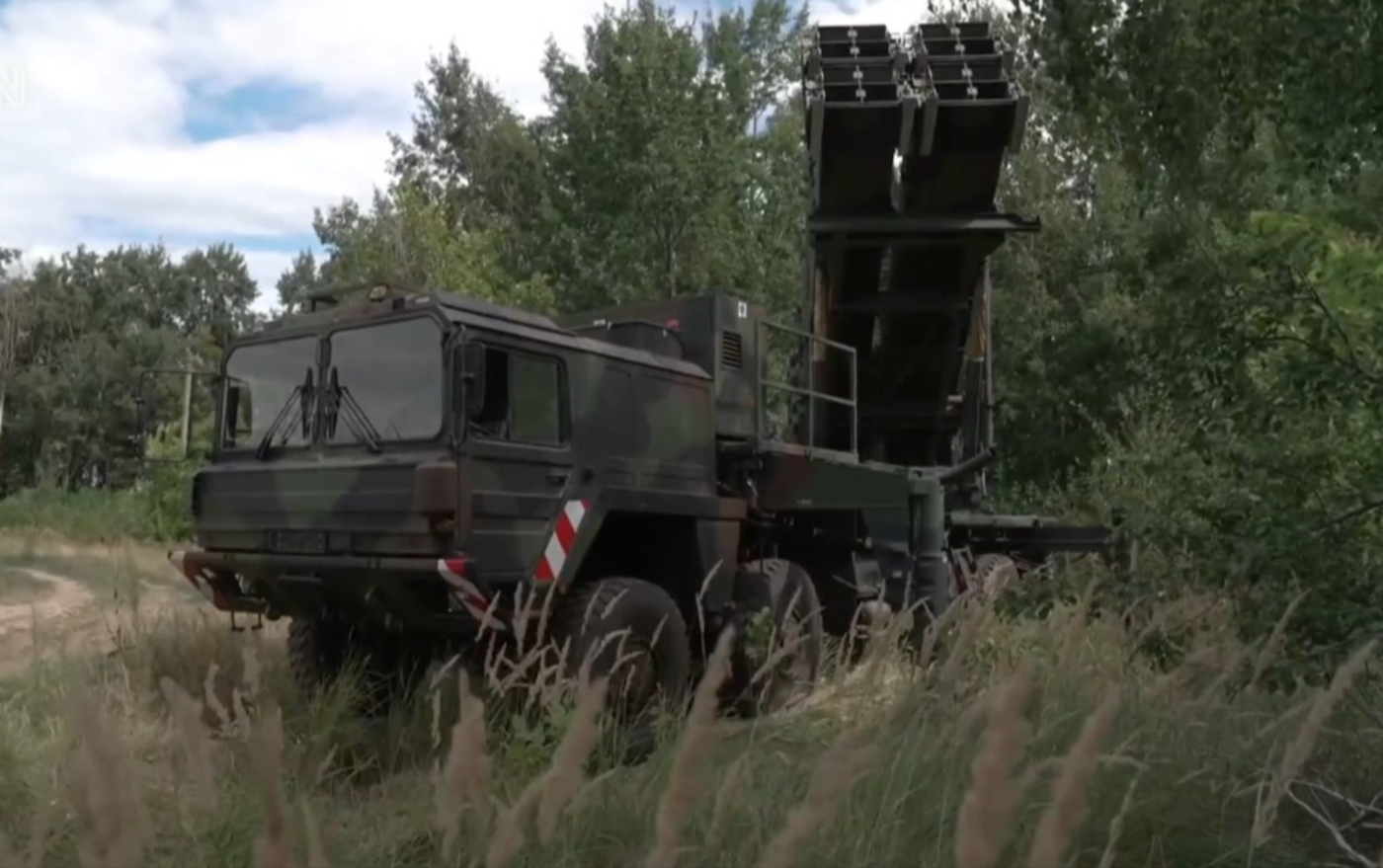
President Volodymyr Zelenskyy says the 500 Patriot PAC-3 MSE interceptors the United States cleared for sale to Ukraine on Oct. 30 will not help this winter, because deliveries may not begin for several years. He asked Washington to send interceptors from existing U.S. and allied stocks now and replace them later from the new production run.
The U.S. State Department notified Congress of the possible $2.1 billion sale on Oct. 30. It is funded by donations from Canada, Germany and Norway through the JUMPSTART mechanism and by Ukrainian national funds drawn from the European Union’s Ukraine Support Loan, with no U.S. money involved. The notification gave no delivery schedule.
“Five hundred PAC-3 interceptors is a substantial number, and very soon – this winter – they COULD make for a highly effective defense package. However, it has been stipulated that deliveries may begin ONLY IN A FEW YEARS,” Zelenskyy wrote on X.
Alex Raufoglu, a correspondent for Radio Free Europe/Radio Liberty, reported that the 500 are new-build missiles and that, according to his sources, deliveries are not expected until after 2030. Neither the State Department nor Lockheed Martin has published a delivery date.
Lockheed Martin built 620 PAC-3 MSE interceptors in 2025, and in January it signed a seven-year framework agreement with the U.S. Department of War to raise annual output from about 600 to roughly 2,000. New Foreign Military Sales orders join a queue that already includes U.S. Army replenishment and earlier buys by Poland, Germany, Japan, Gulf states and other operators. A new case also has to clear congressional review, be turned into a signed letter of offer and acceptance, and be placed on contract before the missiles enter that queue.
Zelenskyy asked instead for a winter package of 100 interceptors a month from existing stocks, which would deliver the equivalent of the 500 approved missiles in about five months, with partners’ arsenals replenished later by the production Ukraine and its allies have already paid for.
“The United States, our European partners, and other partners around the world have sufficient stocks of PAC-3 interceptors in their warehouses. Providing them to Ukraine right now – in the winter of 2026–2027 – and replenishing our partners’ arsenals LATER, in THE FOLLOWING YEARS, through this production already contracted and paid for by Ukraine and our partners would be the right approach,” Zelenskyy wrote.
On Oct. 27, Zelenskyy told journalists that Ukraine had received an average of 12 Patriot interceptors a month from the United States in 2026, a fraction of the 100 a month he is now requesting, while Russia fires roughly 150 ballistic missiles a month that need intercepting. In his post, he said Russia had made more than 30 strikes on critical parts of Ukraine’s power grid in the past two weeks of October alone, targeting electricity, heating and water supplies before winter began.
PAC-3 MSE is the Patriot interceptor Ukraine relies on against ballistic missiles: it destroys its target by direct impact, and its two-pulse motor extends range and altitude against maneuvering threats such as Russia’s Iskander and Kinzhal. Ukraine also uses older PAC-2 interceptors, but Ukrainian officials have repeatedly described PAC-3 as their only effective defense against Russian ballistic missiles. Shortages have pushed Ukrainian crews to engage some ballistic targets with a single interceptor instead of the usual two or more.
In April, Zelenskyy said U.S. deliveries under NATO’s PURL program had not stopped but that Ukraine’s interceptor shortage remained critical. In August, CNN was given access to a Ukrainian Patriot battery that had not fired in six weeks because its launchers had no interceptors to load. On Oct. 19, Ukrainian officials told the Kyiv Independent that U.S. Secretary of War Pete Hegseth had not approved the transfer of a significant batch of Patriot interceptors that Ukraine’s allies had already paid for, and suggested the delay was meant to pressure Kyiv. A U.S. government official called those claims “not true.” The Washington Post reported the same day that the Trump administration had not approved transfers of interceptors from partner countries.
Asked about the delayed transfers, Hegseth said on Oct. 20 that Washington’s posture toward Ukraine had not changed, but that the U.S. military wanted to keep as many interceptors as possible for its own forces. U.S. inventories have been drawn down by the war with Iran that began in February; the Center for Strategic and International Studies has estimated that U.S. stocks of Patriot and other interceptors fell by about half during that conflict. The Hill reported this week that President Donald Trump is weighing new military strikes on Iran after the Nov. 3 midterm elections. U.S. officials have not publicly linked that decision to the interceptor transfers.
Citing NATO sources, Euronews reported that allies were pessimistic about Ukraine receiving more interceptors before the midterms, and that NATO Secretary General Mark Rutte had asked Greece and Spain to hand over some of their own interceptors without success.
In September, the European Commission approved €6.1 billion in defense procurement for Ukraine, including PAC-3 interceptors bought under a special exception to the EU loan’s preference for European-made weapons, though it did not disclose how much went to Patriot missiles.
“We are asking for decisions that can guarantee the protection of lives not the day after tomorrow or sometime later, but at the very moment the threat is there – when Russia is killing and destroying,” Zelenskyy wrote.
Zelenskyy thanked President Donald Trump, the State Department and Secretary of State Marco Rubio, with whom he said he had recently discussed PAC-3 interceptors. Washington has not responded publicly to his request for interim deliveries, and the delivery schedule for the 500 missiles approved on Oct. 30 remains undisclosed.
Content preview only. Full article available at source. View Full Article
The U.S. approved the sale of 500 PAC-3 MSE interceptors to Ukraine, but deliveries may not start until after 2030. President Zelenskyy requested immediate transfers from existing stocks to address urgent defense needs as Russia escalates missile strikes. Currently, Ukraine receives only 12 interceptors monthly, significantly less than the 100 requested.
- The U.S. approved the sale of 500 PAC-3 MSE interceptors to Ukraine on October 30, 2023.
- Deliveries of the interceptors may not begin for several years, potentially after 2030.
- Zelenskyy requested immediate delivery of interceptors from existing U.S. and allied stocks.
- Ukraine currently receives an average of 12 interceptors per month, far below the requested 100.
- Russia has increased missile strikes on Ukraine's infrastructure, necessitating immediate air defense support.