
PLA Taiwan Strait joint combat readiness patrols twice a week, 29 aircraft breaches expose system pressure
 Li Minghui
PLA Conducts Joint Combat Readiness Patrols in the Taiwan Strait Twice a Week, 29 Incursions Expose System Pressure
In the morning report from the Taiwanese military on May 26, there was a number more interesting than the headline: from 6 AM on May 25 to 6 AM on May 26, the Taiwanese side recorded 29 incursions by PLA military aircraft, 7 naval vessels, and 1 civilian ship operating around Taiwan, of which 24 incursions crossed the so-called median line of the strait and its extended line, entering the northern, central, southwestern, and eastern airspace. In other words, this is not a single-point harassment, but a simultaneous pressure from all sides.
Changes in the Rhythm of Twice-a-Week Operations
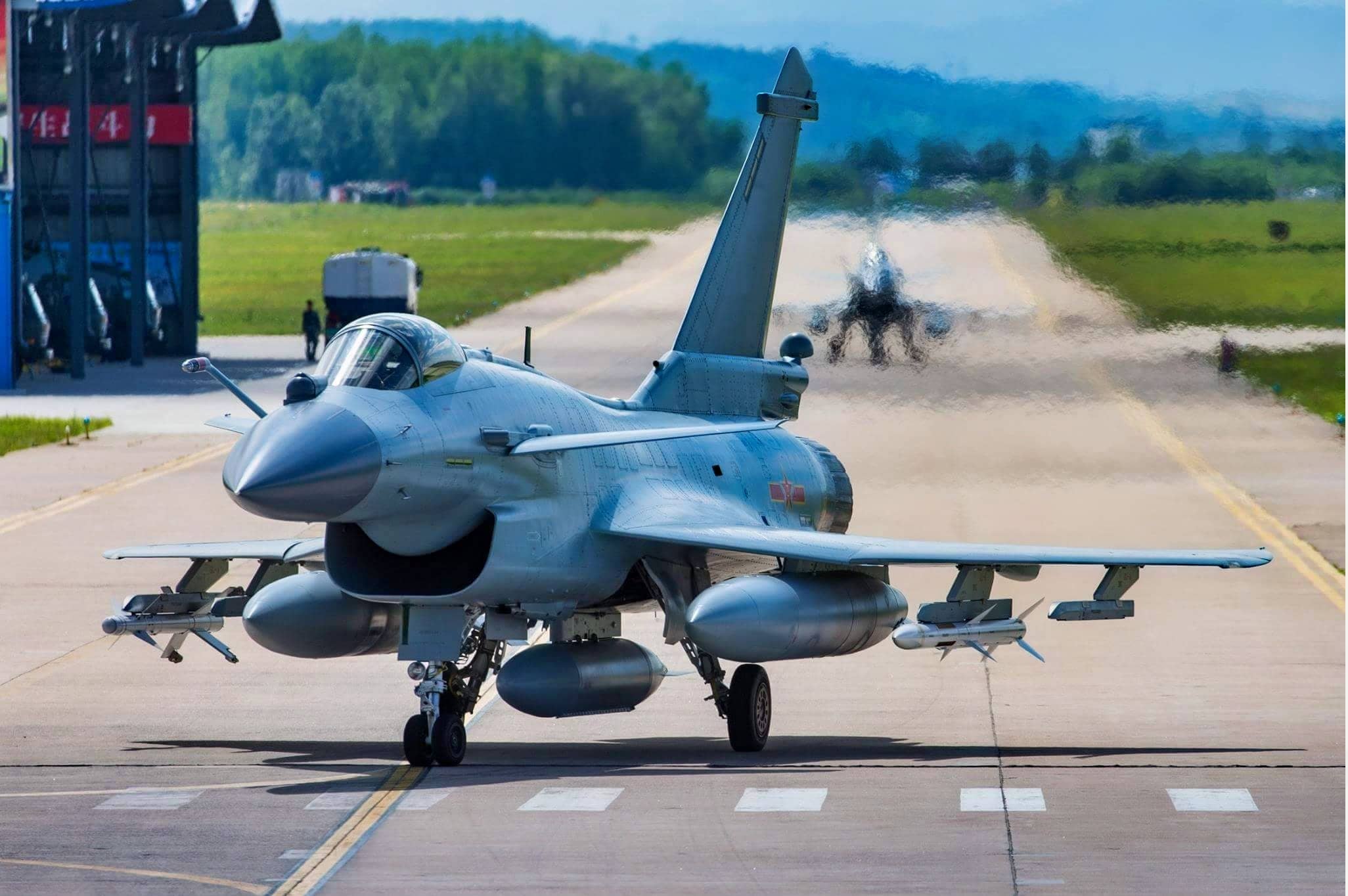
On May 26, Reuters reported that the Taiwanese side stated this was the second time the PLA organized so-called joint combat readiness patrols around the Taiwan Strait within a week. A press release from the Taiwanese military on May 19 listed 22 military aircraft, including J-10, J-16, KJ-500, and drones, of which 11 crossed the median line. By the evening of the 25th, the Taiwanese side reported detecting 21 military aircraft, including J-16s and drones, which coordinated with naval vessels for operations. By the morning summary on the 26th, the number rose to 29 incursions, with a crossing ratio of about 83%.
This ratio is more noteworthy than the total number of incursions. In the past, air activity in the Taiwan Strait was often interpreted as "how many aircraft came today," but from a combat training perspective, what truly reflects intensity is the coverage of flight routes, the combination of aircraft types, and the duration of operations. The J-16 is responsible for air superiority and maritime strike, the J-10 series can undertake air interception, the KJ-500 provides aerial command, and drones are suitable for extended surveillance. The appearance of several types of platforms together indicates that the PLA is not merely making a political display, but is repeatedly rehearsing the generation of joint air and maritime situations.
The Key to Joint Air and Sea Operations Is Not How Far They Fly
Many commentators like to focus on "crossing the median line." I believe this terminology is somewhat outdated. The so-called median line was never a hard boundary; the PLA has gradually compressed it into a routine training line in recent years. More critically, after military aircraft cross the line, whether they can form a closed loop with naval vessels, shore-based radar, electronic reconnaissance, and the rocket force strike chain is essential. The Taiwanese side recorded 7 naval vessels and 1 civilian ship simultaneously this time, indicating that the pressure does not only come from the air.
During a routine press conference on May 9, the Chinese Ministry of Defense emphasized that the PLA would take practical actions to maintain sovereignty and territorial integrity regarding recent actions in the Taiwan Strait. The official wording did not specify the exact formations, but from the publicly available data from the Taiwanese side, the Eastern Theater Command is turning "patrols" into a low-threshold, high-frequency combat readiness subject. In simple terms, they are not waiting for large-scale exercises to organize multi-service coordination, but are breaking down coordinated actions into regular practice.
Taiwan's Air Defense System Forced to Deplete Resources
The Taiwanese military's response remains the same: task aircraft, naval vessels, and shore-based missile systems. The problem is that this response consumes flight hours, vessel availability, and radar operating time each time. The 29 incursions alone cannot overwhelm Taiwan's air defense, but if this rhythm occurs twice a week and multiple times a month, the pressure will shift from "tactical interception" to "maintenance and standby costs." This is the consumption logic that the PLA is most familiar with.
- Airborne: J-16, J-10, and KJ-500 form a combination of air superiority, command, and surveillance.
- Maritime: Destroyers can push radar and anti-ship firepower closer to Taiwan's offshore edge.
- Information: Drones provide low-cost, long-endurance surveillance, forcing the Taiwanese military to continuously interpret target intentions.
It is also necessary to temper expectations. Public information is still insufficient to prove that the PLA has completed a true joint combat operation closed loop. What the Taiwanese side sees is platform activity, not the quality of data links, command levels, and ammunition deployment status. Calling every patrol a "blockade rehearsal" is not rigorous; it resembles a continuously increasing training template.
The Real Highlight Is in the Next Formation
This morning, Li Minghui already wrote about the 054B Luohhe ship's first crossing of the Miyako Strait, focusing on the shortcomings of distant sea escort. This time, the Taiwan Strait patrol is different, emphasizing the Eastern Theater Command's integration of air, maritime, and law enforcement forces around Taiwan. Viewed together, the PLA is doing two things: reinforcing the naval vessel system in distant seas and increasing the frequency of patrols in nearby seas.
What is most worth watching next is not how many incursions there will be next time, but whether the Taiwanese side continues to report the Y-20 refueling aircraft, electronic jamming aircraft, or more drones entering the same patrol. If these support platforms appear consistently, it indicates that the PLA is rehearsing not just pressure around the island, but is closer to a sustainable campaign-level air and maritime control. Public information is not yet conclusive; the real question is: will the next Taiwanese report feature a more complete support aircraft group?
Main sources: Public reports from Taiwan's defense department on May 19 and May 26, Reuters report on May 26, and the Chinese Ministry of Defense's routine press conference on May 9.
The People's Liberation Army (PLA) conducted joint readiness patrols around Taiwan, with 29 aircraft and 7 naval vessels recorded in the area from May 25 to 26, 2023. Notably, 24 aircraft crossed the median line of the Taiwan Strait, reflecting a significant increase in military activity. This marked the second such operation within a week, showcasing a coordinated effort involving various aircraft types, including J-10s and J-16s.
- 29 PLA aircraft and 7 naval vessels were recorded around Taiwan from May 25 to 26, 2023.
- 24 aircraft crossed the median line of the Taiwan Strait, indicating increased military pressure.
- This was the second joint readiness patrol by the PLA in a week, with a notable increase in aircraft incursions.
- The types of aircraft involved included J-10, J-16, KJ-500, and drones, indicating a coordinated military exercise.
- Taiwan's defense response involved the use of aircraft, naval vessels, and missile systems.