
Radar Lock-On, Naval Gun Strike! Direct Coverage of the Wenshan Ship's Full Training Assessment at Sea
Recently, the Navy's Wenshan ship headed to a certain sea area in the South China Sea to conduct a comprehensive maritime training assessment, focusing on testing the ship's rapid response capability and joint operational capability in a combat context.
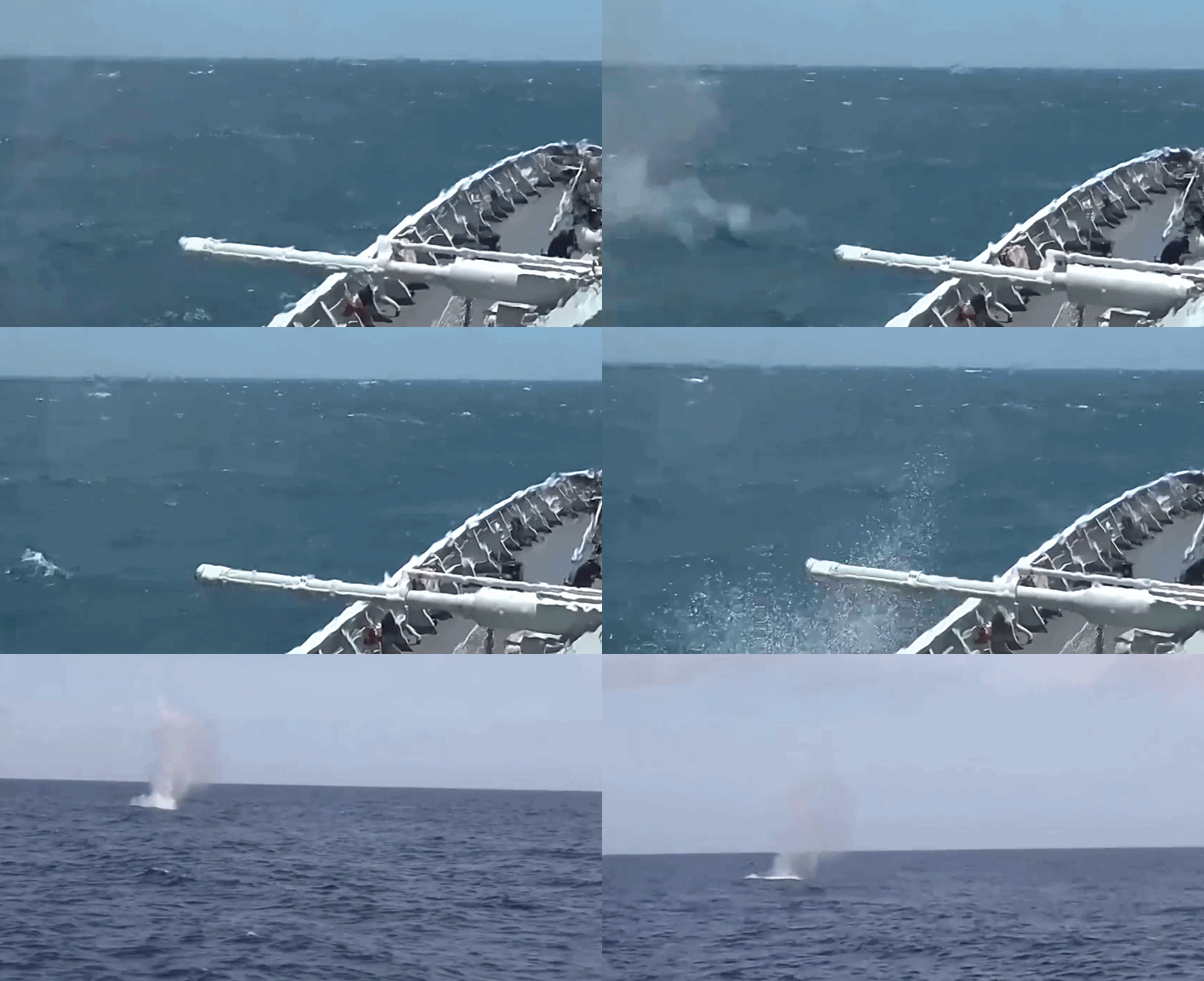
During the voyage, the assessment team issued an enemy situation report on the spot, and the officers and soldiers of the Wenshan ship quickly rushed to their battle stations. The ship maneuvered rapidly towards the forward sea area and used reconnaissance means such as radar to enhance the search for the target. After a period of search and identification, the target was firmly locked by the radar, and the ship's commander decisively ordered the organization of naval gunfire to carry out a strike on it.
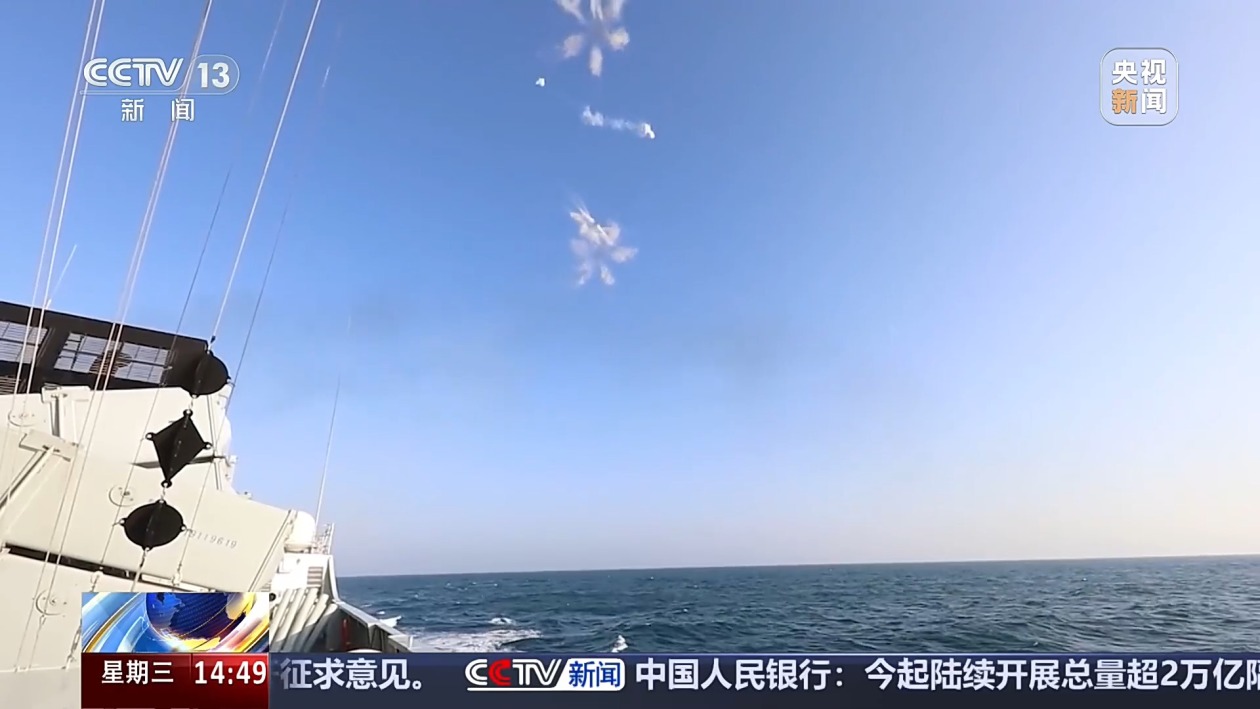
From target detection to target destruction, all positions coordinated closely and collaborated efficiently, successfully destroying the target. During the multi-day assessment, the assessment team also conducted evaluations on various subjects for the Wenshan ship, including "enemy" unmanned boat attacks, damage control and rescue, and on-the-spot inspections and captures.
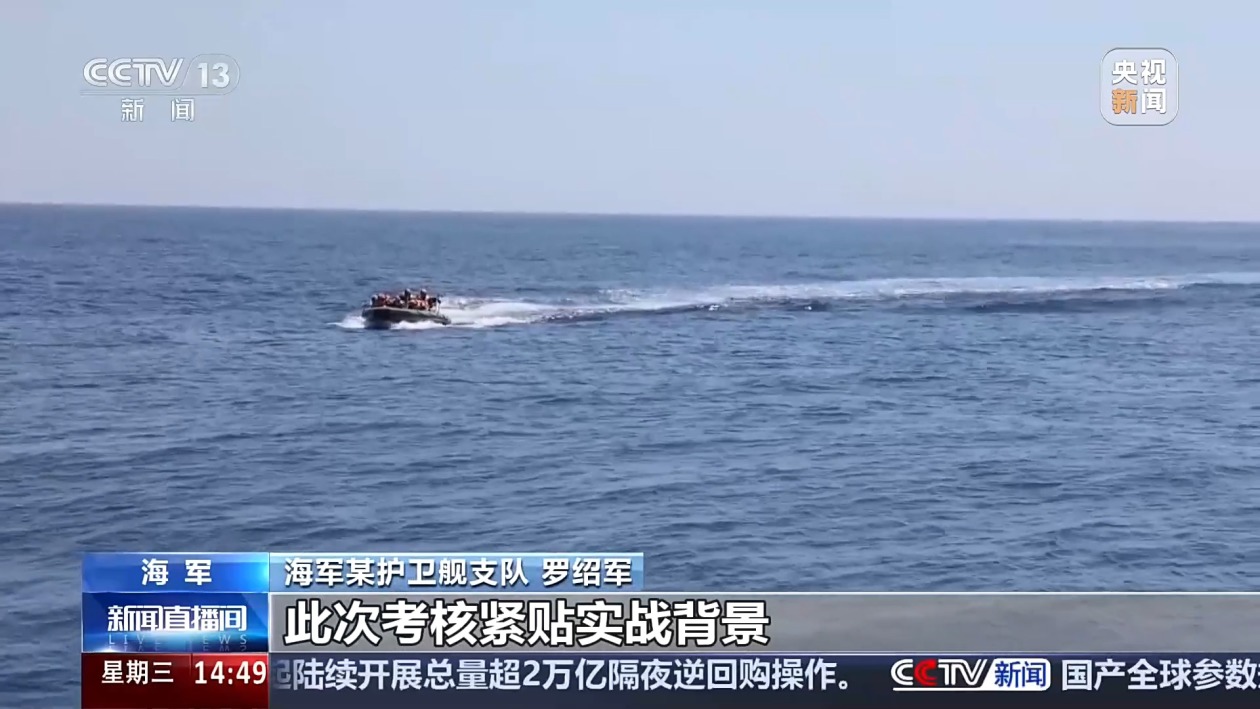
Naval Frigate Team Leader Luo Shaojun: This assessment closely aligns with real combat scenarios, with various forces cooperating closely, setting strict and challenging subjects, and dynamically directing multiple situations to test the entire crew's ability to handle special and emergency situations, as well as the ship's capability to perform diversified military tasks.
The Wenshan Ship of the Navy conducted naval training exercises in the South China Sea, focusing on rapid response and coordination against simulated enemy threats. The crew successfully utilized radar to lock onto targets and executed artillery strikes, demonstrating effective collaboration. Various scenarios, including drone attacks and damage control, were assessed over several days.
- Wenshan Ship conducted naval training exercises in the South China Sea.
- The crew demonstrated rapid response and coordination during simulated enemy attacks.
- Radar was used to lock onto targets for artillery strikes.
- Multiple training scenarios were executed over several days.