
Reactive "Geraniums" and "Iskanders" Instead of a Plan — Russian Defense Industry Restructures Conveyor for Winter Campaign
 Dmitri Volkov
Reactive "Gerans" and "Iskanders" instead of a plan — the Russian defense industry is restructuring the conveyor for the winter campaign
The annual plan for "Zircons" and "Onyxes" was completed by August 3 — five months before the end of the year. In the first seven months of 2026, 33 "Zircons" and 60 "Onyxes" were produced, and in July, the Russian army launched 198 ballistic and hypersonic missiles at Ukraine — the maximum for the year. Add to this 1,400 reactive strike drones since January compared to 180 for the entire year of 2025 (according to a briefing at the State Research Institute for Testing and Certification of Arms of Ukraine on August 10).
This is not a picture of an exhausted industry. This is a picture of a conveyor that was stopped, disassembled, and reassembled — for a specific task. The task is called "winter 2026/2027".
Numbers that do not fit the narrative of exhaustion
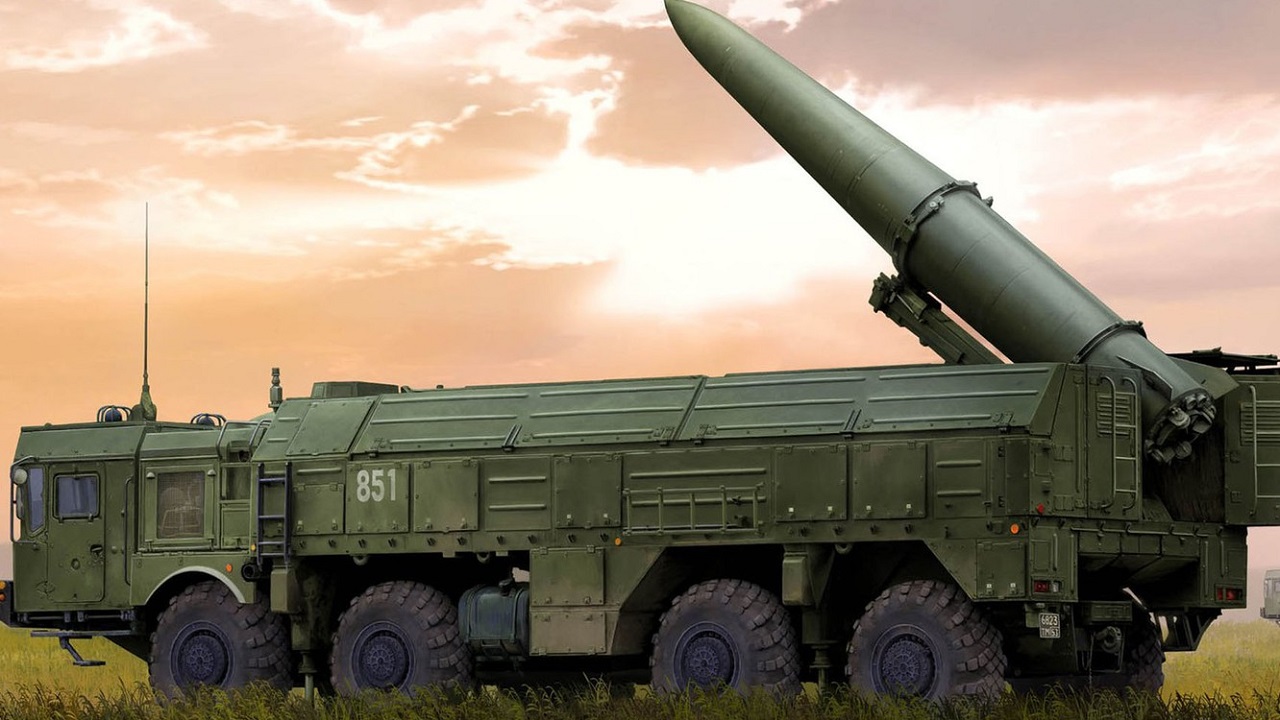
Deputy Head of the GUR Vadim Skibitsky reported to RBC-Ukraine on August 10: Russian enterprises are producing the main types of missiles at 110–120% of monthly plans. In July, 87 X-101s were produced against a plan of 72 (140%), 29 "Kalibrs" against a plan of 26 (111%), and X-35s — at 200% of the plan. The monthly lineup looks like this: 87 X-101s, 60–65 "Iskanders" 9M723, 29 "Kalibrs", 8 "Onyxes", 5 "Zircons".
There is a detail worth reading slowly: most new missiles are not going to storage but straight into combat. The stocks of "Iskanders" allocated to the troops are about 130 units as of August 5. "Dagger" and X-32 production has been completely halted since April — resources have been redirected to other systems. And finally, a new development: ballistic missile PM-48U has started to be used from S-400 launchers, with an August plan of about 40 units and a stockpile of approximately 400 units.
Drone conveyor — from piston "Shaheds" to reactive "Gerans"
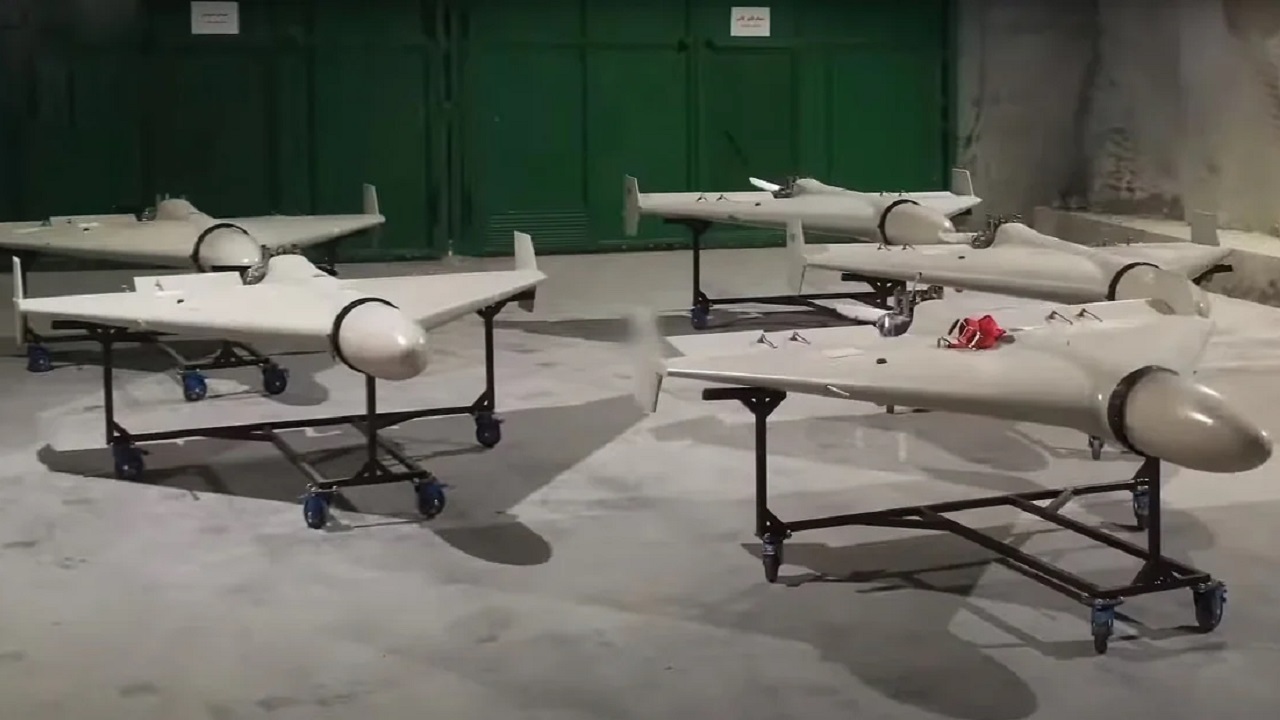
The most significant shift is in the drone segment. The August plan for the "Geran", "Garpia", and "Gerbera" families is 11,000 units per month. In July, the intensity of strikes decreased: factories halted lines to reconfigure them for turbojet "Geran-4" and "Geran-5". In one of the recent raids, reactive devices accounted for half of all launched drones (according to GUR data).
The logic is simple and ruthless. Piston "Shaheds" have become easy prey over two years: Ukrainian interceptors costing two to three thousand dollars and mobile fire groups shoot them down by the hundreds. The reactive "Geran-3" (also known as Shahed-238) flies at a speed of 350–550 km/h with a range of up to 1500 km; "Geran-4" carries 50 kg over 850 km; "Geran-5" is a six-meter device with a turbojet engine TeleFly TF-Tj2000a (according to Militarnyi, August 10–11). To intercept such targets, not cheap FPVs are needed, but anti-aircraft missiles — or fundamentally different interceptors.
Commander-in-Chief of the Armed Forces of Ukraine Oleksandr Syrskyi confirmed the direction: Russia plans to increase the share of reactive drones to 50% of the strike fleet. This is not an experiment — this is a production program.
Why the restructuring is happening in August
ISW noted on August 8 a signal: Moscow may begin the 2026/2027 campaign against Ukrainian energy as early as August, rather than in September as last year — to take advantage of the shortage of interceptors in Ukraine. In the winter of 2025/2026, Russian strikes damaged or destroyed facilities that provided about 80% of generation; the capacity deficit is about 6 GW (Prime Minister Denys Shmyhal).
On August 10, ISW stated more harshly: the Kremlin believes it can use the lack of interceptors to avoid substantive negotiations altogether. The reduction in Patriot interceptor supplies is a factor that drags the war into 2027.
On August 11, Zelensky publicly called what is happening a preparation for escalation, not for peace: an increase in ballistic missile production, North Korean equipment, mobilization preparations. On Monday, Zaporizhzhia was shelled by North Korean ballistic missiles — six dead, 19 wounded (CNBC, August 11).
Institutional view — the conveyor as a mirror of the system
"Overfulfilling the plan" by 110–120% is pure Soviet production culture, and it has not gone anywhere. But behind this lies a more important decision: the economy operates as a conveyor of current consumption, not as a reserve accumulator. A missile goes into combat in the same month it comes off the line. This can be read as confidence in supplies — or as an acknowledgment that the system cannot afford a pause in strikes.
There is also a second crack in the picture. According to GUR, critical components — including dual-use ones — continue to arrive through chains linked to Europe, the USA, China, Japan, Taiwan, and South Korea. The sanctions regime restrains but does not stop. The halt in the production of "Daggers" and X-32s while increasing "Iskanders" and PM-48Us is not a collapse but a rational redistribution: Moscow is voting with money for those systems that can bypass Ukrainian air defense.
The only thing that deviates from the logic of "everything into battle" is the "Kalibr": new missiles are going to the fleets. The fleet is being completed while the land segment is working to exhaustion. This is perhaps the most underestimated signal of what forces Moscow considers long-term.
Russia enters the winter of 2026/2027 not with an depleted arsenal, but with a restructured conveyor. All the arithmetic relies on one assumption — that the shortage of interceptors in Ukraine will persist. If this assumption collapses, 110% of the plan will turn into ordinary resource burning, and then the second half of winter will be more expensive for Moscow than the first.
Russia is restructuring its military production for the winter campaign of 2026/2027, significantly increasing the production of ballistic and hypersonic missiles, as well as drones. In July, the Russian Armed Forces launched 198 missiles, the highest number in a year, while also producing 1400 reactive strike drones. Most new missiles are being deployed directly into combat rather than stored, indicating a shift in military strategy. The production of Iskanders and RM-48U missiles has also surged, with plans to increase the share of reactive drones in the strike fleet.
- Russia has launched 198 ballistic and hypersonic missiles in July, the highest in a year.
- 1400 reactive strike drones have been produced since January 2026.
- Production of Iskanders and RM-48U missiles has increased significantly, with most new missiles going directly into combat.
- The Russian military plans to increase the share of reactive drones to 50% of its strike fleet.
- Critical components continue to arrive through supply chains linked to Europe and the US.