
Receiving a Secret Mission, He Changed His Name and Concealed His Identity... 11 Years Later, He Flies Over Tiananmen!

1938
A group of Red Army veterans, with an average education level of only elementary school,
came to Xinjiang to learn to fly.
The flight instructor poured cold water on them,
“You will never enter the aviation industry in your lifetime.”
But they refused to believe it.
……
Eleven years later, at the founding ceremony,
he flew over Tiananmen!
Changing names, hiding identities
He entrusted his party certificate to learn to fly
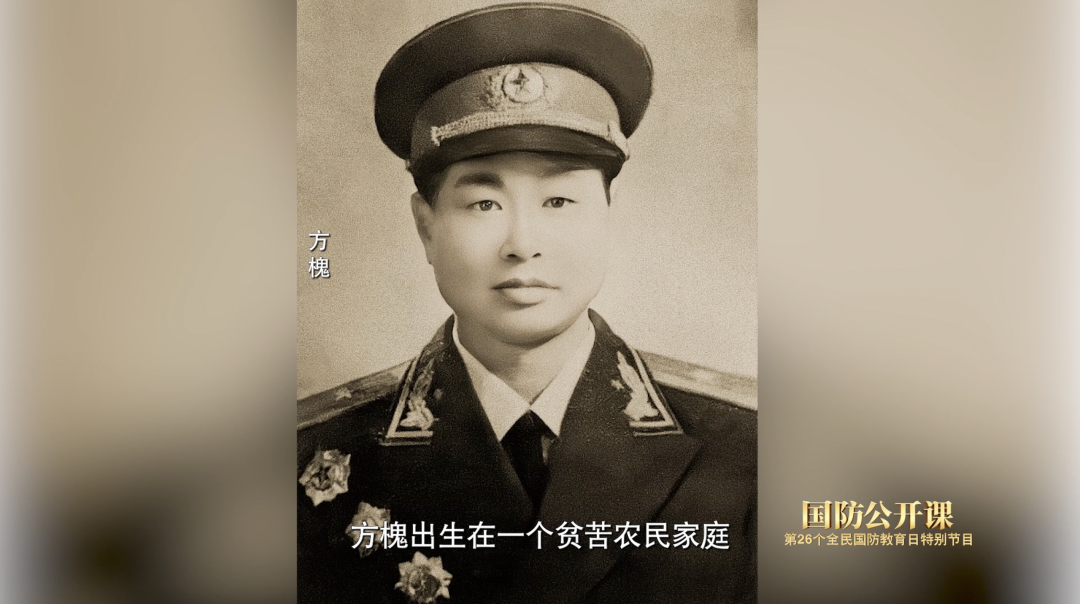
Fang Huai was originally named Lai Fanghuai.
Born in 1917 in
a poor farming family in Yudu, Jiangxi,
he had only attended two years of private school.
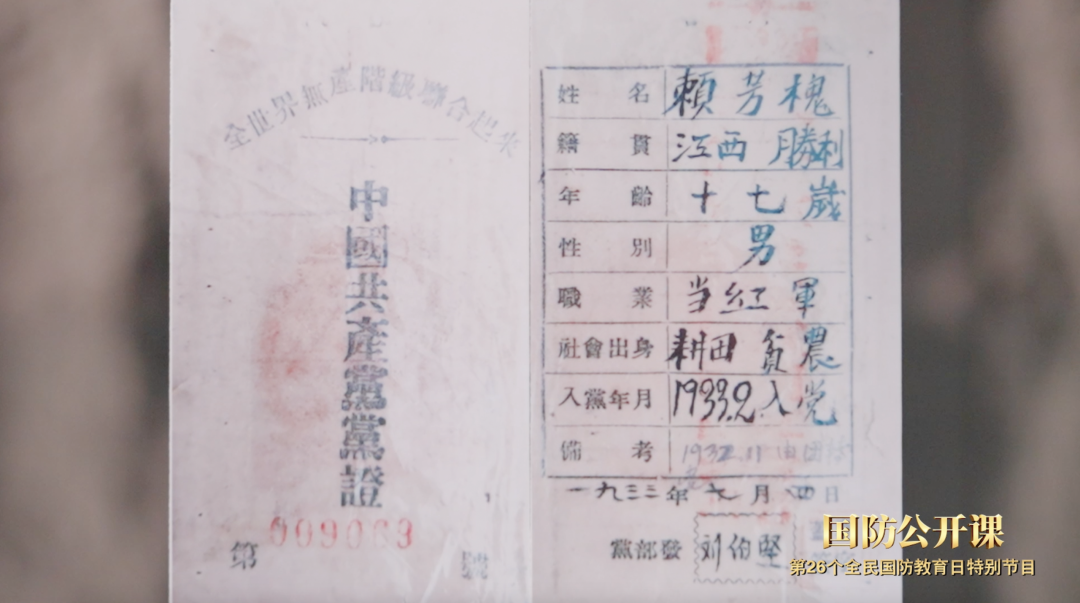
He joined the Red Army in 1932
and became a member of the Communist Party of China in 1933.
He walked the long march.
In 1937,
while studying at the Anti-Japanese Military and Political University, Lai Fanghuai
received a secret mission
to go to the Xinjiang Border Defense Supervision Office's aviation team
to learn aviation technology
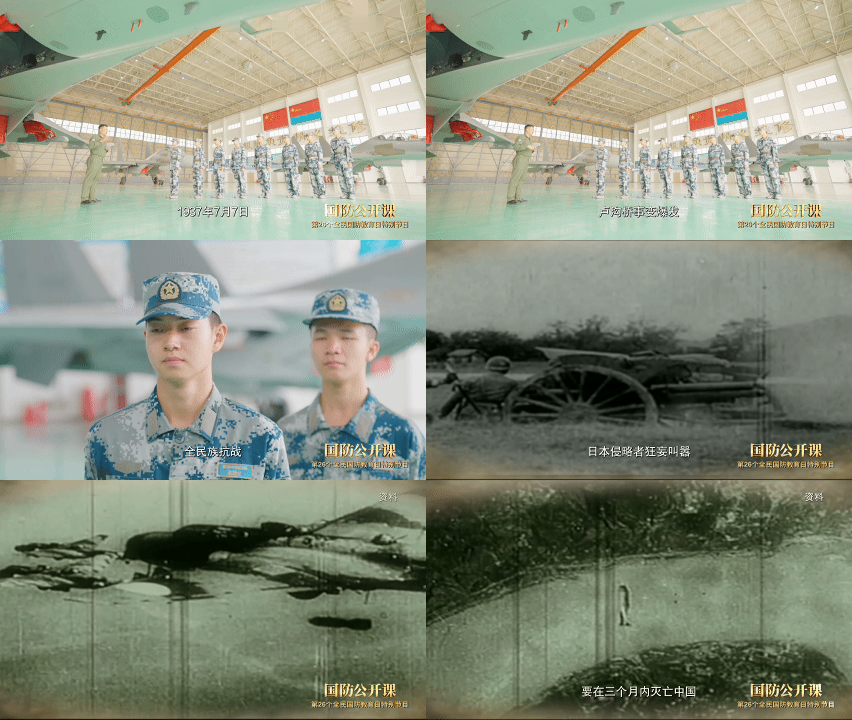
At that time, the nationwide anti-Japanese war had already broken out.
Lai Fanghuai and his comrades understood deeply
that the Party Central Committee sent them to learn
to prepare the backbone for the future construction of the people's air power.
They also longed to resist foreign aggression
and prevent their compatriots from suffering from the ravages of invaders.
In January 1938,
they resolutely embarked on the journey westward.
According to organizational confidentiality regulations,
students had to conceal their true identities.
Lai Fanghuai thus took the alias Fang Huai.
Before leaving,
he entrusted his party certificate, which had accompanied him through the Long March,
to his comrade Chen Heqiao for safekeeping.
He solemnly instructed,
“If I sacrifice, keep it as a memento;
if I can survive and reunite, return it to me in person.”
It was not until after the founding of New China
that Chen Heqiao returned the party certificate,
wrapped in layers of oil paper, to him.
“Marching towards culture with a fighting posture”
He finally flew over Tiananmen.
Most of the students learning aviation technology with Fang Huai
came from poor working-class backgrounds,
with an average education level of only elementary school,
and almost no foundation in mathematics and physics.
Under the conditions at that time,
mastering aviation technology was an unimaginable task.
At first, during classes,
they often could not understand the technical terms.
The instructor angrily said,
“You will never enter the aviation industry in your lifetime.”
But the students did not get discouraged.
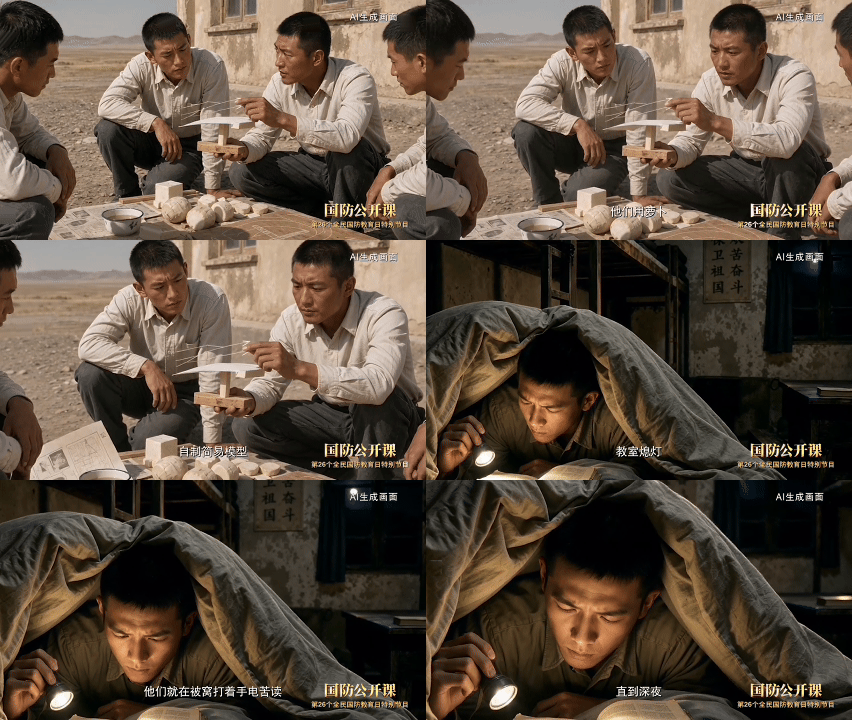
Instead, they “marched towards culture with a fighting posture.”
Due to a lack of teaching aids,
they made simple models using radishes and wooden blocks.
When the classroom lights went out,
they studied hard with flashlights in their beds until late at night.
In the end,
they became the first batch of Red pilots and mechanics of the Communist Party of China.
Before and after the establishment of the People's Air Force,
the personnel who studied aviation technology in Xinjiang,
as the “backbone of the Red Air Force,”
made important contributions to the creation and development of the Air Force.
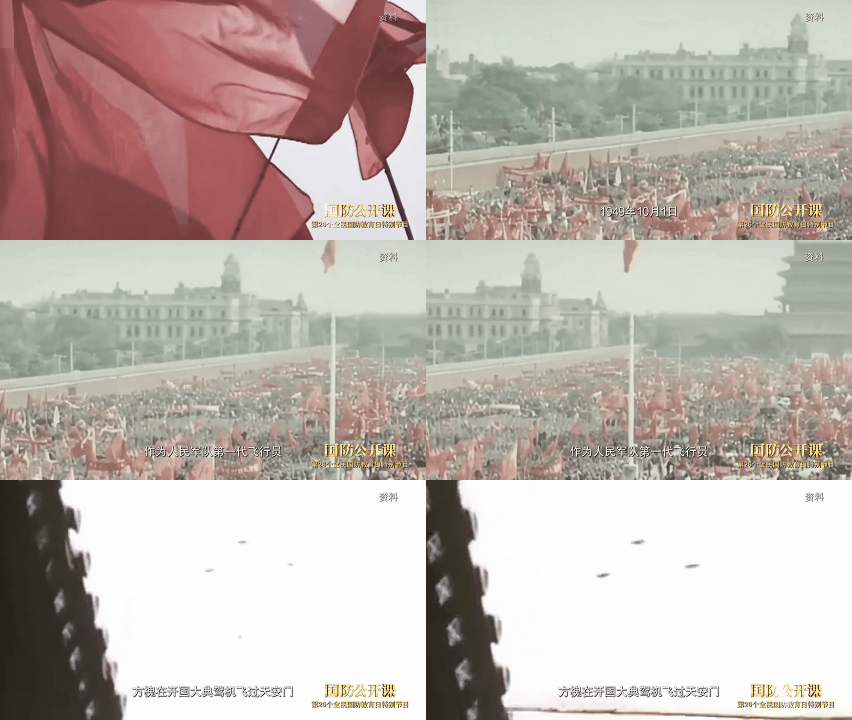
On October 1, 1949,
as the first generation of pilots of the People's Army,
Fang Huai flew over Tiananmen at the founding ceremony.
At that moment,
300,000 people in Tiananmen Square
looked up at the sky and cheered joyfully.
On February 16, 2019,
Fang Huai passed away in Wuhan at the age of 102.
This alias, which accompanied him throughout his life,
witnessed the mission and responsibility he carried.
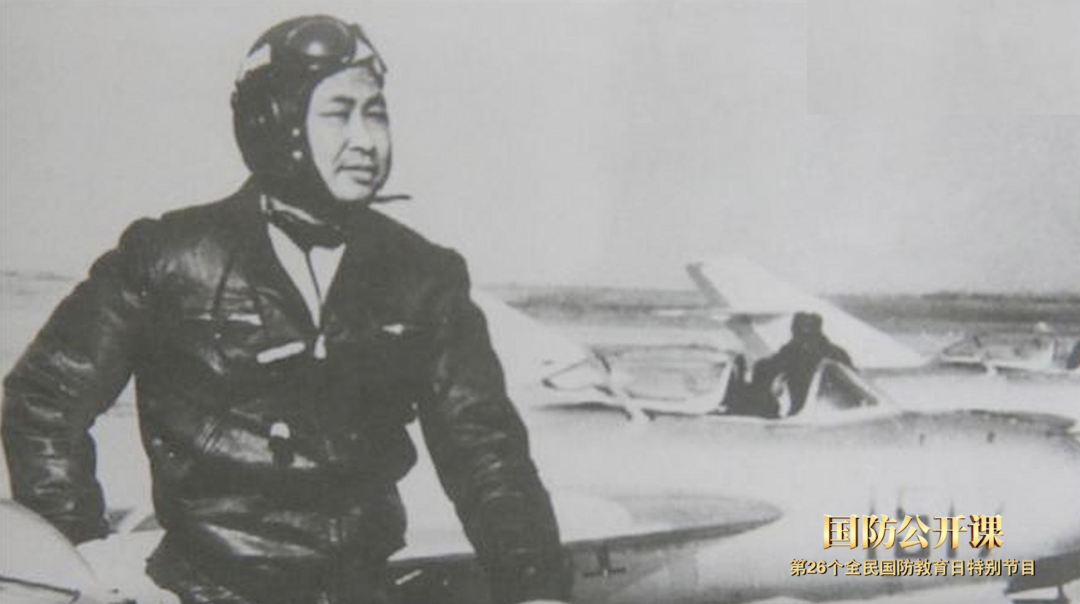
Hiding his name and keeping his original intention, overcoming difficulties to learn to fly,
the revolutionary predecessors represented by Fang Huai
used their lifelong commitment to interpret what loyalty means.
Generations of aerospace guardians continue to fight,
wherever the interests of the motherland lie,
the trails of war eagles extend there.
Salute!
A group of Red Army personnel learned aviation technology in Xinjiang and, on October 1, 1949, Fang Huai flew over Tiananmen Square during the founding ceremony of the People's Republic of China. This event marked a significant achievement for the newly formed air force, showcasing the dedication and resilience of the pilots despite their humble beginnings and educational challenges.
- A group of Red Army personnel learned aviation technology in Xinjiang.
- They were tasked with building the future air force of China.
- On October 1, 1949, a pilot named Fang Huai flew over Tiananmen Square during the founding ceremony.
- Fang Huai was originally named Lai Fanghuai and was born in 1917.
- The group faced significant challenges due to their lack of formal education.