
Rocket Force Procurement Disciplinary Violation Clue Collection Continues Until November 30, PLA Missile Equipment Supply Chain Rectification Enters Deep Water Zone
 Li Minghui
Rocket Force Procurement Disciplinary Clue Collection Continues Until November 30, PLA Missile Equipment Supply Chain Rectification Enters Deep Water
On August 25, an easily overlooked detail appeared in the news about the Rocket Force's procurement rectification: the targets for collection are not just military personnel, but also suppliers, bidding agents, and evaluation experts. The scope of reporting is not limited to contract signing, but extends from demand formulation, evaluation, performance, all the way to online procurement. I believe this is more noteworthy than simply investigating a few generals, as it indicates that the rectification has shifted from "catching people" to "checking processes," and process issues often explain readiness shortcomings better than individual problems.
This Collection Targets More Than One Link
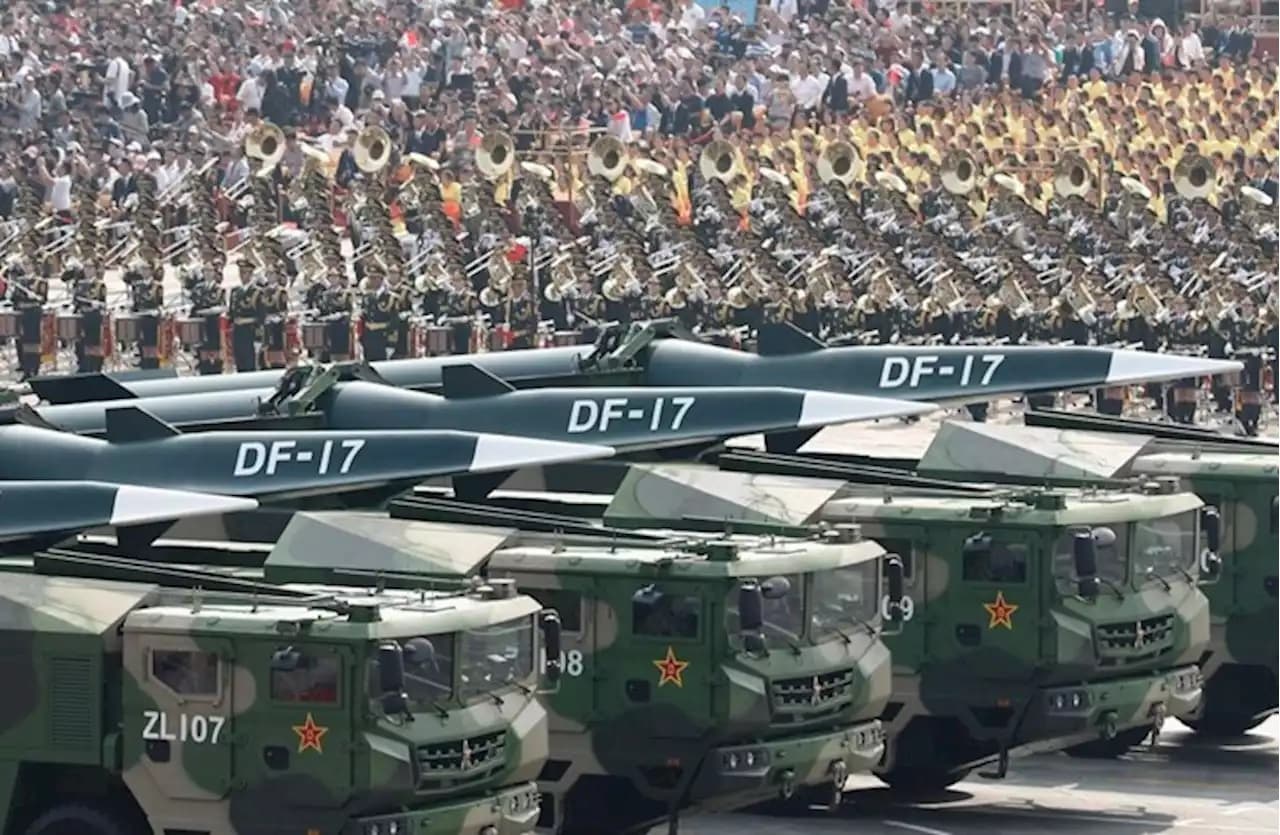
According to announcements from the China Military Procurement Network and reports from the South China Morning Post, this clue collection will end on November 30 and covers categories such as goods, services, engineering, food, and medical support. In simple terms, this is no longer just about investigating the missile itself or a specific model's components, but rather about examining the entire support chain. The deterrent capability of the Rocket Force appears to be the Dongfeng series missiles and launch vehicles, but what truly determines reliability behind the scenes are components, special materials, mobile support vehicles, site engineering, communication maintenance, and logistical supplies. If there are manipulations in these links, the problems that arise may not be the test launch footage, but rather wartime supplies, failure rates, and launch rhythms.
Why This Has a Greater Impact on Modernization
The Dongfeng-17 launch training footage released in July was interpreted by the outside world as a signal of the Rocket Force regaining confidence, and Defense News also noted that the public content highlighted mobility, deployment, and systematic launches. However, what the video can show is "capability," while the procurement rectification needs to address "whether it can consistently maintain that capability." These two are not the same. Over the past two years, the senior leadership of the Rocket Force and the equipment procurement system have been in continuous turmoil, and the outside world is most likely to focus on personnel lists. However, from an engineering perspective, the more troublesome issues are whether procurement standards have been artificially relaxed, whether acceptance has been merely a formality, and whether the quality of spare parts has been compromised by low bids. This is akin to equipping a sports car with unknown parts; it may work fine for a short sprint, but prolonged high-intensity use will eventually reveal the flaws.
What to Watch Next Is Not the Slogans but the Delivery Rhythm
Another crucial detail in this announcement is that a similar collection notice was issued by the Air Force system in December 2025, and now it is the Rocket Force's turn, indicating that the internal rectification has shifted from individual accountability to a cross-service institutional review. My judgment is that the next phase worth monitoring is not which general is named next, but whether the training frequency of missile brigades, engineering construction deliveries, and the transparency of support procurement will be restored in sync. If in the coming months there are more reports of launch training and more detailed information on post-installation support, it would indicate that the rectification is beginning to translate into combat capability; if there are only anti-corruption statements without ongoing training signals, then this supply chain operation may not have reached the most painful point yet.
The Rocket Force of the People's Liberation Army is conducting a comprehensive review of its missile equipment supply chain, collecting leads on procurement violations until November 30. This initiative involves not only military personnel but also suppliers and evaluation experts, indicating a systemic approach to address potential issues in the procurement process. The focus is on ensuring the reliability of components and logistics support for missile systems.
- The Rocket Force is collecting leads on procurement violations until November 30.
- The review includes suppliers, bidding agents, and evaluation experts.
- The focus is on the entire supply chain, not just missile systems.
- Concerns about procurement standards and quality of components are highlighted.
- The announcement indicates a shift from individual accountability to systemic review.