
Russia May Test NATO Within Months and Europe Is Not Ready
 S.W
S.WRussia May Test NATO Within Months and Europe Is Not Ready
Europe has spent four years learning to fear a Russian invasion of Ukraine. It is now being asked to prepare for something more ambiguous and, in some ways, more dangerous: a limited attack designed to make NATO argue with itself.
The Warning Is Specific, But Not Yet a Prediction
Three European intelligence chiefs interviewed by The Guardian offered a warning that deserves attention precisely because it was not uniform. Michal Koudelka, head of the Czech BIS, said a limited incursion, false-flag operation or major influence campaign could occur in months rather than years. Poland's prime minister, Donald Tusk, has separately said intelligence assessments point to possible Russian drone or missile attacks on NATO territory intended to expose Article 5 as more theoretical than practical.
That is not the same as an assessment that Moscow has decided to invade a Baltic state. Latvia's security chief, Normunds Mežviets, said his service sees no indication of an imminent attack. Estonia's foreign-ministry secretary, Jonatan Vseviov, warned against social-media panic. The disagreement matters: the intelligence picture points to preparation for leverage and disruption, not a confirmed Russian order to start a war with NATO.
What Moscow Would Gain From a Limited Strike
Russia does not need to defeat NATO militarily to damage the alliance. It needs to create a crisis that produces hesitation. A drone crossing a border, a missile that lands near a military facility, an attack on rail infrastructure or a sabotage incident at a defence-industry site could force governments to decide whether the event is an act of war, an accident or deniable coercion.
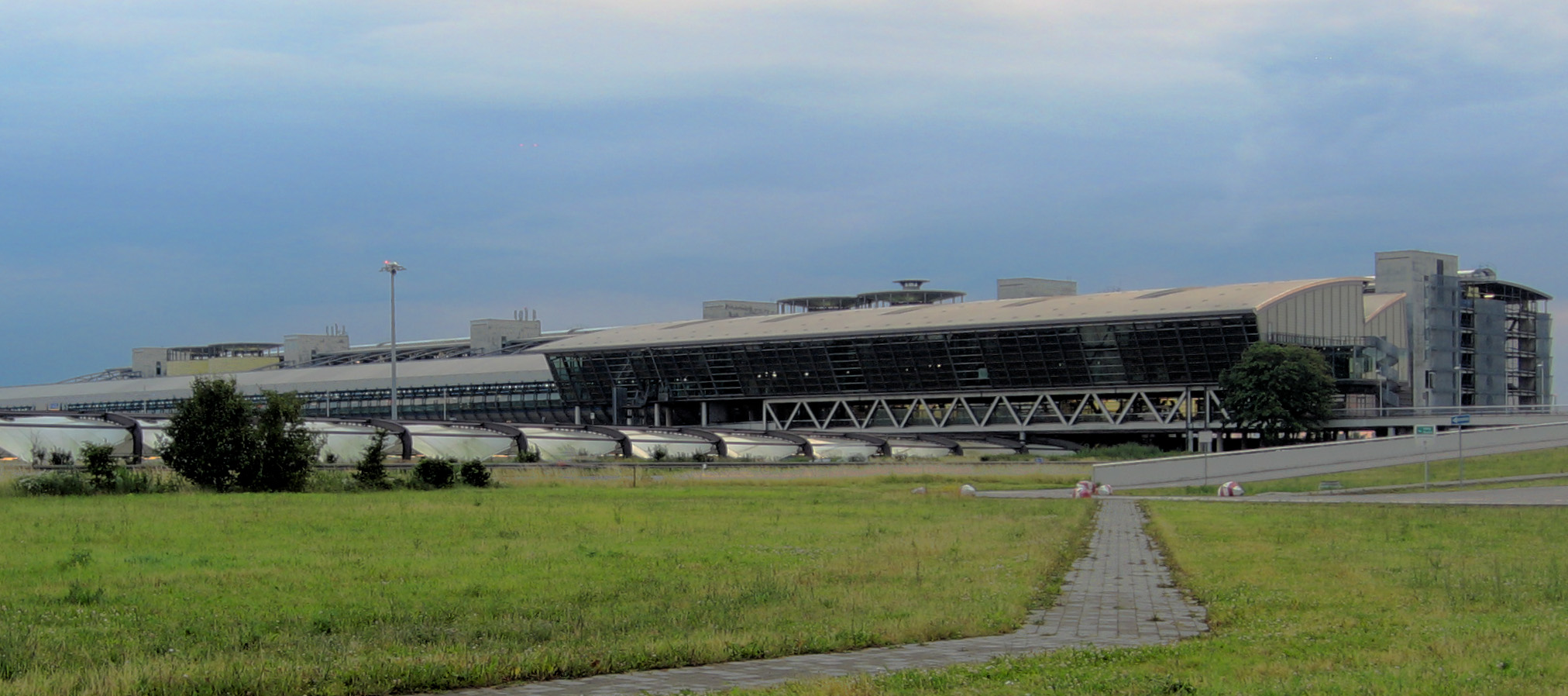
According to the Guardian interviews, European services believe Russian sabotage is moving from randomised arson and disruption toward targets tied to Western support for Ukraine. Sweden's military-intelligence chief described an armed drone incident at Leipzig airport as a gamechanger because an unmanned aircraft over a busy civilian hub can create casualties and economic disruption without looking like a conventional military strike. Latvia's service also reported greater interest in railways, Ukraine-support infrastructure and defence industries.
The strategic logic is brutally simple. If every incident becomes a three-day argument about attribution, Moscow wins time. If NATO governments respond differently, Moscow wins a political map of the alliance's weak points. And if European publics conclude that aid to Ukraine brings the war home, the Kremlin gets the pressure campaign it wants without firing a shot at a NATO formation.
Ukraine Is Accelerating the Risk
The immediate context is a sharp escalation in long-range drone warfare. In its September 21 briefing, The Guardian reported that Ukraine launched about 1,600 drones during a mass attack on the Moscow region, with roughly 450 aimed at the capital, according to Moscow mayor Sergei Sobyanin. Russia said it would intensify strikes on Kyiv. Ukrainian President Volodymyr Zelenskyy said the operation used domestically produced Flamingo cruise missiles and the winged Pelican drone.
Those figures are claims by the parties to the war, not an independent battle-damage assessment. The broader point is nevertheless clear: both sides are expanding the geography and scale of air attacks. Russia can portray Western weapons, intelligence and advisers as proof that NATO is already a participant. Ukraine, meanwhile, has an obvious reason to demonstrate that Russian territory is not a sanctuary. The result is a shrinking margin for incidents that remain safely below the threshold of collective defence.
Article 5 Is Not a Tripwire
NATO's Article 5 treats an armed attack against one ally as an attack against all, but it does not prescribe one automatic military response. Each ally decides what action it deems necessary. That flexibility is useful for a genuine crisis; it is also the opening that a clever adversary would exploit.
Everyone in Washington assumes deterrence is mostly about capabilities. Europe's current problem is political clarity. Would allies agree within hours that a drone strike was deliberate? Would they publish intelligence quickly enough to prevent competing narratives? Would governments accept risk in defending a target that Moscow describes as an accident? A treaty can promise solidarity. It cannot manufacture a shared interpretation of an ambiguous event.
The Next Test Will Be Political
The sensible response is not to announce that war is inevitable. That would hand Moscow a propaganda victory and damage the exposed economies of the Baltic region. The response is to make ambiguity less profitable: pre-agreed consultation procedures, rapid attribution teams, stronger protection for airports and rail hubs, and clear public thresholds for attacks on critical infrastructure.
European governments should also stop treating support for Ukraine and defence of NATO territory as separate policy files. The same drone supply chains, intelligence networks and infrastructure vulnerabilities connect them. The Guardian reported that Russia is still pursuing negotiation theatre while intensifying sabotage and air strikes. That combination should be read as a campaign to improve Moscow's bargaining position, not as evidence of peaceful intent.
The latest warnings do not prove that Russia will attack NATO within months. They do prove that European officials are preparing for a period in which the Kremlin may test the alliance without launching a tank invasion. The next decisive battle will be over attribution, speed and political nerve. NATO may have enough firepower to deter Russia. The uncomfortable question is whether it has enough agreement to recognise the test when it arrives.
European intelligence officials warn of potential limited Russian attacks on NATO within months, aimed at creating internal discord. The report highlights a lack of consensus among European leaders regarding the immediacy of the threat, with some suggesting possible drone or missile strikes. The situation is marked by increasing ambiguity and the potential for Russia to exploit NATO's political dynamics.
- European intelligence warns of possible limited Russian attacks on NATO within months.
- Disagreement among European officials about the immediacy of the threat.
- Russia may use drone or missile strikes to test NATO's response.
- The situation is characterized by ambiguity and potential for political leverage.
- Ukraine's drone warfare is escalating, affecting the risk of incidents involving NATO.