
Russia's Hybrid War Is Already Testing NATO's Political Threshold
 Alexandra Reeves
Russia's Hybrid War Is Already Testing NATO's Political Threshold
Russia may not be preparing to invade a NATO country tomorrow. It is doing something more useful to Moscow: testing how much disruption Europe will absorb before the alliance decides that disruption is an attack.
That is the thread connecting a warning from Denmark's intelligence service, fresh reporting on Russian sabotage fears across Europe, and the growing anxiety around NATO's eastern flank. The immediate danger is not a cinematic march across a border. It is a campaign of fires, cyberattacks, interference and deniable coercion designed to make every government argue about attribution while the damage accumulates.
The warning is about timing, not theory
According to Reuters on September 24, Denmark's intelligence service expects Russia to escalate its hybrid warfare against European countries in the coming months. That is a forward-looking assessment, not a claim that every suspicious incident is Russian-directed. The distinction matters. Intelligence services are usually most confident about the pattern and least confident about the individual act.
Two days later, DW reported that European officials expect the pressure campaign to intensify. The concern is not only sabotage of physical infrastructure. It includes influence operations, cyber disruption, GPS interference, espionage and the use of criminal networks or cut-outs. These tools are cheap compared with conventional military operations and difficult to answer without exposing sources and methods.
That gives the Kremlin a strategic bargain. A tank column creates a clear decision. A damaged cable, a disrupted satellite link or a mysterious fire creates a committee.
Europe is learning that ambiguity has a cost
The latest reporting comes after a series of incidents that have pushed hybrid warfare out of specialist briefings and into daily politics. Reuters reported on September 23 that European governments were warning of increased Russian sabotage while seeing no imminent prospect of a conventional Russian attack on NATO. Poland's investigation into a fire at a Starlink station, described by its authorities as possible sabotage, added another uncomfortable question: how much of Europe's wartime communications infrastructure is protected when it sits outside traditional military bases?
Starlink is not a magic shield. It is a networked service with ground infrastructure, supply chains and points of failure. The same is true of ports, rail junctions, undersea cables, energy substations and data centres. Europe has spent years treating these systems as civilian questions with military consequences. Moscow treats them as military targets with civilian labels.
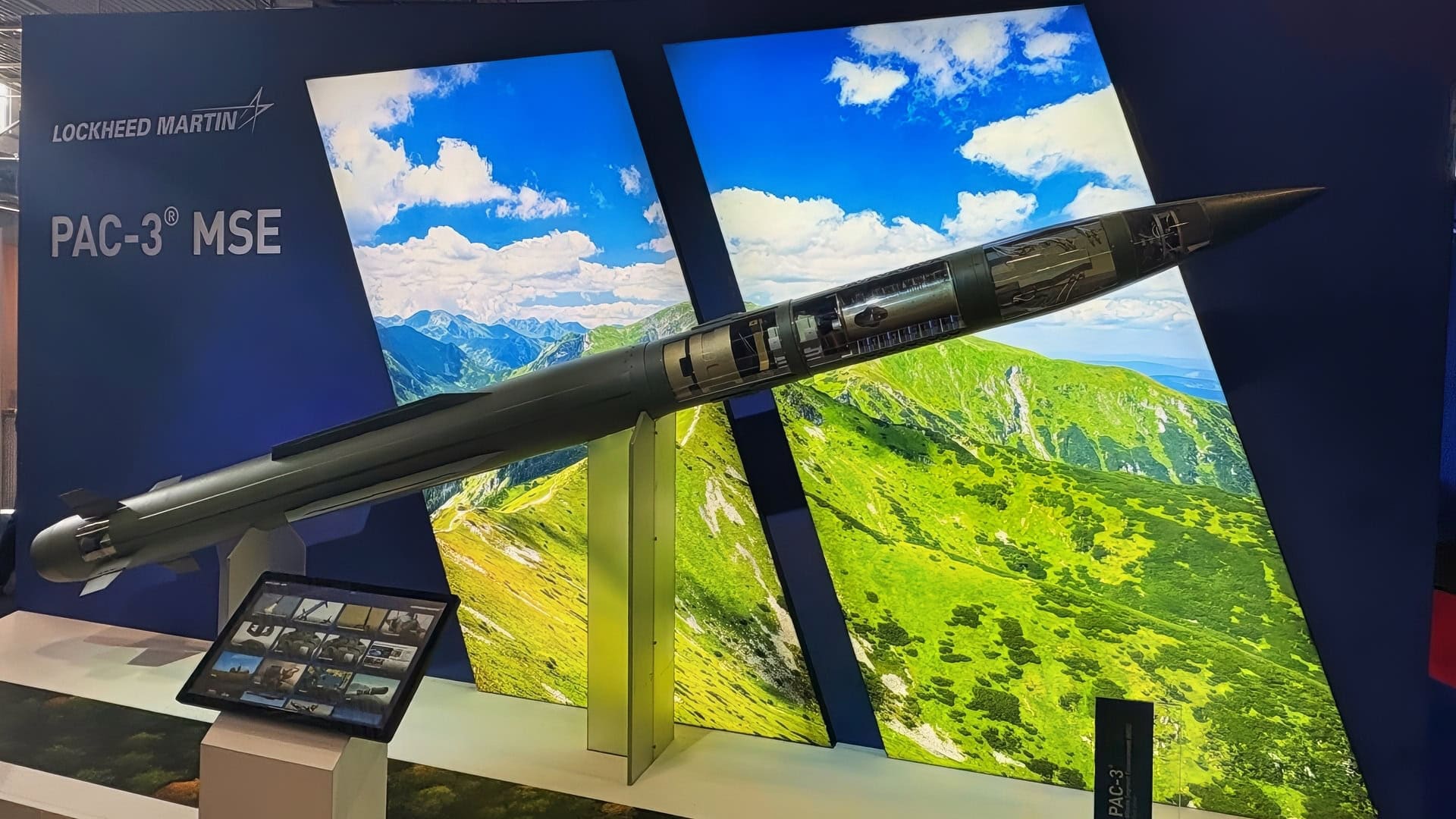
That mismatch is the vulnerability. NATO can deploy Patriot batteries, fighter aircraft and armoured units, but those systems do not automatically protect a fibre route or establish who ordered a warehouse fire. The alliance's most visible strength is therefore not always relevant to the first move in a grey-zone crisis.
The Article 5 problem
Hybrid attacks are designed to exploit NATO's political threshold. Article 5 is not a tripwire that turns on after one unexplained explosion; allies must decide whether an attack has occurred and what response is appropriate. That flexibility is useful for deterrence, but it also creates room for an adversary to keep each incident just below the level that compels unity.
Here is the uncomfortable assumption many European planners still make: that ambiguity buys time. Sometimes it does. It can also buy the attacker momentum. If attribution takes weeks, repairs take months and governments issue carefully worded statements, the campaign has already achieved part of its purpose. It has demonstrated that the alliance can be touched without being forced to act together.
CBC's September 27 reporting on Russian interest in NATO territory captures the broader fear, while recent warnings from senior NATO figures describe Moscow as increasingly willing to take risks. Those assessments should not be converted into an automatic prediction of invasion. They do, however, suggest that deterrence based only on the fear of conventional escalation is incomplete.
NATO needs a response that is boring and immediate
The answer is not to declare every infrastructure failure an act of war. That would hand Russia an escalatory lever and make public attribution less credible. NATO needs something less dramatic: common thresholds, rapid joint investigations, protected redundancy and pre-agreed consequences for categories of attack.
- Attribution: allies should publish coordinated assessments quickly when confidence is high, even if every detail cannot be disclosed.
- Resilience: critical communications and energy systems need alternate routes, stored equipment and exercises that include sabotage rather than only missile strikes.
- Response: sanctions, expulsions, cyber measures and counter-intelligence actions should be prepared before a crisis, not negotiated from scratch afterward.
- Public messaging: governments must explain what is known, what is not known and what will happen next. Silence is not strategic ambiguity if citizens interpret it as helplessness.
Ukraine's experience offers a useful lesson. Its defence has depended not only on major weapons but on adaptation, distributed systems and the rapid movement of battlefield information into national decision-making. NATO has more money and deeper institutions. It is still slower at turning warning into routine practice.
The threshold is the battlefield
Russia's hybrid campaign matters because it is not a sideshow to a future war. It is already a contest over Europe's ability to function, coordinate and trust its own governments. The question is no longer whether Moscow can create trouble inside NATO countries. It can.
The real question is whether the alliance can respond before every incident becomes a debate about whether it was serious enough to count. If Europe waits for a clean military attack, it will discover that Russia has been measuring its threshold for months. NATO's next test may not be whether it can stop a Russian brigade. It may be whether it can agree on what happened before the smoke clears.
Sources
- Reuters, “Denmark expects Russia to escalate hybrid warfare in coming months,” September 24, 2026: Google News source link
- DW.com, “Russia expected to intensify hybrid war on Europe,” September 26, 2026: Google News source link
- CBC, “Putin appears to be eyeing NATO,” September 27, 2026: Google News source link
- Reuters, “Europeans warn of rising Russian sabotage,” September 23, 2026: Reuters
Russia is escalating its hybrid warfare tactics against European countries, including cyberattacks, sabotage, and influence operations. Denmark's intelligence service warns of increased Russian activity, while European officials anticipate intensified pressure in the coming months. Recent incidents, such as potential sabotage in Poland, highlight vulnerabilities in critical infrastructure.
- Denmark's intelligence service warns of escalating Russian hybrid warfare.
- European officials expect intensified pressure from Russia in the coming months.
- Recent incidents of sabotage and cyber disruption have raised concerns across Europe.