

Summary and Key Points: Saab is not asking Canada to abandon the F-35; it is asking for 40 Gripens. The Swedish firm says an order of that size would support assembly of complete fighters in Canada, the first Gripen production line outside Sweden, and its chief executive, Micael Johansson, has framed the choice as whether Ottawa wants a sovereign aerospace industry.
JAS 39 for Canada?
During a recent visit to Saab’s fighter plant in Sweden, a Canadian reporter asked if the plant was preparing to sign a deal with his home country. The Saab official grinned but did not answer.
Swedish Firm Continues to Pitch Canada
The company has been rather less mysterious about the rest of its Canadian sales pitch. Saab says an order for roughly 40 Gripen E fighters would be large enough to support full aircraft production in Canada – not merely the manufacture of components, but assembly of complete jets.
It would be the first such Gripen production operation outside Sweden.
That does not mean Saab is asking Ottawa to throw out the F-35.
“We’re not trying to replace F-35 … it’s both,” Saab CEO Micael Johansson told The Globe.
In 2022, Ottawa pledged to buy 88 Lockheed Martin F-35As. Eight of them are due to arrive at Luke Air Force Base in Arizona by 2027, where Canadian pilots will use them for training.
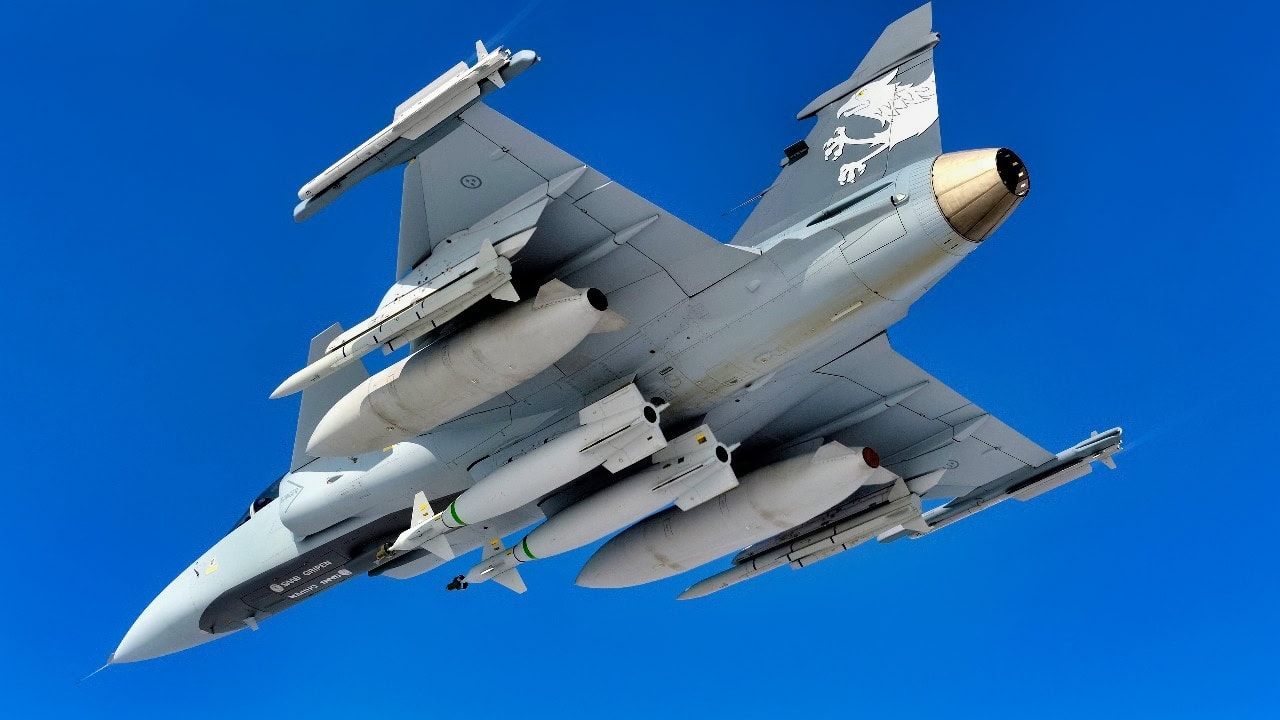
JAS 39 Gripen. Image Credit: Creative Commons.
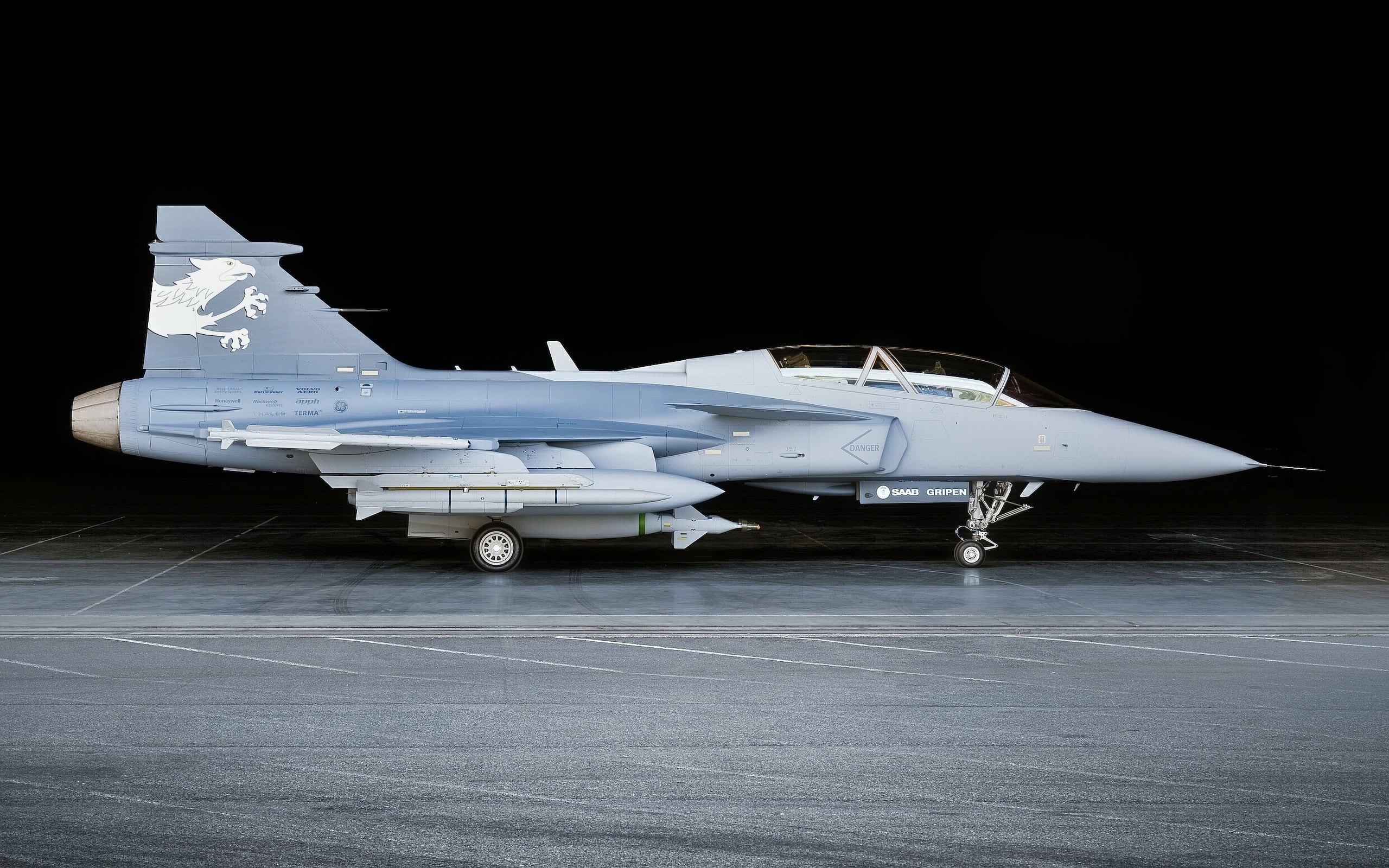
JAS 39 Gripen. Image Credit: Creative Commons.
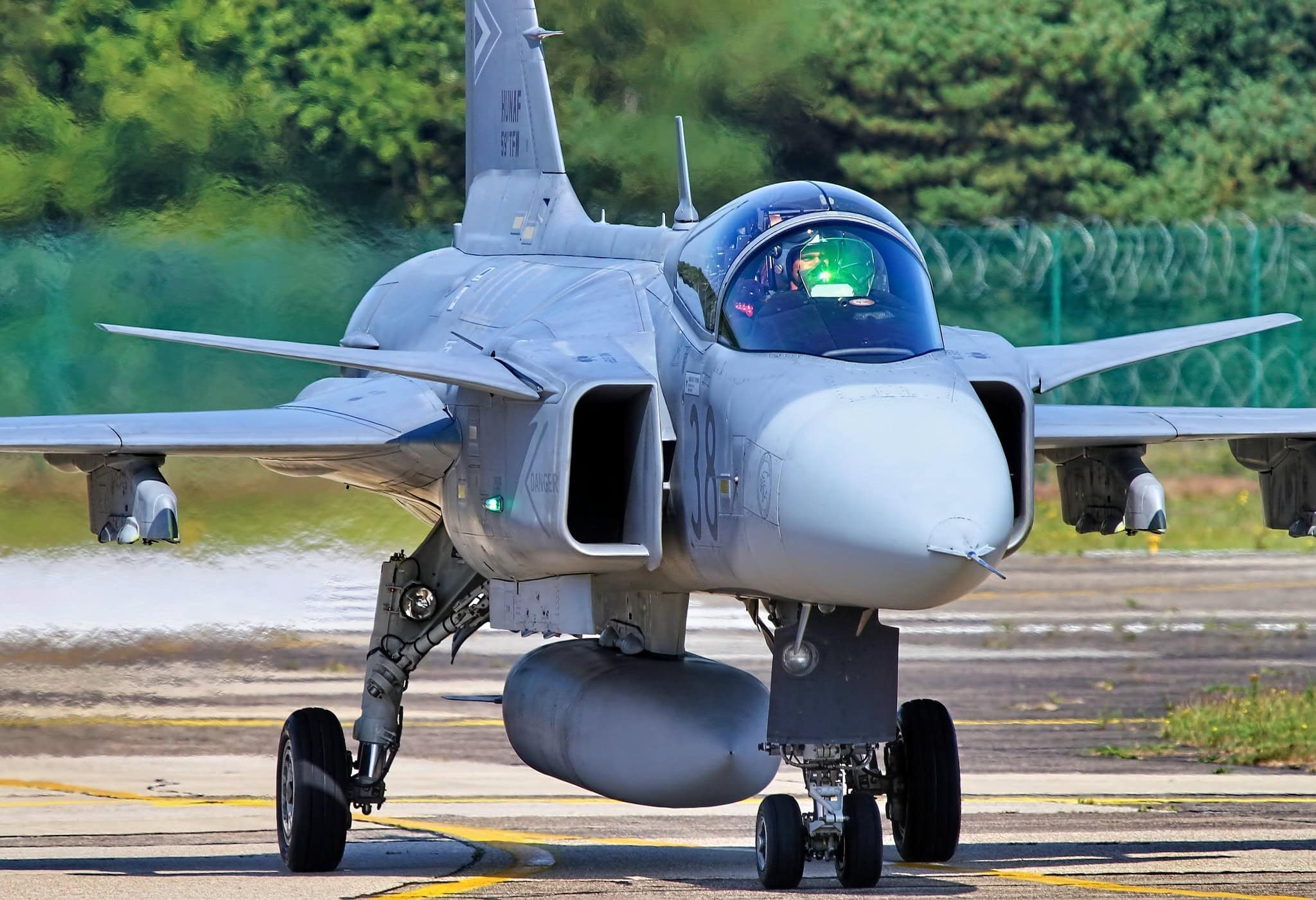
JAS 39 Gripen on Runway. Image Credit: Creative Commons.
Carney Remains Uncertain
Ottawa has not decided whether all remaining aircraft in its planned 88-fighter fleet should also be F-35s.
Prime Minister Mark Carney ordered a review of the purchase in March 2025. More than a year later, Ottawa is still considering “all options, including a mix of fighter aircraft.”
That is the opening Saab is trying to exploit.
Johansson told investors in February that Canada had reached a “crossroad decision” over whether it wanted a mixed fleet and a larger degree of sovereign aerospace capacity.
When The Globe spoke to him months later, he suggested that the issue was whether Canada wanted a “sovereign aerospace industry.”
Indeed, Carney’s government itself seems fairly keen on this sort of framing.
After launching its Defence Industrial Strategy in February, Carney said that Canada had historically been too reliant on its own isolated geography, “and other countries,” for its defense. His government has summarized this fresh, uncertain outlook on procurement as focused on: “build[ing], partner[ing],” and “buy[ing].”
On May 27, Ottawa settled on the Swedish company as its preferred supplier for airborne early-warning capability going forward.
Ottawa is currently holding talks on whether to adopt Saab’s GlobalEye surveillance aircraft, which is heavily inspired by Bombardier’s Global 6500 business jet.
This does not mean any sale is secured whatsoever. Canada’s Defense Investment Agency has been keen to publicly stress that simply participating in talks “does not constitute a procurement commitment.”
NATO Already Keen on Saab
But GlobalEye, one of Saab’s key modern programs, is certainly on the cards for Ottawa.
Canada and 10 NATO allies recently launched their roadmap of jointly procure up to 10 of the GlobalEye aircraft.
These will replace the military alliance’s older E-3 fleet, which must soon be phased out.
Mark Rutte, the alliance’s Secretary General, described these aircraft as “a new level” of technology for early warning and control.
The claim that Gripens would afford Canada much more sovereignty is also more complicated than it may seem at first glance.
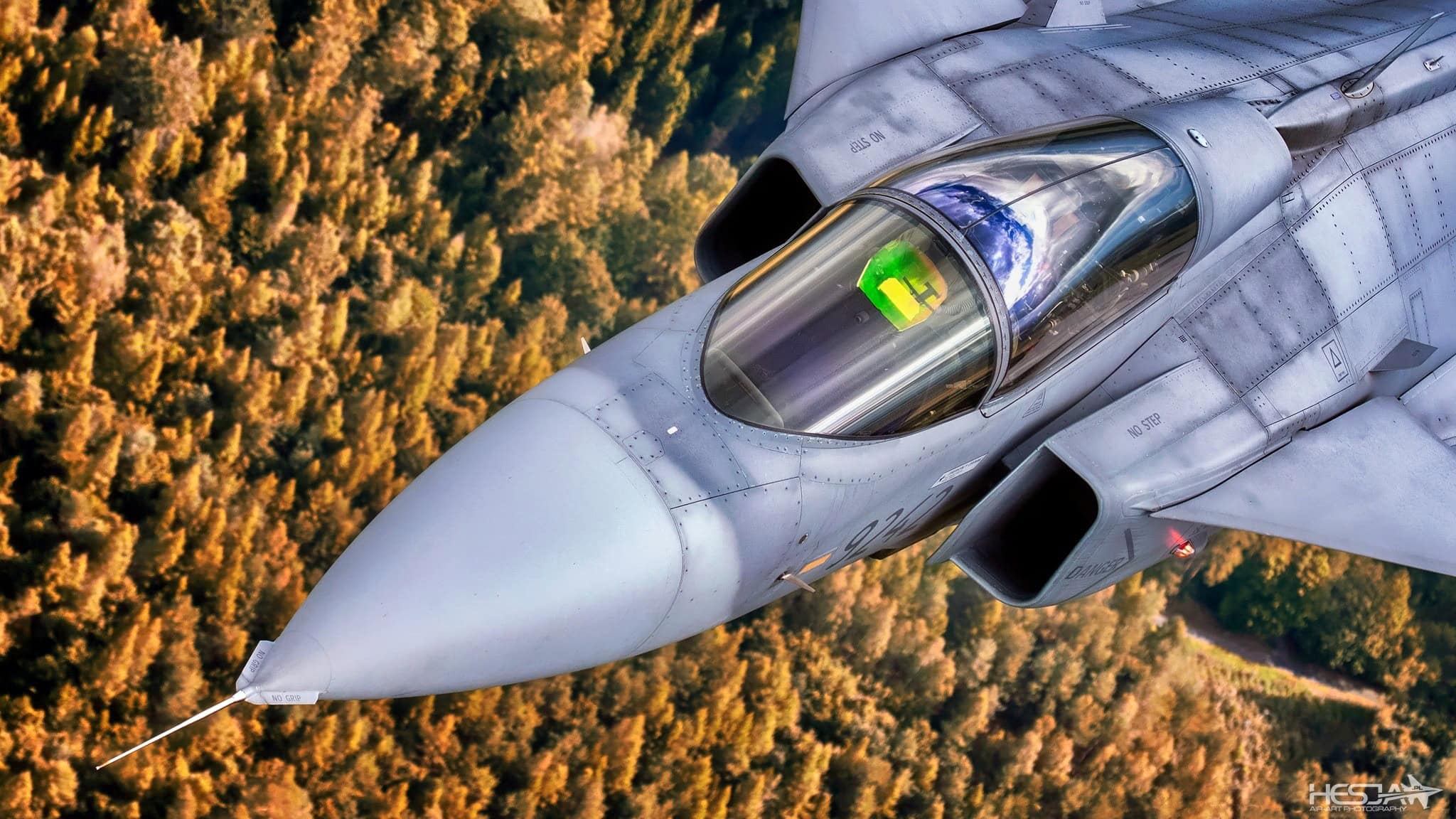
JAS 39 Gripen. Image Credit: Creative Commons.
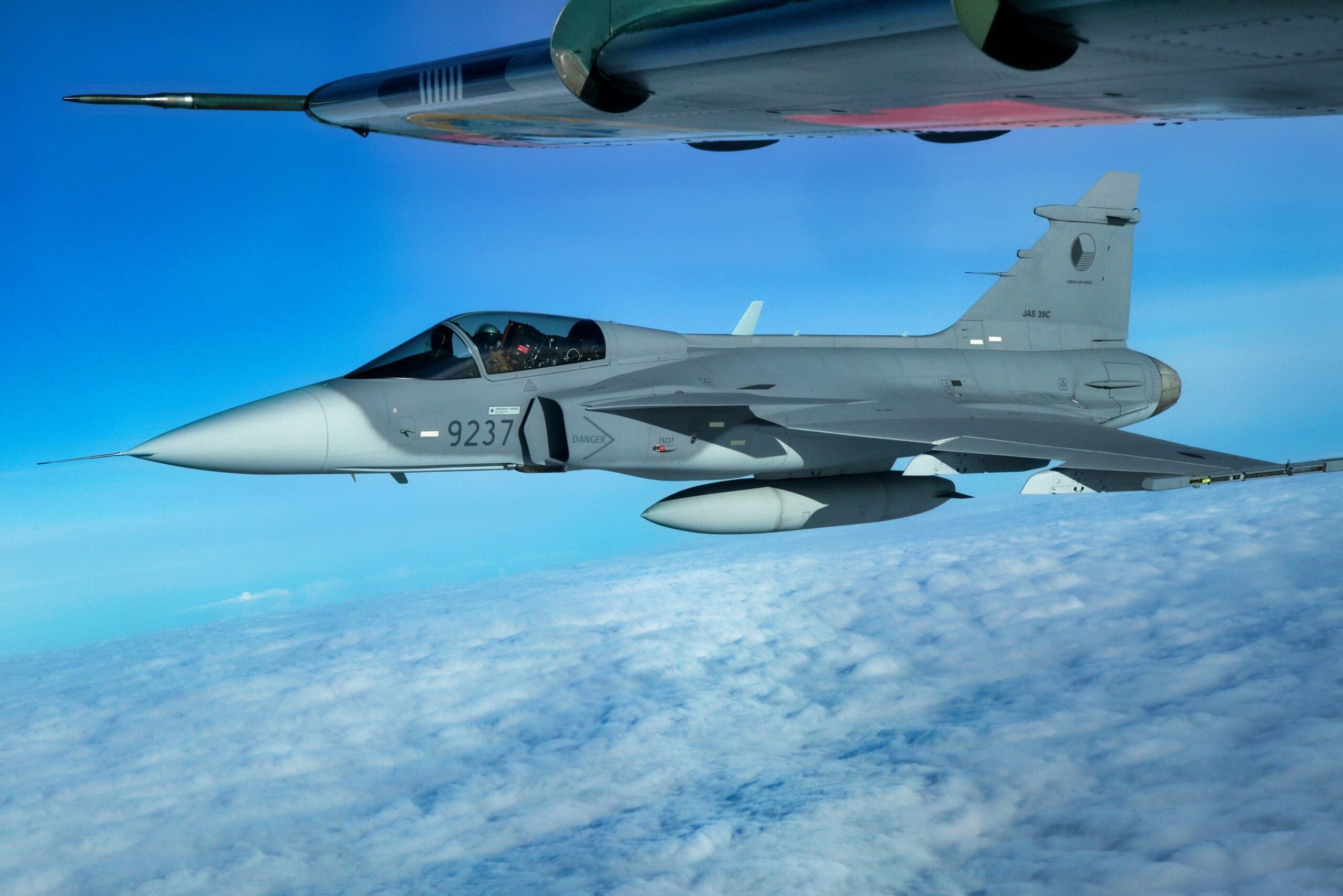
JAS 39 Gripen. Image Credit: Saab.
This would not be a matter of merely swapping out a U.S. jet for a fully self-sufficient Swedish one.
The Gripen E utilizes the American-made F414-GE-39E engine.
However, GE and Canada’s Magellan Aerospace said that, if a Gripen is eventually greenlit, they would set up Canada-based repair and overhaul facilities for the complex engine.
Could Canadian Firms Lose Out?
In May, it was announced that over $5.2 billion in contracts had been granted to about 110 Canadian firms linked to F-35 production and its global needs.
Ottawa has also slammed claims that buying the American jet would let Washington dictate how Canada flies it, saying Canada will own and use its CF-35As and decide how to use them.
For now, Saab seems happy to keep pitching for Canada to buy at least 40 of its fighter jets.
Ottawa has not paid for a single Gripen E jet as of this writing.
It has not even begun a renewed fighter competition. On purely technical matters, the F-35 remains vastly superior.
Radio-Canada cited Defense Department figures scoring the F-35 57.1 of 60 points, or 95 percent, for military capability in the 2021 competition.
Gripen E received 19.8 points, or 33 percent. In the heavily weighted “mission performance” category, the difference was 97 percent to 22 percent.
The F-35 also outranked Gripen on scores relating to upgradability, technical criteria, capability delivery and sustainment.
While the previous competition largely proved the F-35’s superiority as a fighter jet, Ottawa may want to keep cooling ties with Washington by opting for its Swedish rival.
About the Author: Georgia Gilholy
Georgia Gilholy is a journalist based in the United Kingdom who has been published in Newsweek, The Times of Israel, and the Spectator. Gilholy writes about international politics, culture, and education.